Ming Tomb of Shu King, Royal burial complex in Chengdu, China
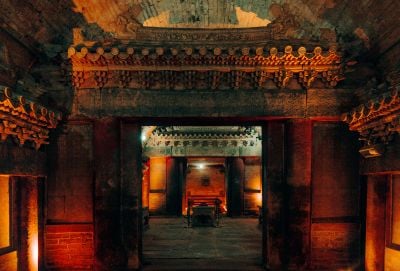
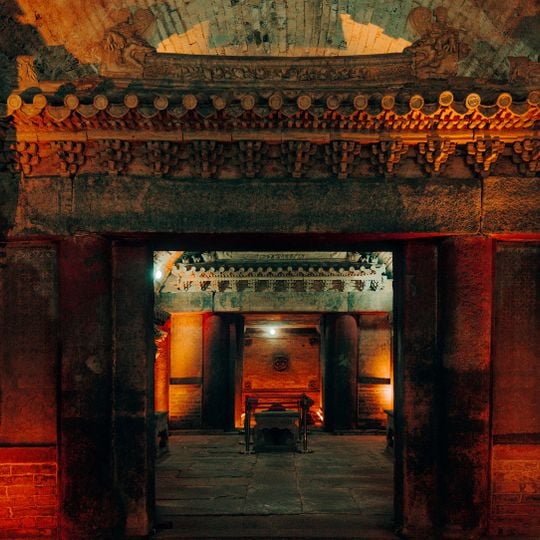
Ming Tomb of Shu King is a royal burial complex in Chengdu featuring multiple underground chambers extending 28 meters with stone structures and ceremonial pathways at the base of Mount Zhengjue. The site includes the main mausoleum of King Xi and ten additional royal burial locations from the 14th to 17th centuries.
The complex was discovered in 1979 and dates to the Ming Dynasty with burials from the 14th to 17th centuries representing the royal family of the Shu Kingdom. The tomb demonstrates how rulers of that period expressed power and continuity through permanent burial sites.
The underground chambers hold about 500 painted terra cotta figures, including detailed dancer sculptures that show artistic practices of the Ming Dynasty. These figures reveal the craftsmanship and artistic ideas of that era.
The burial site is accessible by public transportation to Chengdu University Stop in the Longquanyi District, where guided tours are available. Morning visits offer fewer crowds, making it easier to explore the chambers and see the detailed stonework clearly.
The main mausoleum features intricately carved stone elements and colored calligraphy, showing rare examples of personal artwork that typically does not survive in such burial sites. These detailed decorations were deliberately created underground, revealing that artistic execution mattered more to the rulers than public display.
The community of curious travelers
AroundUs brings together thousands of curated places, local tips, and hidden gems, enriched daily by 92,161 contributors worldwide.