McDermitt Caldera, Volcanic caldera in Harney County, United States
McDermitt Caldera is a volcanic depression sitting on the border between Oregon and Nevada, forming an oval basin that narrows toward the south. The area sits within a remote high desert landscape and holds major deposits of lithium, mercury, uranium, and cesium.
The caldera formed around 16.4 million years ago through massive volcanic eruptions linked to the movement of the Yellowstone hotspot across the continent. Those events released enormous volumes of rock and ash, permanently reshaping the land.
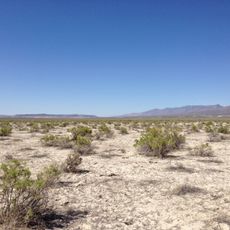
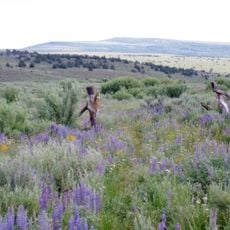
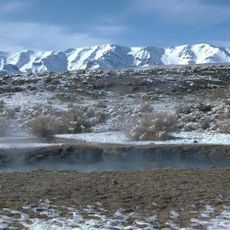
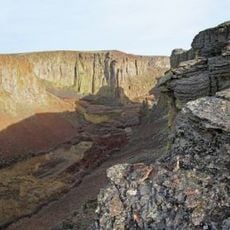
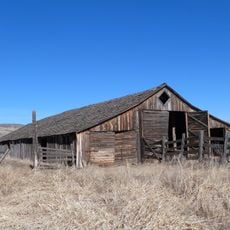
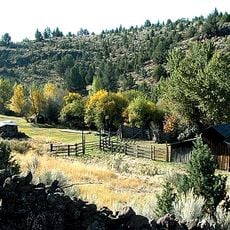
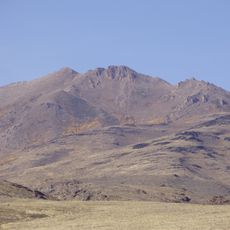
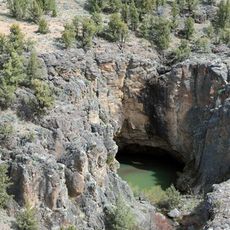
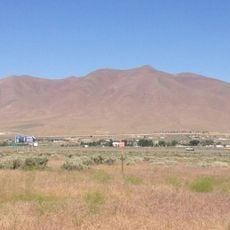
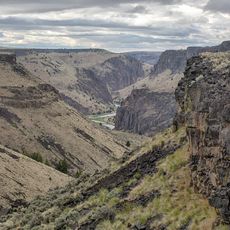
The area draws earth scientists who study the mineral deposits of the region, including one of the largest known lithium deposits in the world. On the ground, visitors can see the dry, eroded hills and open flats that are typical of old volcanic craters in the high desert.
The caldera sits in a remote area on the Oregon-Nevada border, and most access roads are unpaved and can become impassable depending on the season. Checking road conditions before heading out and carrying extra water and fuel is strongly advisable.
The lithium deposit found within the caldera is held inside an unusual clay mineral called illite, rather than in the brine or hard rock where lithium is typically found. This type of deposit was largely unknown before its discovery here and has drawn new scientific attention to the site.
The community of curious travelers
AroundUs brings together thousands of curated places, local tips, and hidden gems, enriched daily by 60,000 contributors worldwide.