Colville Delta, River delta in northern Alaska, United States
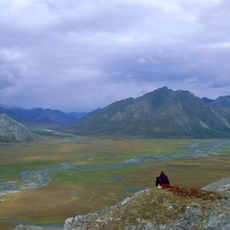
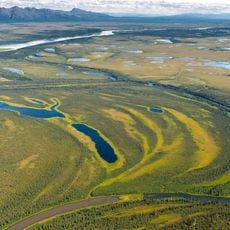
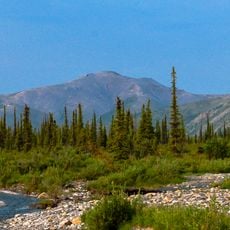
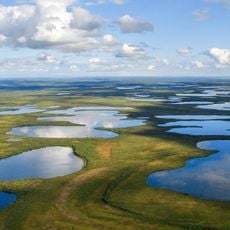
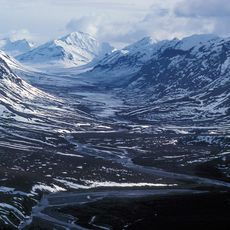
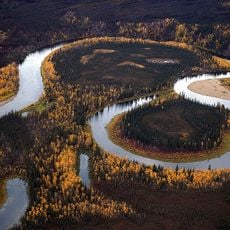
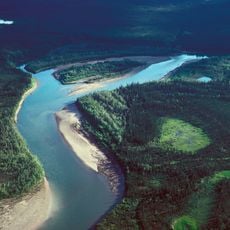
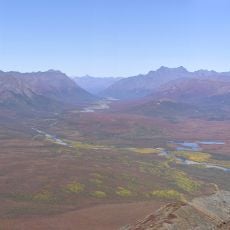
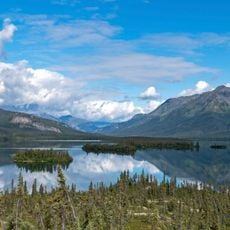
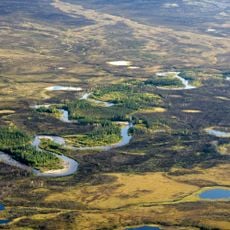
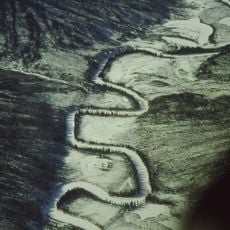
The Colville Delta empties into Harrison Bay as a broad network of shallow channels and wetlands across the Arctic tundra of northern Alaska. The terrain is flat and laced with waterways that shift in character with the seasons.
British explorers named the river in 1837 after Andrew Colvile, a director of the Hudson's Bay Company, to mark a reference point for Arctic navigation. Long before that, the Iñupiat had used the delta for fishing and hunting across many generations.
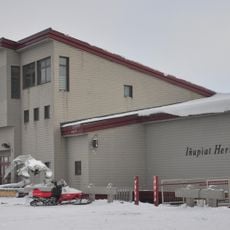
The Iñupiat communities of the region have fished and hunted along the delta's channels for generations, following the seasonal movements of animals. In summer, families gather at traditional spots along the water to catch fish that are dried and stored for winter.
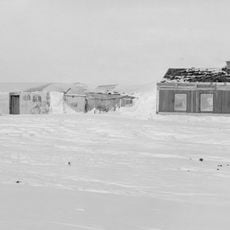
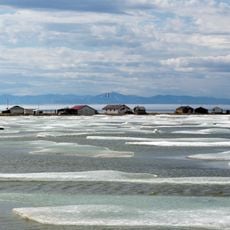
The delta is locked in ice for more than half the year, making summer the only realistic window for a visit. Spring flooding can cut off large sections of the terrain and make moving through the area very difficult.
The river bluffs hold the largest known collection of Arctic dinosaur fossils in North America, a discovery that few visitors associate with this remote tundra. These fossils show that polar regions were once home to a wide range of dinosaur species.
The community of curious travelers
AroundUs brings together thousands of curated places, local tips, and hidden gems, enriched daily by 92,864 contributors worldwide.