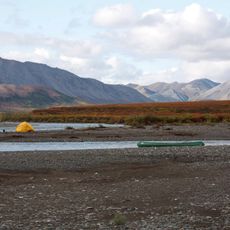
Gates of the Arctic Wilderness, National wilderness area in northern Brooks Range, Alaska
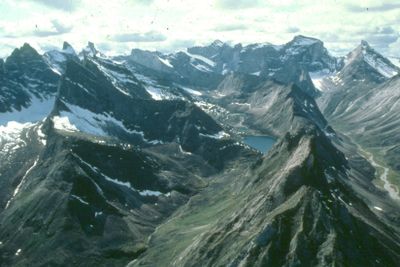
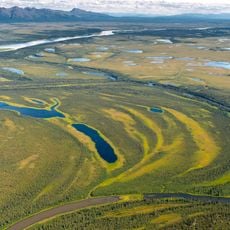
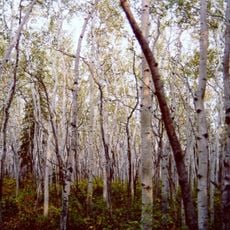
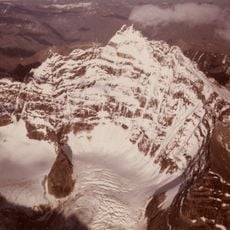
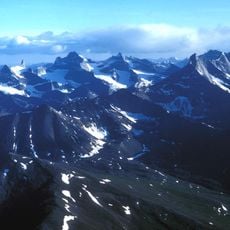
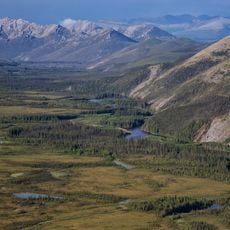
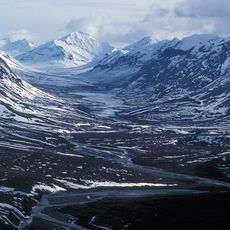
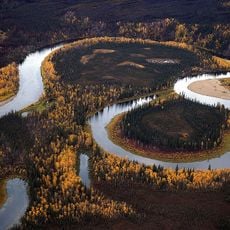
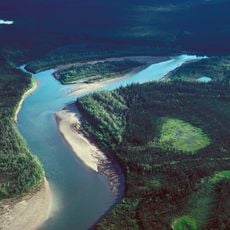
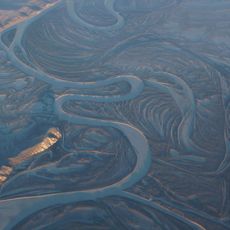
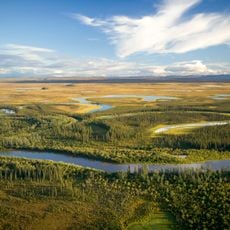
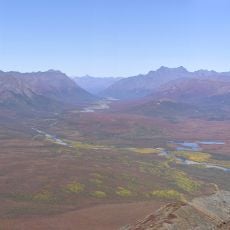
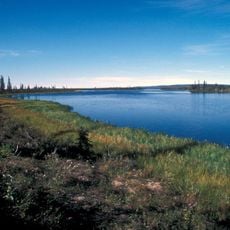
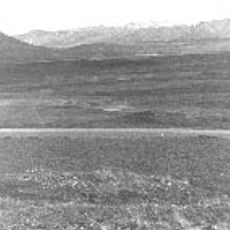
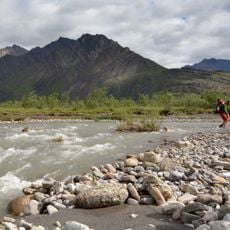
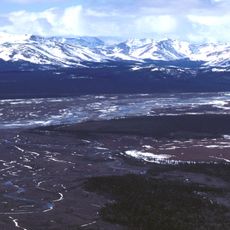
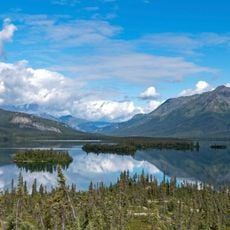
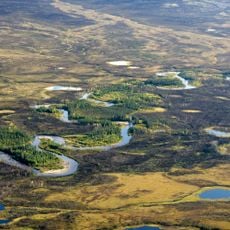
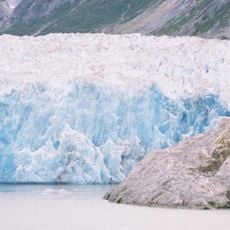
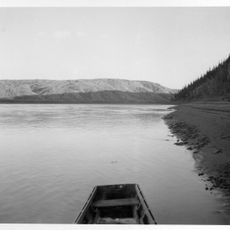
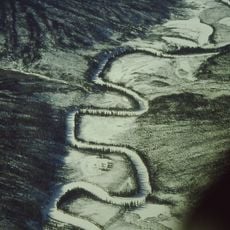
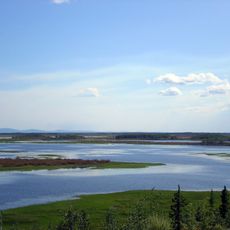
Gates of the Arctic Wilderness is a vast area of rugged mountains, glacial valleys, and tundra landscape located north of the Arctic Circle. The region consists of exposed ridgelines, flowing waterways, and open plains without roads or marked trails running through it.
Gates of the Arctic was first designated a national monument on December 1, 1978, then redesignated a national park and preserve when the Alaska National Interest Lands Conservation Act passed in 1980. The same act gave about 85% of the park and preserve, 7,167,192 acres, added protection as the Gates of the Arctic Wilderness.
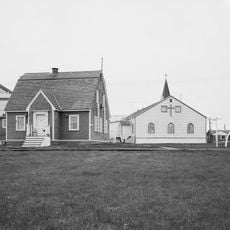
Anaktuvuk Pass, an Iñupiat settlement, lies inside the park, and ten resident zone communities outside its boundaries — among them Alatna, Allakaket, Ambler, Bettles, Hughes, Kobuk, Shungnak and Wiseman — depend on park resources for food and livelihood. Subsistence hunting by local rural residents is permitted in the national park, while sport hunting is allowed only in the preserve, with licences and permits.
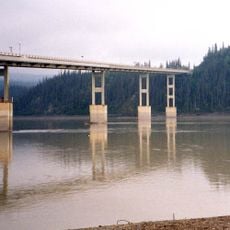
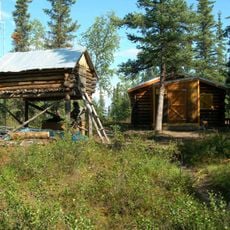
The wilderness has no roads or maintained trails, so visitors must arrange air transportation from Fairbanks or reach it via the Dalton Highway. You should be experienced in backcountry travel and prepared to navigate and camp independently.
The name comes from two peaks flanking the head of the North Fork Koyukuk River, which conservationist Bob Marshall called the "Gates of the Arctic" when he explored the region in 1929. The wilderness adjoins the Noatak Wilderness; together they form the largest contiguous wilderness in the United States.
The community of curious travelers
AroundUs brings together thousands of curated places, local tips, and hidden gems, enriched daily by 93,990 contributors worldwide.