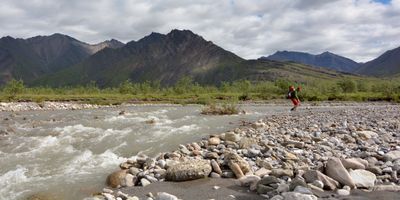
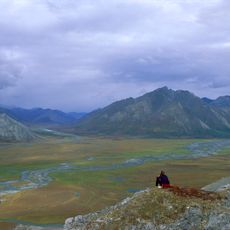
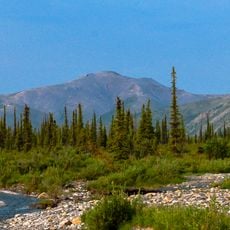
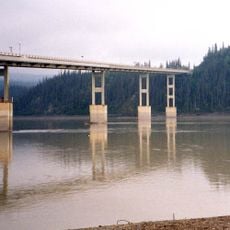
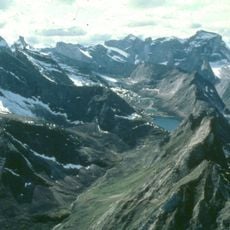
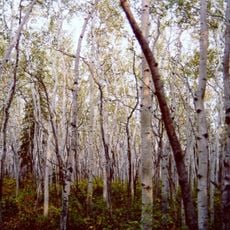
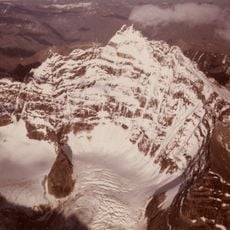
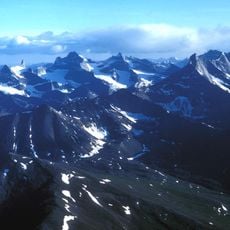
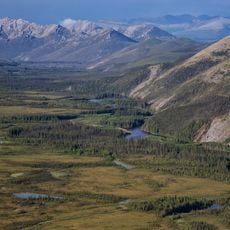
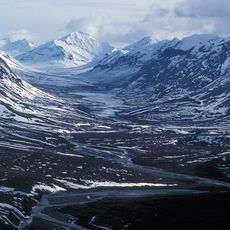
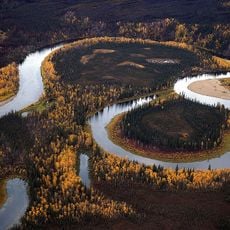
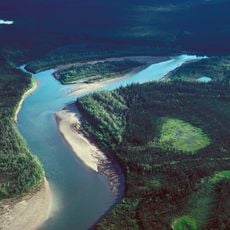
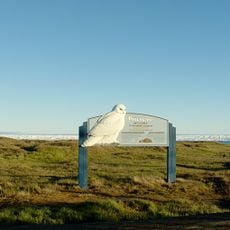
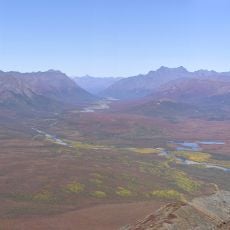
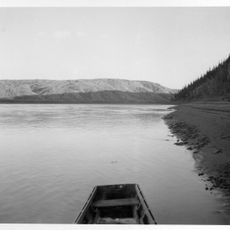
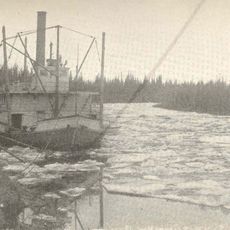
Itkillik River, Remote brook in North Slope, Alaska.
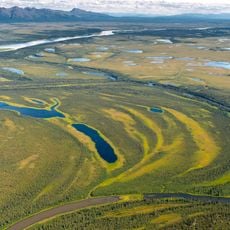
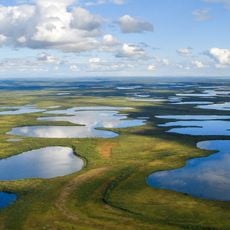
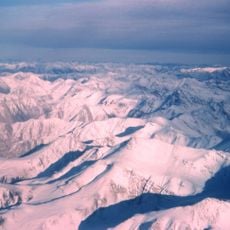
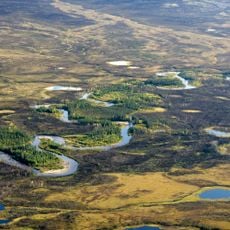
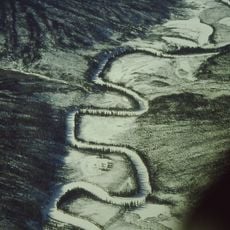
The Itkillik River is a 220-mile (350 km) tributary of the Colville River in Alaska's North Slope Borough. It rises near Oohlah Pass in the Endicott Mountains, flows northeast then northwest, and joins the Colville about 25 miles (40 km) southwest of Harrison Bay on the Beaufort Sea. In the North Slope plain its course is strongly meandering.
The name comes from the Iñupiaq word 'It-kil-lik' that appeared on maps around 1900. This indigenous term reflects the long-standing presence of native peoples in this area.
The name comes from Iñupiaq: an Iñupiaq map drawn around 1900 marks the river as It-kil-lik, meaning "Indian", and John Simpson recorded "Itkalingkok" or "Indian River" in 1852 for a large stream entering the Colville about 50 km above its mouth. The Iñupiaq word itqiliq means "Indian".
Reaching this remote location requires special transportation since no roads lead to this area. Visitors must arrange air travel to access the river.
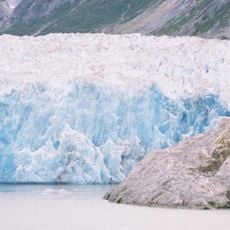
The exposed permafrost bluff on the Itkillik is Alaska's largest known yedoma, deposited between 50,000 and 10,000 years ago. The ice cliff, 100 feet high and 1,200 feet long, holds bison, muskox and mammoth remains and is methane-rich; its thaw gases earned it the nickname Stinky Bluffs.
The community of curious travelers
AroundUs brings together thousands of curated places, local tips, and hidden gems, enriched daily by 94,019 contributors worldwide.