Walker Lake, lake in the United States of America
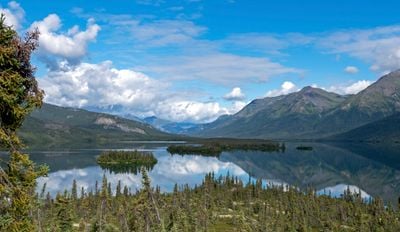
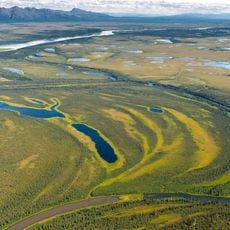
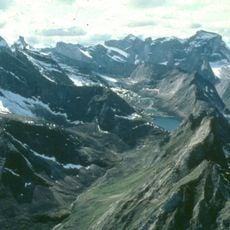
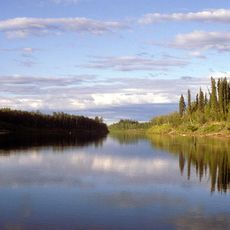
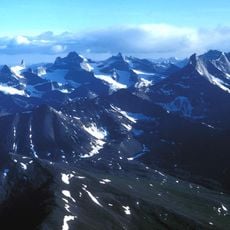
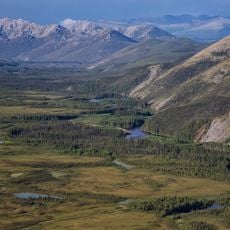
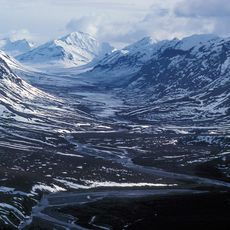
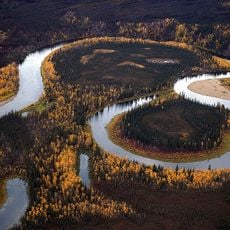
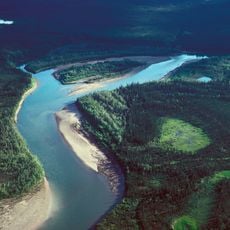
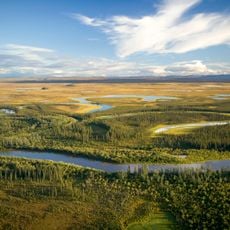
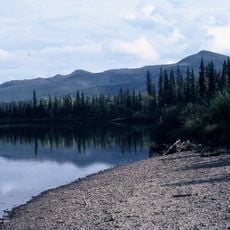
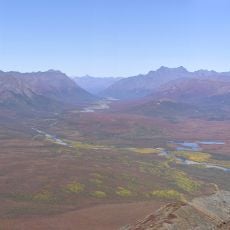
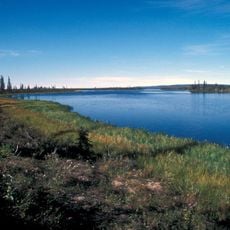
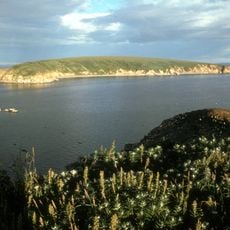
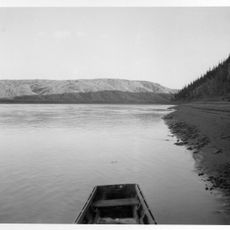
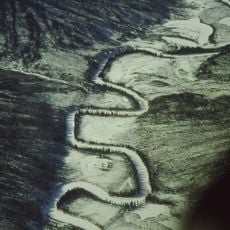
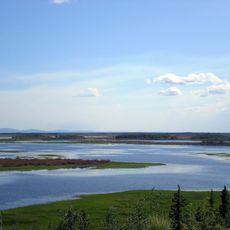
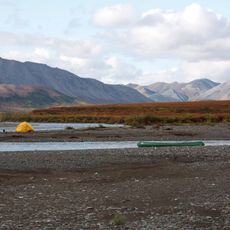
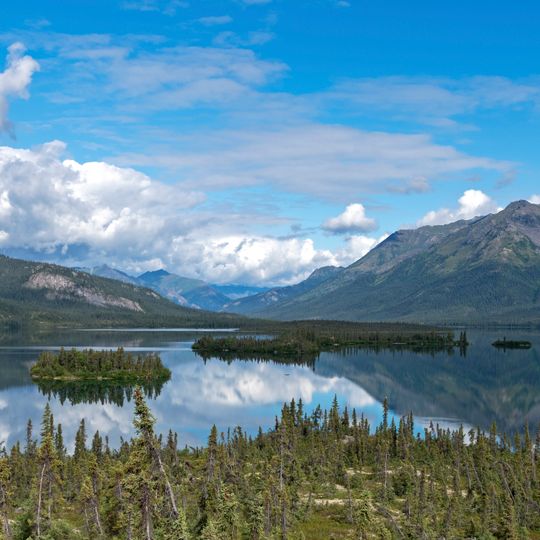
Walker Lake is a large glacially-formed body of water on the south slope of the Brooks Range in northwest Alaska. The lake stretches about 14 miles long and a mile wide on average, filling a basin carved by ancient ice and bounded by moraines of rock and soil.
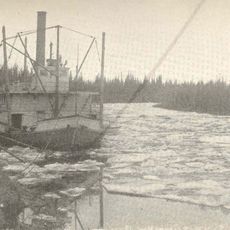
The lake was explored in 1885 during an expedition led by John C. Cantwell, organized by the Revenue Marine, an early precursor to the Coast Guard. In 1968, it was designated a National Natural Landmark to recognize its natural significance and later incorporated into Gates of the Arctic National Park.
Local Inupiat people call the lake Qalugluktuaq, while the Denaakk'e language names it Taah K'ehoolaanh. Traditional stories describe legendary fish in the waters, with the indigenous name itself meaning Big Fish Lake, reflecting generations of connection to this place.
Access to the lake is typically by small airplane or on foot, as there are no roads to reach it. Visitors should bring adequate supplies and be prepared for rapidly changing weather, cold temperatures, and the remote wilderness conditions that define the area.
Local legend tells of a giant fish that a native hunter once tried to catch using a hook made from reindeer antlers and a whole goose as bait. This Inupiat tale reveals how the water held deep meaning and mystery for the people who have lived here for generations.
The community of curious travelers
AroundUs brings together thousands of curated places, local tips, and hidden gems, enriched daily by 91,385 contributors worldwide.