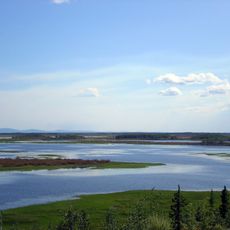
John River, River in Gates of the Arctic National Park, Alaska, United States
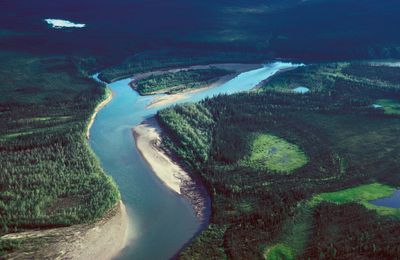
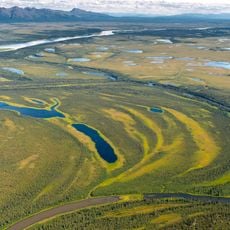
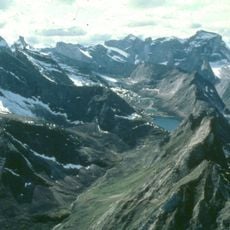
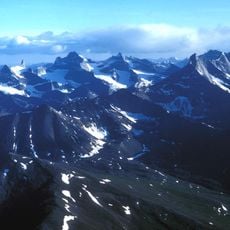
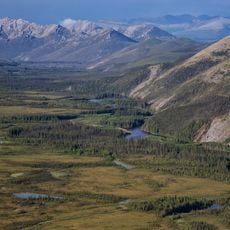
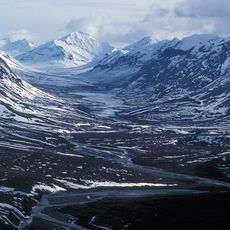
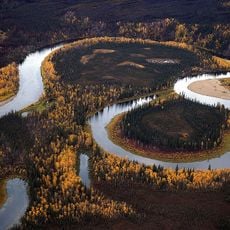
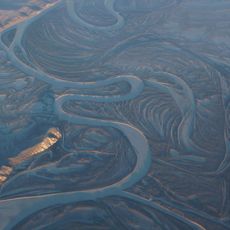
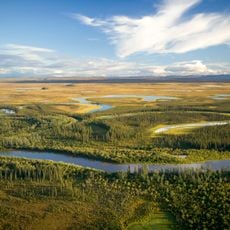
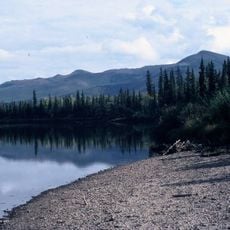
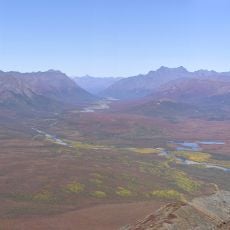
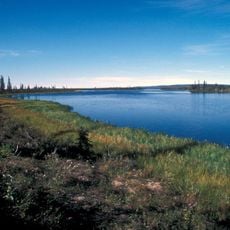
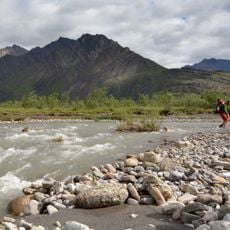
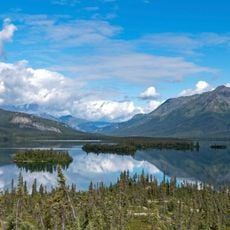
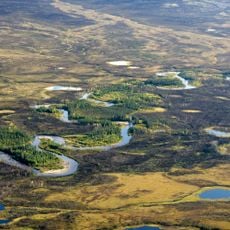
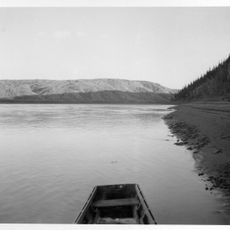
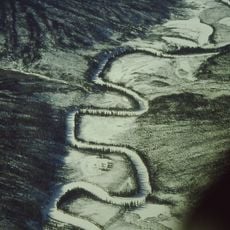
The John River is a 125-mile (201 km) tributary of the Koyukuk River in northern Alaska, flowing south from Anaktuvuk Pass in the Brooks Range to join the Koyukuk near Bettles, just north of the Arctic Circle. Its upper course runs through broad, glacier-carved valleys, while steep banks border the riverbed across much of the lowland lower course.
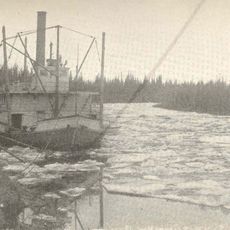
Archaeological finds at Anaktuvuk Pass show that Alaska Native peoples used this route for a very long time before outside contact. In 1901 the Schrader-Peters expedition explored the John River and the Anaktuvuk River before continuing to Point Barrow. In 1931 Robert "Bob" Marshall travelled up the John River to the Arctic Divide and described a "quadruple rainbow".
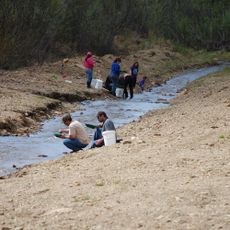
The river flows through lands inhabited for thousands of years by Inupiat and Athapaskan peoples. These communities continue to live with the river, using it as a vital corridor through their territory.
Water conditions vary along the river depending on the season and location, with stronger currents in upper sections and calmer stretches downstream. Visitors should prepare for cold water and unpredictable weather typical of the Arctic environment.
The John River valley is a migration route for the Arctic caribou herd. The upper 35 miles (56 km) of the river are rated Class III and include a difficult 4-mile (6 km) portage; only experienced paddlers with solid wilderness skills should attempt them.
The community of curious travelers
AroundUs brings together thousands of curated places, local tips, and hidden gems, enriched daily by 93,765 contributors worldwide.