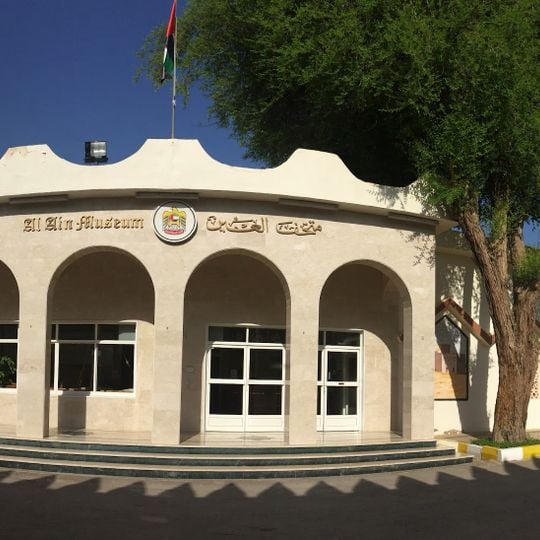
Al Ain National Museum, National museum at Central District, Al Ain, United Arab Emirates.
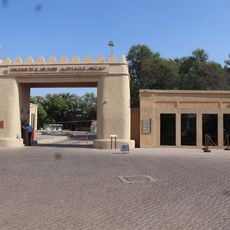
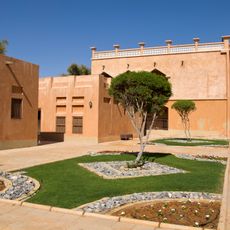
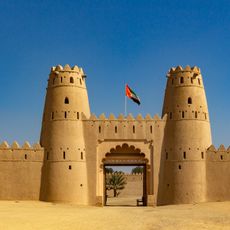
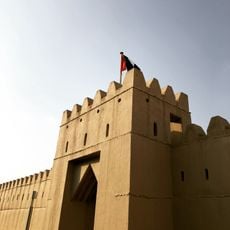
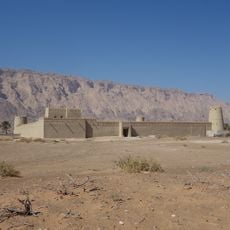
Al Ain National Museum occupies the early-20th-century Sultan Fort, also called the Eastern Fort, at the edge of Al Ain Oasis in the Al Murabba district. Its galleries run chronologically from the Paleolithic period through the Neolithic, Bronze Age and Iron Age to the late Islamic era, with a hall on aflaj and wells, a reconstructed archaeological tomb, a visible storage area and a temporary exhibition gallery.
The museum was established in 1969 as the first museum of the United Arab Emirates and housed in a historic fort. This founding marked an important step in preserving and presenting the region's heritage.
The ethnographic collection shows traditional jewelry, farming tools, and everyday objects from before oil discovery changed life in the Emirates. These items help visitors understand how people lived and worked in the region long ago.
The museum stands in the Al Murabba district at the edge of Al Ain Oasis, on Sheikh Zayed Street beside Sultan Fort, and shares the same complex as the fort. It reopened to the public in 2025 after closing for renovations in 2018, so check current opening arrangements before travelling. The galleries are laid out chronologically, from the Paleolithic period to the mid-20th century, with a visible storage area at the end.
The museum houses a moon rock given by NASA following the Apollo 17 mission. This unusual piece connects local history with the story of space exploration.
The community of curious travelers
AroundUs brings together thousands of curated places, local tips, and hidden gems, enriched daily by 93,520 contributors worldwide.