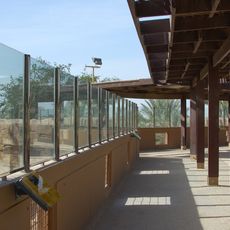
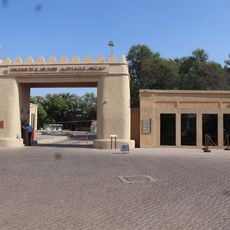
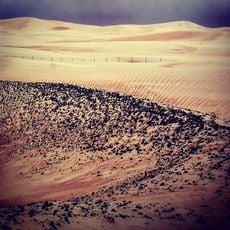
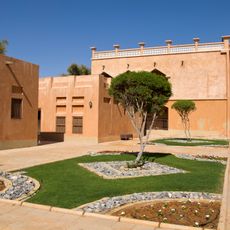
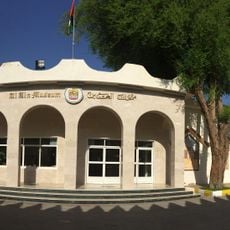
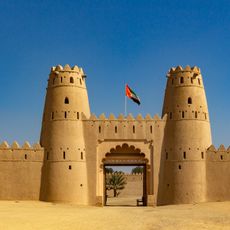
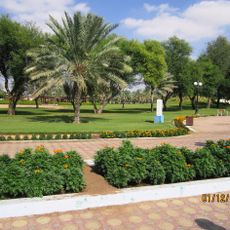
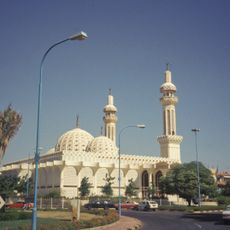
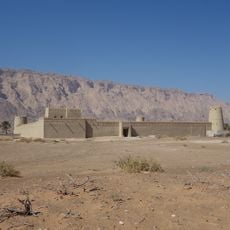
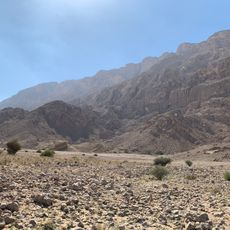
Cultural Sites of Al Ain, Cultural heritage site in Al Ain, United Arab Emirates.
The Cultural Sites of Al Ain consist of several archaeological areas including Hafit, Hili, Bidaa Bint Saud, and extensive oasis zones with thousands of date palms. These locations contain ancient settlements, tombs, and traditional irrigation networks that together show how people lived in this desert region long ago.
Human activity around Al Ain dates back to the 5th millennium BCE, when rock drawings of humans, oryx and gazelles were made. The Hafit period (c. 3100–2800 BCE), named after Hafit mountain, is dated by Jemdet Nasr pottery from Mesopotamia found in its cairn tombs. The Umm an-Nar culture followed (c. 2800–2000 BCE); the Hili tombs provided radiocarbon dates for it, and the region is thought to have belonged to the land of Magan.
The falaj irrigation system shows how people here managed water for centuries, bringing it to gardens and farms across the oases. You can still observe how these underground channels worked and how central they were to daily life in this region.
The sites are spread across the Al Ain area and it helps to allow time for exploring or to use local guides. The cooler months offer more pleasant conditions for visiting and examining the archaeological areas thoroughly.
The Hafit tombs are multi-chambered stone cairns built for several members of what appear to be the same family, a practice traced to local Omani traditions rather than to the single burials common in Iran. Grave goods found inside include Jemdet Nasr pottery from Mesopotamia, which fixed the tombs' date at roughly 3100–2800 BC.
The community of curious travelers
AroundUs brings together thousands of curated places, local tips, and hidden gems, enriched daily by 92,633 contributors worldwide.