Santiago province, Administrative province in central Chile.
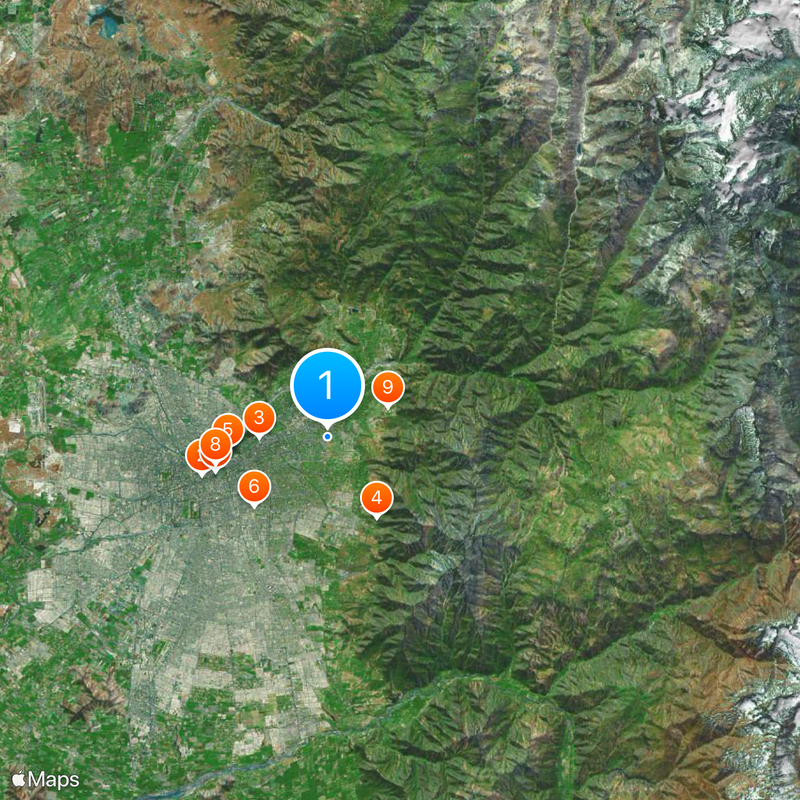
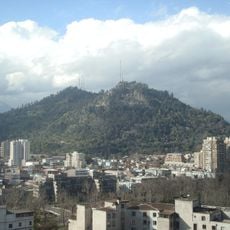
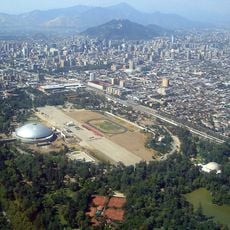
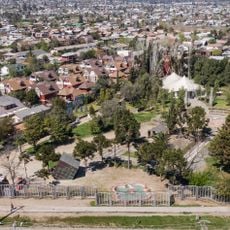
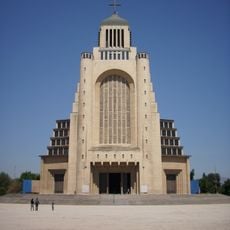
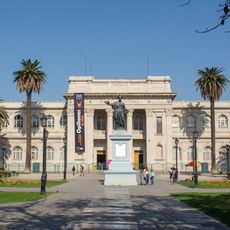
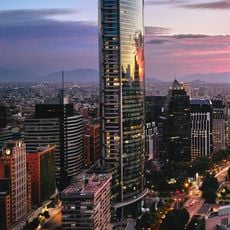
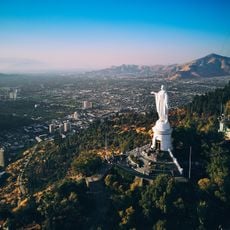
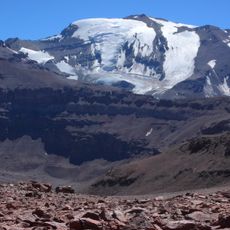
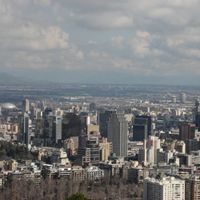
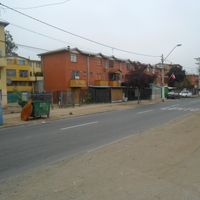
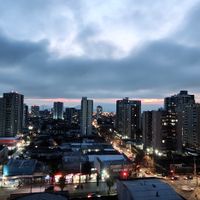
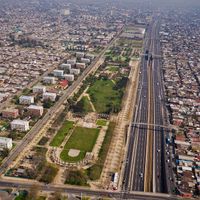
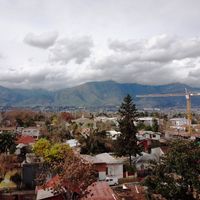
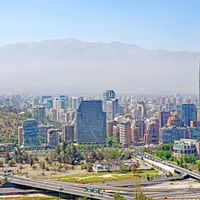
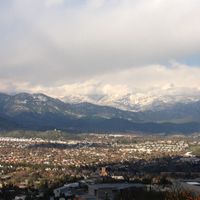
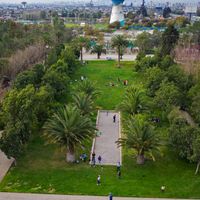
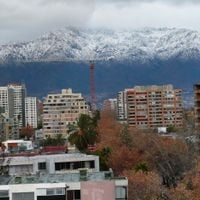
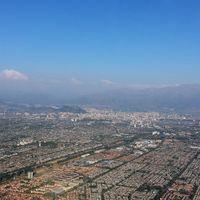
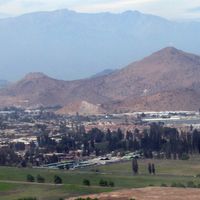
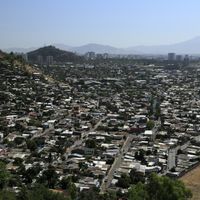
Santiago province consists of 32 communes spread across central terrain between the Andes Mountains and the Coastal Range. The area forms the nation's most populated urban zone, with a dense mix of residential neighborhoods, business districts, and green spaces.
The province was established in 1826 as a formal administrative unit following Chile's independence. It grew into a major center during the 19th century and eventually became the core of the modern capital region.
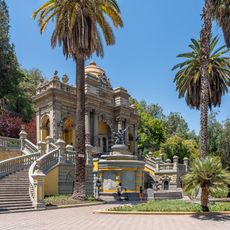
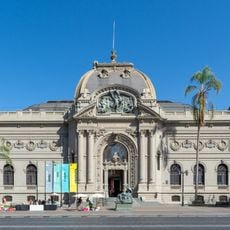
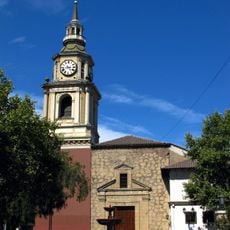
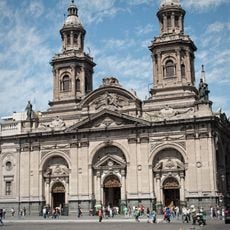
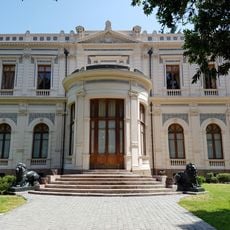
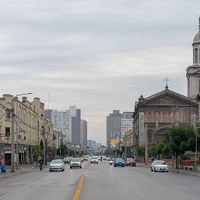
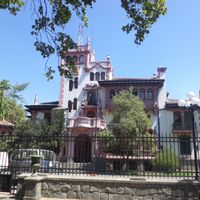
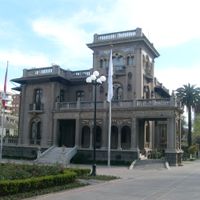
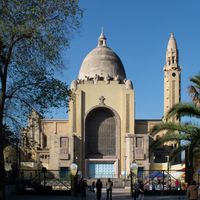
The name refers to Saint James, Spain's patron saint, a connection that shaped the region's identity from its founding. You can see this heritage reflected in the layout of central plazas and the architecture of older neighborhoods throughout the area.
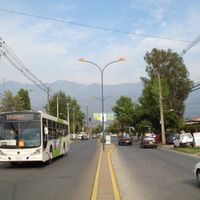
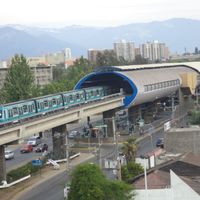
The area is well connected through major highways like Route 5 and Route 68, which link to other regions of the country. A comprehensive public transit network with multiple metro lines and buses makes it easy to navigate and explore different neighborhoods.
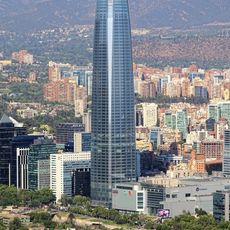
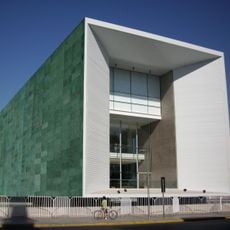
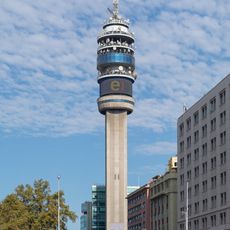
The province is Chile's economic heart, contributing significantly to the nation's wealth through industry, commerce, and services. This economic importance is visible daily in the business districts and the busy pace throughout the area.
The community of curious travelers
AroundUs brings together thousands of curated places, local tips, and hidden gems, enriched daily by 91,290 contributors worldwide.