Ilave River, Andean river in Puno Region, Peru
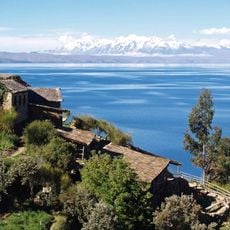
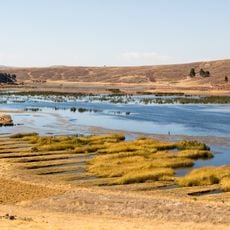
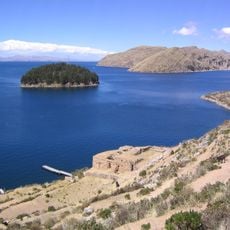
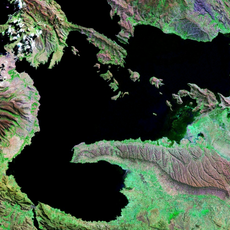
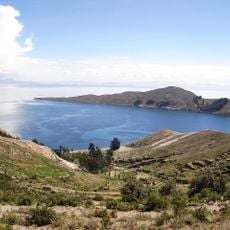
The Ilave River is a river in the Puno Region of Peru that crosses the Altiplano plateau at over 12,500 feet (3,800 meters) above sea level before emptying into Lake Titicaca. It flows through open grassland and rolling hills, forming a broad valley as it approaches the lake.
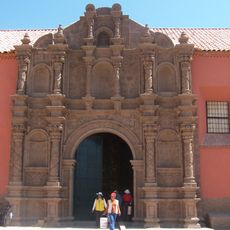
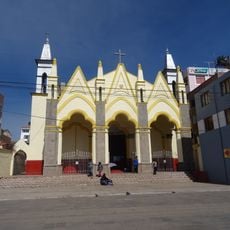
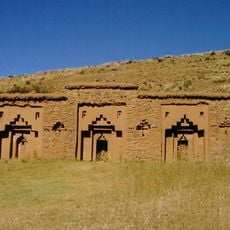
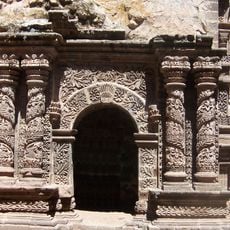
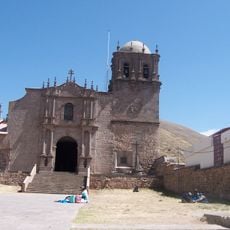
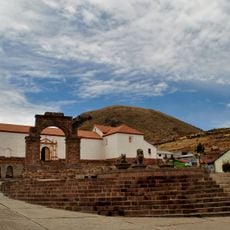
Aymara-speaking peoples lived along this river long before the Inca Empire expanded into the region, using the water to support farming and herding on the Altiplano. After Spanish colonization, the surrounding area was reorganized into colonial towns, several of which still stand today.
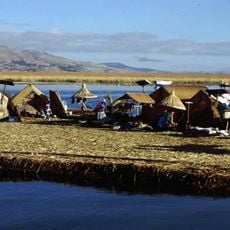
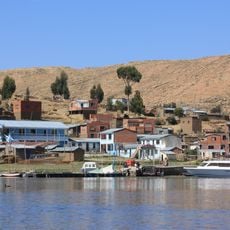
Aymara communities along the river use totora reed to build small fishing boats, a craft still practiced today and visible near the shores of Lake Titicaca. The river ties these communities to a way of life shaped by the water and the land around it.
Water levels rise during the rainy season, roughly from November to March, which can make the banks harder to reach and some crossings unreliable. Outside of that period, the river is generally more accessible and easier to explore on foot along the valley.
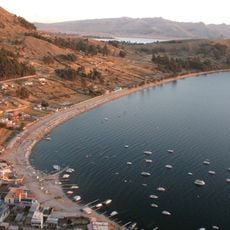
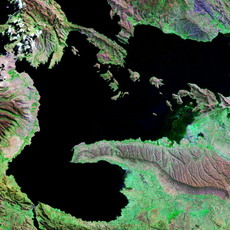
The Ilave is one of the few rivers that flows directly into Lake Titicaca and contributes a large share of the lake's total water input. This makes it one of the main feeders of the highest navigable lake in the world, a detail that is easy to miss when standing on its banks.
The community of curious travelers
AroundUs brings together thousands of curated places, local tips, and hidden gems, enriched daily by 91,863 contributors worldwide.