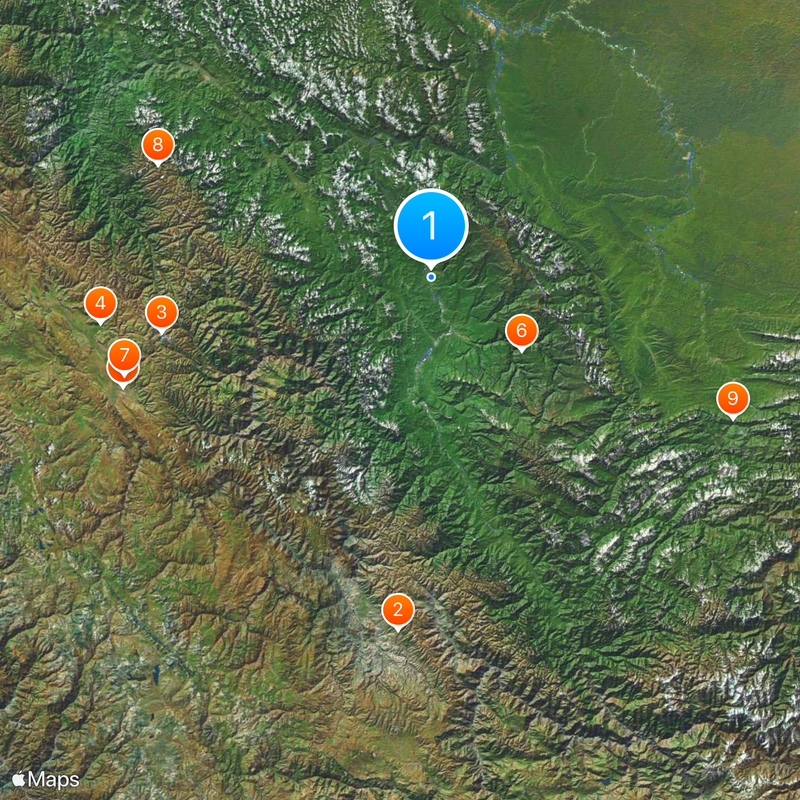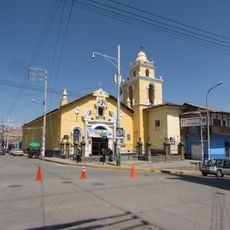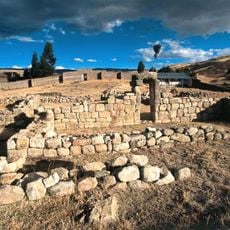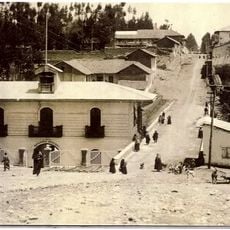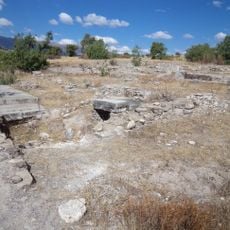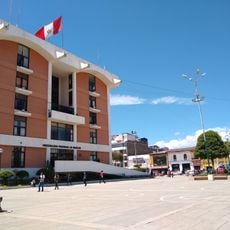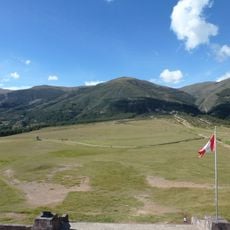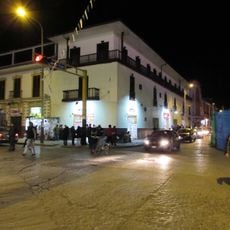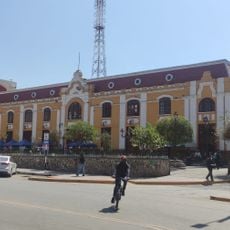
Valley of the Apurimac, Ene and Mantaro Rivers, Andean valley system in Ayacucho, Cusco, Huancavelica, and Junin, Peru.
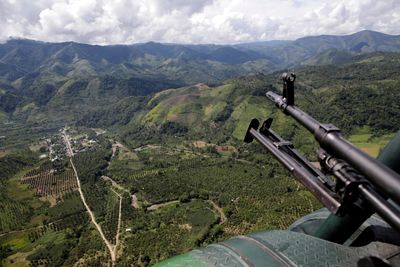
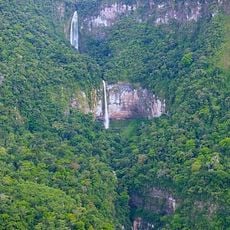
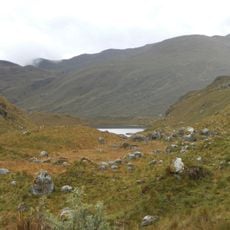
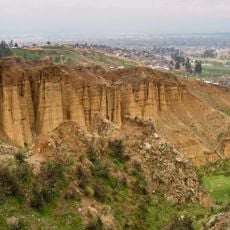
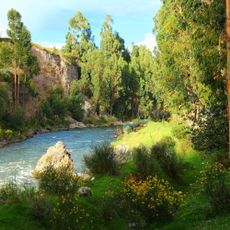
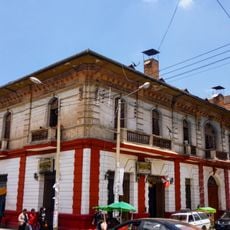
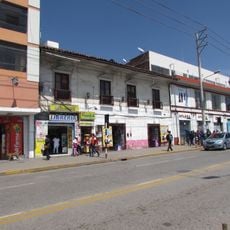
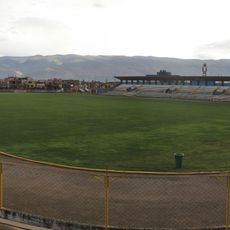
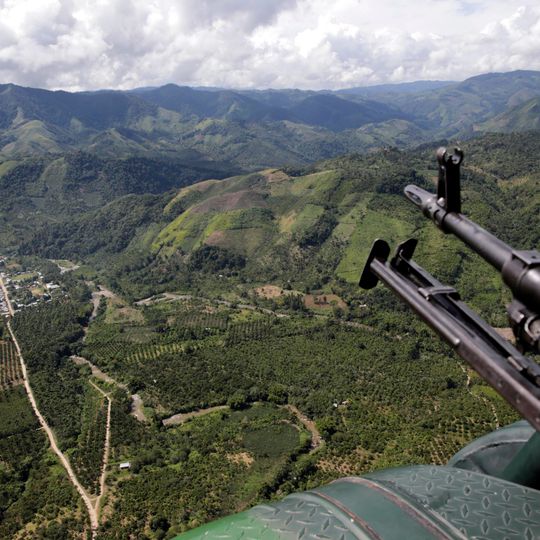
The valley system in Peru spans seven provinces and connects three major rivers, transitioning from high mountain peaks to lower subtropical zones with varied terrain. The landscape shifts between steep slopes, open valleys, and densely forested areas as you move through the region.
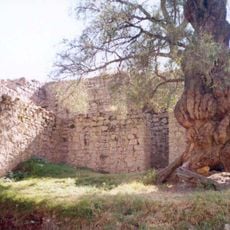
The valley developed as a significant settlement and cultivation zone during pre-Columbian times, with groups like the Chancas and later the Incas establishing control over different areas. Archaeological remains and terrace systems reflect centuries of organized occupation and resource management.
Communities across the valley practice farming methods rooted in centuries-old tradition, which visitors can observe in the small settlements dotting the landscape. Daily life in these areas revolves around agriculture and the rhythms of the seasons.
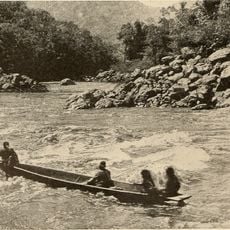
The region is connected through a network of roads and river crossings that link the seven provinces together. Travel between communities varies in ease depending on terrain and elevation, with some areas more accessible than others.
The region holds a significant concentration of coca leaf cultivation that shapes the local economy and landscape. This agricultural focus has deeply influenced daily life and settlement patterns across the valley communities.
The community of curious travelers
AroundUs brings together thousands of curated places, local tips, and hidden gems, enriched daily by 90,779 contributors worldwide.