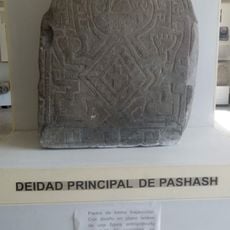
La Galgada, archaeological site in Pallasca Province, Peru
La Galgada is an archaeological site on the eastern bank of the Tablachaca River in the Ancash region of northern Peru. The location contains multiple levels of temple-tombs with circular buildings and interior fire pits within pyramid-shaped structures.
The site was first occupied around 3000 BCE by farming communities who built small ceremonial chambers apart from their houses. Radiocarbon dates place its main use between 2700 and 2000 BCE, with traces of occupation continuing into the Early Formative around 1800 BCE. Excavations in the late 1970s and early 1980s were led by Terence Grieder of the University of Texas.
The temple structures contain central fire pits where people made food offerings, and later chambers were converted into burial spaces holding textiles, jewelry, and ritual objects.
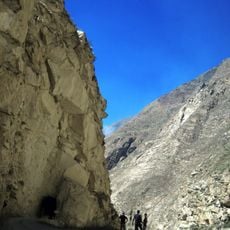
The site lies at 1,100 metres on the eastern bank of the Tablachaca River, about 2 kilometres south of the coal-mining town of La Galgada, near Tauca and Cabana in Pallasca Province. The ground is uneven and the mound is climbed by a broad staircase, so sturdy footwear helps. The opposite bank holds the older site of Pajillas.
The site shows unusually well-preserved evidence of fire rituals performed at the center of buildings, offering insight into early religious practices. These central hearths were the focus of daily ceremonies and food offerings.
The community of curious travelers
AroundUs brings together thousands of curated places, local tips, and hidden gems, enriched daily by 93,713 contributors worldwide.