Paraíba do Sul River, Major river system in southeastern Brazil
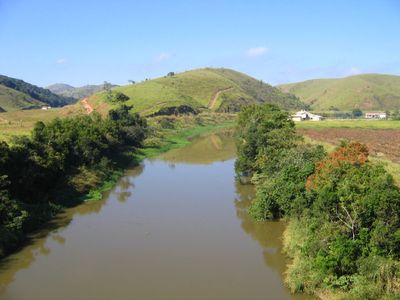
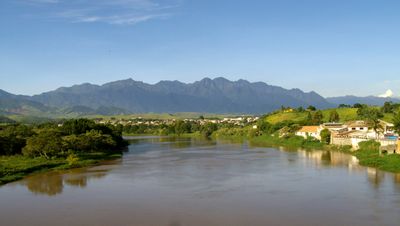
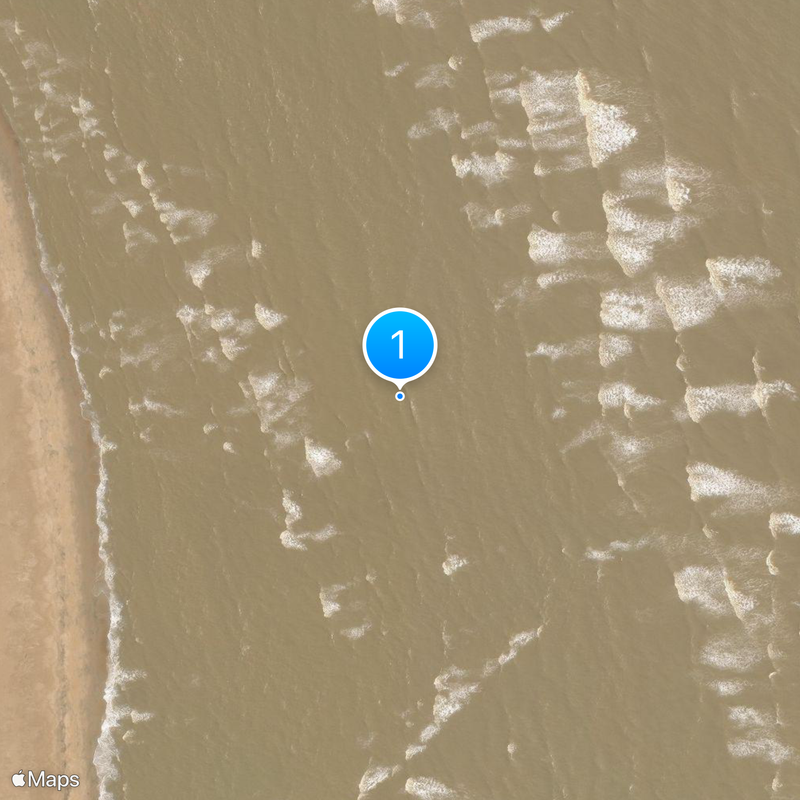
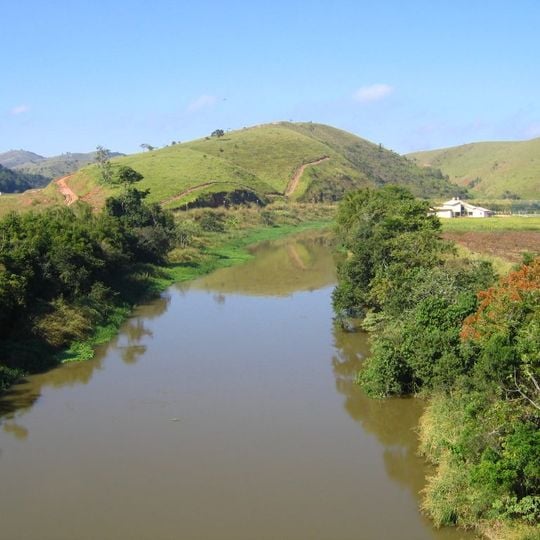
Paraíba do Sul is a river in southeastern Brazil that runs 1137 kilometers (about 706 miles) through three states, starting where the Paraibuna and Paraitinga rivers meet and ending at the Atlantic Ocean. Its basin crosses different landscapes, from forested mountains to urban valleys, and provides water to numerous cities and rural communities.
European settlements started along the banks in the 17th century, drawn by fertile land and transport routes. During the 20th century, the water powered industrial growth and helped cities like São José dos Campos, Taubaté, and Volta Redonda expand.
The name comes from Tupi words meaning 'evil river,' a reference to the strong currents and flooding that marked its character before modern dams. Fishermen along the banks still use traditional nets and boats, methods passed down through families for generations.
The river is accessible at many points via bridges or along its banks, though some sections offer calmer views than others. The best conditions for visiting are during drier months, when water levels are lower and visibility clearer.
More than one hundred native fish species live in these waters, and many of them exist nowhere else on Earth. This biological diversity makes the river system an important area for nature observers and scientists.
The community of curious travelers
AroundUs brings together thousands of curated places, local tips, and hidden gems, enriched daily by 90,747 contributors worldwide.