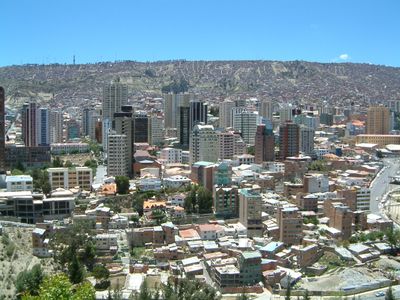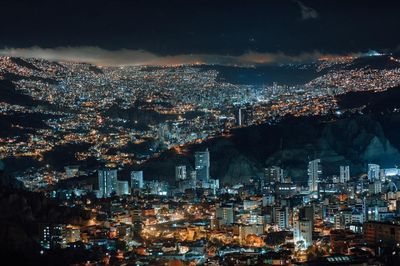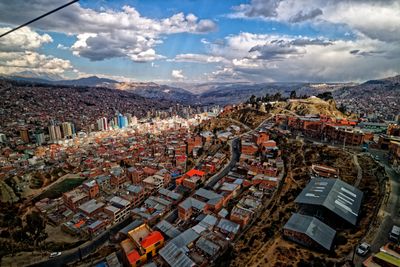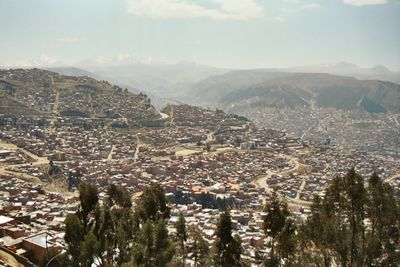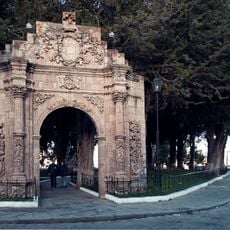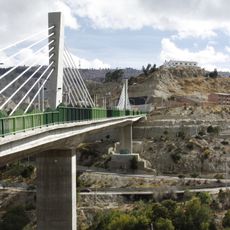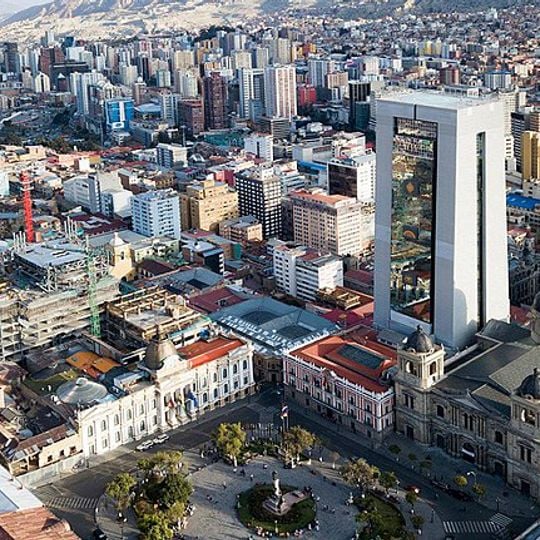
La Paz, Administrative division in La Paz, Bolivia
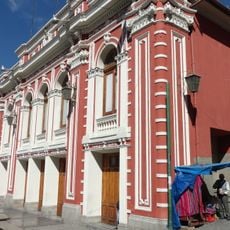
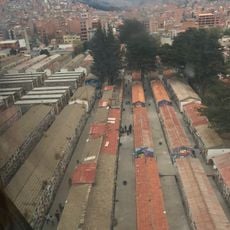
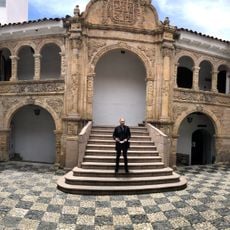
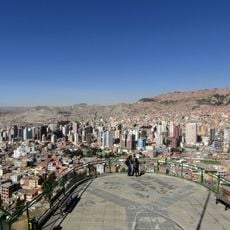
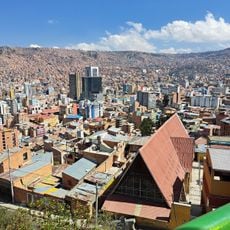
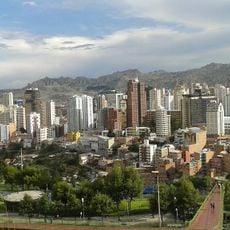
La Paz is an administrative division in western Bolivia that covers a large territory bordering Peru, Chile, and several other Bolivian departments. The terrain ranges from Andean highlands down to forested valleys, creating stark differences in landscape and climate.
The territory was officially created on January 23, 1826, after Bolivia gained independence through a decree that organized the new country. This decision structured the administration of the region and set boundaries that remain in place today.
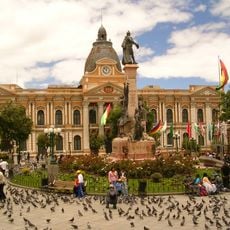
Indigenous communities follow customs that shape how people greet each other, prepare food, and organize gatherings in public squares. Festivals take place regularly, bringing together dancers, musicians, and street vendors who fill the roads with colors and rhythms anyone can join.
Travelers should prepare for changing weather and significant altitude shifts, as some areas sit high in the mountains while others are lower and more temperate. Road conditions vary between paved highways and unpaved tracks, especially in remote zones far from the main centers.
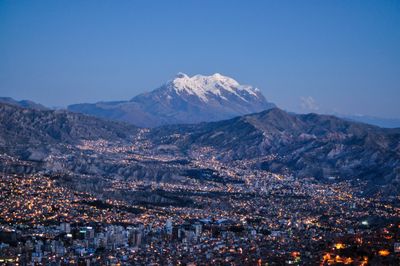
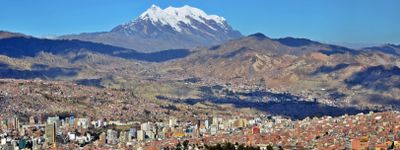
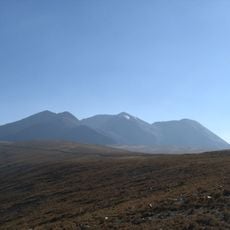
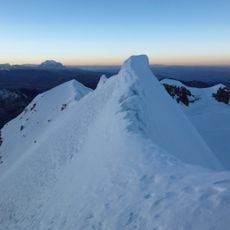
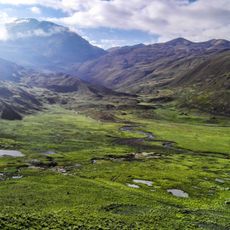
The altitude variation within this administrative territory ranks among the highest in the world, with peaks above 6000 meters (about 20,000 feet) and lowlands below 300 meters (around 1,000 feet). This range shapes everything from plant life to how communities live and work across different zones.
Location: La Paz Department
Inception: October 20, 1548
Founders: Alonso de Mendoza
Elevation above the sea: 3,640 m
Part of: Merco Cities Network
Address: La Paz, Bolivia
Website: http://lapaz.bo
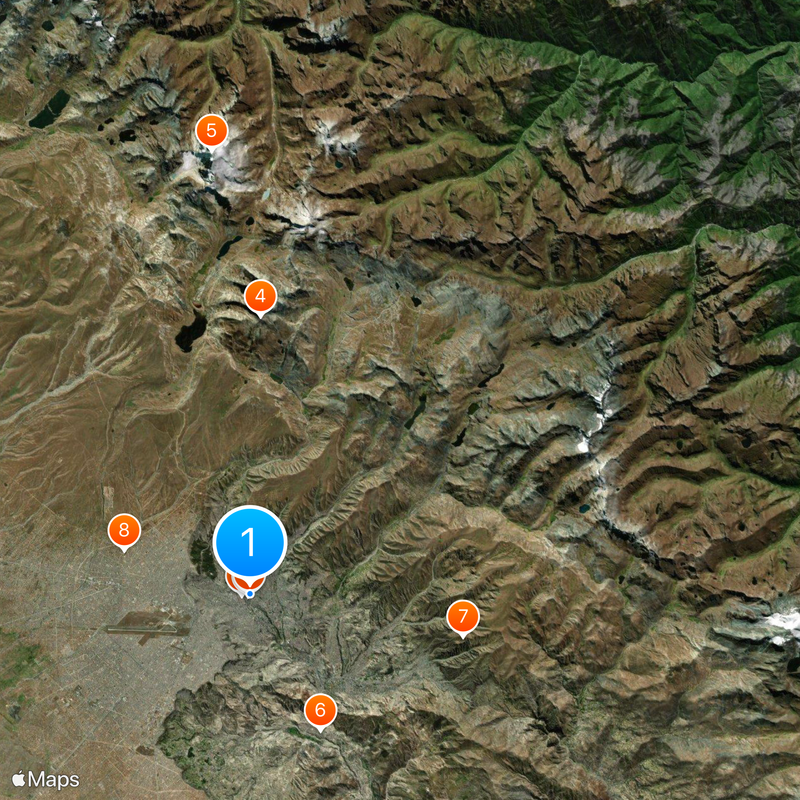
GPS coordinates: -16.49583,-68.13333
Latest update: December 2, 2025 23:03
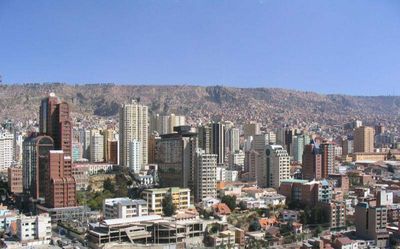
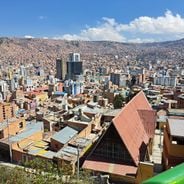
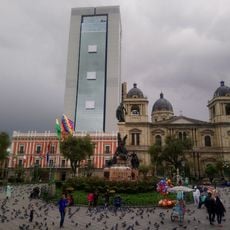
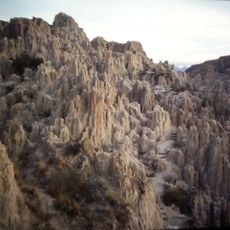
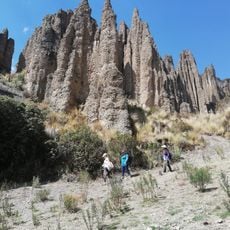
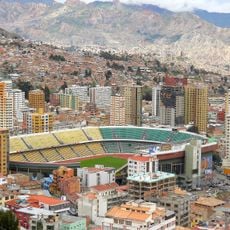
Bolivia sits in the central Andes, linking mountain ranges, high plateau lands, and lowland rainforests in a landlocked country. The changes in altitude create different climate zones and landscapes, from snow-covered peaks to tropical vegetation. Many visitors start in La Paz, a city that clings to a canyon and where a cable car system moves traffic between neighborhoods. The colonial capital of Sucre preserves its white facades and courtyards from the 1600s, while Potosí sits at the foot of Cerro Rico, a mountain that saw centuries of silver mining. The natural sites range from Lake Titicaca on the Peruvian border to the Salar de Uyuni, an expansive salt flat that turns into a shallow mirror during the rainy season. Madidi National Park protects rainforest in the north, while the Eduardo Avaroa Reserve in the south shows colored lagoons and desert formations. The Tiwanaku archaeological site holds evidence of pre-Columbian civilizations, and the Jesuit Missions of Chiquitos are wooden churches that survive in remote towns. The Valley of the Moon near La Paz forms eroded rocks that resemble lunar landscapes, and Torotoro National Park contains fossils and dinosaur tracks. The journey from La Paz to Coroico passes along the Death Road, a narrow mountain route that descends into the Yungas lowlands.
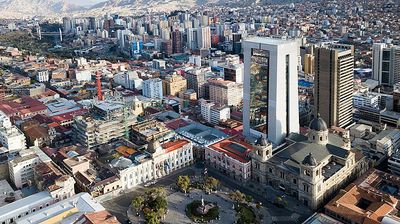
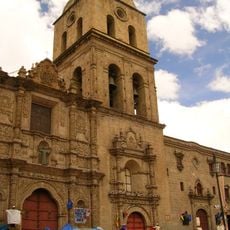
Basilica of San Francisco, La Paz, Bolivia
430 m
Casa Grande del Pueblo
110 m
Chacaltaya
16.3 km
Huayna Potosí
26.1 km
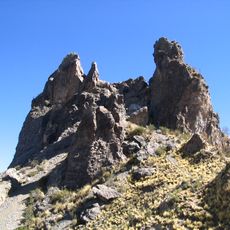
Valle de la Luna
9 km
Patrimonio natural paisajístico Las Ánimas
12.7 km
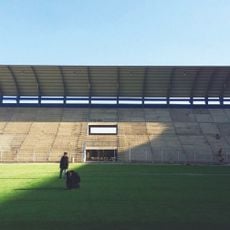
Estadio Municipal de El Alto
7.7 km
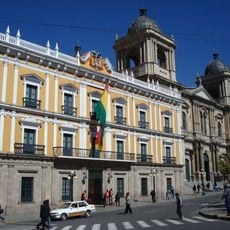
Palacio Quemado
30 m
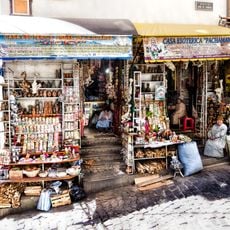
The Witches' Market
1.7 km
Muela del Diablo
11 km
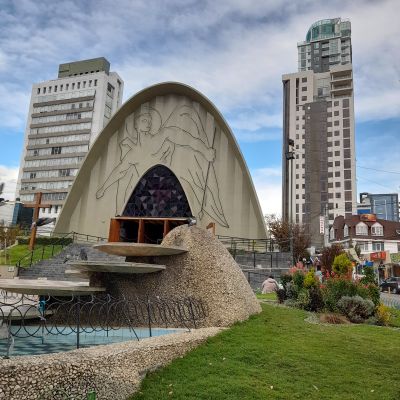
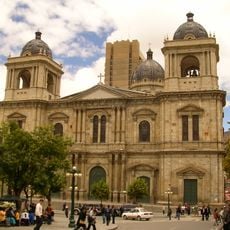
Cathedral Basilica of Our Lady of Peace, La Paz
97 m
Cotapata National Park and Integrated Management Natural Area
39.8 km
Teatro Municipal de La Paz
289 m
Torres del Poeta
1.8 km
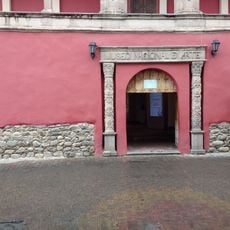
Museo Nacional de Arte (Bolivia)
117 m
National Museum of Ethnography and Folklore
252 m
Mirador Killi Killi
634 m
Mirador Killi Killi
638 m
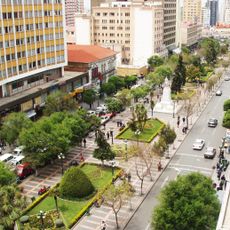
Paseo del Prado (La Paz)
915 m
El Montículo
2.1 km
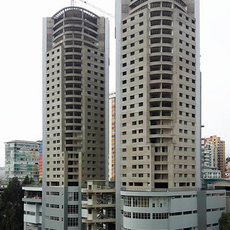
Torre Girasoles
2.1 km
The Triplets bridges
2.7 km
Monoblock Building
1.1 km
Iglesia de San Pedro
825 m
Templo Santo Domingo
188 m
Museo Costumbrista Juan de Vargas
507 m
Iglesia San Miguel
7.7 km
Mururata
33.8 kmReviews
Visited this place? Tap the stars to rate it and share your experience / photos with the community! Try now! You can cancel it anytime.
Discover hidden gems everywhere you go!
From secret cafés to breathtaking viewpoints, skip the crowded tourist spots and find places that match your style. Our app makes it easy with voice search, smart filtering, route optimization, and insider tips from travelers worldwide. Download now for the complete mobile experience.
A unique approach to discovering new places❞
— Le Figaro
All the places worth exploring❞
— France Info
A tailor-made excursion in just a few clicks❞
— 20 Minutes