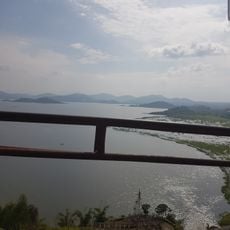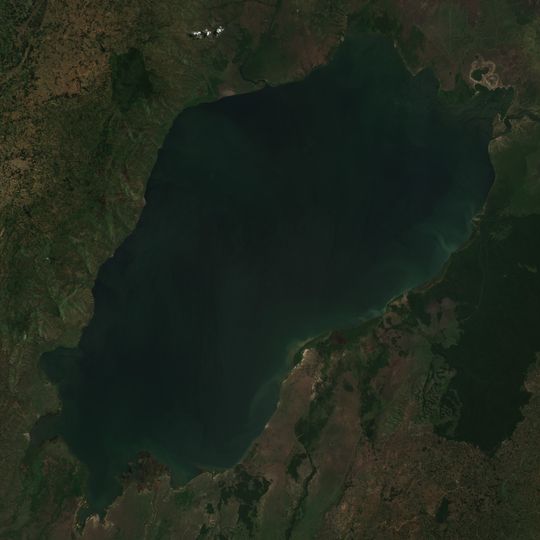
Lake Edward, lake in Uganda and smallest of the African Great Lakes
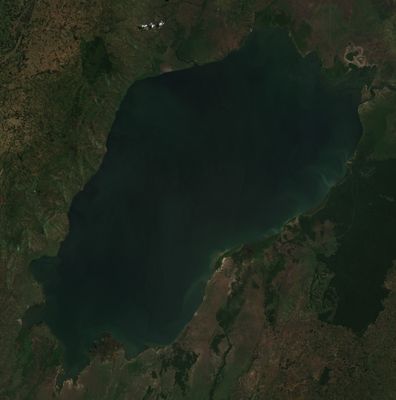
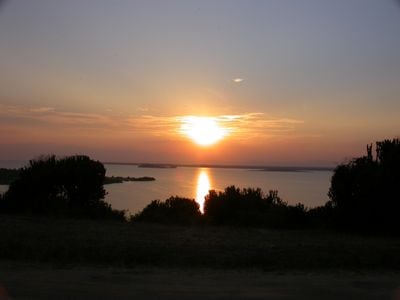
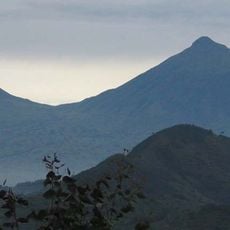
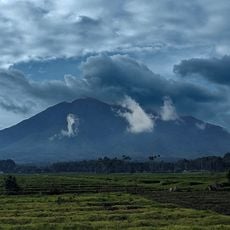
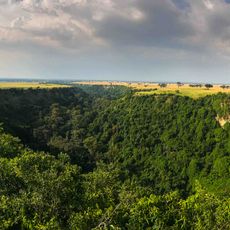
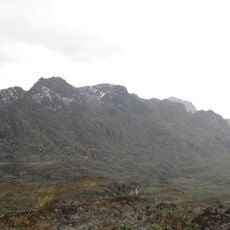
Lake Edward sits on the Albertine Rift between Uganda and the Democratic Republic of Congo, stretching about 124 kilometers long and 64 kilometers wide. The water reaches depths over 34 meters (112 feet) and is fed by several rivers including the Rutshuru and Semliki, while the western shore is dominated by the snow-capped Rwenzori Mountains.
The lake formed about 12 million years ago when tectonic movements created deep cracks in the earth that filled with water. European explorer Henry Morton Stanley discovered the area in 1888 and named it after British Prince Edward, though it was briefly called by another name during a later period.
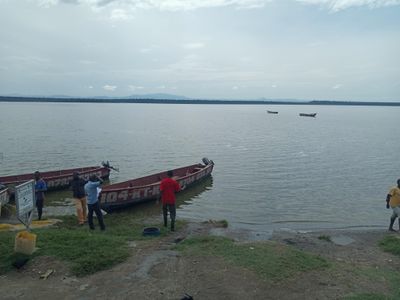
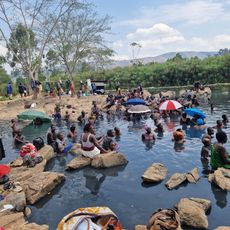
The lake was named after Prince Edward, son of Queen Victoria, when an explorer named it in 1888. Local communities depend on its waters daily for fishing, washing, and drinking, making it central to their way of life and traditions.
The lake is best reached from the nearby towns of Kasese in Uganda or Butembo in the Democratic Republic of Congo, with Kasese about 80 kilometers away. Access comes through local villages like Ishango and Vitshumbi, where residents have boats and can offer guidance for visits.
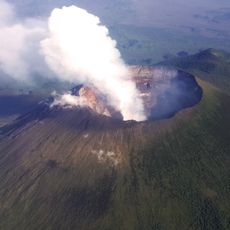
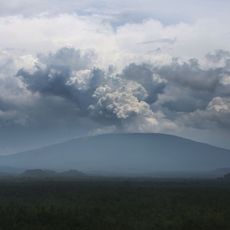
The lake was shaped partly by volcanic activity, and small crater lakes near the Katwe-Kikorongo area remind visitors of prehistoric eruptions. The waters are connected to nearby Lake George through the Kazinga Channel, a rare natural link between two large bodies of water.
The community of curious travelers
AroundUs brings together thousands of curated places, local tips, and hidden gems, enriched daily by 92,711 contributors worldwide.