Lake Victoria, Freshwater lake in Tanzania, Uganda and Kenya
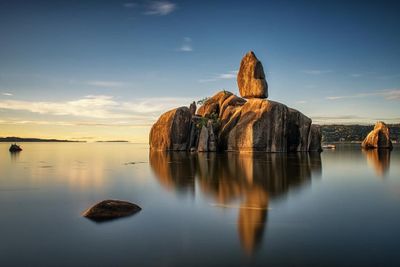
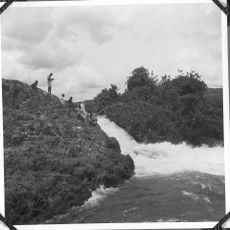
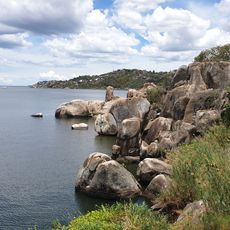
Lake Victoria is a shallow lake filling a depression between the two arms of the East African Rift, with an average depth of 40 m and a maximum of about 80 m. Its shoreline runs 7,142 km, cut by inlets and peninsulas, and its water comes mostly from direct rainfall. The lake is divided among Tanzania (49%), Uganda (45%) and Kenya (6%).
Tectonic movements shaped this depression around 400,000 years ago when a natural barrier formed across older river systems. Europeans reached the waters in the mid-19th century and named it after the British queen.
The lake carries several local names: Swahili Ziwa Nyanza, Dholuo Nam Lolwe, Luganda Nnalubaale and Kinyarwanda Nyanza. In the 1960s the three riparian states discussed a single shared Swahili name, with Umoja (unity) among the proposals, but no decision was taken. On the southern and western shores the Haya people cultivated coffee long before Europeans arrived.
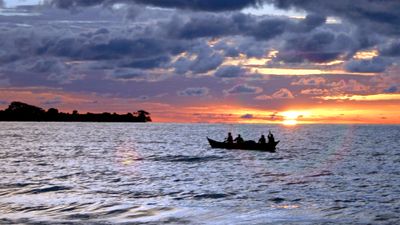
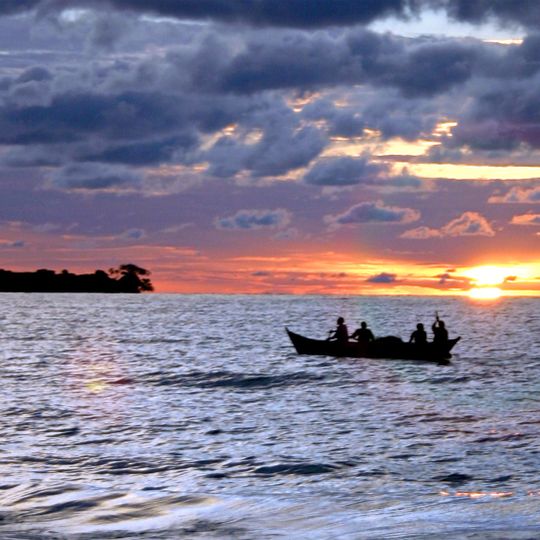
Small ports line the shore and serve as hubs for ferries and fishing boats traveling between countries. The water is calmer in the morning, and visitors can arrange boat tours along the coast or watch fishermen at work.
The water holds more than 500 fish species, including many cichlids that evolved into different forms over thousands of years. Visitors can see a variety of these species at markets where they are brought in fresh daily.
The community of curious travelers
AroundUs brings together thousands of curated places, local tips, and hidden gems, enriched daily by 92,310 contributors worldwide.