Gulf of California, Pacific marginal sea in western Mexico
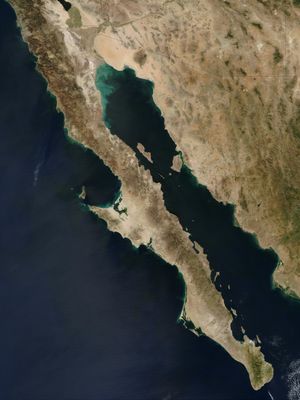
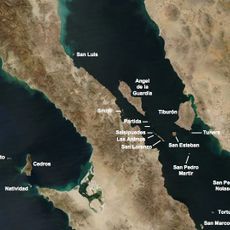
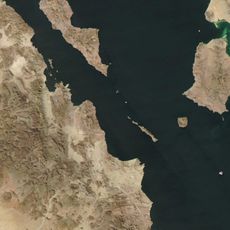
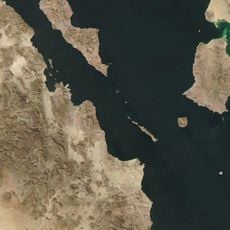
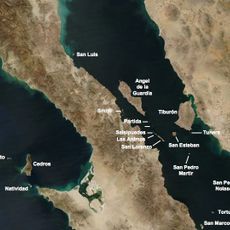
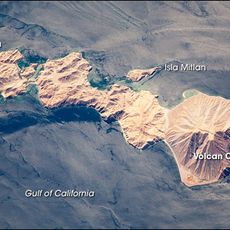
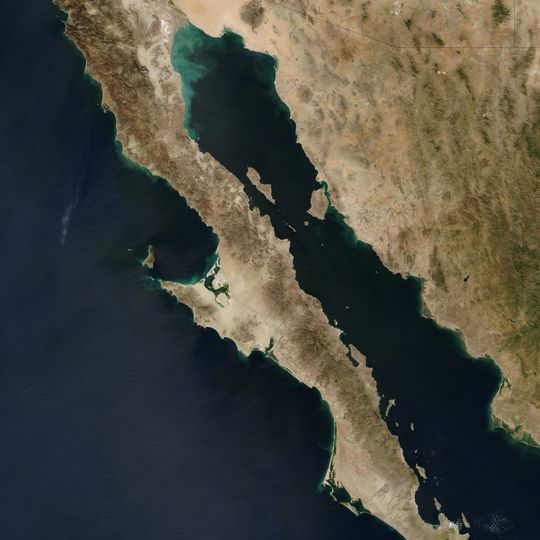
The Gulf of California is a narrow body of water separating the Baja California Peninsula from mainland Mexico, stretching over 1100 kilometers from north to south. Its waters reach depths of up to 3000 meters in some areas and host a variety of marine life thriving in its warm and nutrient-rich currents.
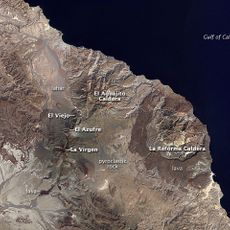
Spanish explorers reached these waters in the early 16th century and later named them after the surrounding land. The geological formation of the gulf began around five million years ago when tectonic forces separated the peninsula from the mainland.
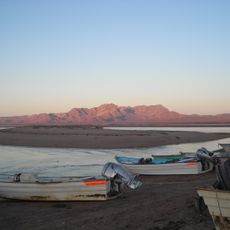
Coastal residents rely on fishing and shellfish gathering as their main source of livelihood, following practices passed down through generations. Many communities continue to apply traditional knowledge about tides, currents, and seasonal movements of marine life.
The best time to visit is between December and April when water temperatures are comfortable and underwater visibility remains clear. Most coastal towns are accessible by paved roads, while more remote bays often require boat access.
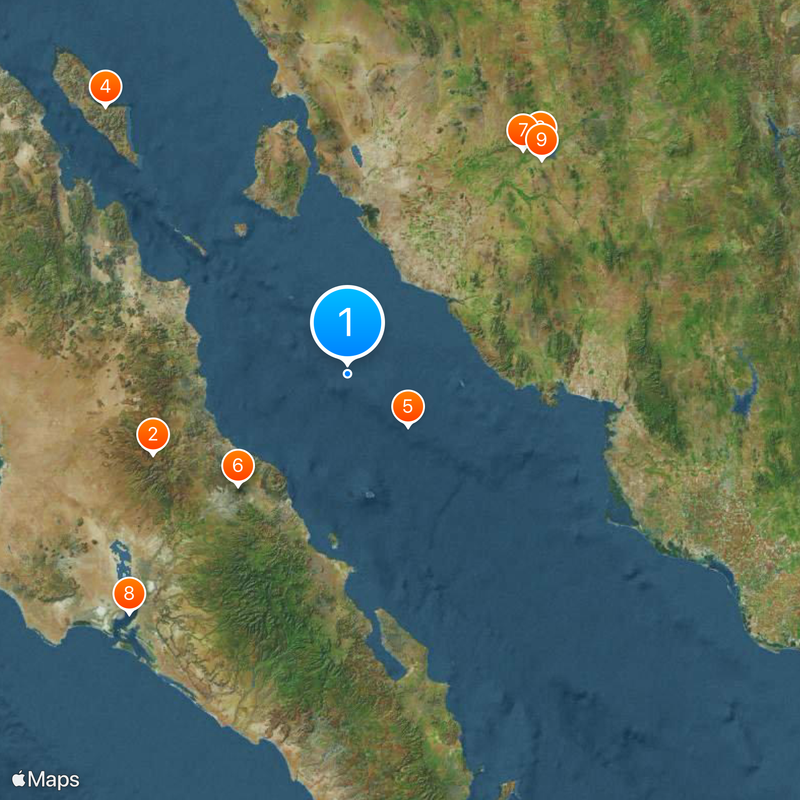
More than 240 islands lie scattered across its waters, providing nesting grounds for seabirds and resting areas for migrating marine mammals. Gray whales travel through this gulf during their annual migration from Alaska to the warm lagoons of Baja California.
The community of curious travelers
AroundUs brings together thousands of curated places, local tips, and hidden gems, enriched daily by 91,524 contributors worldwide.