Chicxulub crater, Impact crater in Yucatan Peninsula, Mexico
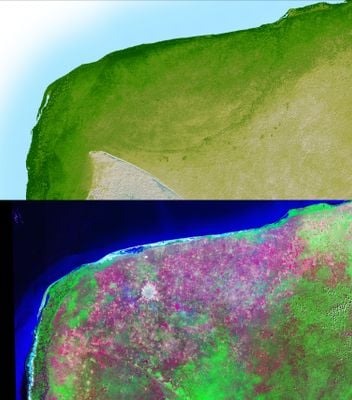
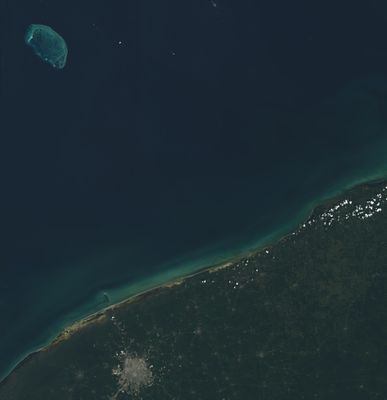
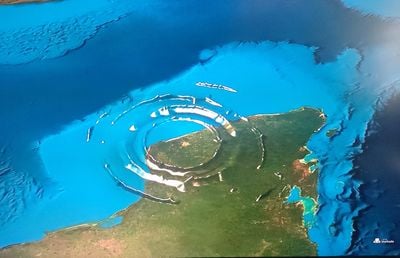
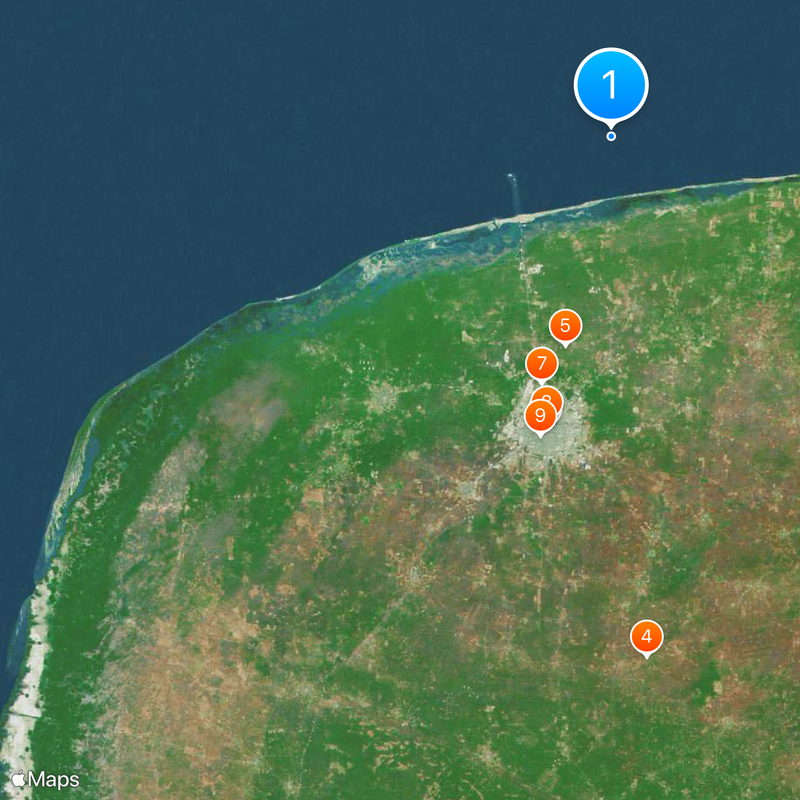
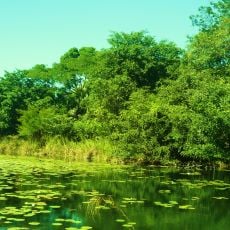
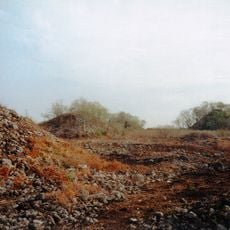
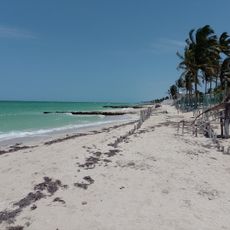
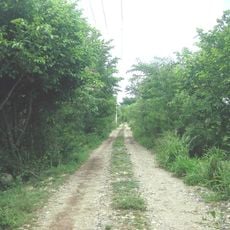
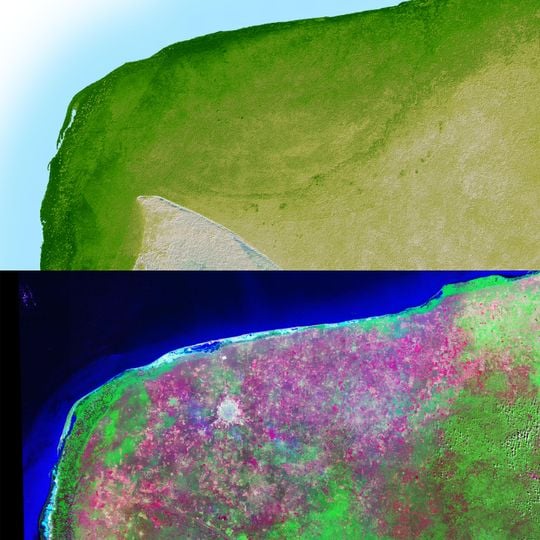
The Chicxulub crater stretches 200 kilometers across and reaches one kilometer deep beneath the limestone layers of the Yucatan Peninsula. Most of the structure lies underwater in the Gulf of Mexico and hidden beneath dense jungle cover.
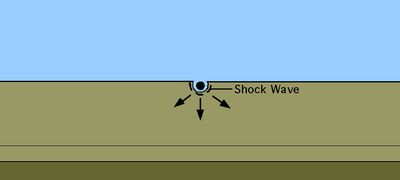
An asteroid struck this location 66 million years ago, triggering global climate changes that wiped out the non-avian dinosaurs and many other species. Scientists only discovered the crater in the 1990s through geophysical surveys and core samples.
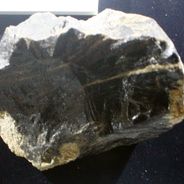
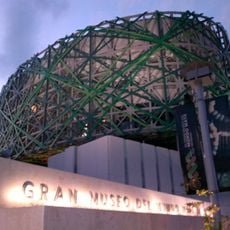
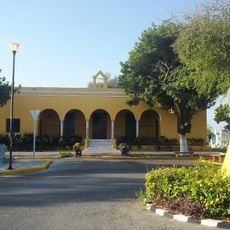
The Museum of Science of the Chicxulub Crater displays geological samples and explains how the asteroid changed Earth's surface. Guided tours and exhibits help visitors understand the event's long-term effects on the planet.
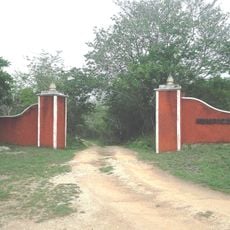
The site itself is not accessible to the public because the formation lies beneath the seafloor and vegetation. Visitors can explore the local museum, which displays core samples and information panels about the geological significance of the impact.
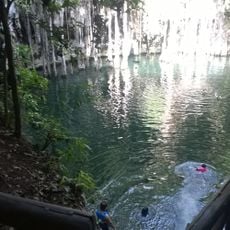
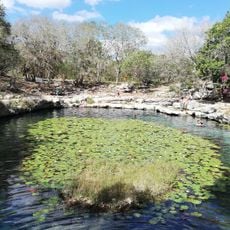
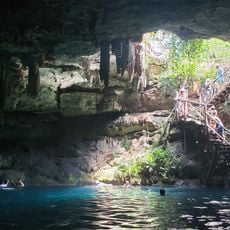
The rim of the crater contains a network of water-filled sinkholes known as cenotes, which formed because the impact weakened the limestone structure. These freshwater pools follow the outline of the buried formation and create a natural circle around the epicenter.
The community of curious travelers
AroundUs brings together thousands of curated places, local tips, and hidden gems, enriched daily by 91,705 contributors worldwide.