Honey Lake, Wetland lake in northeastern California, United States
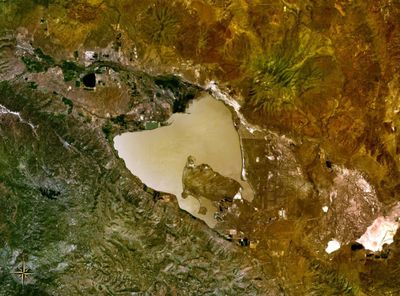
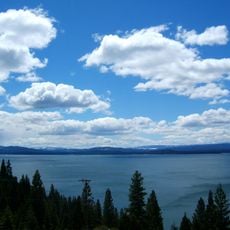
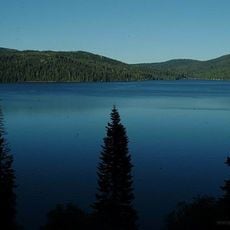
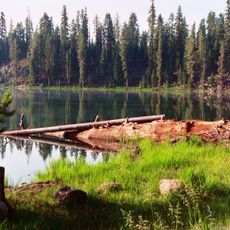
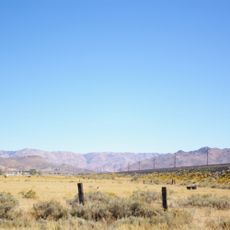
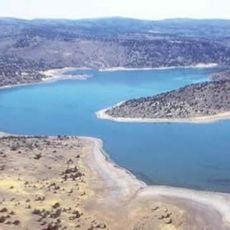
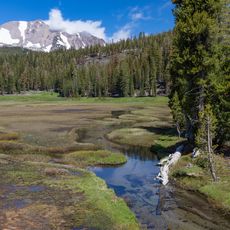
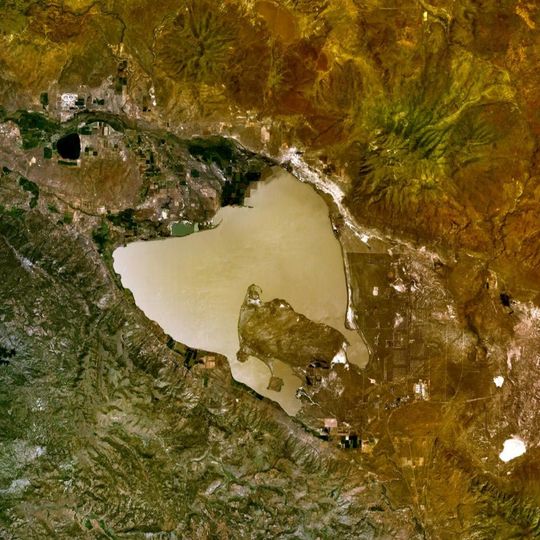
Honey Lake is a shallow body of water located in the high desert region of northeastern California. Water levels rise and fall throughout the year depending on rainfall and how much water evaporates.
During the Pleistocene, Honey Lake and its whole valley lay within Lake Lahontan, whose water stood at 1,332 m, about 115 m above Honey Lake's 1984 level. Lahontan reached it through Astor Pass, north of the Virginia Mountains, into Pyramid Lake, and through Sand Pass into the Smoke Creek Desert arm; both passes sit near 1,224 m. Toward the end of the Civil War the California Volunteer Cavalry rode the Camp Bidwell route through Honey Lake and Surprise Valley to guard silver shipments from Idaho's Owyhee district. The lake later served as a bombing test range before World War II and for ordnance demolition into the mid-1950s; the Sierra Army Depot was installed directly east of it in 1942.
The lake's name comes from honeydew, the sticky sweet substance produced by the abundant aphids living in the area, which early observers linked to the site. The Honey Lake Wildlife Area, designated in 1953, was first acquired to provide nesting and brood-rearing habitat for resident waterfowl, a purpose it still serves. The state issued text-only season-long waterfowl hunting permit stamps for the area from the 1956–57 season through 1985–86, and these stamps appear in catalogs such as the Scott Specialized Catalog of United States Stamps & Covers.
Honey Lake lies in Honey Lake Valley, with Susanville the nearest town; the Susan River feeds it at the north shore, where the Honey Lake Wildlife Area covers 7,667 acres. The lake dries almost completely in most years, so the waterline shifts and an alkali flat appears; plan around seasonal conditions. Warm-water fishing and waterfowl hunting require permits.
The name comes from honeydew, a sticky liquid produced by aphids that once covered the plants around the lake in massive numbers. Early settlers noticed this unusual natural phenomenon and named the place accordingly.
The community of curious travelers
AroundUs brings together thousands of curated places, local tips, and hidden gems, enriched daily by 94,502 contributors worldwide.