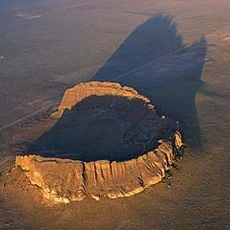
Summer Lake, Alkali lake in Lake County, Oregon, US
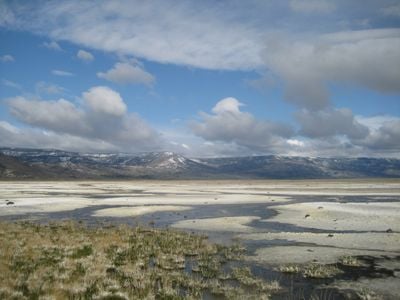
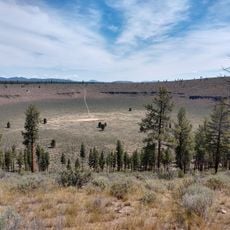
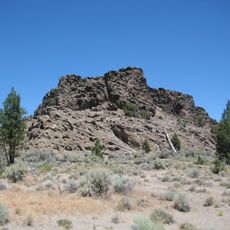
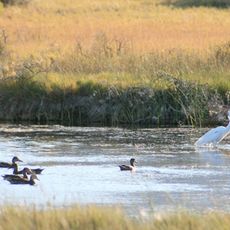
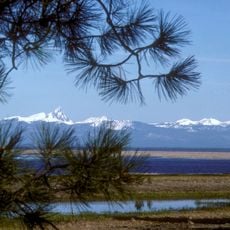
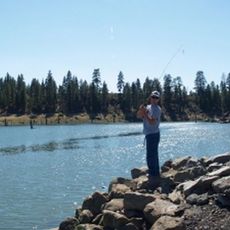
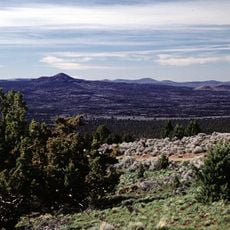
Summer Lake is a shallow alkaline body of water located in Lake County in eastern Oregon. It spans several kilometers and is surrounded by wetland and grassland areas that support diverse waterfowl and wildlife populations.
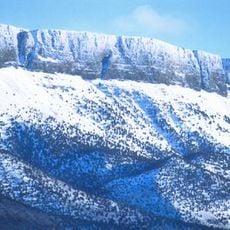
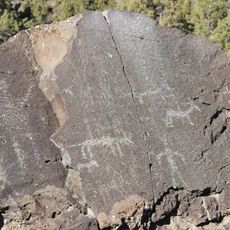
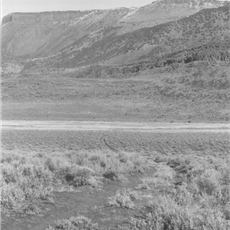
Summer Lake is a remnant of Pleistocene Lake Chewaucan, which covered 461 square miles to a depth of 375 feet; the last high water is dated to about 13,000 years ago. Archaeological evidence shows human use of the basin from the 9th millennium BC. On 16 December 1843 John C. Frémont's expedition climbed down from the snow-covered plateau he called Winter Ridge and named the lake below Summer Lake.
The lake's name comes from John C. Frémont, who in December 1843 named the temperate water "Summer Lake" while his party stood on snow-covered "Winter Ridge" above it. The Summer Lake Wildlife Area on the north shore, fed by the Ana River, has an 8.3-mile tour route open most of the year.
Summer Lake lies along Oregon Route 31, with the wildlife area headquarters on the north side of the lake, directly across from the Summer Lake Lodge. The refuge's 8.3-mile tour route is open to the public most of the year. Water levels vary greatly, and the lake can be nearly dry in summer.
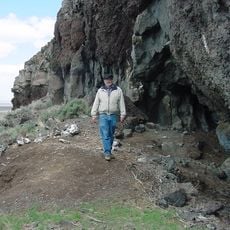
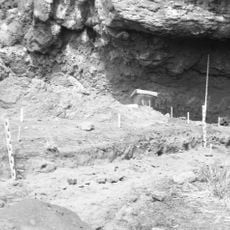
Nearby Paisley Caves contain archaeological evidence of human habitation dating back more than 13,000 years. These caves represent some of the oldest known human settlements in North America.
The community of curious travelers
AroundUs brings together thousands of curated places, local tips, and hidden gems, enriched daily by 93,379 contributors worldwide.