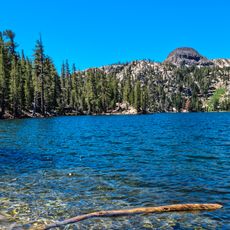
Carson-Iceberg Wilderness, Nature reserve in Mono County, California
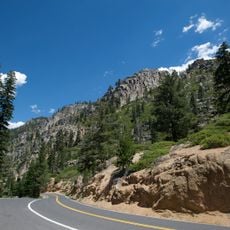
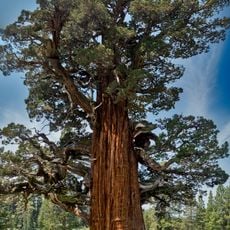
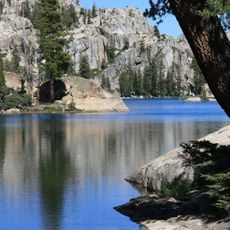
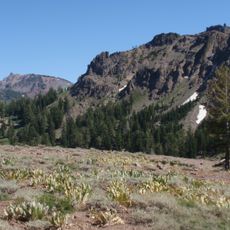
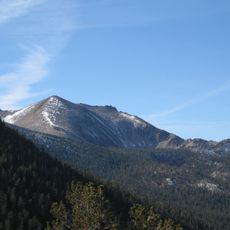
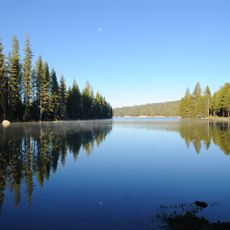
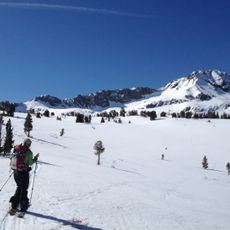
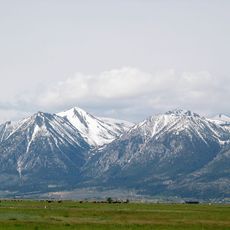
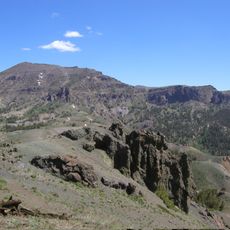
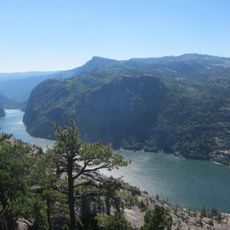
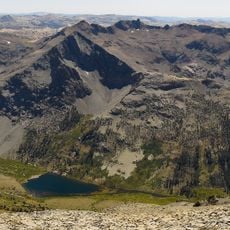
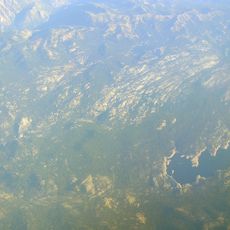
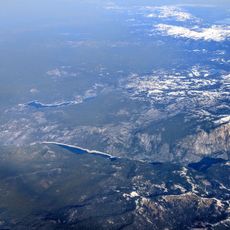
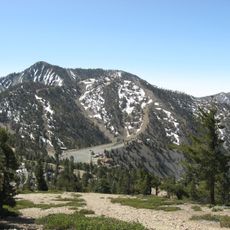
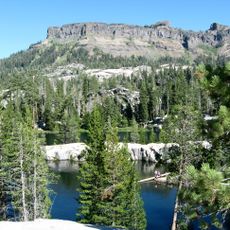
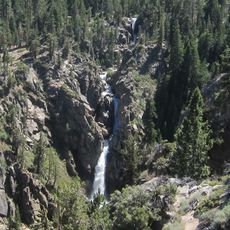
Carson-Iceberg Wilderness is a nature reserve in the Sierra Nevada featuring volcanic peaks, deep river canyons, and varied plant communities across its landscape. The terrain includes steep mountainsides, alpine lakes, and stream systems that wind through the range.
The California Wilderness Act of 1984 designated 160,000 acres as the Carson–Iceberg Wilderness, managed by the US Forest Service within the Stanislaus and Humboldt–Toiyabe national forests. Long before protection, Jedediah Smith crossed the Sierra Nevada near Ebbetts Pass in 1827, and the Bartleson–Bidwell party passed near Sonora Pass in 1841.
The name Carson–Iceberg combines the Carson River, named for scout Kit Carson, with "The Iceberg", a granite formation on the southern boundary near Clark Fork Road. The Paiute cutthroat trout of Silver King Creek, the only native population of its kind, is the subject of a US Fish and Wildlife Service recovery plan that removes nonnative fish and protects habitat.
Overnight permits are required between May and October, with groups limited to 15 people and 25 pack animals. Visitors should check current conditions and weather patterns before arriving, as high elevation creates rapidly changing conditions.
The wilderness protects a rare population of Paiute cutthroat trout in Silver King Creek, representing one of California's most specialized aquatic habitats. This small fish species exists almost nowhere else and depends entirely on the ice-cold waters of this specific stream.
The community of curious travelers
AroundUs brings together thousands of curated places, local tips, and hidden gems, enriched daily by 93,489 contributors worldwide.