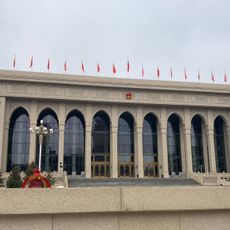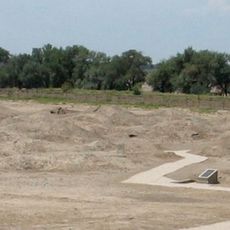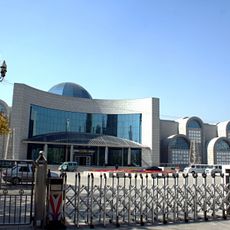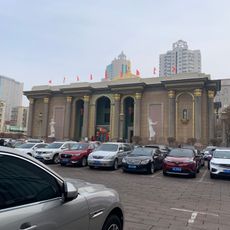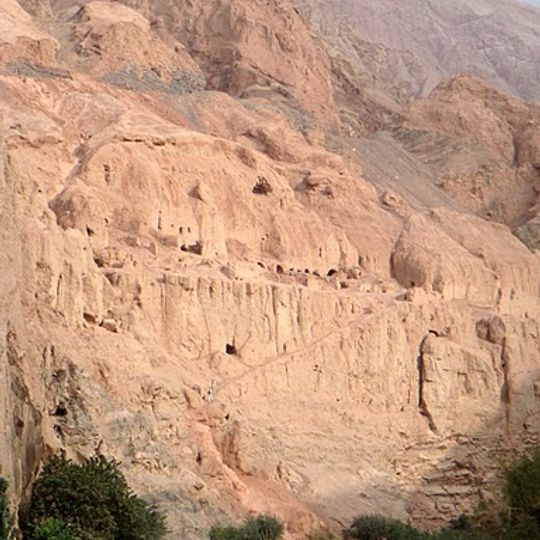
Toyuq, Buddhist cave temples in Xinjiang, China
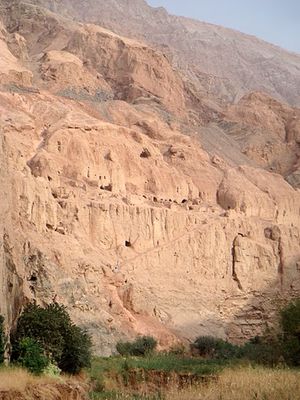
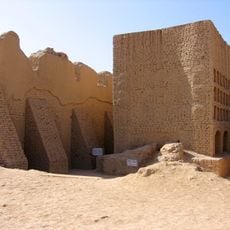
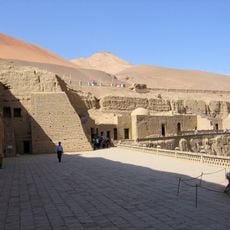
Toyuq consists of cave chambers carved into rock that house Buddhist artworks and wall paintings spread across multiple levels. The rooms are linked by stone corridors and display carefully crafted surfaces on walls and ceilings.
The site was carved into rock starting in the third century and developed over centuries as an important center for Buddhist pilgrims. It is older than other well-known cave temples in the region and was expanded repeatedly over a long period.
The caves display depictions of meditation practices and Buddhist teachings that visitors can still see in the murals today. These visual instructions were meant for pilgrims who came to the site to study spiritual paths.
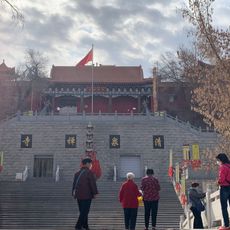
The site sits in a valley and is easiest to explore on foot starting from the lower area, with steep paths leading to the upper caves. Visitors should wear sturdy shoes and allow enough time to move through the different levels.
The caves contain some of the oldest known visual depictions of important Buddhist texts and religious concepts. These early illustrations show how artists of that time tried to express complex spiritual ideas in pictorial form.
The community of curious travelers
AroundUs brings together thousands of curated places, local tips, and hidden gems, enriched daily by 91,647 contributors worldwide.