Hanford Reach National Monument, National Monument in Benton County, United States.
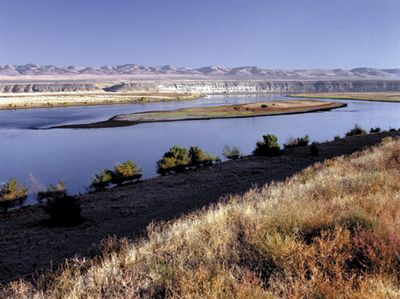
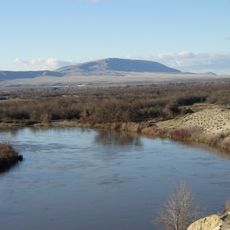
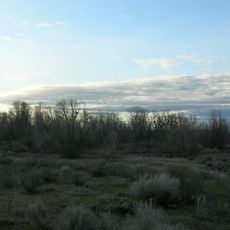
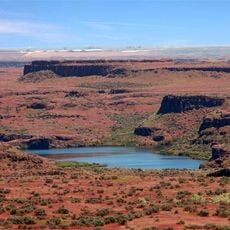
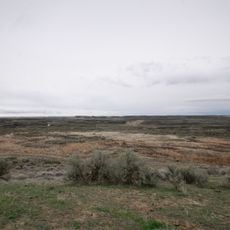
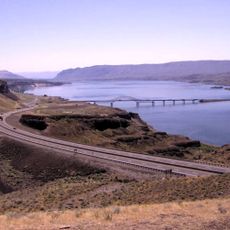
Hanford Reach National Monument protects a shrub-steppe landscape of sagebrush, bitterbrush and bunchgrass on the Columbia River Plateau in eastern Washington. Its central feature is the Hanford Reach, an 80-kilometer stretch of the Columbia River above Richland that is the longest free-flowing section of the river in the United States. The monument also takes in Rattlesnake Mountain and the Wahluke Slope.
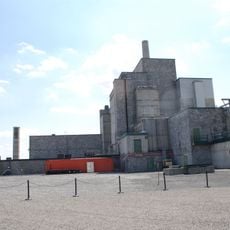
This land served as a security zone for the Hanford Nuclear Reservation during World War II and the Cold War, where weapons-grade plutonium was manufactured. After nuclear production ended, the site was protected to preserve its natural features and river ecosystem.
The Wanapum and Yakama Nation have harvested salmon and gathered plants here for generations through seasonal camps. Traces of these practices remain visible across the land today, connecting visitors to a long tradition of resource use.
You can explore the area on hiking trails, boat ramps, and viewing areas, though some sections remain closed for wildlife protection. Check local access rules before visiting, as entry conditions change with the seasons and conservation needs.
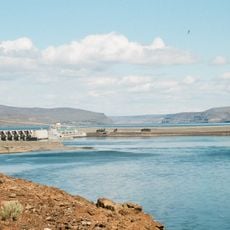
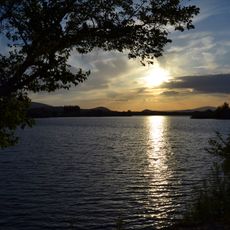
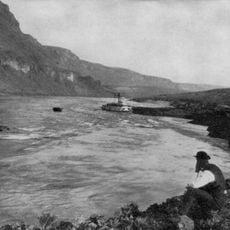
The monument protects the last free-flowing, non-tidal stretch of the Columbia River in the United States, running unimpeded through protected lands. This rare open river section shows visitors what the waterway looked like before dams transformed most of its course.
The community of curious travelers
AroundUs brings together thousands of curated places, local tips, and hidden gems, enriched daily by 94,971 contributors worldwide.