Melikawat, Archaeological site in Hotan, China.
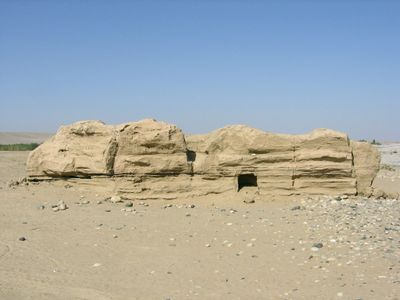
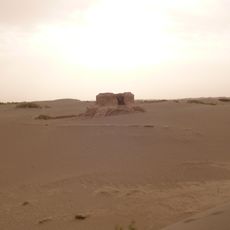
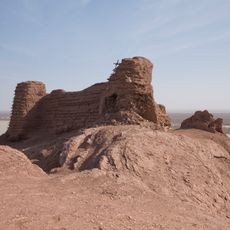
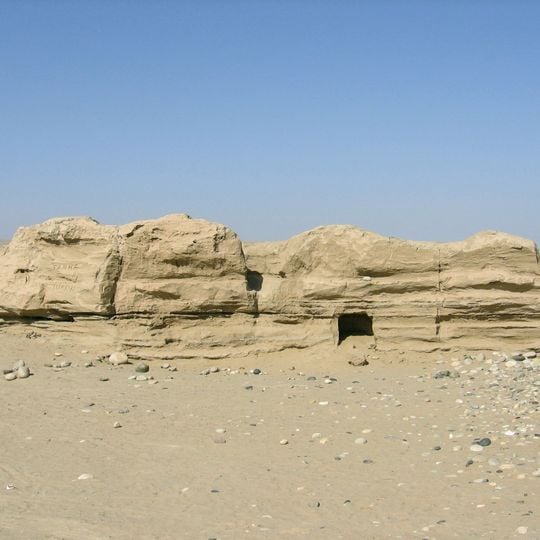
Melikawat is an archaeological site along the Yorungkash River near Hotan with scattered ruins covering a large area. The remains include collapsed stupas and square earthen mounds that mark where residential and religious structures once stood.
The site emerged around the 4th century and became a significant religious center during the Tang Dynasty from the 7th to 9th century. This period saw it develop as a vital hub for spiritual activity and trade along the ancient routes connecting east and west.
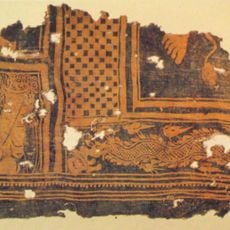
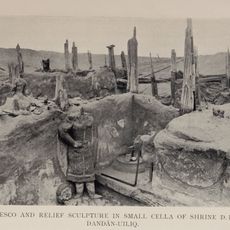
Excavations reveal Buddhist bronze statues, stucco carvings, and wall paintings that show how important Buddhism was to the community here. These discoveries tell us about the spiritual life of people who lived in this ancient trading center.
The site sits south of Hotan and requires local transport to reach from the city. Visitors should wear sturdy shoes as the terrain is uneven and wind can be strong in this desert region.
A tilted stupa with a large base remains standing among the ruins, showing how nature has shaped the site over many centuries. This leaning structure is one of the few religious buildings still recognizable at the location.
The community of curious travelers
AroundUs brings together thousands of curated places, local tips, and hidden gems, enriched daily by 91,082 contributors worldwide.