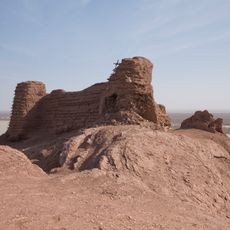
Dandan Oilik, Archaeological site in Qira County, China.
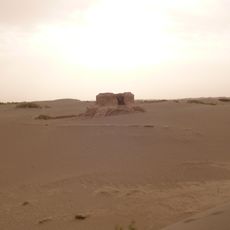
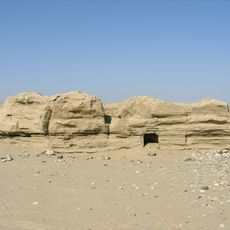
Dandan Oilik is an archaeological site in the Taklamakan Desert where ruins spread across several square kilometers, preserving an ancient settlement with houses, temples, and many objects from the past. The site sits within a larger oasis area and displays the remains of structures that were buried beneath desert sand.
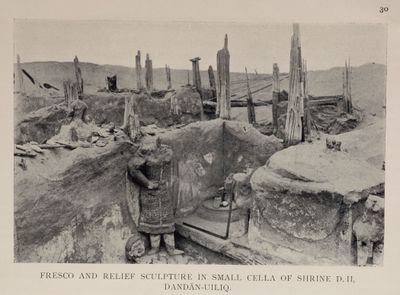
The site was discovered in 1896 by Swedish explorer Sven Hedin, who uncovered houses and temples hidden beneath desert sand. These findings helped researchers understand how people lived in this region more than a thousand years ago.
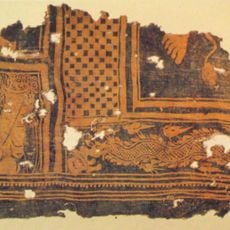
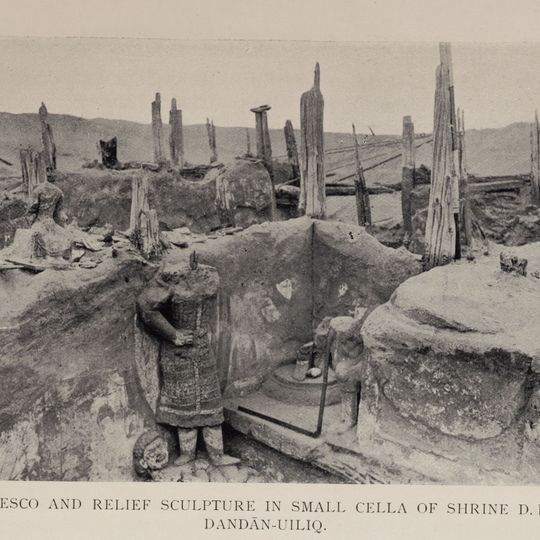
The artwork visible here includes Buddhist paintings, stucco reliefs, and decorated wooden panels that show how people along the Silk Road expressed themselves artistically. Visitors can see traces of these creative traditions in the partially excavated structures.
Access to this site requires special permits due to its protected status as a Major Historical and Cultural Site in China. Visitors should inquire beforehand and make appropriate arrangements to respect the archaeological work and regulations in place.
Ancient documents in Judeo-Persian script were found at this site, containing records of trade activities and community affairs from the 6th to 8th century. These documents offer a rare glimpse into the daily commerce and lives of people who lived at this location.
The community of curious travelers
AroundUs brings together thousands of curated places, local tips, and hidden gems, enriched daily by 91,253 contributors worldwide.