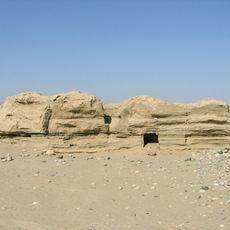
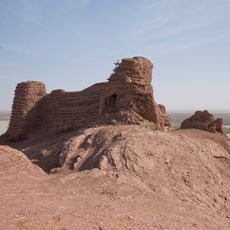
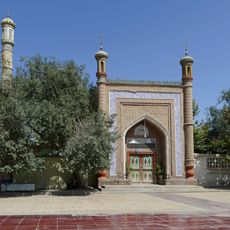
Hotan Cultural Museum, Regional museum in Hotan, China
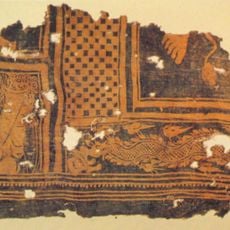
Hotan Cultural Museum is a regional museum in Hotan, Xinjiang, displaying archaeological finds from ancient cities and trade routes in the area. The collection covers pottery, coins, silk fabrics, wooden documents, clay figures, and preserved mummies from different periods.
The museum opened in 1995 to house archaeological finds from ancient cities such as Niya, Mallikurwatur, and Yotkan, all of which flourished around 2,000 years ago. These cities lay along the Silk Road and served as key points of exchange between East and West.
The museum's six exhibition sections trace local history from early settlement to the Islamic period, including 'Entering Civilization' and 'Khotan's Culture and Arts'. A jade monkey carved from Hetian white jade, found in 1984 at the Mazar Tagh fort site, is regarded as the museum's signature piece. In 2017 a local collector donated 11,696 folk objects, including textiles and coins.
The exhibition is arranged across several floors, with ancient artifacts on the ground floor and local craft collections on the upper levels. The sections follow a clear order, so it is easy to move from one part to the next without getting lost.
Among the objects on display is a sizeable collection of nephrite jade pieces that show how craftspeople have worked this material for centuries. What makes this collection stand out is that many pieces come from the nearby Yurungkash River, where jade is still gathered today.
The community of curious travelers
AroundUs brings together thousands of curated places, local tips, and hidden gems, enriched daily by 94,149 contributors worldwide.