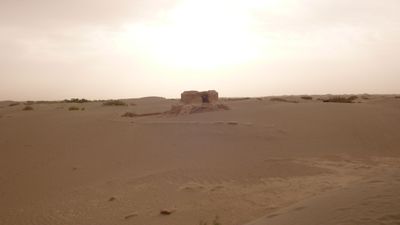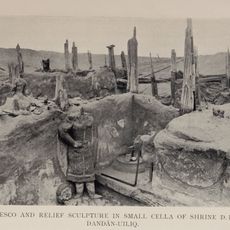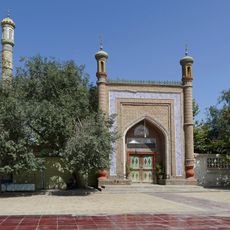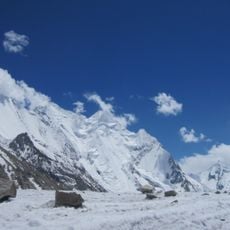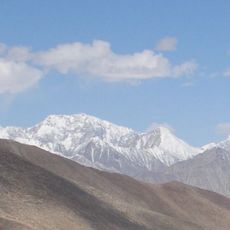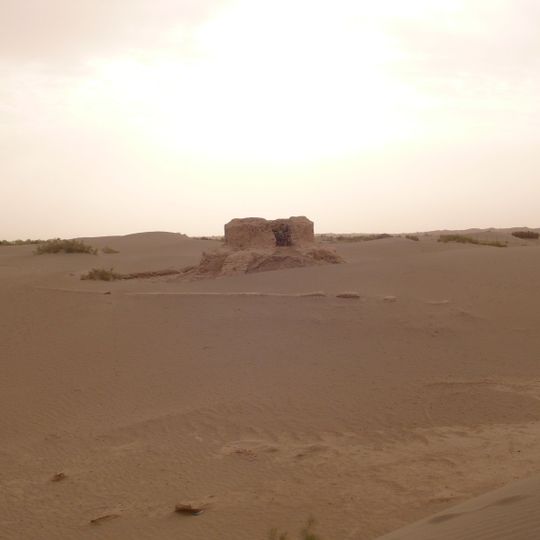
Rawak Stupa, Buddhist archaeological remains in Xinjiang, China.
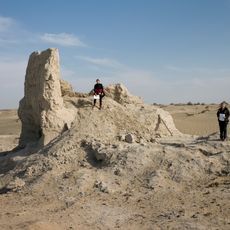
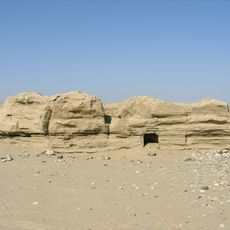
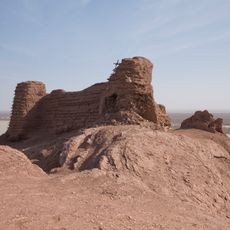
The Rawak Stupa is an archaeological site in Xinjiang consisting of ancient stone structures from a Buddhist monastery complex. The ruins display multiple building levels and foundation patterns that reveal how monks organized their sacred and living spaces.
The site took shape in the early centuries after Christ when Buddhist missionaries spread along the Silk Road. It remained active for several centuries before being abandoned as trade routes shifted and religious practices changed.
This place shows how Buddhism was practiced in daily life across Central Asia centuries ago. The remains reveal the religious routines and building traditions that monks established in this remote region.
Access to the site requires special permits since it sits in a remote desert area that is most accessible during warmer months. Joining an organized tour is strongly recommended as independent travel arrangements are complex in this isolated location.
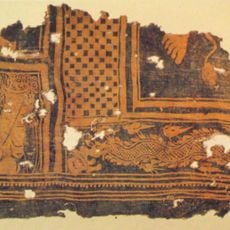
The site was buried under sand dunes multiple times throughout history, which unexpectedly preserved many artifacts in nearly original condition. This natural protection kept the monastery's remains hidden from disturbance for centuries before recent excavations brought them to light.
The community of curious travelers
AroundUs brings together thousands of curated places, local tips, and hidden gems, enriched daily by 92,348 contributors worldwide.