Tomb of the King of Boni, Royal burial site in Yuhuatai District, Nanjing, China.
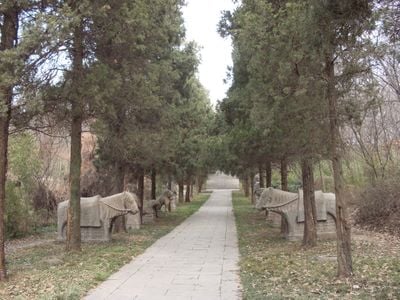
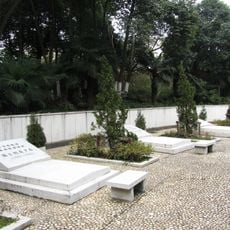
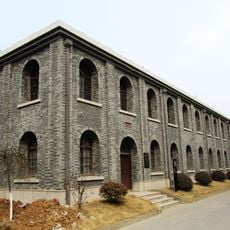
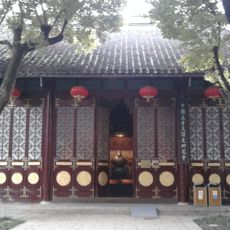
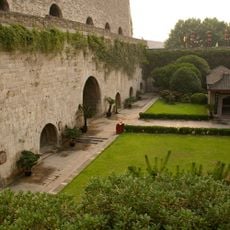
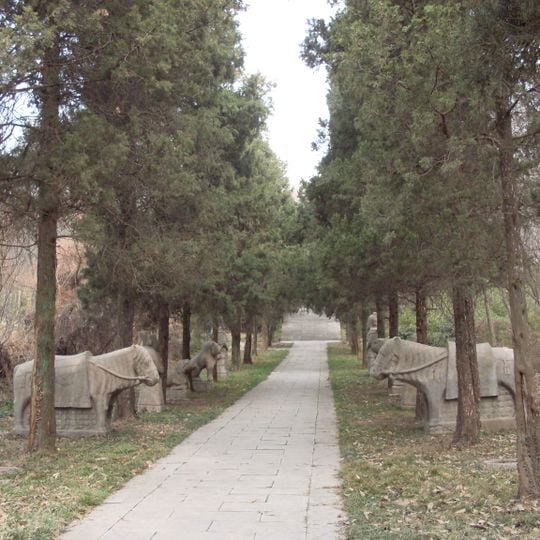
The Tomb of the King of Boni is a nationally protected historical site in Nanjing featuring a clear spatial layout: stone sculptures of generals and animals line a pathway that leads to a rounded mound surrounded by granite blocks. The complex sits within a 17-hectare park and includes exhibition halls dedicated to presenting the relationship between the two nations.
Built during the Ming Dynasty under Emperor Yongle, the site contains the remains of Abdul Majid Hassan, who died in Nanjing in 1408. The construction of this royal tomb was a diplomatic gesture highlighting the importance of trade relationships between the Chinese empire and the Southeast Asian state of Boni.
The site reflects historical connections between China and Boni through stone carvings and ceremonial spaces that remain visible today. Visitors walking through can observe how architectural choices express respect for a foreign ruler in a Chinese cultural context.
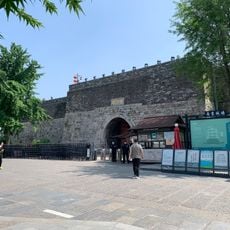
The location on Weijiu Road in Huacun provides easy access with parking facilities and visitor amenities throughout the grounds. Visitors should plan for adequate time to explore the expansive parkland, as the site covers a considerable area with multiple sections to discover.
This is one of only two tombs of foreign rulers in China, making it a remarkable example of Ming Dynasty diplomacy in stone. The construction follows classical Chinese burial traditions, revealing how a foreign monarch was incorporated into the imperial ceremonial system.
The community of curious travelers
AroundUs brings together thousands of curated places, local tips, and hidden gems, enriched daily by 92,793 contributors worldwide.