Former Residence of Gan Xi, Historic residence and folk museum in Nanjing, China
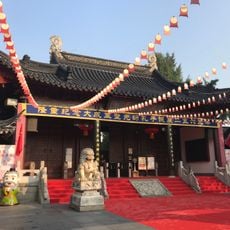
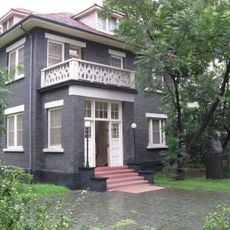
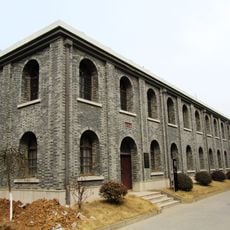
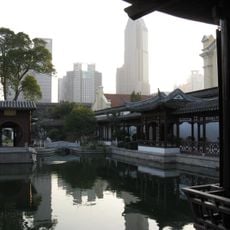
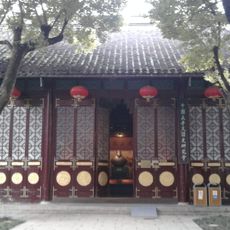
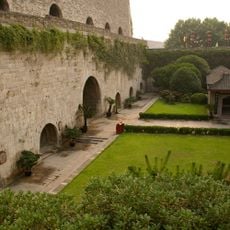
The Former Residence of Gan Xi is a grand mansion in Nanjing with more than 300 rooms spread across multiple courtyards, displaying traditional Chinese architectural elements and stone carvings. The property features the classic courtyard layout with asymmetrically arranged buildings, decorative gates, and elaborately designed verandas.
The mansion was built during the Jiaqing Emperor period between 1796 and 1820, when Gan Fu, the father of Gan Xi, established this property. The residence developed into a major family holding and was later converted into a museum to preserve the architecture and culture of that era.
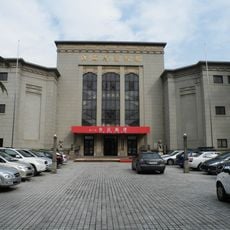
The building now serves as the Nanjing Folk Museum, displaying collections of Yixing ceramic teapots, paper cutting art, miniature engravings, and Chinese opera designs. Visitors encounter these traditional crafts within the historic rooms and learn about local artistic practices.
The property stands within walking distance north of Sanshanjie Station on the Nanjing Metro, making it easy to reach. Guided tours explain the architectural features and help visitors navigate the many rooms and courtyards.
The "ninety-nine and a half rooms" label is an analogy, not a count: the Forbidden City is said to have 9,999 and a half rooms and the Confucius Mansion 999 and a half. The Gan mansion actually holds 162 rooms according to the Chinese source, or over three hundred according to the English one.
The community of curious travelers
AroundUs brings together thousands of curated places, local tips, and hidden gems, enriched daily by 95,227 contributors worldwide.