Nanjing, Provincial capital in Jiangsu, China
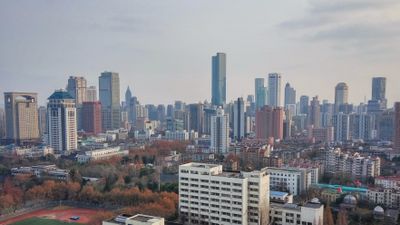
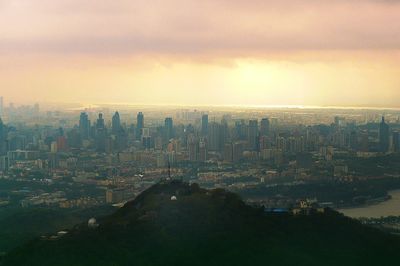
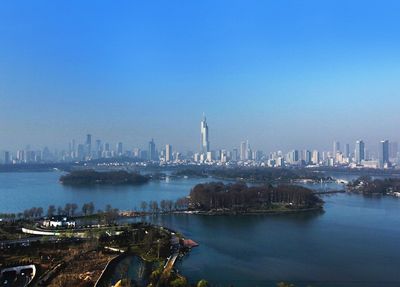
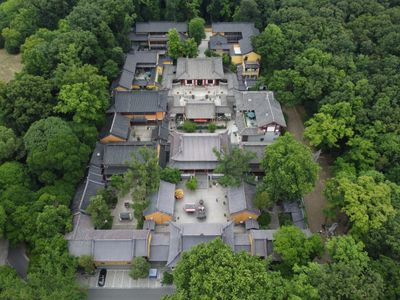
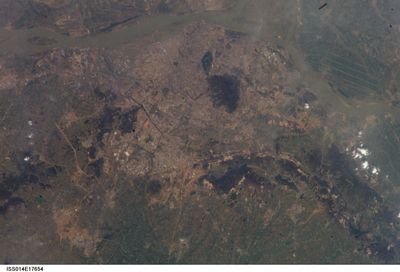
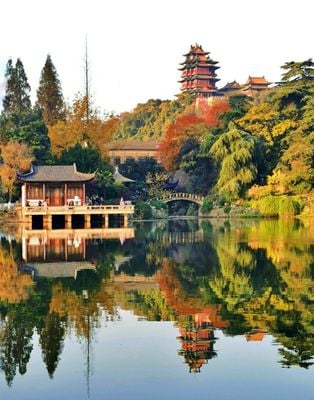
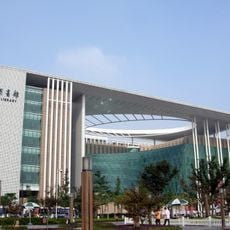
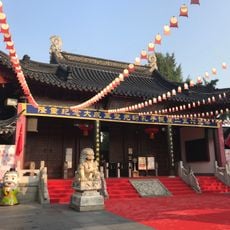
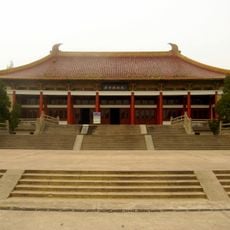
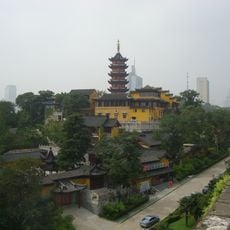
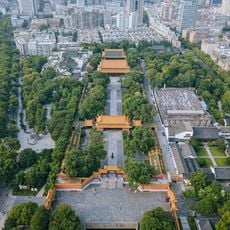
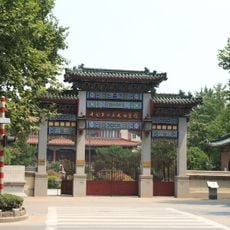
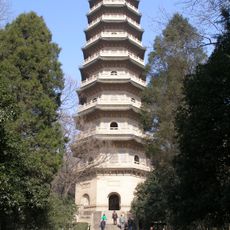
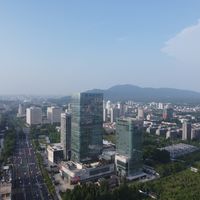
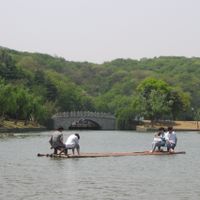
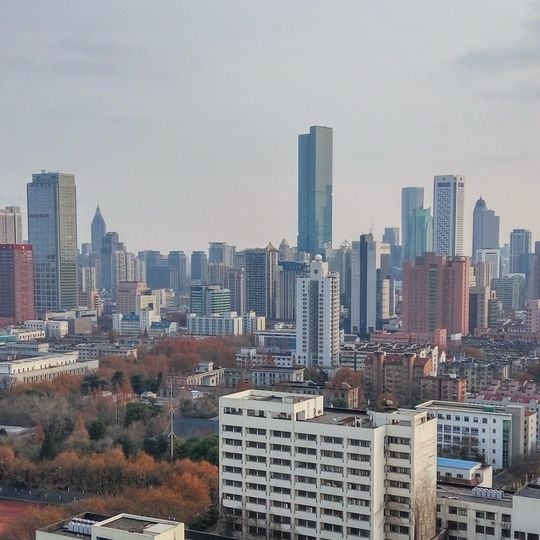
Nanjing spreads along the Yangtze River and covers an administrative territory of roughly 6,600 square kilometers (about 2,500 square miles) with extensive gardens, lakes and old architecture. The city is the political and economic center of Jiangsu Province and holds several million residents across its urban and rural districts.
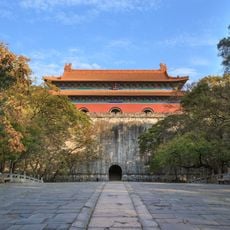
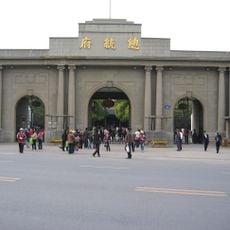
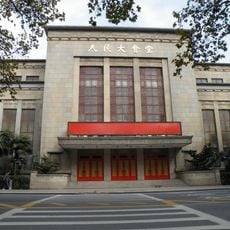
The city served multiple Chinese dynasties as their capital, including the Ming Dynasty from 1368 to 1421 when it governed the entire Chinese territory. The Republic of China also chose it as its seat of government after 1927 before the capital later moved to Beijing.
Residents spend afternoons in teahouses along the Qinhuai River banks and enjoy traditional snacks like salted duck and steamed buns from small street stalls. Elderly people gather every morning in public parks to practice tai chi or sing Chinese opera while young families stroll the lakeside promenades after dinner.
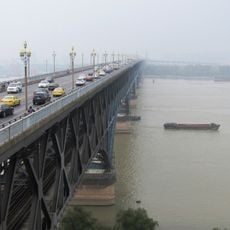
The transport system includes 12 metro lines connecting all districts and is complemented by a wide bus network and three railway stations. Visitors should buy a rechargeable transport card to move easily between different neighborhoods and reach the main sights.
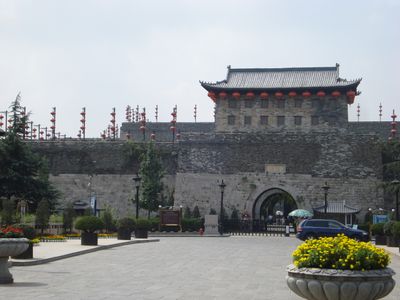
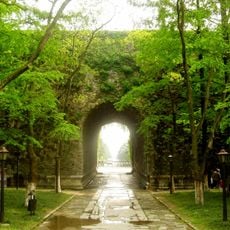
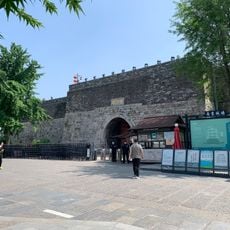
The city wall from the Ming period runs for 33 kilometers (about 20 miles) around the center and represents the longest circular wall still standing today. Visitors can walk on sections of the wall and gain an unusual view of the old neighborhoods and surrounding hills.
The community of curious travelers
AroundUs brings together thousands of curated places, local tips, and hidden gems, enriched daily by 60,000 contributors worldwide.