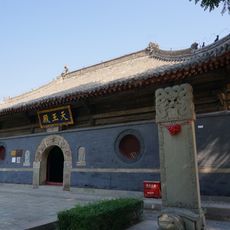
Mausolée de la dynastie Liao et Fengling, cemetery in China
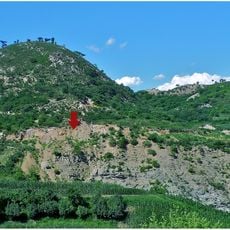
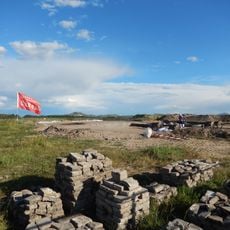
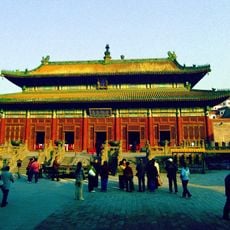
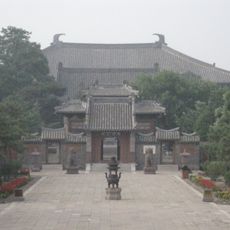
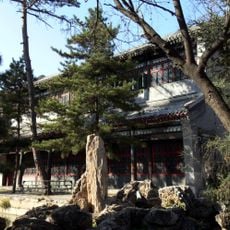
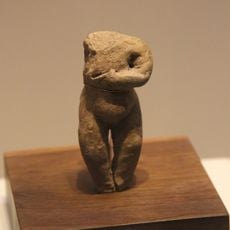
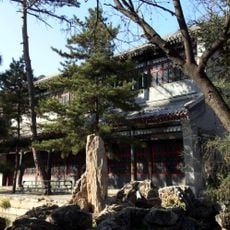
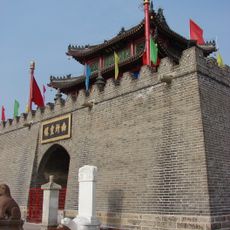
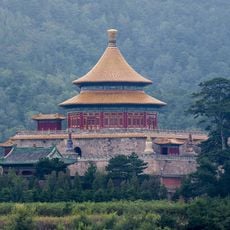
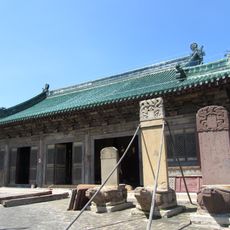
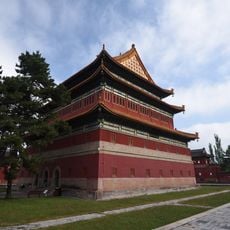
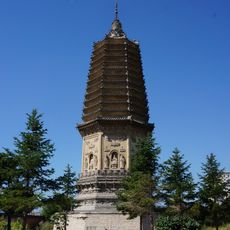
The mausoleum is a burial complex in Inner Mongolia housing remains of rulers and royal family members from the Liao dynasty that ruled from the 10th to 12th centuries. The site includes multiple tombs such as the Zuling mausoleum and three Qingling tombs arranged in an east-west line, all marked by stone structures and carved decorations.
The site was built to honor Abaoji, the founder of the Liao dynasty, and other rulers who controlled a vast empire spanning from northern China to Mongolia between the 9th and 12th centuries. These tombs stand as a record of a major regional power that influenced the political landscape of East and Central Asia.
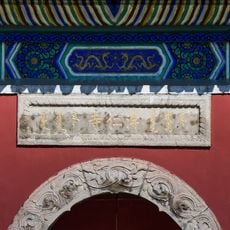
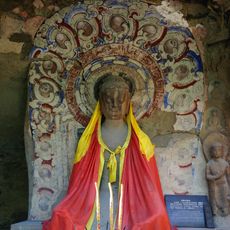
The site reflects how the Liao dynasty honored its deceased rulers and family members through elaborate burial practices. Stone carvings and the arrangement of tombs reveal the respect and ritual importance this culture placed on ancestor veneration.
The site is located in a valley with uneven terrain, so wear comfortable walking shoes and explore during daylight hours when the sun highlights the stone carvings. Early morning or late afternoon visits often provide the best lighting for viewing the details of the monuments.
A surprising detail is that Marco Polo referenced the Khitan people of the Liao dynasty during his travels, a connection that shaped how Europeans came to know China as Cathay. This overlooked link shows how this regional power indirectly influenced Western perception of East Asia across centuries.
The community of curious travelers
AroundUs brings together thousands of curated places, local tips, and hidden gems, enriched daily by 60,000 contributors worldwide.