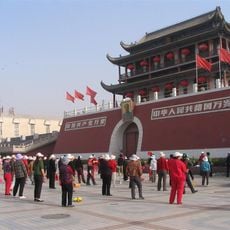
Shuidonggou, Paleolithic archaeological site in Lingwu, China.
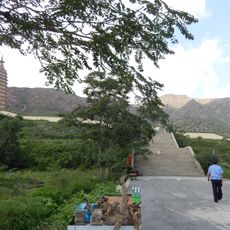
Shuidonggou is a group of 12 open-air Paleolithic excavation localities on both sides of the Ming Great Wall in Lingwu, Yinchuan, Ningxia. The site lies in a small basin of Tertiary red clay filled with 10–20 m of Late Pleistocene and Holocene river-lake sediments and wind-blown loess, cut by a stream flowing southeast to the Yellow River. At Locality 2, at least 17 layers include seven Late Paleolithic cultural layers.
Excavations here have uncovered stone tools and ancient dwelling places that show humans lived in northern China from the earliest times. These discoveries reveal human settlement and activity spanning many thousands of years.
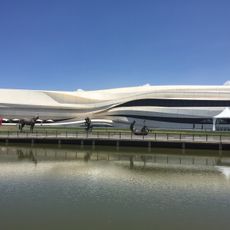
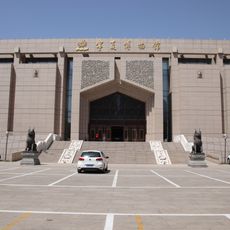
The on-site museum displays how early people lived and worked here through exhibits of their tools and hunting methods. Visitors can see how these ancient inhabitants adapted to and used their surroundings.
The site lies in Lingwu, part of Yinchuan municipality in Ningxia, not outside the capital. The excavated localities are split north and south by the Bian'gou River along the Ming Great Wall. The museum opened in 2011. The terrain includes loess and gravel sediments, so sturdy footwear helps.
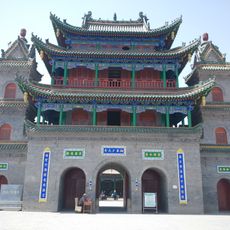
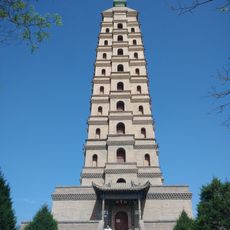
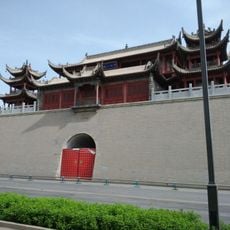
The site also preserves traces of an ancient military installation with sections of the Great Wall and old watchtowers from a later period. These structures show that the location served defensive purposes beyond its archaeological significance.
The community of curious travelers
AroundUs brings together thousands of curated places, local tips, and hidden gems, enriched daily by 94,485 contributors worldwide.