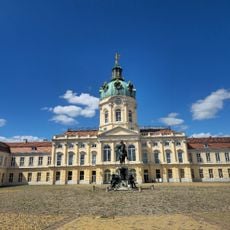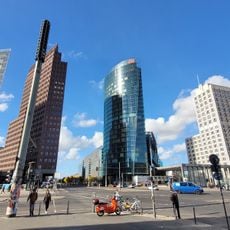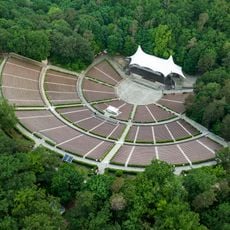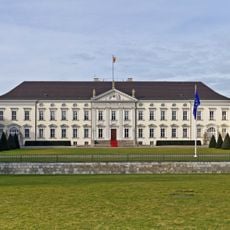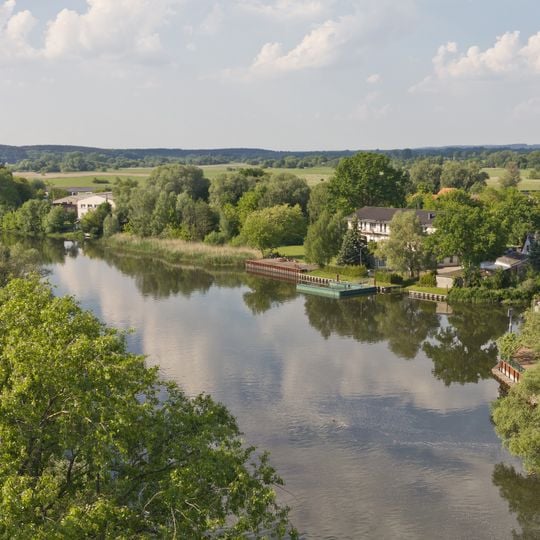
Havel, River system in northeastern Germany.
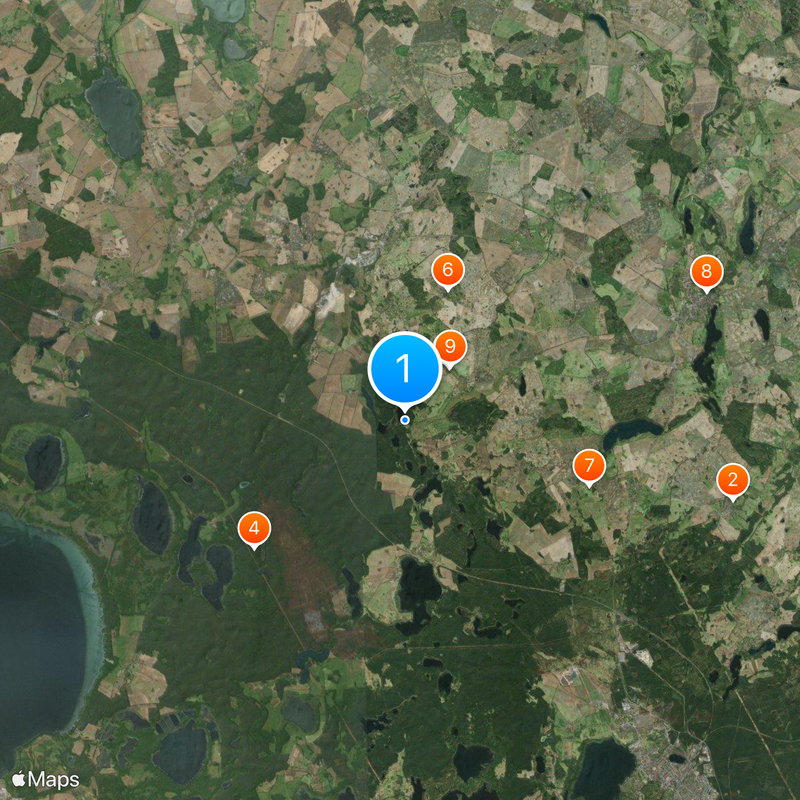
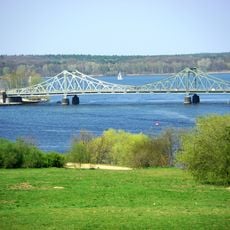
The Havel is a river system in northeastern Germany that flows through Mecklenburg-Western Pomerania, Brandenburg, Berlin, and Saxony-Anhalt, covering roughly 334 km (208 miles). It begins north of Neustrelitz and empties into the Elbe, forming many lakes along the way that define its broad, slow-moving character.
Tacitus wrote about the waterway more than two thousand years ago in his accounts of Germanic lands, marking its early role in regional geography. During the Middle Ages it served trade between Slavic and German settlements, before canals in the 17th and 18th centuries expanded its function in commerce.
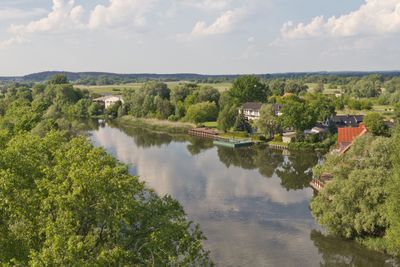
People paddle its calm waters on weekends, setting up tents along grassy shores or mooring small boats near quiet inlets where reeds grow tall. Fishermen gather at dawn near wooden jetties, while families picnic under oak trees that lean over the current in summer months.
Boaters should note changing water levels and locks that divide the course into four sections, each with different navigation rules and connections to canals. Walking paths along the banks are often flat and easy to access, while cyclists can follow paved or unpaved routes that run parallel to the water.
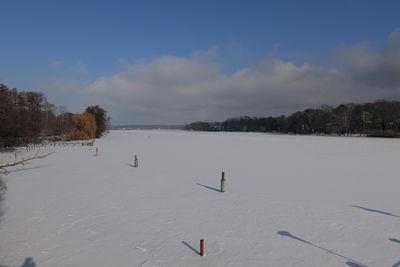
Its total drop measures only about 40 m (130 ft) over the entire length, so the water flows slowly and forms many broad lake surfaces. This gentle gradient makes it more a chain of connected waters than a swift current, explaining its calm surface most of the year.
The community of curious travelers
AroundUs brings together thousands of curated places, local tips, and hidden gems, enriched daily by 92,738 contributors worldwide.