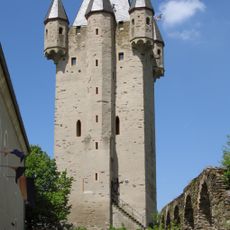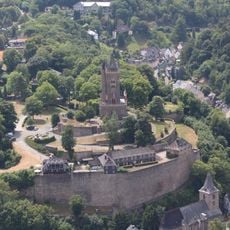
Westerwald, Low mountain range in western Germany
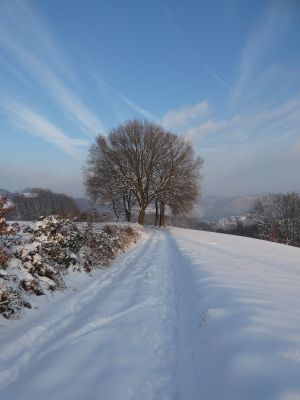
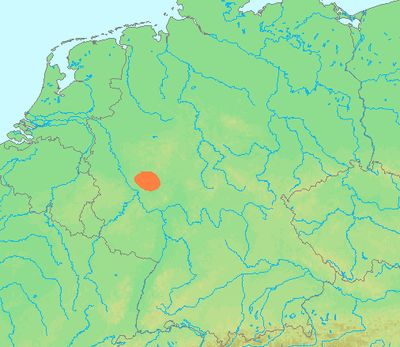
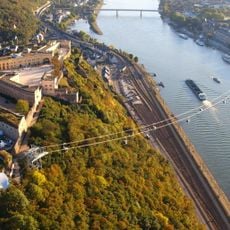
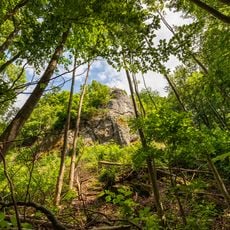
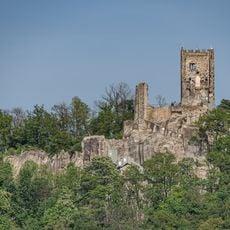
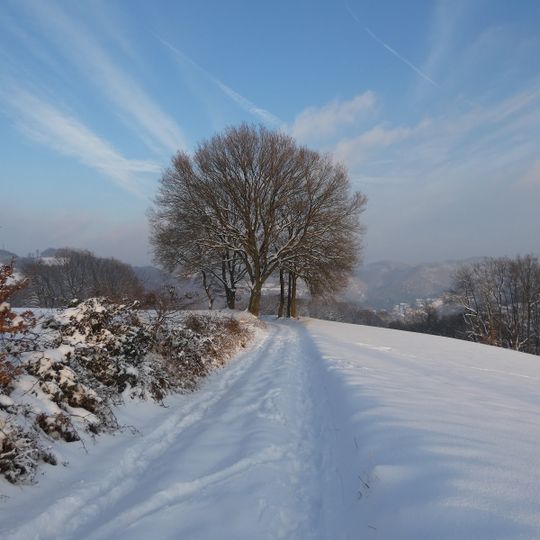
Westerwald is a low mountain range in western Germany that stretches across Rhineland-Palatinate, Hesse, and North Rhine-Westphalia, lying between the Rhine, Sieg, and Lahn rivers. The terrain consists of gentle hills, wide forests, and open plateaus with elevations between 81 and 659 meters (266 and 2,162 feet).
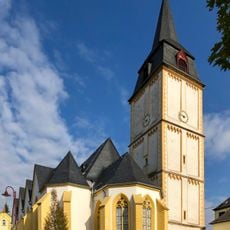
The name first appeared in documents from 1048, initially referring only to woodland areas surrounding three churches. Over the centuries, the designation expanded to cover the entire mountain range, which became shaped by mining and forestry activities.
The region carries a strong pottery-making tradition, especially in Kannenbäckerland, where artisans still shape ceramics from local clay using methods passed down through generations. Visitors can watch craftspeople at work in small workshops, where traditional techniques meet contemporary designs.
The range spans roughly 50 by 70 kilometres, so distances between its parts are long; the High Westerwald around the Fuchskaute lies at 450 to 657 metres and has a harsher climate than the lower western hills. Snow can fall several times a year but usually melts within hours, and summer downpours are brief.
The Fuchskaute is an extinct volcano and, at 657 meters (2,156 feet), the highest point in the region. On clear days, visitors can see three federal states from the top at once.
The community of curious travelers
AroundUs brings together thousands of curated places, local tips, and hidden gems, enriched daily by 92,354 contributors worldwide.