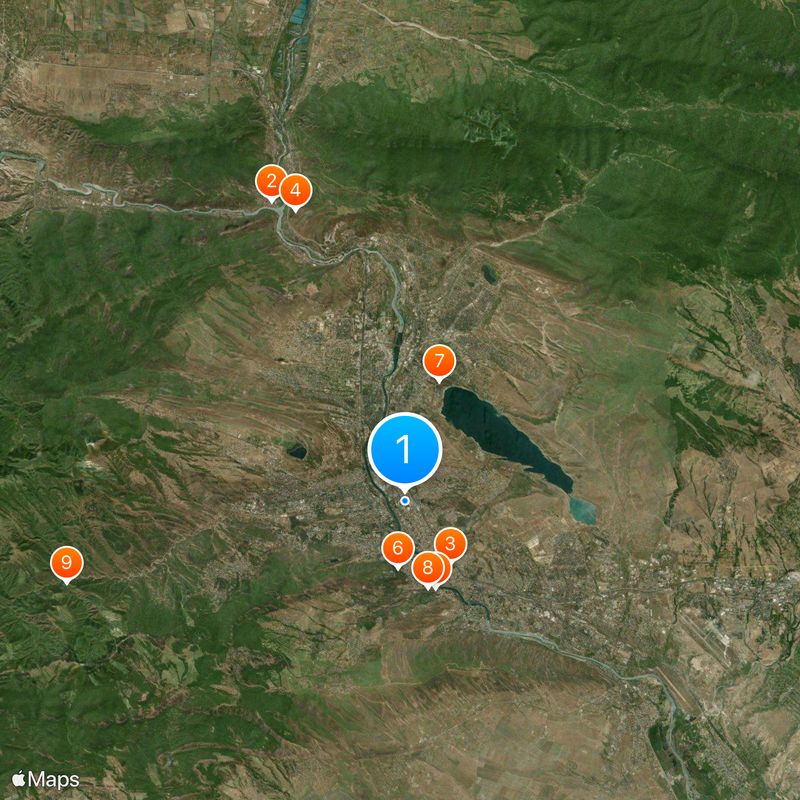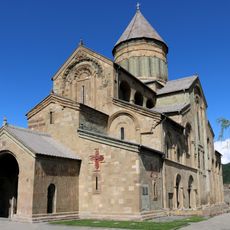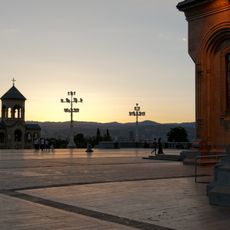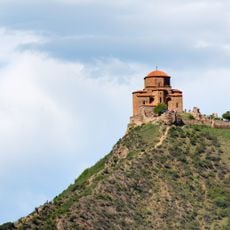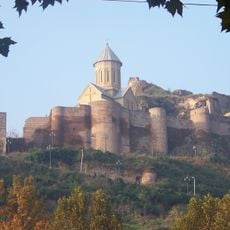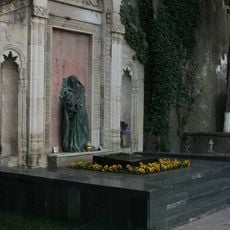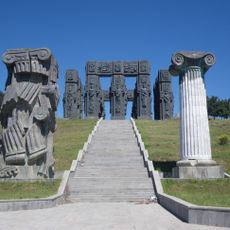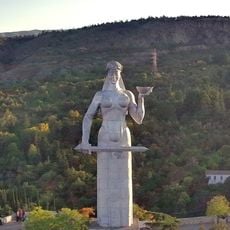
Tbilisi, Capital city in eastern Georgia
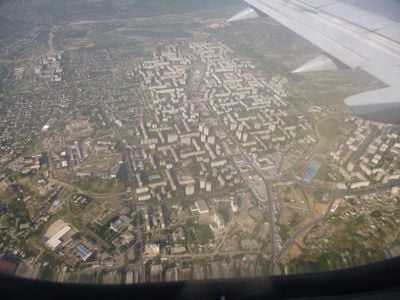
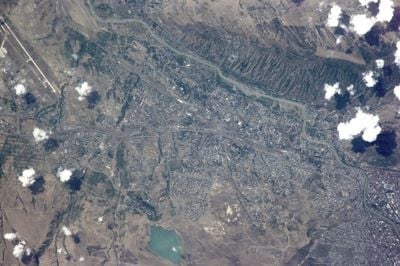
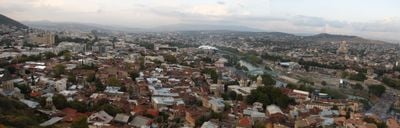
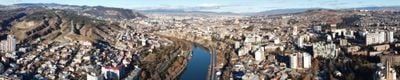
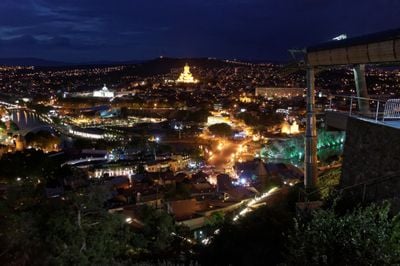
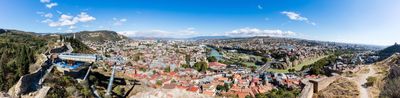
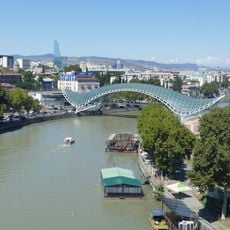
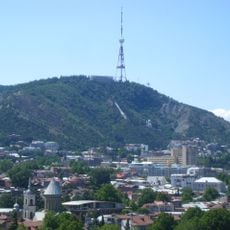
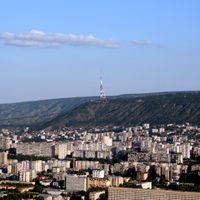
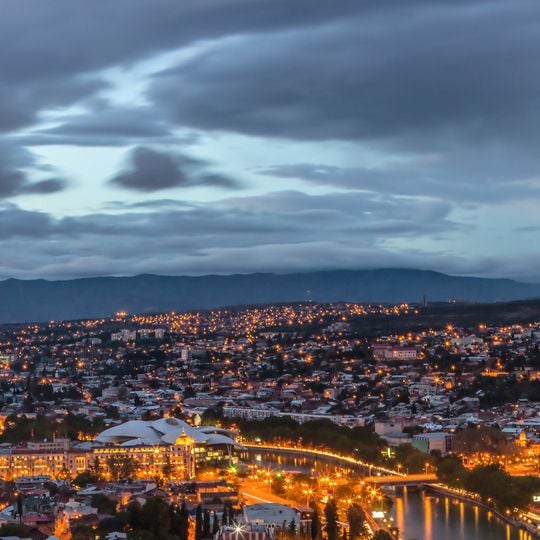
Tbilisi spreads across both banks of the Mtkvari River in eastern Georgia, sitting at roughly 400 meters (1,300 feet) elevation in a valley carved between mountain ridges. The river winds through the center, dividing neighborhoods that climb steep slopes and extend into narrow side canyons.
King Vakhtang Gorgasali founded the settlement in 455 CE after discovering natural sulfur springs, and it gradually became a key stop along the Silk Road. Control shifted over centuries among Persian, Arab, Byzantine, Mongol, and Ottoman rulers before incorporation into the Russian Empire during the 19th century.
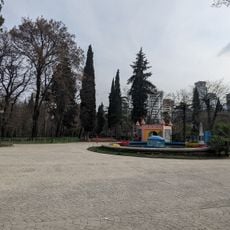
On weekends, families gather in courtyards and neighborhood cafes, sharing meals that last hours and often include wine poured from clay jugs kept cool in cellars. Locals walk slowly through parks and along river promenades in the evening, greeting neighbors and stopping frequently to chat before continuing on their way.
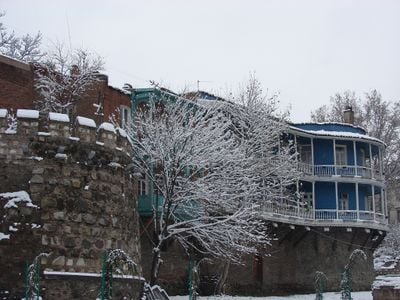
Many streets in the old center climb steep hills and are paved with cobblestones, so comfortable shoes help during long walks through different neighborhoods. Districts like Mtatsminda and Vake hold most international embassies, hotels, and larger shops, while the old town focuses on smaller streets and local businesses.
The bathhouses in the Abanotubani district draw water from natural sulfur springs that stay between 38 and 40 degrees Celsius (100 to 104 degrees Fahrenheit) all year without artificial heating. Visitors can find both communal pools and private rooms inside vaulted underground chambers built centuries ago.
The community of curious travelers
AroundUs brings together thousands of curated places, local tips, and hidden gems, enriched daily by 60,000 contributors worldwide.