Dubrovnik-Neretva County

Log in to your account

AroundUs is a community-driven map of interesting places, built by curious explorers like you. It grows with every review, story, and photo you share.
Connect to save your favorite spots, contribute locations, and create personalized routes.
By continuing, you accept our Terms and Conditions and our Privacy Policy
Add to collection
Map
Suggest a change
Share

Dubrovnik-Neretva County, Administrative division in southern Croatia.

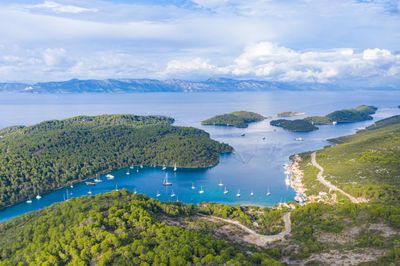
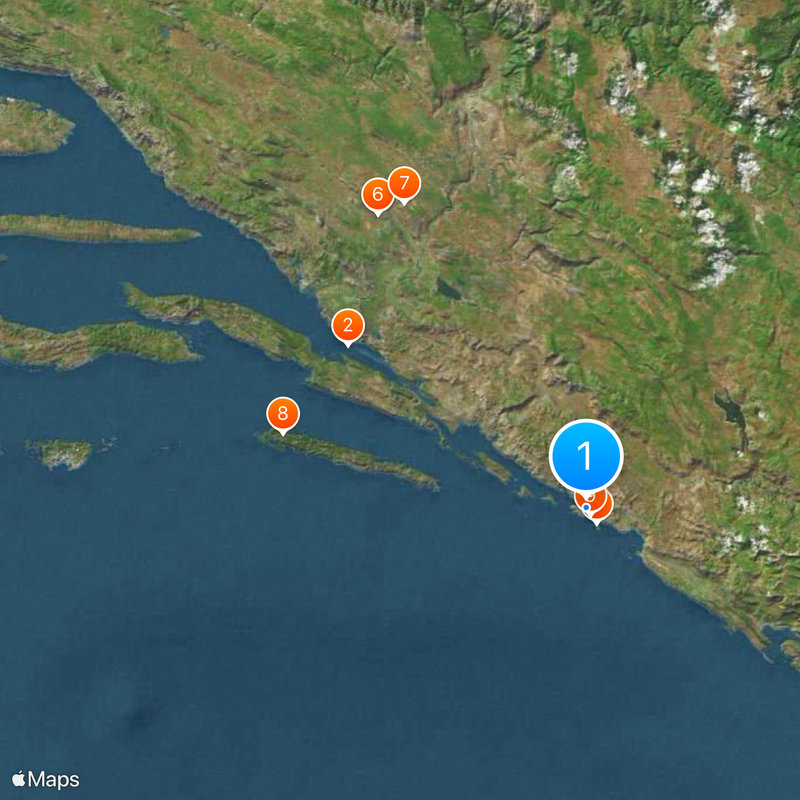
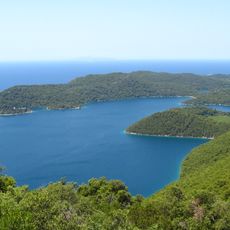
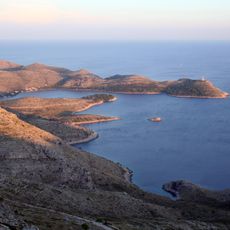
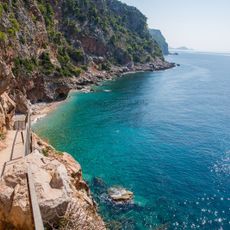
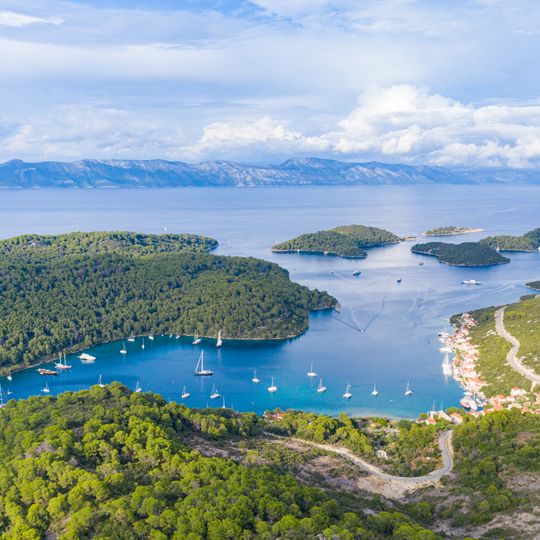
This county extends along the Adriatic coast, incorporating the Peljesac peninsula and islands of Korcula, Mljet, and Lastovo with mountainous terrain and valleys.

The region developed under Venetian influence from the 13th to 17th centuries, forming a strategic maritime territory between Split-Dalmatia County and Montenegro.

Traditional farming practices in Konavle Valley produce local wines and olive oil, while the Dubrovnik Summer Festival presents regional performances.

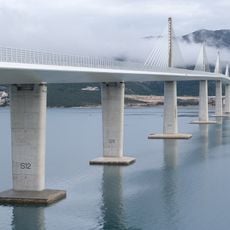
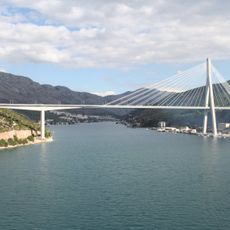
The Peljesac Bridge connects the northern and southern parts of the county, bypassing the Bosnian coastal strip at Neum.

The county contains Croatia's only territorial exclave, separated by Bosnia and Herzegovina's 9-kilometer access corridor to the Adriatic Sea.

Location: Croatia

Capital city: Dubrovnik

Shares border with: Split-Dalmatia County

Website: https://dnz.hr

GPS coordinates: 42.65361,18.09472

Latest update: May 27, 2025 08:56

Historic sites in Dubrovnik: city walls, palaces, fortresses

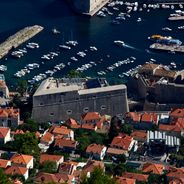
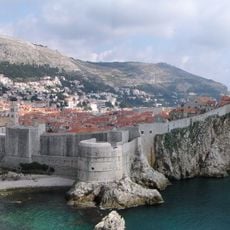
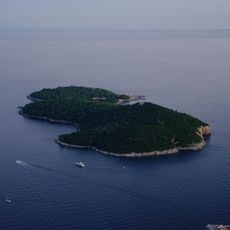
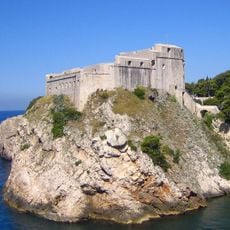
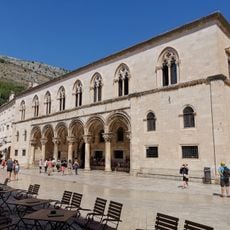
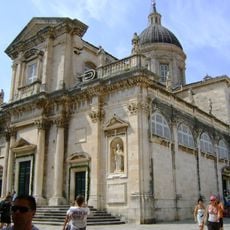
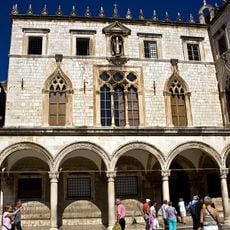
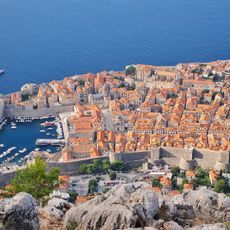
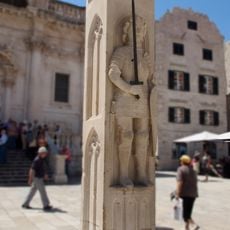
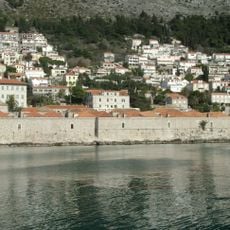
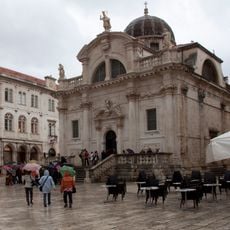
The old town of Dubrovnik sits on the Adriatic coast and shows buildings from the 13th to the 17th centuries. The city was an independent maritime republic for hundreds of years and developed its own architecture that combines Venetian and local elements. The city walls enclose a compact core of palaces, churches and public squares built on limestone. The main street Stradun runs straight through the town and connects the main gates. At both ends stand fountains from the 15th century that once secured the water supply. The Rector's Palace shows how the elected rulers lived and worked, while Sponza Palace once served as a customs house and mint. The city wall itself is walkable and offers views of the sea and the rooftops of the old town. Several fortresses reinforced the defenses: Fort Lovrijenac perches on a rock outside the walls, Revelin Fortress protected the eastern approach, and the sea wall ends at St. John's Fortress, which now houses a maritime museum. Lokrum Island lies just a short boat ride away and was once a monastic site. Today plants from different climates grow there. The beaches around Dubrovnik often sit in small coves between rocks, where the water is clear and deep. The Dominican Monastery and Franciscan Monastery preserve art and manuscripts from the republic's era. The cathedral was rebuilt in baroque style after an earthquake in the 17th century destroyed the older church.

Reviews

Visited this place? Tap the stars to rate it and share your experience / photos with the community! Try now! You can cancel it anytime.

« Dubrovnik-Neretva County - Administrative division in southern Croatia » is provided by Around Us (aroundus.com). Images and texts are derived from Wikimedia project under a Creative Commons license. You are allowed to copy, distribute, and modify copies of this page, under the conditions set by the license, as long as this note is clearly visible.

Discover hidden gems everywhere you go!

From secret cafés to breathtaking viewpoints, skip the crowded tourist spots and find places that match your style. Our app makes it easy with voice search, smart filtering, route optimization, and insider tips from travelers worldwide. Download now for the complete mobile experience.
Around Us App Screenshot

A unique approach to discovering new places

Le Figaro

All the places worth exploring

France Info

A tailor-made excursion in just a few clicks

20 Minutes