North India, Geographic region in India
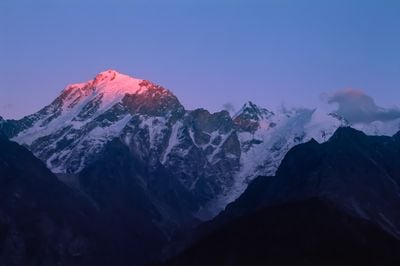
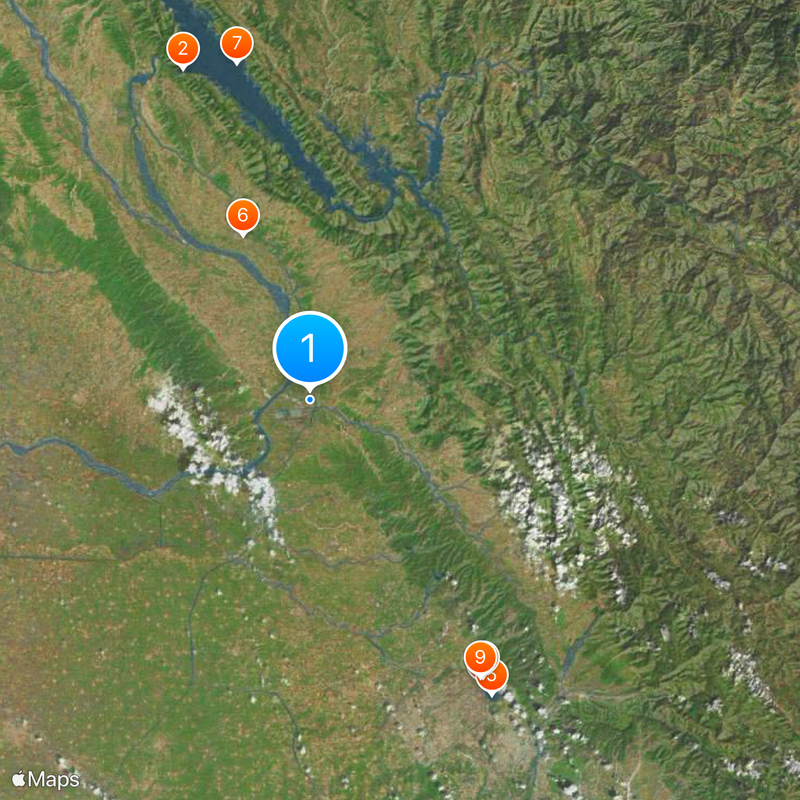
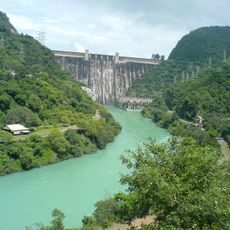
North India is a region that spreads across several states from the foothills of the Himalayas to the wide plains, where fertile farmland shapes the landscape. Rivers run through the area and connect villages to larger cities, while densely populated zones alternate with quieter, rural stretches.
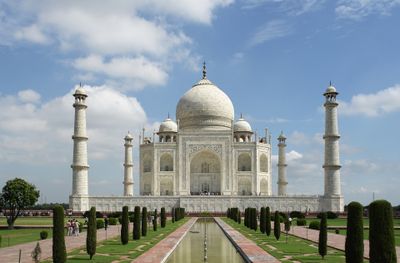
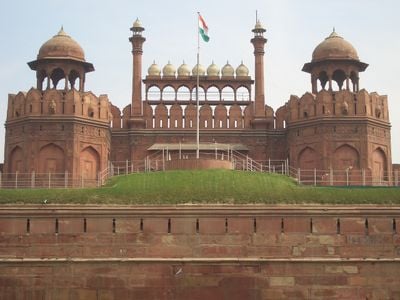
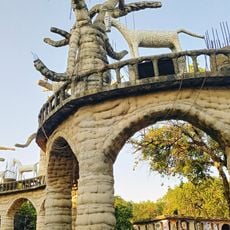
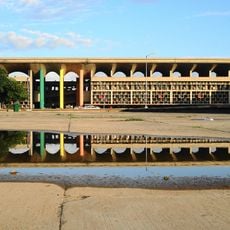
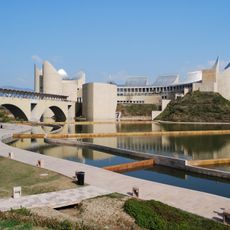
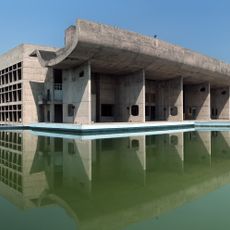
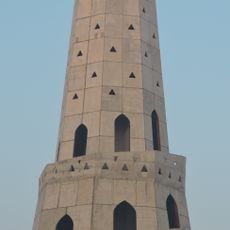
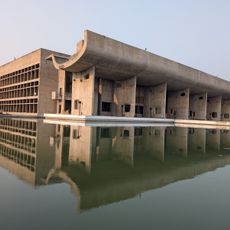
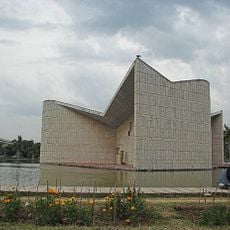
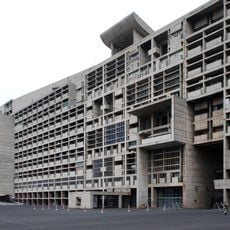
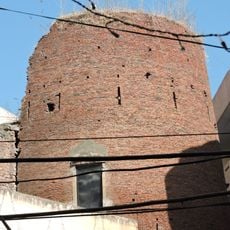
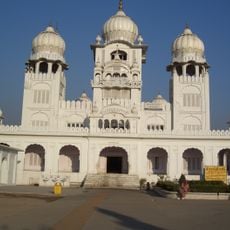
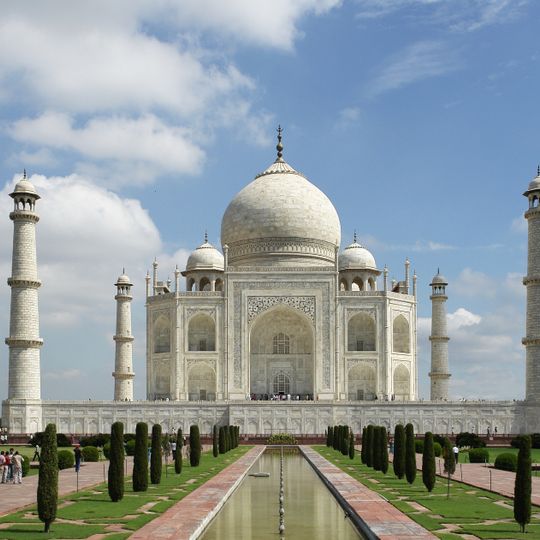
Over centuries, empires rose here that shaped art, architecture, and administrative systems still visible today. Different dynasties left behind fortresses, palaces, and religious buildings that reflect their power and worldview.
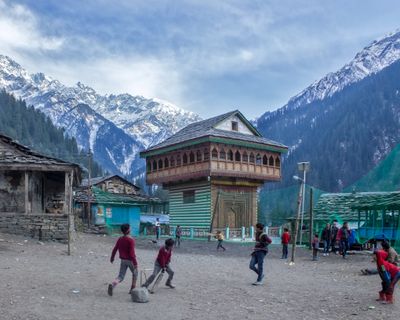
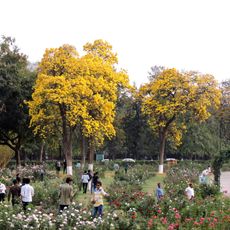
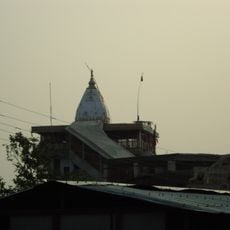
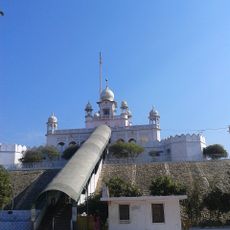
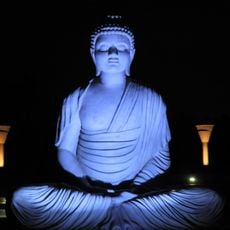
In streets and temples you see daily rituals passed down for generations, from morning prayers by the river to decorating shrines with flowers. People live closely with religious festivals that shape the rhythm of neighborhoods throughout the year and draw pilgrims from across the country.
The best time to visit is from October to March when temperatures are milder and the monsoon season has passed. In higher areas it can be pleasantly cool even in summer, while the plains often become very hot in late spring.
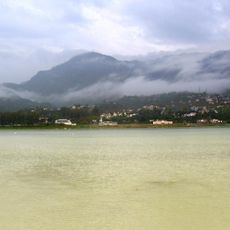
In certain areas the landscape shifts within a few kilometers from rocky slopes to wet marshlands and then to dry plateaus. This geographic variety influences how people settle and what crops can grow in the fields.
The community of curious travelers
AroundUs brings together thousands of curated places, local tips, and hidden gems, enriched daily by 91,806 contributors worldwide.