Cherrapunji, Traditional capital in East Khasi Hills district, India
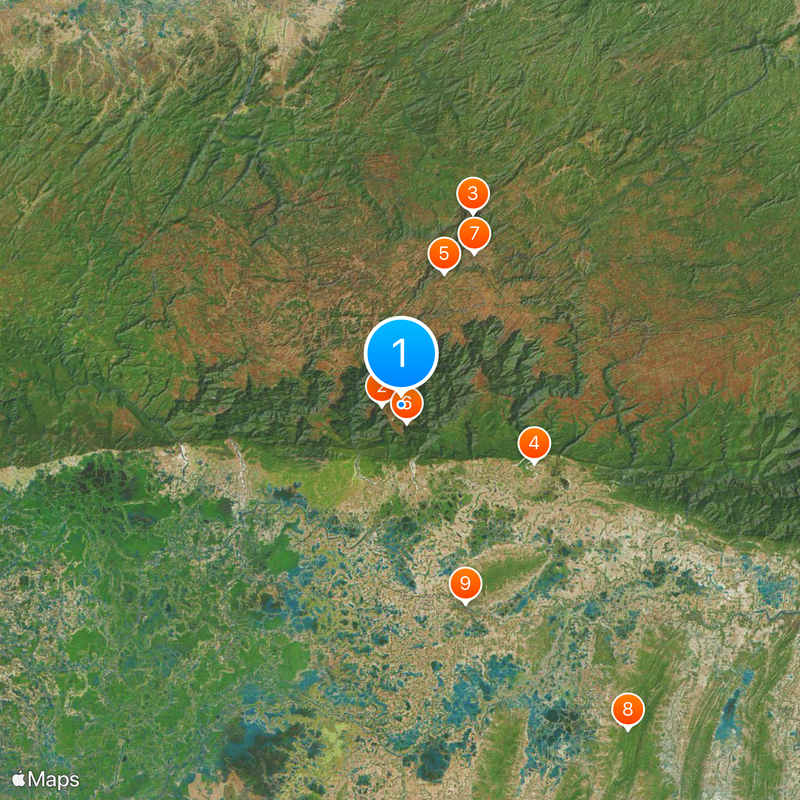
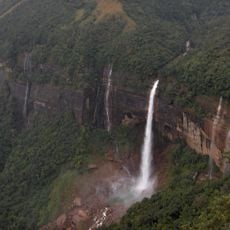
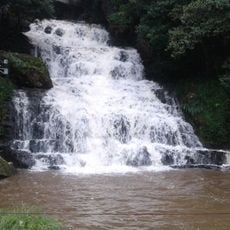
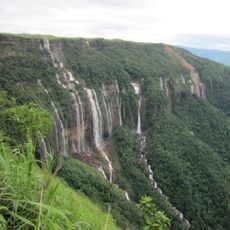
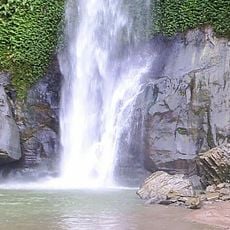
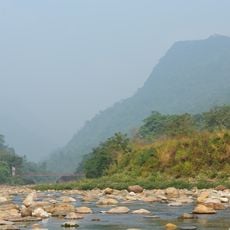
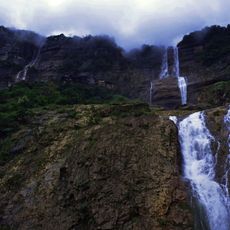
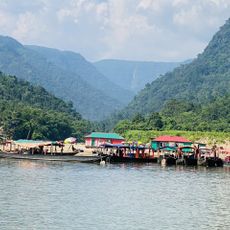
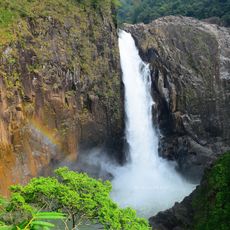
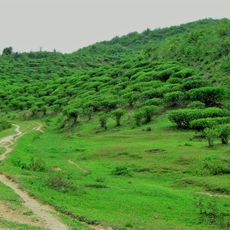
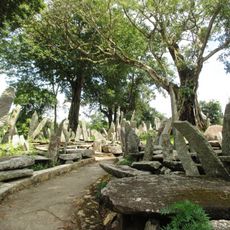
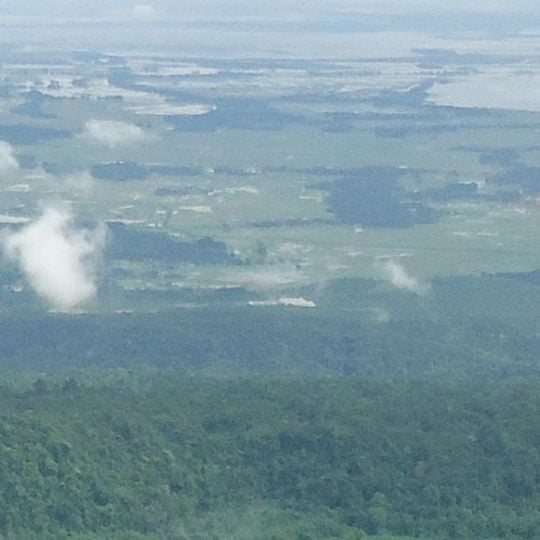
Cherrapunji is a traditional capital in East Khasi Hills district, India, set on a plateau with steep slopes dropping into forested valleys. The area features numerous waterfalls tumbling over rock faces while dense greenery covers the hillsides and narrow paths wind through the vegetation.
British colonial officer David Scott reached the area in the 1820s after conflicts with local leader Tirot Sing Syiem, who resisted expansion. The settlement later served as an administrative post before the role of district capital moved to nearby Shillong.
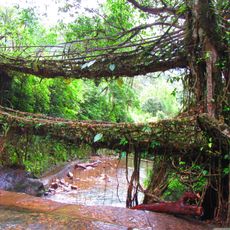
The name comes from the local Khasi language meaning land of oranges, though today betel palms and living root bridges shape the landscape instead. Visitors often see women wearing traditional Jainsem garments while men wear woven Jymphong shawls, both of which appear at local festivals and in daily life.
Waterproof clothing and sturdy footwear are advisable during most months as frequent rain makes paths slippery and mist reduces visibility. The winter months from November to February usually offer drier conditions and clearer views across the surrounding valleys.
Local communities have shaped living root bridges from rubber tree roots over generations by guiding them across streams and letting them grow until they formed load-bearing crossings. These structures can become several centuries old and support dozens of people at once while growing even stronger during heavy rains.
The community of curious travelers
AroundUs brings together thousands of curated places, local tips, and hidden gems, enriched daily by 91,141 contributors worldwide.