Buseoksa, Buddhist temple in Yeongju, South Korea
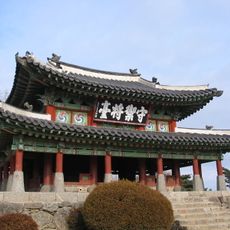
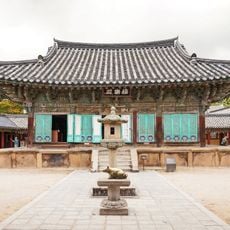
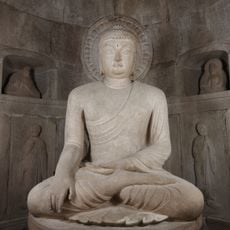
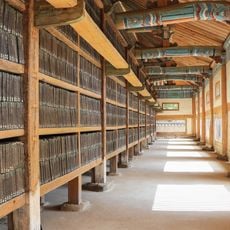
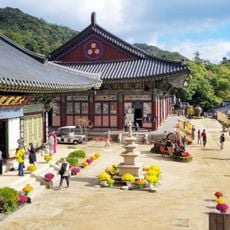
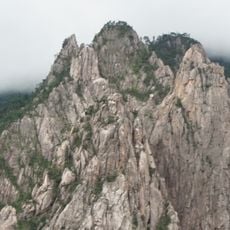
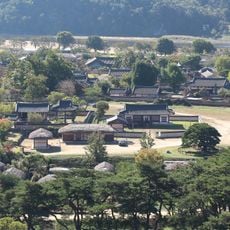
Buseoksa is a Buddhist temple nestled in the mountains, featuring multiple halls, pagodas, and stone structures built in traditional Korean style. The buildings spread across the sloped terrain, creating a layered composition of religious and residential spaces.
Founded in 676 by the monk Uisang under King Munmu of Silla, Buseoksa became a centre of Hwaeom Buddhism. It was rebuilt after a 1358 Japanese raid, when Muryangsujeon was restored under the monk Won-eung. In 2018 it was inscribed as part of the UNESCO World Heritage Site Sansa.
The temple serves as an active center where monks perform daily Buddhist rituals and visitors can join meditation sessions. This living tradition shapes how the space functions as a spiritual community today.
The temple stands on the slope of Bonghwang Mountain, with Muryangsujeon at the highest level and the entrance below. Paths and stone steps link the halls at different elevations, so allow time for climbing. The route to Muryangsujeon passes the stone lantern and the floating stone.
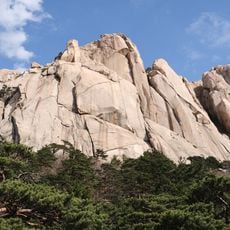
The temple's name comes from a large rock beside Muryangsujeon, not from supporting stones. Legend says the monk Uisang's devoted follower, the Chinese woman Sunmyo, became a dragon and hurled this boulder into the air to drive away opponents of the temple's construction.
The community of curious travelers
AroundUs brings together thousands of curated places, local tips, and hidden gems, enriched daily by 94,261 contributors worldwide.