See the monuments around you in AROpen chests in the app
Around Us is built for your phone — point your camera at the streets and discover the monuments and places around you in augmented reality.Around Us is built for your phone — chests unlock when you walk, explore and capture nearby places.
Away from the usual tourist paths, the Chungcheong region combines ancient fortresses, Buddhist sanctuaries, and coastal shores in one journey.
The Chungcheong region brings together four administrative areas: Chungcheongnam-do, Chungcheongbuk-do, Daejeon, and Sejong. It is a place where you can explore without running into the usual crowds. The region tells the story of the ancient Baekje kingdom through its fortresses, royal tombs, and Buddhist sanctuaries hidden in the mountains. Sites recognized by UNESCO stand alongside archaeological discoveries that help understand this period of history.
Chungcheong also offers varied landscapes. You will find rivers that shaped history, like the Geumgang, quiet lakes where lotus flowers grow, mountains with their carved rocks and forests, and underground limestone caves. To the east, mountains like Songnisan and Gyeryongsan draw hikers. To the west, the coast surprises with its dunes and sandy beaches.
This region mixes past and present. Alongside historic temples and old remains, you will also discover museums, modern parks, and contemporary viewpoints. Chungcheong appeals to those who want to understand Korea beyond what is commonly known, combining history, nature, and daily life.
Away from the usual tourist paths, the Chungcheong region combines ancient fortresses, Buddhist sanctuaries, and coastal shores in one journey.
The Chungcheong region brings together four administrative areas: Chungcheongnam-do, Chungcheongbuk-do, Daejeon, and Sejong. It is a place where you can explore without running into the usual crowds. The region tells the story of the ancient Baekje kingdom through its fortresses, royal tombs, and Buddhist sanctuaries hidden in the mountains. Sites recognized by UNESCO stand alongside archaeological discoveries that help understand this period of history.
Chungcheong also offers varied landscapes. You will find rivers that shaped history, like the Geumgang, quiet lakes where lotus flowers grow, mountains with their carved rocks and forests, and underground limestone caves. To the east, mountains like Songnisan and Gyeryongsan draw hikers. To the west, the coast surprises with its dunes and sandy beaches.
This region mixes past and present. Alongside historic temples and old remains, you will also discover museums, modern parks, and contemporary viewpoints. Chungcheong appeals to those who want to understand Korea beyond what is commonly known, combining history, nature, and daily life.
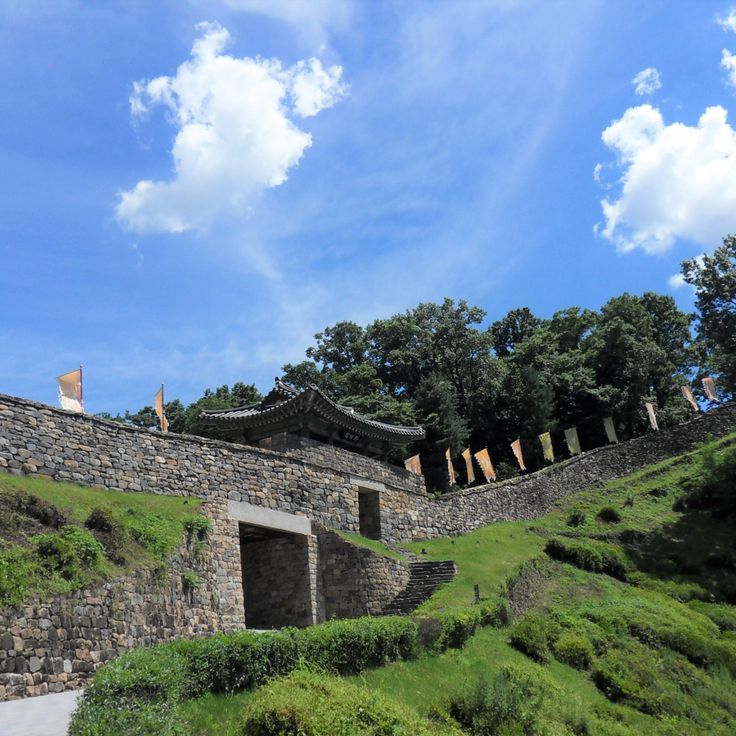
Gongsanseong Fortress sits on a hill above the Geumgang River in Gongju. It was once the heart of the Baekje capital, one of the three ancient kingdoms of Korea. The stone walls follow the natural shape of the land and open onto views of the river and the surrounding hills. Visitors can walk along the old walls and discover the remains of gates, pavilions and small shrines. The fortress is part of a UNESCO World Heritage Site.
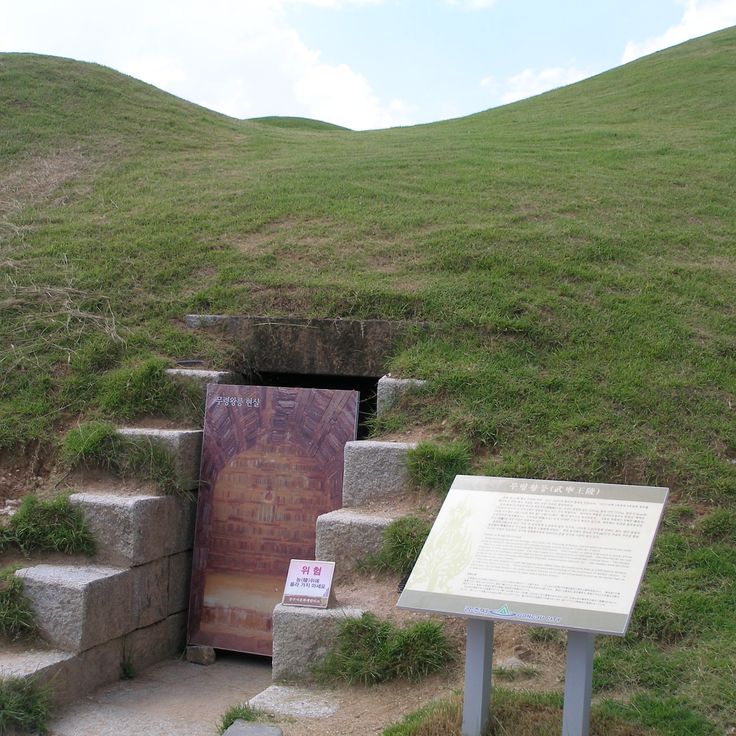
The Royal Tomb of King Muryeong in Gongju is one of the most important archaeological finds in Korea. Discovered in 1971, it held the remains of the king and his queen along with over 4,600 artifacts from the Baekje kingdom. The tomb is part of the UNESCO-listed Baekje Historic Areas and offers a rare window into court life from that era.
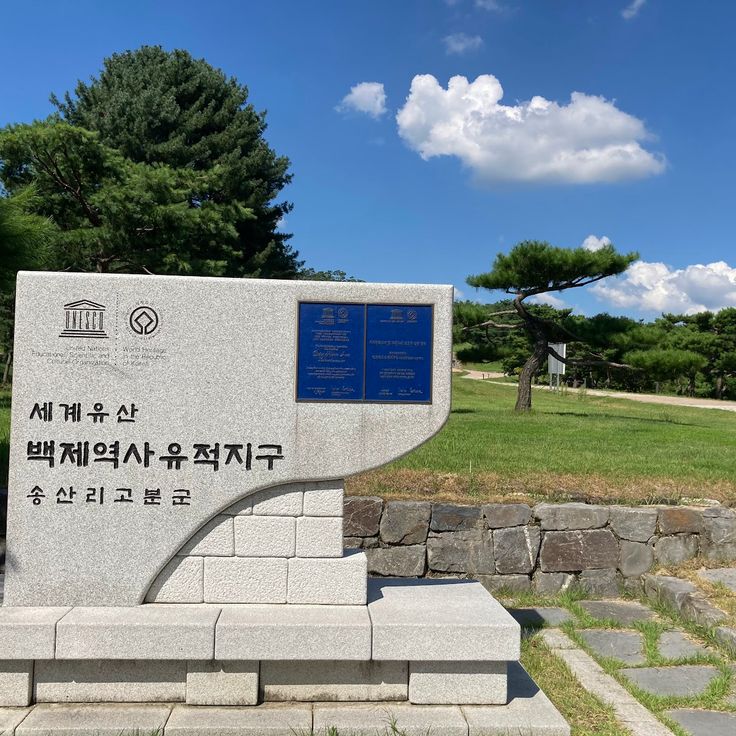
The royal tombs at Songsan-ri stand on low hills just outside the old Baekje capital of Gongju. Seven burial chambers are grouped here, including the tomb of King Muryeong, the only Baekje royal tomb found intact when it was opened in 1971. Gold ornaments, ceramics, and jewelry discovered inside are among the most important archaeological finds in Korea. The site is part of a UNESCO World Heritage listing and gives a direct sense of Baekje court life.
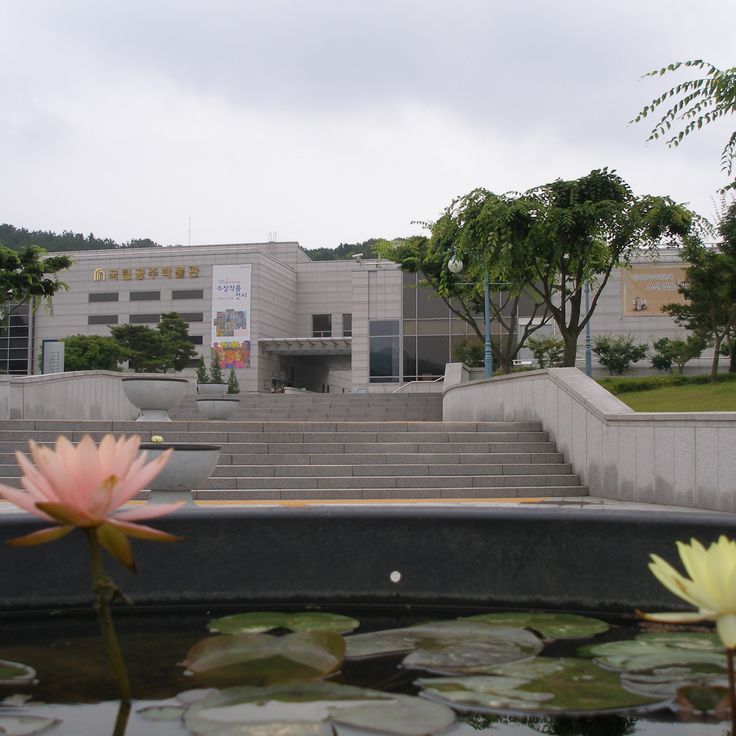
The Gongju National Museum is dedicated to the Baekje civilization, one of the three great kingdoms of ancient Korea. Its collections bring together funerary objects, jewelry, ceramics, and other artifacts uncovered during excavations in the region. A large part of the museum focuses on finds from the royal tomb of King Muryeong, a UNESCO World Heritage site. The displays make it easy to follow the history of Baekje from its rise to its fall.
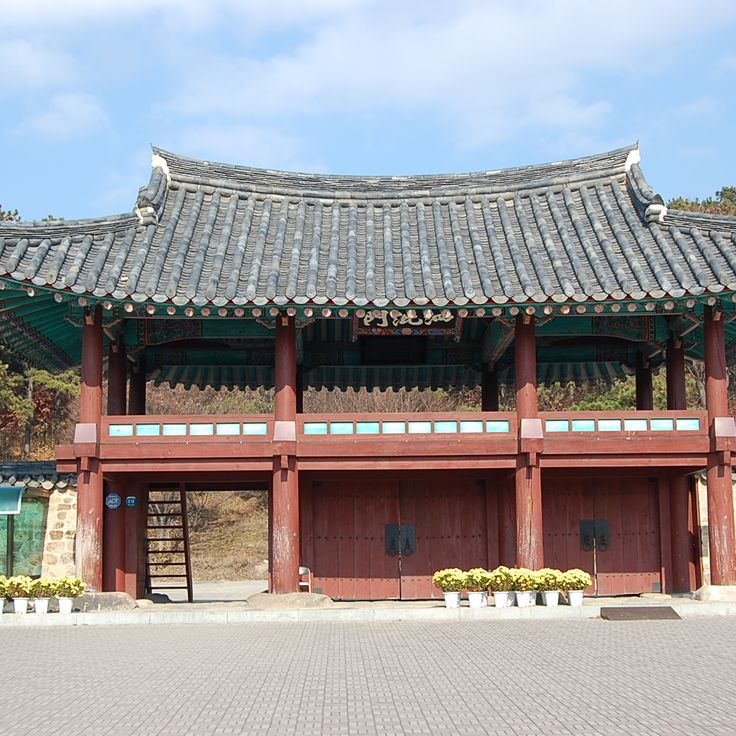
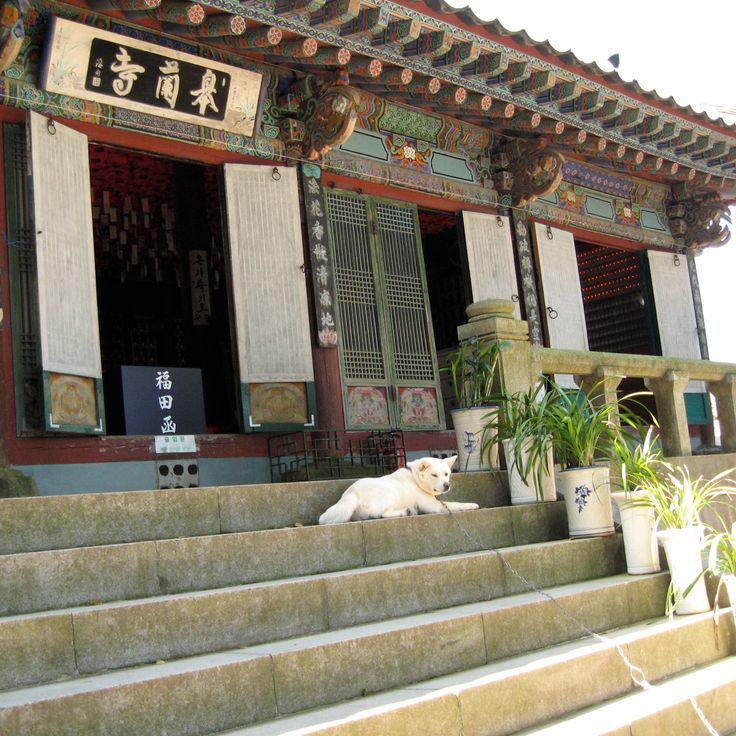
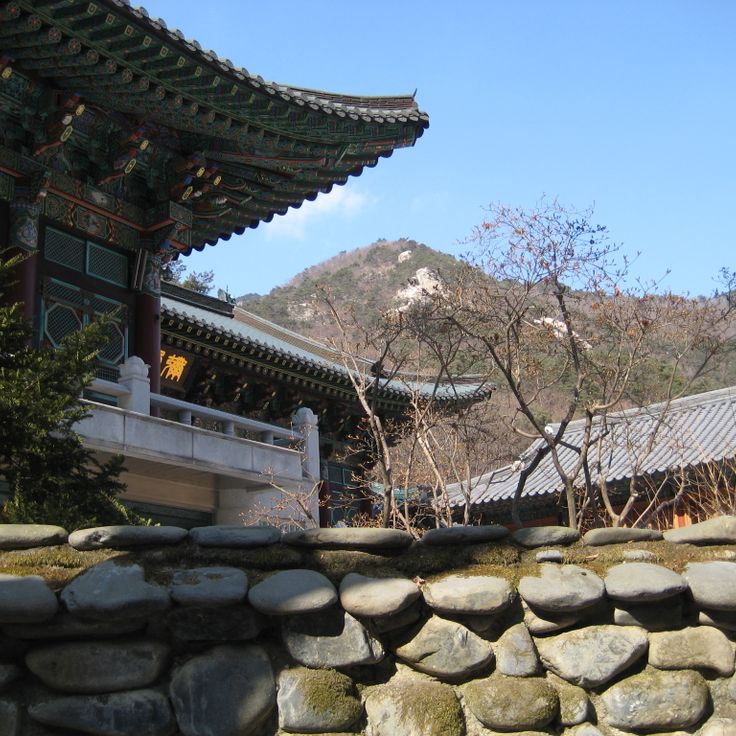
Magoksa Temple sits in a wooded valley near Gongju and is one of the oldest Buddhist temples in the region. Founded in the 7th century, it is now a UNESCO World Heritage site. Walking through the forest path, you cross a small stream before the temple buildings with their curved roofs come into view. The rhythm of daily life here is slow: monks go about their routines, and visitors can take part in meditation sessions or overnight temple stays.
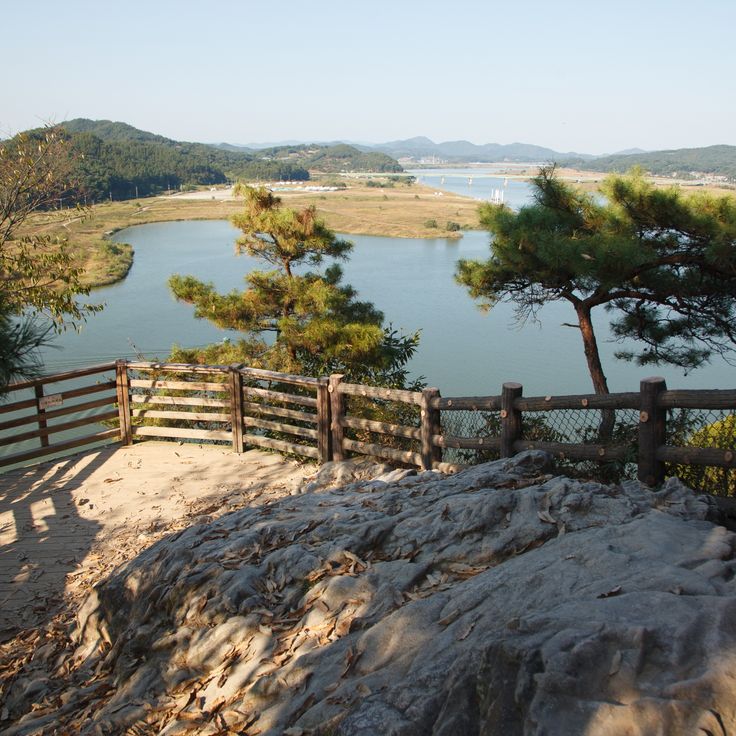
Busosanseong Fortress sits on a wooded hill above the Geumgang River, at the edge of what was once the Baekje capital of Sabi. The old walls follow the shape of the hill, and the paths between them lead through trees to open views over the river below. The site is part of a UNESCO World Heritage listing tied to the Baekje kingdom.
Nakhwaam Rock is a cliff rising above the Geumgang River in Buyeo. It is tied to one of the most famous legends in Korean history: when the Baekje kingdom fell in 660, court ladies are said to have leaped from this rock into the river below rather than surrender to enemy soldiers. Today you can walk along the riverbank and look up at the cliff, a place where the water flows quietly past a spot that carries a heavy story.
Goransa Temple sits at the base of Nakhwaam Rock, where the forest meets the Baengmagang River. The temple is small and built into the hillside, as if carved out of the slope itself. A narrow path along the water leads you there, and the walk already sets the tone for the visit. The closeness to the river and the shade of the trees give the place a quality that is easy to feel but hard to describe. It is one of the quieter stops around Buyeo.
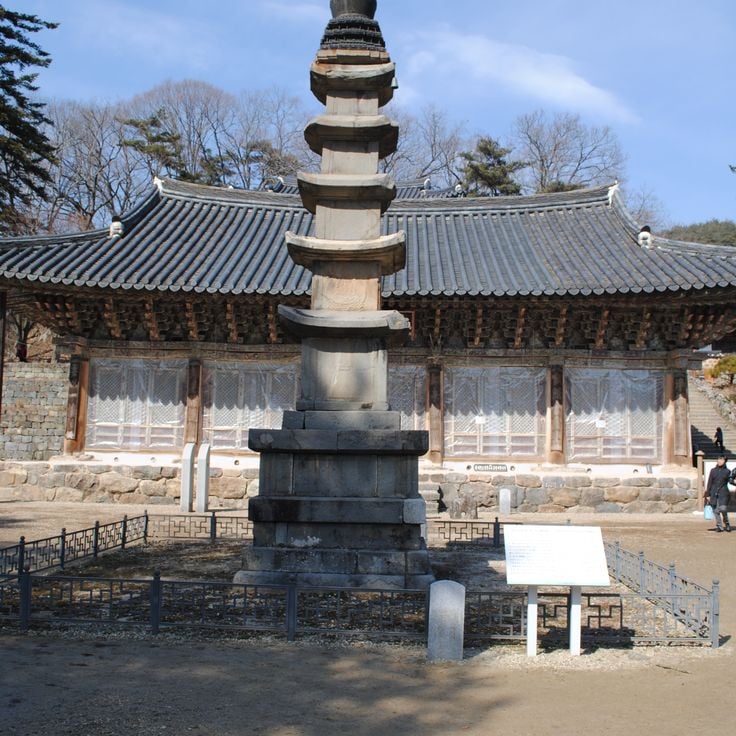
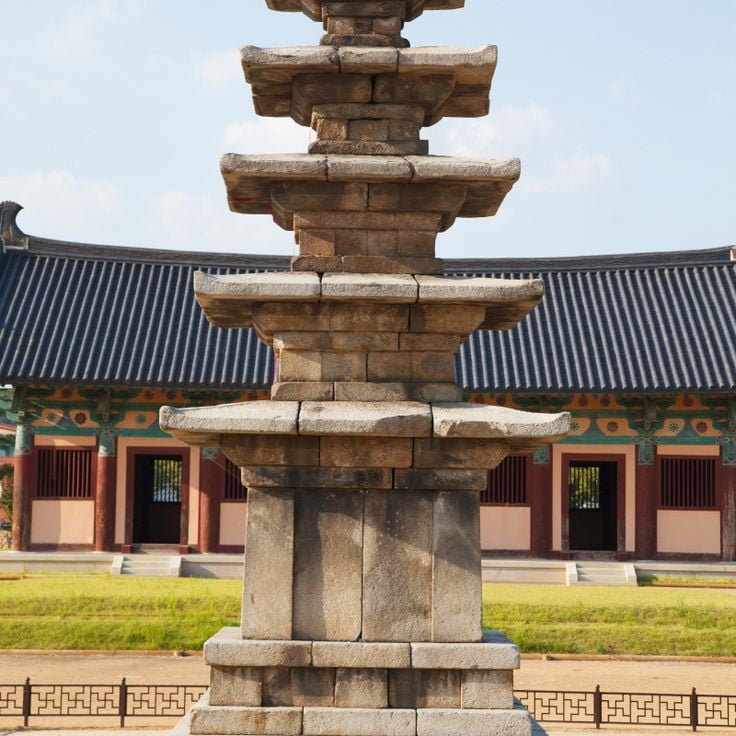
The Jeongnimsa Temple Site sits in Buyeo, a town that was once the heart of the Baekje kingdom. What remains today is a five-story stone pagoda and a pedestal that once held a Buddha statue. The pagoda is among the oldest of its kind in Korea and is recognized by UNESCO. Walking through the site gives a clear sense of how central this place was to the religious life of ancient Baekje.
The Buyeo Royal Tombs at Neungsan-ri sit on a wooded hillside just outside Buyeo and are among the most important remains of the Baekje kingdom. Seven burial mounds from the 6th and 7th centuries were built here for members of the royal family. The tombs are cut into the earth and lined with stone chambers, showing building techniques that connect Baekje to cultures in China and Japan at that time. This site is part of the UNESCO World Heritage listing for Baekje historic areas.
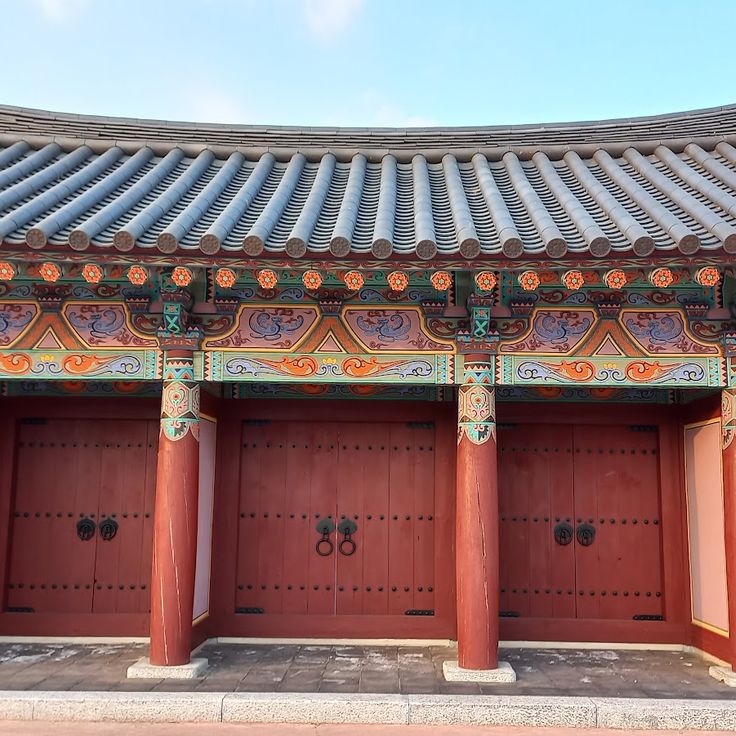
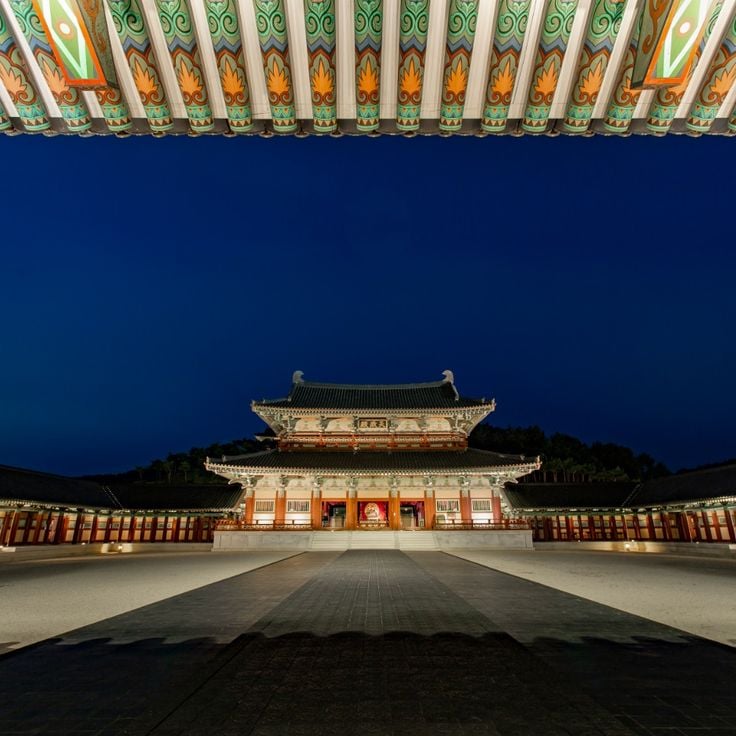
Baekje Cultural Land in Buyeo is a large open-air site where the ancient Baekje kingdom has been brought back to life through reconstructed palaces, temples, and homes. Walking through it feels like stepping into a living version of history, with buildings that show how people built and lived during that era. Traditional crafts, royal halls, and quiet temple spaces give visitors a real sense of what this civilization looked like day to day. It is one of the most tangible ways to understand Baekje culture in South Korea.
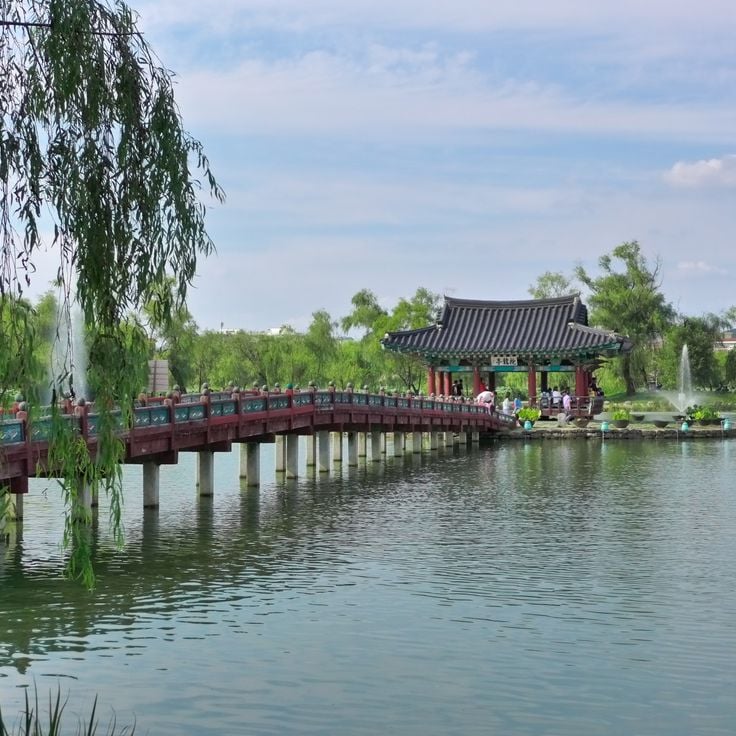
Gungnamji Pond in Buyeo is one of the oldest man-made ponds in Korea, dating back to the Baekje Kingdom. In summer, lotus flowers cover much of the water's surface, and the surrounding path becomes a favorite spot for locals who come to walk and enjoy the view. A small pavilion sits in the middle of the water, reflecting on the still surface. The pond gives a good sense of how Baekje-era gardens and water features were designed.
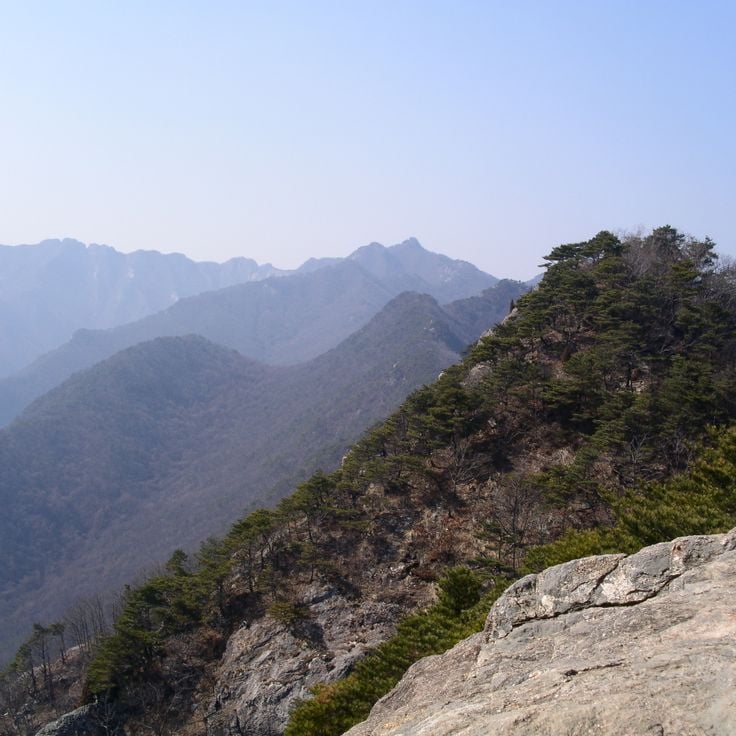
Gyeryongsan National Park sits between Daejeon and South Chungcheong Province, and it is one of the most visited mountain areas in South Korea. Rocky peaks, forested valleys and several Buddhist temples make it a place where nature and history meet. The temple Magoksa, recognized by UNESCO, stands among the trees at the foot of the mountain. In Korean folk tradition, this mountain has long been seen as a place of spiritual energy.
Donghaksa Temple sits at the foot of Gyeryongsan mountain, a short drive from Daejeon. The path leading to it winds through a forest that turns deep red and gold in autumn. This temple is one of the few Buddhist sites in South Korea run mainly by nuns. Small streams run alongside the buildings, and the surrounding slopes are covered with trees. It draws both hikers passing through and people who come to pray.
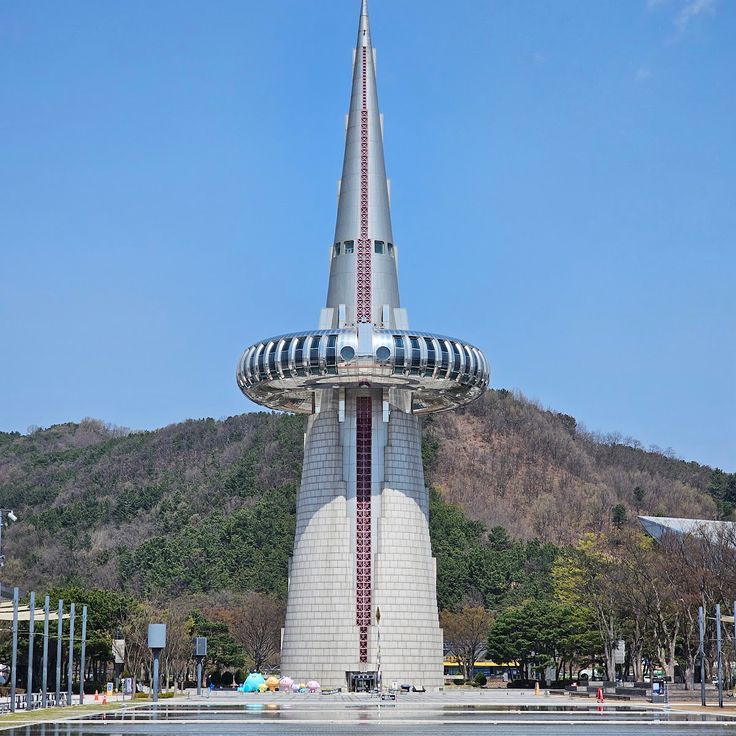
The Daejeon Expo Science Park was built on the site of the 1993 World Exposition and is now a place where visitors can explore science through hands-on exhibits and outdoor spaces. The Hanbit Tower stands tall above the grounds, offering a view over the city. Families, school groups, and locals come here for a day out, and the park gives a sense of what Daejeon looked like when it hosted the world.
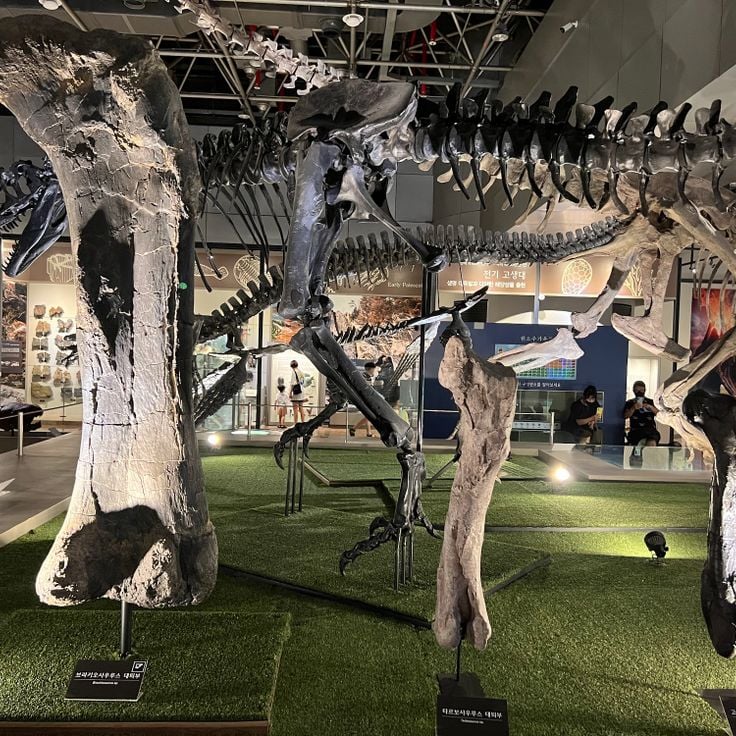
The National Science Museum in Daejeon is one of the largest science museums in South Korea. It covers topics like nature, technology, and space through hands-on displays that work well for families with children. The exhibitions are easy to follow and give a clear sense of how science has shaped Korean society. It is a good stop to understand a side of the country that goes beyond its historical sites.
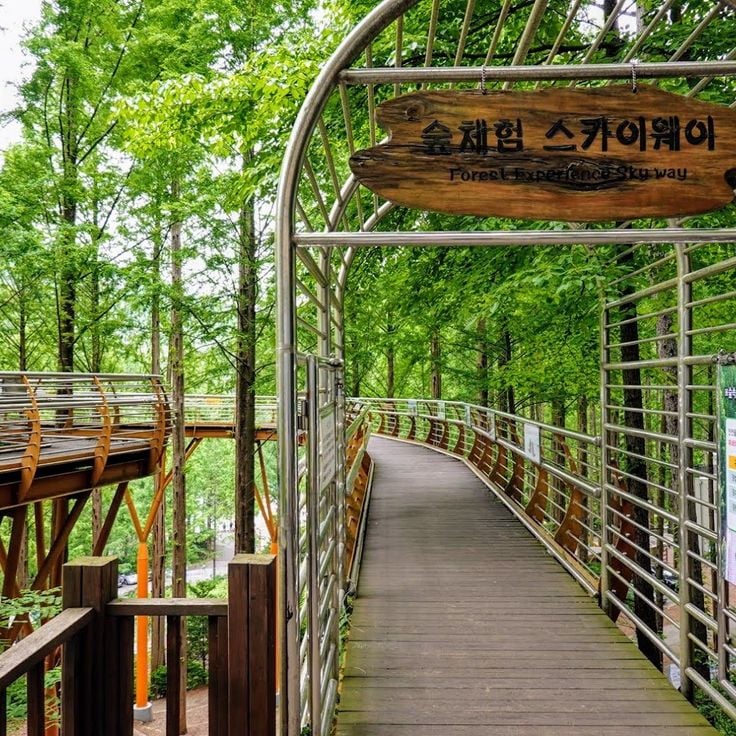
Jangtaesan Recreational Forest sits on the edge of Daejeon and is known for its towering metasequoia trees that line the main paths like tall columns. Wooden walkways run through the forest at different heights, letting visitors walk among the branches rather than just below them. It is a popular spot for families and city residents looking for a half-day outdoors without traveling far.
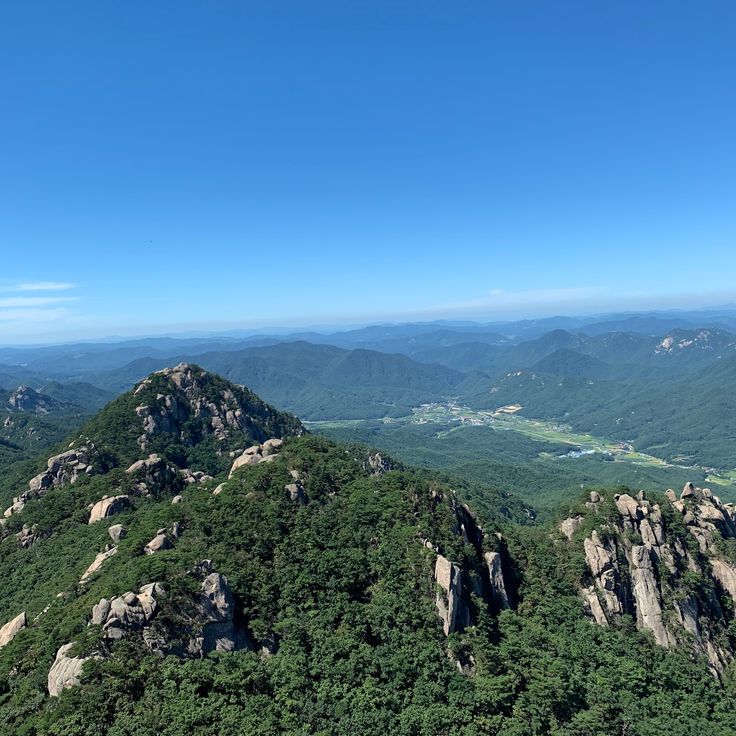
Songnisan National Park sits in the heart of Chungcheongbuk-do and is one of the most visited mountain areas in central South Korea. The rock formations take on unusual shapes, the forests shift color with the seasons, and the trails wind through valleys and along ridges. The Beopjusa temple, which has stood on these slopes for centuries, is a natural stop along the way. Paths range from easy walks to longer hikes, making the park a place where both casual visitors and serious hikers feel at home.
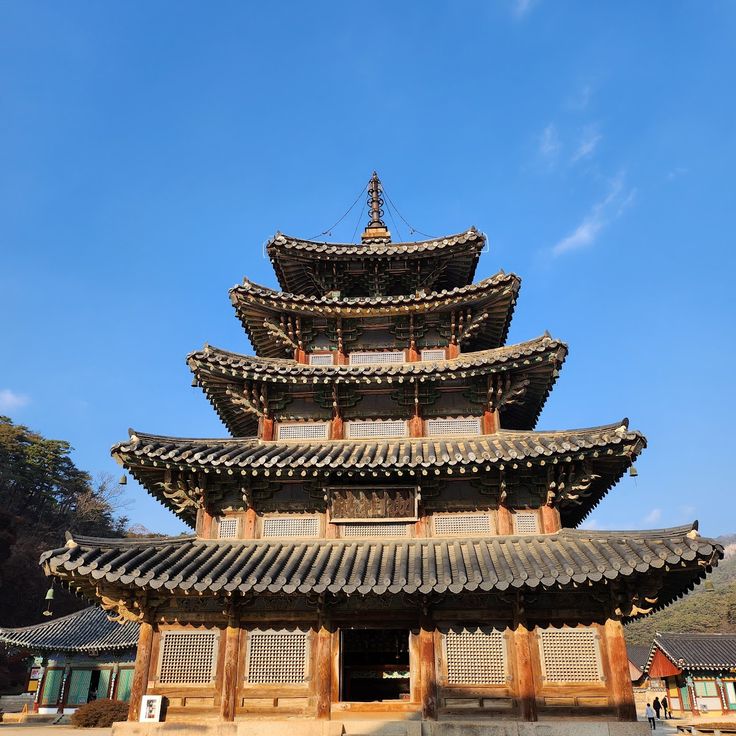
Beopjusa Temple sits at the foot of Mount Songnisan and is one of the oldest Buddhist temple complexes in Korea. A large gilded Buddha statue dominates the site and can be seen from a distance. The wooden pavilions, the old trees, and the general mood of the place make it a natural stop when exploring the Chungcheong region.
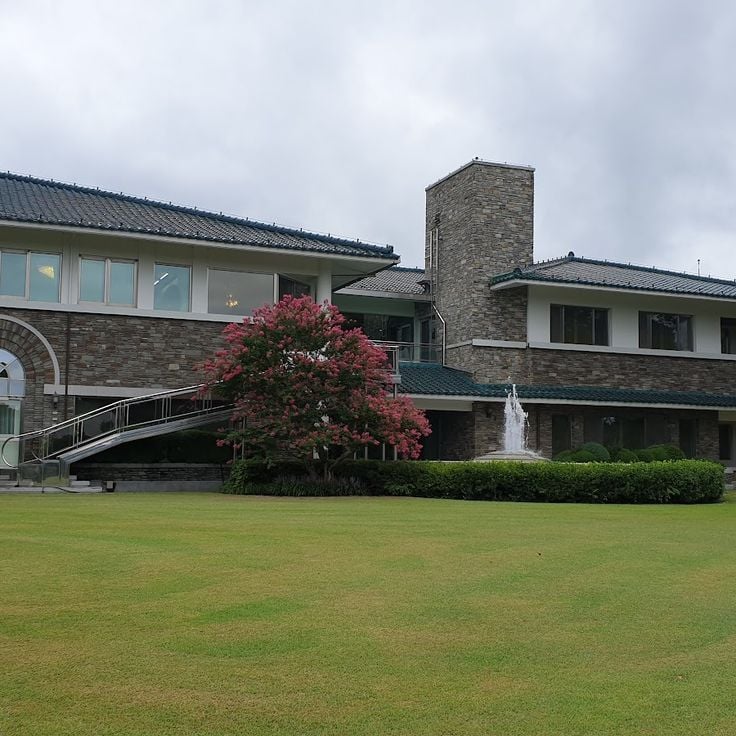
Cheongnamdae Presidential Villa was once the private retreat of South Korean presidents. It sits on the shore of Daecheong Lake, surrounded by forest, and was closed to the public for decades before opening in 2003. Today visitors can walk through the grounds, enter the buildings, and look out over the water. The villa gives a rare look at how South Korean heads of state spent their time away from the capital.
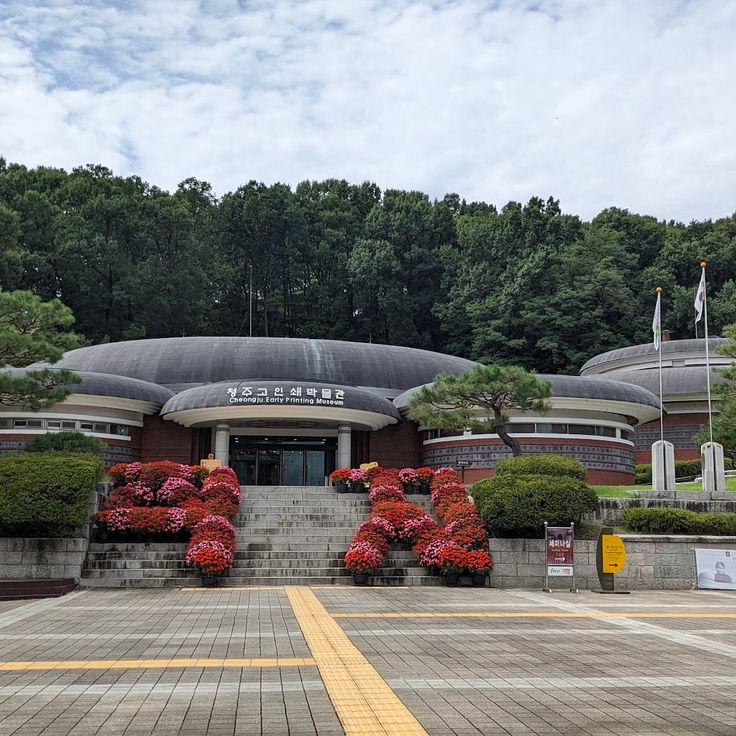
The Cheongju Early Printing Museum sits on the grounds of the old Heungdeoksa Temple, where the Jikji was printed in the 14th century. The Jikji is recognized as the oldest surviving book printed with movable metal type, predating Gutenberg. The museum shows how this printing process worked, bringing the history of the site to life for every visitor.
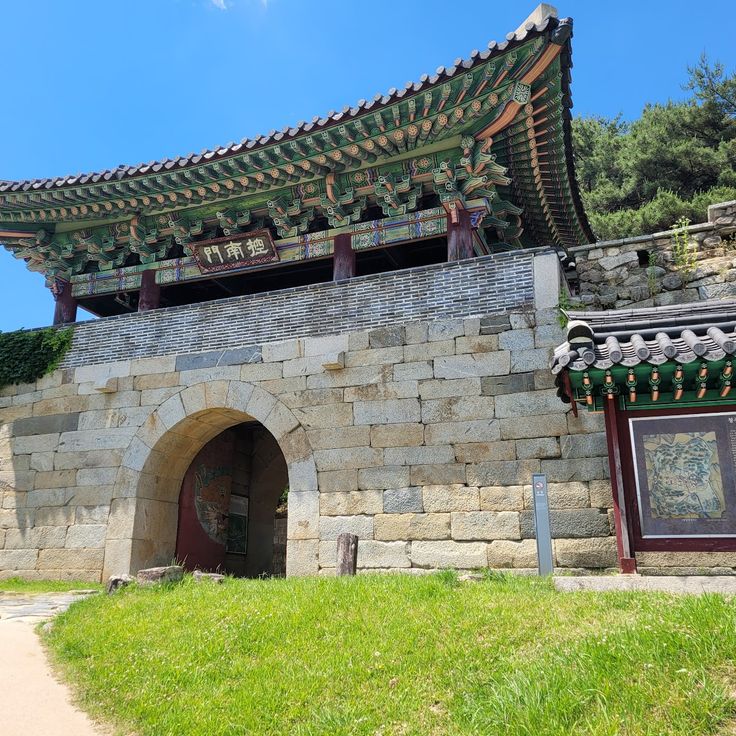
Sangdangsanseong Fortress sits on a mountain ridge above Cheongju and is one of the oldest defensive structures in the Chungcheong region. Its stone walls follow the natural shape of the hillside, and walking along them gives you open views over the forests and valleys below. The site was once a key military position, and today it is a place where you can walk through history at an easy pace.
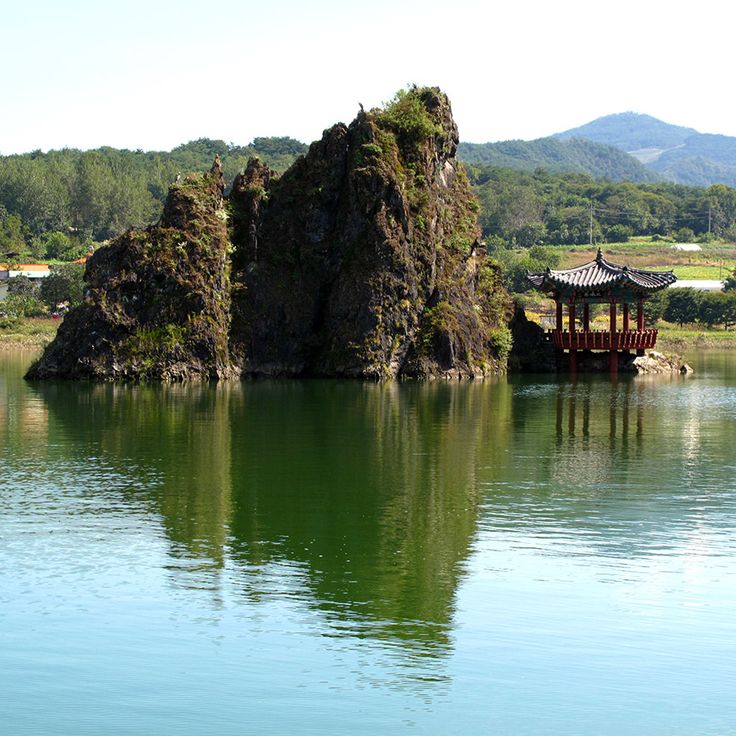
The Dodamsambong Peaks are three rocky towers rising out of the Namhan River. Each one stands surrounded by water, and the tallest carries a small pavilion on top. This scene has been painted and written about for centuries, and it remains one of the most recognizable natural sights in the Danyang area. You can take in the view from the riverbank or from a boat on the water.
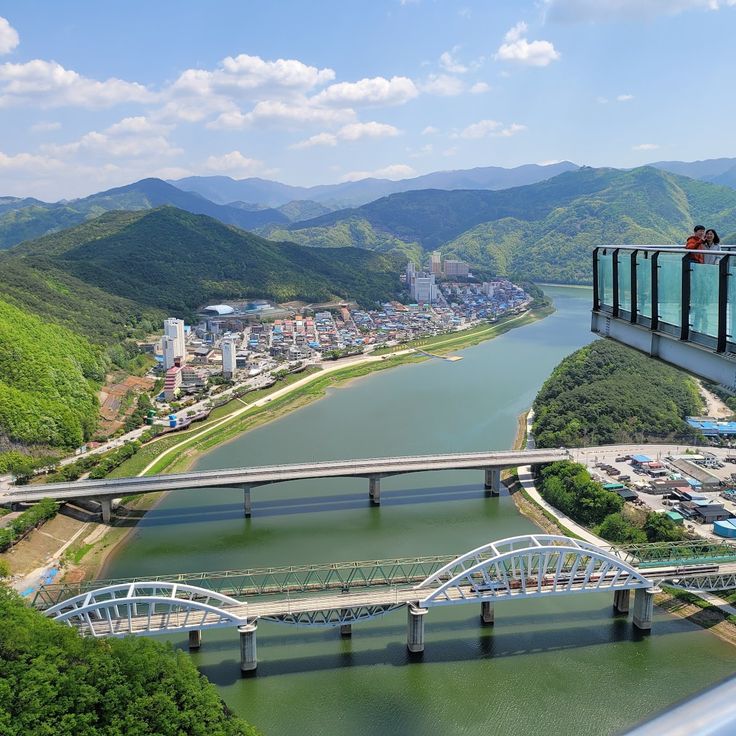
The Mancheonha Skywalk is a glass-floored walkway built out over the Namhan River valley near Danyang. You walk above the cliffs and look straight down at the river and rocks below. The path curves along the edge of a mountain slope, and the view stretches across the surrounding hills. It is a popular stop for visitors exploring the Chungcheongbuk-do region who want to take in the landscape from an unusual angle.
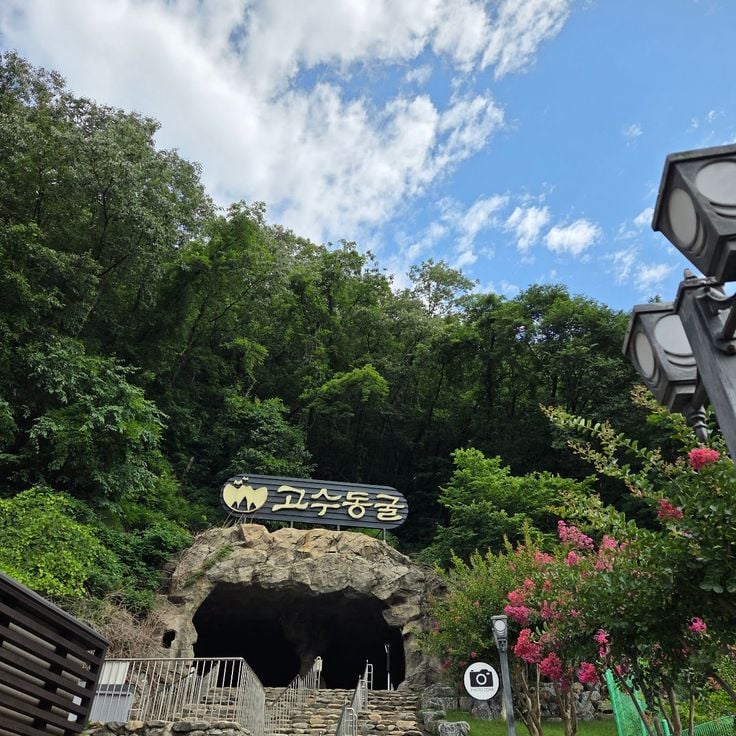
Gosu Cave sits near Danyang, in the mountains of North Chungcheong Province. Walking inside, you follow a lit path through a series of underground chambers formed over thousands of years. The ceilings and floors are covered with stalactites and stalagmites in many shapes and sizes. The air is cool and damp, and the rock formations change as you move deeper into the cave. It is one of the most visited natural sites in the Chungcheong region.
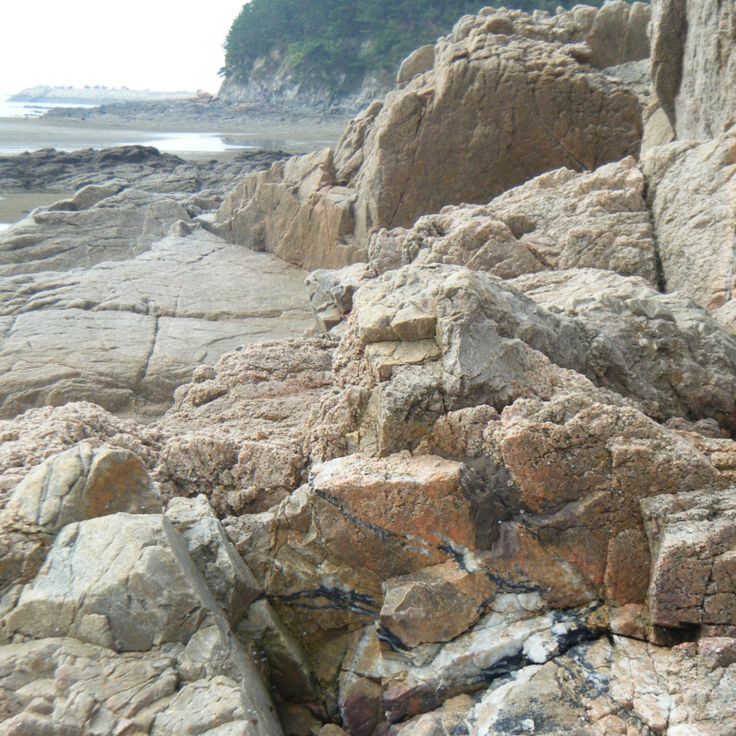
Taeanhaean National Park runs along the western coast of Chungcheongnam-do, where the land meets the Yellow Sea. This park brings together long sandy beaches, coastal dunes, rocky cliffs, and small offshore islands. Pine forests grow right down to the shoreline. The tides shape the landscape constantly, revealing and covering tidal flats throughout the day. It is one of the few places in the Chungcheong region where you can walk along the sea and feel the rhythm of coastal life far from city crowds.
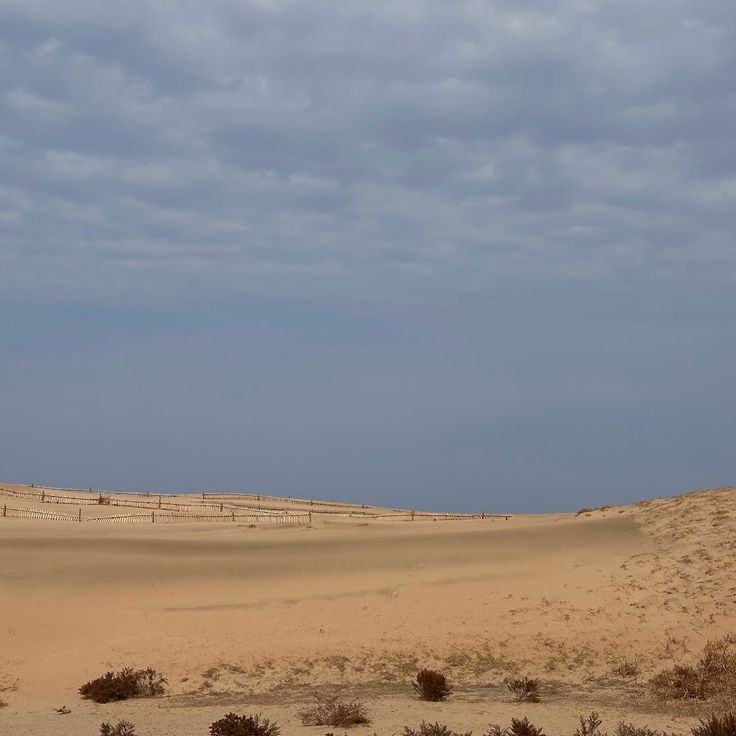
The Sinduri Coastal Sand Dunes near Taean are one of the few places in South Korea where large sand dunes meet the sea. The sand has built up over thousands of years, creating a landscape that feels out of place along this coastline in the best way. Walking across the dunes, you get a clear view of the sea and a sense of how wind and tides have shaped this stretch of coast over time. The dunes sit within the broader Taean coastal area, which is known for its variety of shore environments.
Kkotji Beach sits on the western tip of Anmyeondo Island and is one of the most visited beaches in the Taean area. The sand is pale and soft, and the water stays shallow for a good stretch. Two rocks called Halmi and Harabi, meaning grandmother and grandfather in Korean, rise from the sea just off the shore. At sunset, the light falls directly on them, and people gather on the beach to watch the sky change color over the water.
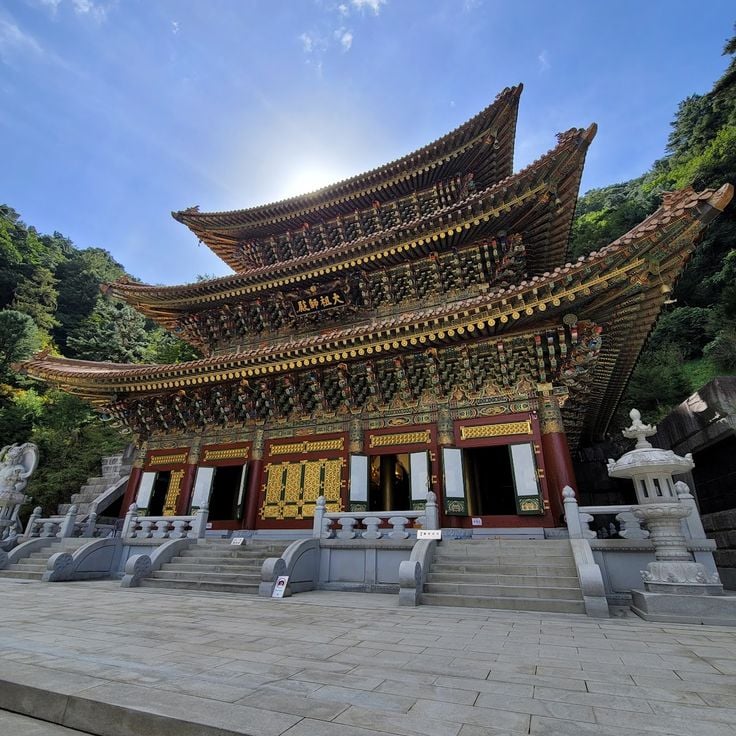
Guinsa Temple sits at the bottom of a narrow valley in Danyang, surrounded by steep rock walls. The buildings rise in layers along the valley floor and up the slopes, since there is no flat ground to spread across. This is the main center of the Cheontae school of Korean Buddhism, and monks, pilgrims, and visitors come here every day from across the country.
Gongsanseong Fortress sits on a hill above the Geumgang River in Gongju. It was once the heart of the Baekje capital, one of the three ancient kingdoms of Korea. The stone walls follow the natural shape of the land and open onto views of the river and the surrounding hills. Visitors can walk along the old walls and discover the remains of gates, pavilions and small shrines. The fortress is part of a UNESCO World Heritage Site.
The Royal Tomb of King Muryeong in Gongju is one of the most important archaeological finds in Korea. Discovered in 1971, it held the remains of the king and his queen along with over 4,600 artifacts from the Baekje kingdom. The tomb is part of the UNESCO-listed Baekje Historic Areas and offers a rare window into court life from that era.
The royal tombs at Songsan-ri stand on low hills just outside the old Baekje capital of Gongju. Seven burial chambers are grouped here, including the tomb of King Muryeong, the only Baekje royal tomb found intact when it was opened in 1971. Gold ornaments, ceramics, and jewelry discovered inside are among the most important archaeological finds in Korea. The site is part of a UNESCO World Heritage listing and gives a direct sense of Baekje court life.
The Gongju National Museum is dedicated to the Baekje civilization, one of the three great kingdoms of ancient Korea. Its collections bring together funerary objects, jewelry, ceramics, and other artifacts uncovered during excavations in the region. A large part of the museum focuses on finds from the royal tomb of King Muryeong, a UNESCO World Heritage site. The displays make it easy to follow the history of Baekje from its rise to its fall.
Magoksa Temple sits in a wooded valley near Gongju and is one of the oldest Buddhist temples in the region. Founded in the 7th century, it is now a UNESCO World Heritage site. Walking through the forest path, you cross a small stream before the temple buildings with their curved roofs come into view. The rhythm of daily life here is slow: monks go about their routines, and visitors can take part in meditation sessions or overnight temple stays.
Busosanseong Fortress sits on a wooded hill above the Geumgang River, at the edge of what was once the Baekje capital of Sabi. The old walls follow the shape of the hill, and the paths between them lead through trees to open views over the river below. The site is part of a UNESCO World Heritage listing tied to the Baekje kingdom.
Nakhwaam Rock is a cliff rising above the Geumgang River in Buyeo. It is tied to one of the most famous legends in Korean history: when the Baekje kingdom fell in 660, court ladies are said to have leaped from this rock into the river below rather than surrender to enemy soldiers. Today you can walk along the riverbank and look up at the cliff, a place where the water flows quietly past a spot that carries a heavy story.
Goransa Temple sits at the base of Nakhwaam Rock, where the forest meets the Baengmagang River. The temple is small and built into the hillside, as if carved out of the slope itself. A narrow path along the water leads you there, and the walk already sets the tone for the visit. The closeness to the river and the shade of the trees give the place a quality that is easy to feel but hard to describe. It is one of the quieter stops around Buyeo.
The Jeongnimsa Temple Site sits in Buyeo, a town that was once the heart of the Baekje kingdom. What remains today is a five-story stone pagoda and a pedestal that once held a Buddha statue. The pagoda is among the oldest of its kind in Korea and is recognized by UNESCO. Walking through the site gives a clear sense of how central this place was to the religious life of ancient Baekje.
The Buyeo Royal Tombs at Neungsan-ri sit on a wooded hillside just outside Buyeo and are among the most important remains of the Baekje kingdom. Seven burial mounds from the 6th and 7th centuries were built here for members of the royal family. The tombs are cut into the earth and lined with stone chambers, showing building techniques that connect Baekje to cultures in China and Japan at that time. This site is part of the UNESCO World Heritage listing for Baekje historic areas.
Baekje Cultural Land in Buyeo is a large open-air site where the ancient Baekje kingdom has been brought back to life through reconstructed palaces, temples, and homes. Walking through it feels like stepping into a living version of history, with buildings that show how people built and lived during that era. Traditional crafts, royal halls, and quiet temple spaces give visitors a real sense of what this civilization looked like day to day. It is one of the most tangible ways to understand Baekje culture in South Korea.
Gungnamji Pond in Buyeo is one of the oldest man-made ponds in Korea, dating back to the Baekje Kingdom. In summer, lotus flowers cover much of the water's surface, and the surrounding path becomes a favorite spot for locals who come to walk and enjoy the view. A small pavilion sits in the middle of the water, reflecting on the still surface. The pond gives a good sense of how Baekje-era gardens and water features were designed.
Gyeryongsan National Park sits between Daejeon and South Chungcheong Province, and it is one of the most visited mountain areas in South Korea. Rocky peaks, forested valleys and several Buddhist temples make it a place where nature and history meet. The temple Magoksa, recognized by UNESCO, stands among the trees at the foot of the mountain. In Korean folk tradition, this mountain has long been seen as a place of spiritual energy.
Donghaksa Temple sits at the foot of Gyeryongsan mountain, a short drive from Daejeon. The path leading to it winds through a forest that turns deep red and gold in autumn. This temple is one of the few Buddhist sites in South Korea run mainly by nuns. Small streams run alongside the buildings, and the surrounding slopes are covered with trees. It draws both hikers passing through and people who come to pray.
The Daejeon Expo Science Park was built on the site of the 1993 World Exposition and is now a place where visitors can explore science through hands-on exhibits and outdoor spaces. The Hanbit Tower stands tall above the grounds, offering a view over the city. Families, school groups, and locals come here for a day out, and the park gives a sense of what Daejeon looked like when it hosted the world.
The National Science Museum in Daejeon is one of the largest science museums in South Korea. It covers topics like nature, technology, and space through hands-on displays that work well for families with children. The exhibitions are easy to follow and give a clear sense of how science has shaped Korean society. It is a good stop to understand a side of the country that goes beyond its historical sites.
Jangtaesan Recreational Forest sits on the edge of Daejeon and is known for its towering metasequoia trees that line the main paths like tall columns. Wooden walkways run through the forest at different heights, letting visitors walk among the branches rather than just below them. It is a popular spot for families and city residents looking for a half-day outdoors without traveling far.
Songnisan National Park sits in the heart of Chungcheongbuk-do and is one of the most visited mountain areas in central South Korea. The rock formations take on unusual shapes, the forests shift color with the seasons, and the trails wind through valleys and along ridges. The Beopjusa temple, which has stood on these slopes for centuries, is a natural stop along the way. Paths range from easy walks to longer hikes, making the park a place where both casual visitors and serious hikers feel at home.
Beopjusa Temple sits at the foot of Mount Songnisan and is one of the oldest Buddhist temple complexes in Korea. A large gilded Buddha statue dominates the site and can be seen from a distance. The wooden pavilions, the old trees, and the general mood of the place make it a natural stop when exploring the Chungcheong region.
Cheongnamdae Presidential Villa was once the private retreat of South Korean presidents. It sits on the shore of Daecheong Lake, surrounded by forest, and was closed to the public for decades before opening in 2003. Today visitors can walk through the grounds, enter the buildings, and look out over the water. The villa gives a rare look at how South Korean heads of state spent their time away from the capital.
The Cheongju Early Printing Museum sits on the grounds of the old Heungdeoksa Temple, where the Jikji was printed in the 14th century. The Jikji is recognized as the oldest surviving book printed with movable metal type, predating Gutenberg. The museum shows how this printing process worked, bringing the history of the site to life for every visitor.
Sangdangsanseong Fortress sits on a mountain ridge above Cheongju and is one of the oldest defensive structures in the Chungcheong region. Its stone walls follow the natural shape of the hillside, and walking along them gives you open views over the forests and valleys below. The site was once a key military position, and today it is a place where you can walk through history at an easy pace.
The Dodamsambong Peaks are three rocky towers rising out of the Namhan River. Each one stands surrounded by water, and the tallest carries a small pavilion on top. This scene has been painted and written about for centuries, and it remains one of the most recognizable natural sights in the Danyang area. You can take in the view from the riverbank or from a boat on the water.
The Mancheonha Skywalk is a glass-floored walkway built out over the Namhan River valley near Danyang. You walk above the cliffs and look straight down at the river and rocks below. The path curves along the edge of a mountain slope, and the view stretches across the surrounding hills. It is a popular stop for visitors exploring the Chungcheongbuk-do region who want to take in the landscape from an unusual angle.
Gosu Cave sits near Danyang, in the mountains of North Chungcheong Province. Walking inside, you follow a lit path through a series of underground chambers formed over thousands of years. The ceilings and floors are covered with stalactites and stalagmites in many shapes and sizes. The air is cool and damp, and the rock formations change as you move deeper into the cave. It is one of the most visited natural sites in the Chungcheong region.
Taeanhaean National Park runs along the western coast of Chungcheongnam-do, where the land meets the Yellow Sea. This park brings together long sandy beaches, coastal dunes, rocky cliffs, and small offshore islands. Pine forests grow right down to the shoreline. The tides shape the landscape constantly, revealing and covering tidal flats throughout the day. It is one of the few places in the Chungcheong region where you can walk along the sea and feel the rhythm of coastal life far from city crowds.
The Sinduri Coastal Sand Dunes near Taean are one of the few places in South Korea where large sand dunes meet the sea. The sand has built up over thousands of years, creating a landscape that feels out of place along this coastline in the best way. Walking across the dunes, you get a clear view of the sea and a sense of how wind and tides have shaped this stretch of coast over time. The dunes sit within the broader Taean coastal area, which is known for its variety of shore environments.
Kkotji Beach sits on the western tip of Anmyeondo Island and is one of the most visited beaches in the Taean area. The sand is pale and soft, and the water stays shallow for a good stretch. Two rocks called Halmi and Harabi, meaning grandmother and grandfather in Korean, rise from the sea just off the shore. At sunset, the light falls directly on them, and people gather on the beach to watch the sky change color over the water.
Guinsa Temple sits at the bottom of a narrow valley in Danyang, surrounded by steep rock walls. The buildings rise in layers along the valley floor and up the slopes, since there is no flat ground to spread across. This is the main center of the Cheontae school of Korean Buddhism, and monks, pilgrims, and visitors come here every day from across the country.
Gongsanseong Fortress sits on a hill above the Geumgang River in Gongju. It was once the heart of the Baekje capital, one of the three ancient kingdoms of Korea. The stone walls follow the natural shape of the land and open onto views of the river and the surrounding hills. Visitors can walk along the old walls and discover the remains of gates, pavilions and small shrines. The fortress is part of a UNESCO World Heritage Site.
The Royal Tomb of King Muryeong in Gongju is one of the most important archaeological finds in Korea. Discovered in 1971, it held the remains of the king and his queen along with over 4,600 artifacts from the Baekje kingdom. The tomb is part of the UNESCO-listed Baekje Historic Areas and offers a rare window into court life from that era.
The royal tombs at Songsan-ri stand on low hills just outside the old Baekje capital of Gongju. Seven burial chambers are grouped here, including the tomb of King Muryeong, the only Baekje royal tomb found intact when it was opened in 1971. Gold ornaments, ceramics, and jewelry discovered inside are among the most important archaeological finds in Korea. The site is part of a UNESCO World Heritage listing and gives a direct sense of Baekje court life.
The Gongju National Museum is dedicated to the Baekje civilization, one of the three great kingdoms of ancient Korea. Its collections bring together funerary objects, jewelry, ceramics, and other artifacts uncovered during excavations in the region. A large part of the museum focuses on finds from the royal tomb of King Muryeong, a UNESCO World Heritage site. The displays make it easy to follow the history of Baekje from its rise to its fall.
Magoksa Temple sits in a wooded valley near Gongju and is one of the oldest Buddhist temples in the region. Founded in the 7th century, it is now a UNESCO World Heritage site. Walking through the forest path, you cross a small stream before the temple buildings with their curved roofs come into view. The rhythm of daily life here is slow: monks go about their routines, and visitors can take part in meditation sessions or overnight temple stays.
Busosanseong Fortress sits on a wooded hill above the Geumgang River, at the edge of what was once the Baekje capital of Sabi. The old walls follow the shape of the hill, and the paths between them lead through trees to open views over the river below. The site is part of a UNESCO World Heritage listing tied to the Baekje kingdom.
Nakhwaam Rock is a cliff rising above the Geumgang River in Buyeo. It is tied to one of the most famous legends in Korean history: when the Baekje kingdom fell in 660, court ladies are said to have leaped from this rock into the river below rather than surrender to enemy soldiers. Today you can walk along the riverbank and look up at the cliff, a place where the water flows quietly past a spot that carries a heavy story.
Goransa Temple sits at the base of Nakhwaam Rock, where the forest meets the Baengmagang River. The temple is small and built into the hillside, as if carved out of the slope itself. A narrow path along the water leads you there, and the walk already sets the tone for the visit. The closeness to the river and the shade of the trees give the place a quality that is easy to feel but hard to describe. It is one of the quieter stops around Buyeo.
The Jeongnimsa Temple Site sits in Buyeo, a town that was once the heart of the Baekje kingdom. What remains today is a five-story stone pagoda and a pedestal that once held a Buddha statue. The pagoda is among the oldest of its kind in Korea and is recognized by UNESCO. Walking through the site gives a clear sense of how central this place was to the religious life of ancient Baekje.
The Buyeo Royal Tombs at Neungsan-ri sit on a wooded hillside just outside Buyeo and are among the most important remains of the Baekje kingdom. Seven burial mounds from the 6th and 7th centuries were built here for members of the royal family. The tombs are cut into the earth and lined with stone chambers, showing building techniques that connect Baekje to cultures in China and Japan at that time. This site is part of the UNESCO World Heritage listing for Baekje historic areas.
Baekje Cultural Land in Buyeo is a large open-air site where the ancient Baekje kingdom has been brought back to life through reconstructed palaces, temples, and homes. Walking through it feels like stepping into a living version of history, with buildings that show how people built and lived during that era. Traditional crafts, royal halls, and quiet temple spaces give visitors a real sense of what this civilization looked like day to day. It is one of the most tangible ways to understand Baekje culture in South Korea.
Gungnamji Pond in Buyeo is one of the oldest man-made ponds in Korea, dating back to the Baekje Kingdom. In summer, lotus flowers cover much of the water's surface, and the surrounding path becomes a favorite spot for locals who come to walk and enjoy the view. A small pavilion sits in the middle of the water, reflecting on the still surface. The pond gives a good sense of how Baekje-era gardens and water features were designed.
Gyeryongsan National Park sits between Daejeon and South Chungcheong Province, and it is one of the most visited mountain areas in South Korea. Rocky peaks, forested valleys and several Buddhist temples make it a place where nature and history meet. The temple Magoksa, recognized by UNESCO, stands among the trees at the foot of the mountain. In Korean folk tradition, this mountain has long been seen as a place of spiritual energy.
Donghaksa Temple sits at the foot of Gyeryongsan mountain, a short drive from Daejeon. The path leading to it winds through a forest that turns deep red and gold in autumn. This temple is one of the few Buddhist sites in South Korea run mainly by nuns. Small streams run alongside the buildings, and the surrounding slopes are covered with trees. It draws both hikers passing through and people who come to pray.
The Daejeon Expo Science Park was built on the site of the 1993 World Exposition and is now a place where visitors can explore science through hands-on exhibits and outdoor spaces. The Hanbit Tower stands tall above the grounds, offering a view over the city. Families, school groups, and locals come here for a day out, and the park gives a sense of what Daejeon looked like when it hosted the world.
The National Science Museum in Daejeon is one of the largest science museums in South Korea. It covers topics like nature, technology, and space through hands-on displays that work well for families with children. The exhibitions are easy to follow and give a clear sense of how science has shaped Korean society. It is a good stop to understand a side of the country that goes beyond its historical sites.
Jangtaesan Recreational Forest sits on the edge of Daejeon and is known for its towering metasequoia trees that line the main paths like tall columns. Wooden walkways run through the forest at different heights, letting visitors walk among the branches rather than just below them. It is a popular spot for families and city residents looking for a half-day outdoors without traveling far.
Songnisan National Park sits in the heart of Chungcheongbuk-do and is one of the most visited mountain areas in central South Korea. The rock formations take on unusual shapes, the forests shift color with the seasons, and the trails wind through valleys and along ridges. The Beopjusa temple, which has stood on these slopes for centuries, is a natural stop along the way. Paths range from easy walks to longer hikes, making the park a place where both casual visitors and serious hikers feel at home.
Beopjusa Temple sits at the foot of Mount Songnisan and is one of the oldest Buddhist temple complexes in Korea. A large gilded Buddha statue dominates the site and can be seen from a distance. The wooden pavilions, the old trees, and the general mood of the place make it a natural stop when exploring the Chungcheong region.
Cheongnamdae Presidential Villa was once the private retreat of South Korean presidents. It sits on the shore of Daecheong Lake, surrounded by forest, and was closed to the public for decades before opening in 2003. Today visitors can walk through the grounds, enter the buildings, and look out over the water. The villa gives a rare look at how South Korean heads of state spent their time away from the capital.
The Cheongju Early Printing Museum sits on the grounds of the old Heungdeoksa Temple, where the Jikji was printed in the 14th century. The Jikji is recognized as the oldest surviving book printed with movable metal type, predating Gutenberg. The museum shows how this printing process worked, bringing the history of the site to life for every visitor.
Sangdangsanseong Fortress sits on a mountain ridge above Cheongju and is one of the oldest defensive structures in the Chungcheong region. Its stone walls follow the natural shape of the hillside, and walking along them gives you open views over the forests and valleys below. The site was once a key military position, and today it is a place where you can walk through history at an easy pace.
The Dodamsambong Peaks are three rocky towers rising out of the Namhan River. Each one stands surrounded by water, and the tallest carries a small pavilion on top. This scene has been painted and written about for centuries, and it remains one of the most recognizable natural sights in the Danyang area. You can take in the view from the riverbank or from a boat on the water.
The Mancheonha Skywalk is a glass-floored walkway built out over the Namhan River valley near Danyang. You walk above the cliffs and look straight down at the river and rocks below. The path curves along the edge of a mountain slope, and the view stretches across the surrounding hills. It is a popular stop for visitors exploring the Chungcheongbuk-do region who want to take in the landscape from an unusual angle.
Gosu Cave sits near Danyang, in the mountains of North Chungcheong Province. Walking inside, you follow a lit path through a series of underground chambers formed over thousands of years. The ceilings and floors are covered with stalactites and stalagmites in many shapes and sizes. The air is cool and damp, and the rock formations change as you move deeper into the cave. It is one of the most visited natural sites in the Chungcheong region.
Taeanhaean National Park runs along the western coast of Chungcheongnam-do, where the land meets the Yellow Sea. This park brings together long sandy beaches, coastal dunes, rocky cliffs, and small offshore islands. Pine forests grow right down to the shoreline. The tides shape the landscape constantly, revealing and covering tidal flats throughout the day. It is one of the few places in the Chungcheong region where you can walk along the sea and feel the rhythm of coastal life far from city crowds.
The Sinduri Coastal Sand Dunes near Taean are one of the few places in South Korea where large sand dunes meet the sea. The sand has built up over thousands of years, creating a landscape that feels out of place along this coastline in the best way. Walking across the dunes, you get a clear view of the sea and a sense of how wind and tides have shaped this stretch of coast over time. The dunes sit within the broader Taean coastal area, which is known for its variety of shore environments.
Kkotji Beach sits on the western tip of Anmyeondo Island and is one of the most visited beaches in the Taean area. The sand is pale and soft, and the water stays shallow for a good stretch. Two rocks called Halmi and Harabi, meaning grandmother and grandfather in Korean, rise from the sea just off the shore. At sunset, the light falls directly on them, and people gather on the beach to watch the sky change color over the water.
Guinsa Temple sits at the bottom of a narrow valley in Danyang, surrounded by steep rock walls. The buildings rise in layers along the valley floor and up the slopes, since there is no flat ground to spread across. This is the main center of the Cheontae school of Korean Buddhism, and monks, pilgrims, and visitors come here every day from across the country.
Visit the region in autumn or spring to enjoy the seasonal colors without the crowds. Winter is cold and dry, but the mountain temples take on a different look then. Summer draws many visitors and the heat can be intense.