See the monuments around you in AROpen chests in the app
Around Us is built for your phone — point your camera at the streets and discover the monuments and places around you in augmented reality.Around Us is built for your phone — chests unlock when you walk, explore and capture nearby places.
Central squares in Asia: Tiananmen, Red Square, Durbar Square
Public squares across Asia combine historical significance with contemporary urban life. These spaces have served as centers for commerce, political gatherings and social events for centuries, reflecting the cultural evolution of their regions. Visitors encounter monuments symbolizing national identity, religious sites preserving spiritual traditions, and architecture spanning from imperial dynasties to the present day.
Notable examples include Tiananmen Square in Beijing, one of the world's largest public plazas, and Naqsh-e Jahan Square in Isfahan, a 17th-century masterpiece of Persian urban planning. In Kathmandu, Durbar Square showcases Newari architecture, while Gwanghwamun Square in Seoul merges modern urban design with historical references. Sultanahmet Square in Istanbul sits between Byzantine and Ottoman landmarks, and Rizal Park in Manila commemorates the Philippine independence movement. These squares remain active components of urban life, offering travelers opportunities to experience local customs, street markets and seasonal festivals.
Central squares in Asia: Tiananmen, Red Square, Durbar Square
Public squares across Asia combine historical significance with contemporary urban life. These spaces have served as centers for commerce, political gatherings and social events for centuries, reflecting the cultural evolution of their regions. Visitors encounter monuments symbolizing national identity, religious sites preserving spiritual traditions, and architecture spanning from imperial dynasties to the present day.
Notable examples include Tiananmen Square in Beijing, one of the world's largest public plazas, and Naqsh-e Jahan Square in Isfahan, a 17th-century masterpiece of Persian urban planning. In Kathmandu, Durbar Square showcases Newari architecture, while Gwanghwamun Square in Seoul merges modern urban design with historical references. Sultanahmet Square in Istanbul sits between Byzantine and Ottoman landmarks, and Rizal Park in Manila commemorates the Philippine independence movement. These squares remain active components of urban life, offering travelers opportunities to experience local customs, street markets and seasonal festivals.
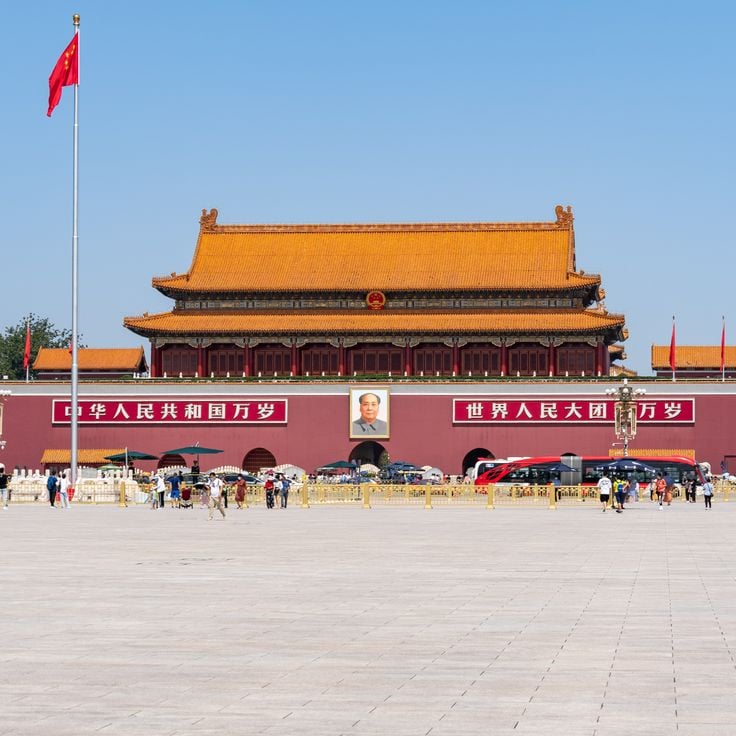
This central square in Beijing spans 440,000 square meters (106 acres) and serves as a major gathering point featuring historical monuments and government buildings. Tiananmen Square was established in the 15th century as an imperial gate and expanded after 1949 to become the world's largest public square. Visitors find the Monument to the People's Heroes, the Chairman Mao Mausoleum and the Gate of Heavenly Peace on its northern side. The square hosts daily flag ceremonies at sunrise and sunset and attracts both domestic and international visitors seeking to experience Chinese history and architecture.
This central square in Moscow connects the historical and political heart of Russia. Red Square covers 790,000 square feet (73,000 square meters) and borders the Kremlin, the former fortress now serving as the Russian government residence. Saint Basil's Cathedral, with its colorful onion domes, was built between 1555 and 1561. Lenin's Mausoleum, constructed from red granite, has housed the embalmed body of the revolutionary leader since 1924. The Kazan Cathedral and the State Historical Museum complete the architectural ensemble. The square has served for centuries as a site for military parades, public announcements and social gatherings. The cobblestone expanse remains closed to vehicles, allowing visitors direct access to the surrounding monuments and cultural institutions.
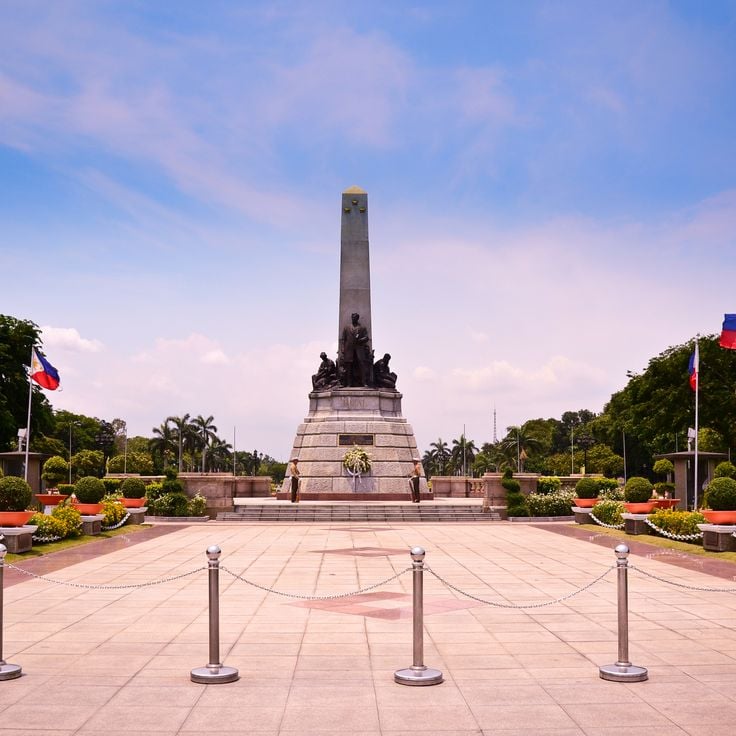
This 143-acre (58-hectare) park in central Manila contains gardens, statues and a monument to Philippine national hero José Rizal. The Rizal Park serves as a major gathering point for public events, cultural celebrations and social meetings. Visitors can walk through the landscaped gardens, sample local food at surrounding stalls and participate in traditional activities that reflect the cultural heritage of the region.
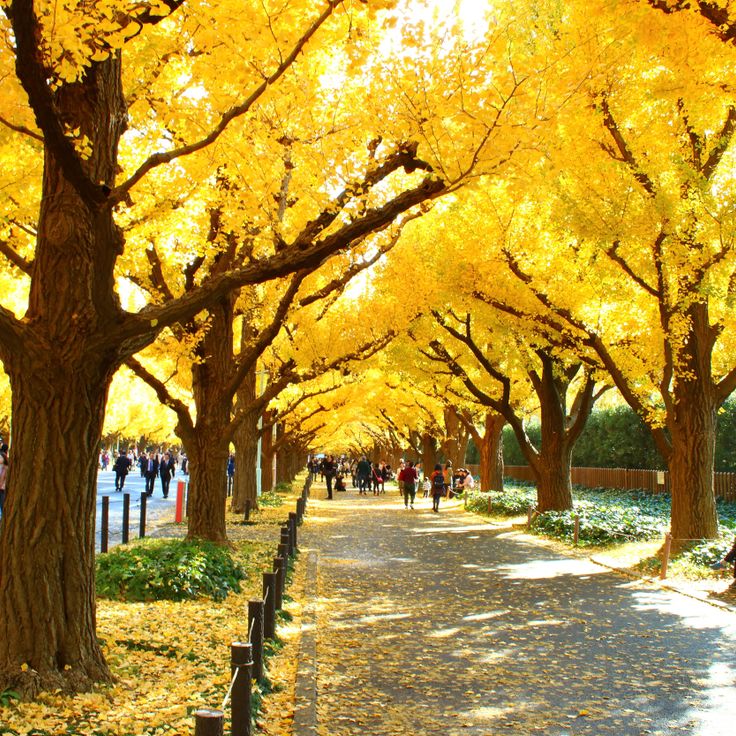
This public garden in Tokyo sits adjacent to the Shinto shrine within the urban forest and includes iris fields and sports facilities. Meiji Jingu Shrine Outer Garden serves as a gathering point for recreation and physical activity in the densely populated city center. The grounds combine green spaces with functional facilities, offering visitors access to seasonal plantings and leisure areas near religious sites.
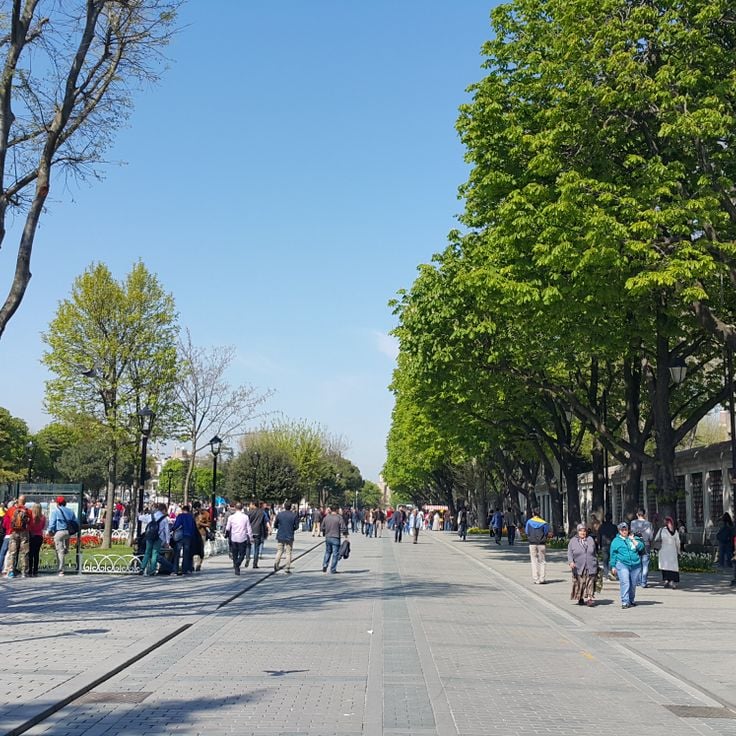
This central square connects Hagia Sophia with the Blue Mosque and lies in the historic center of Istanbul. Sultanahmet Square has served as a gathering point for centuries and marks the heart of old Constantinople. Visitors find access to important Ottoman and Byzantine structures here, while vendors offer local goods. The square provides opportunities to participate in regional festivals and observe urban daily life unfolding between the historical monuments.
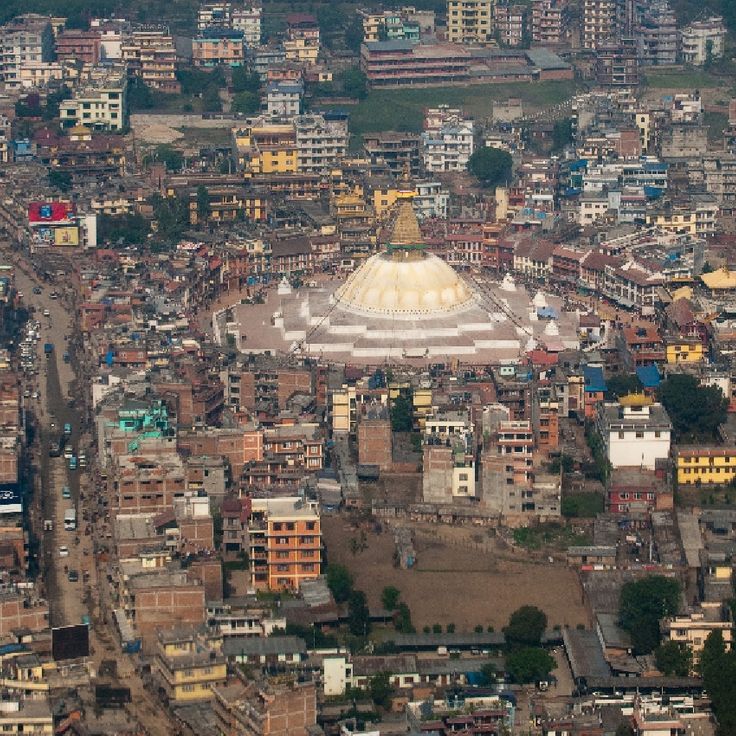
This Buddhist stupa at the heart of Kathmandu serves as a major gathering point for religious ceremonies and social meetings. The white dome rises from a square platform and displays traditional Nepalese architectural elements. The surrounding plaza functions as a meeting place where visitors explore local markets, attend festivals and observe the religious life of the city. The Boudhanath Stupa ranks among the central squares of Asia where history, culture and daily life converge.
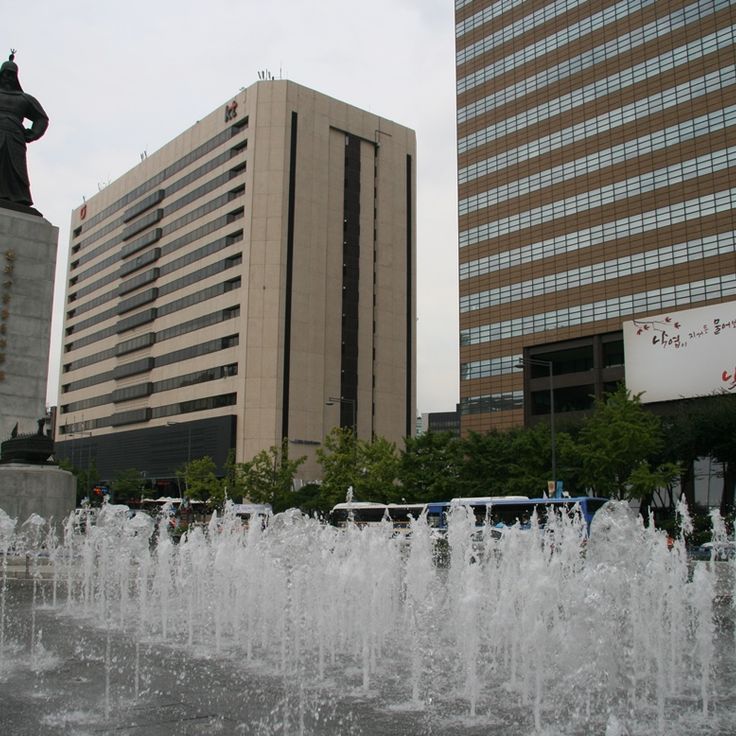
This central square in Seoul stretches between Gyeongbokgung Palace and the Cheonggye thoroughfare, combining monuments to Korean history with urban life. The statue of King Sejong, creator of the Korean alphabet Hangeul, stands alongside the monument to Admiral Yi Sun-sin, a 16th-century national hero. Gwanghwamun Square serves as a gathering point for festivals, political rallies and cultural events, connecting the historical architecture of the Joseon Dynasty with Seoul's modern urban development.
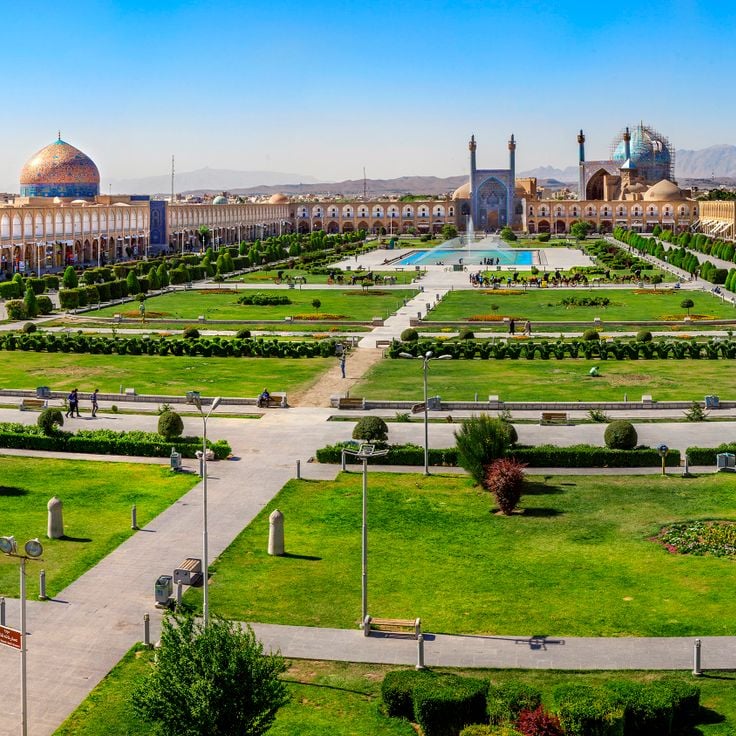
This square in Isfahan forms a rectangular 17th-century ensemble connecting the bazaar with three major structures: Shah Mosque, Sheikh Lotfollah Mosque and Ali Qapu Palace. Naqsh-e Jahan Square serves as a focal point for trade and social gatherings. Visitors find traditional crafts, local markets and events reflecting Persian culture. The architecture displays Safavid construction techniques with tilework and arches spanning roughly 1,640 by 525 feet (500 by 160 meters).
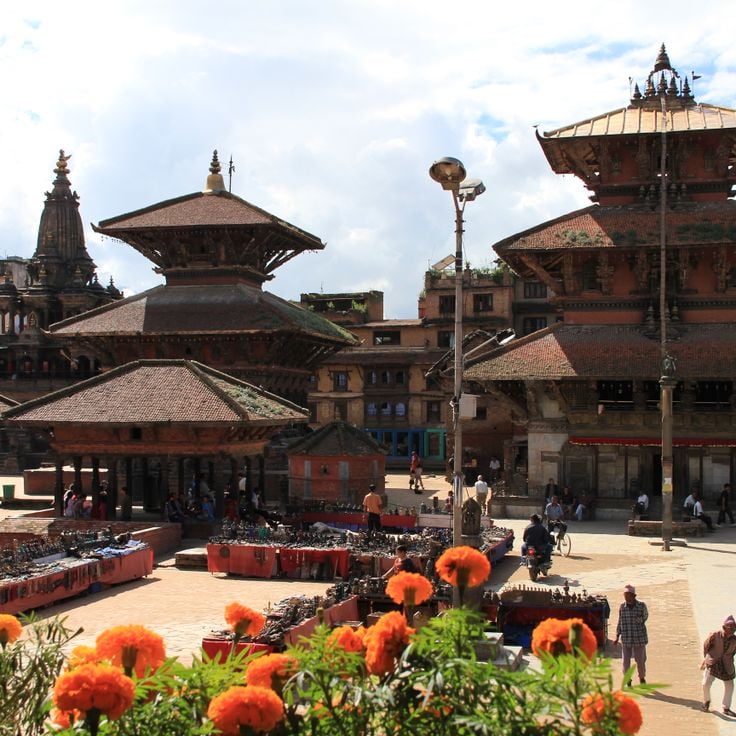
This central square features temples and buildings from the 17th and 18th centuries with traditional Nepalese architectural elements. Durbar Square serves as the historical center of Kathmandu, where locals gather for markets and social meetings. The complex includes several courtyards with carved wooden facades, pagoda roofs and stone statues. Visitors experience religious ceremonies, traditional festivals and can sample local cuisine at the surrounding stalls.
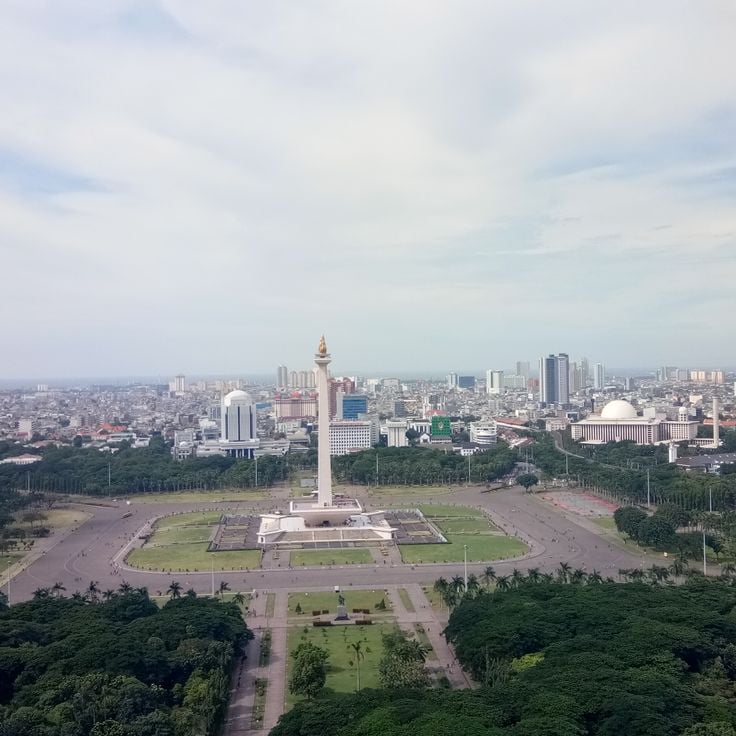
This 132-meter (433-foot) obelisk rises from the center of Merdeka Square and marks one of Jakarta's most significant public gathering points. The National Monument was built to commemorate Indonesia's independence struggle and serves as a focal point for national celebrations and cultural events. Visitors can reach the observation platform to view the expansive square and surrounding cityscape, while the museum at the base documents the history of Indonesia's independence movement.
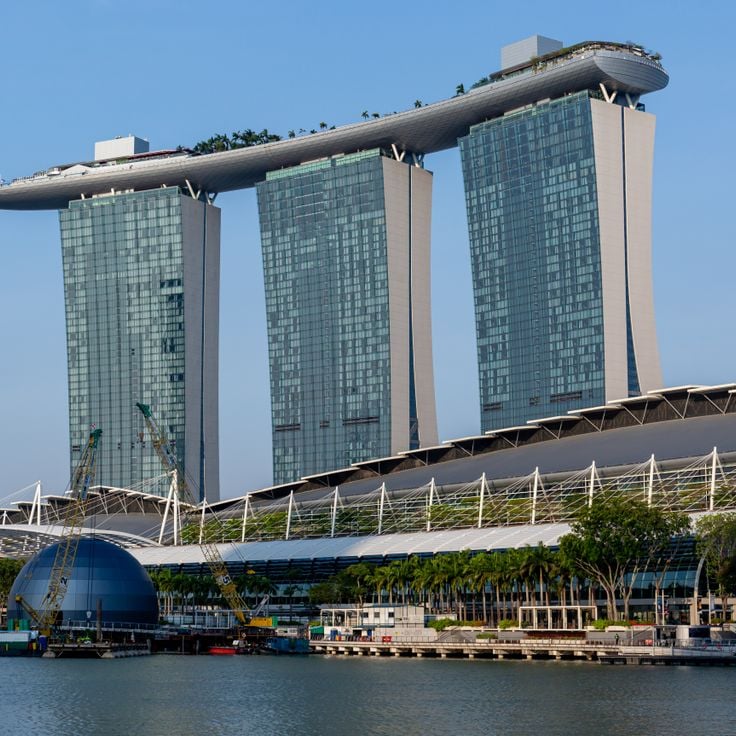
This hotel complex in Singapore consists of three 55-story towers connected by a rooftop garden and infinity pool at 656 feet (200 meters) height. Marina Bay Sands sits at the center of the business district, providing access to shopping centers, restaurants and entertainment facilities. The elevated area allows views across the city skyline and adjacent harbor. As an architectural landmark, the complex serves as a reference point for visitors exploring Singapore's modern developments.
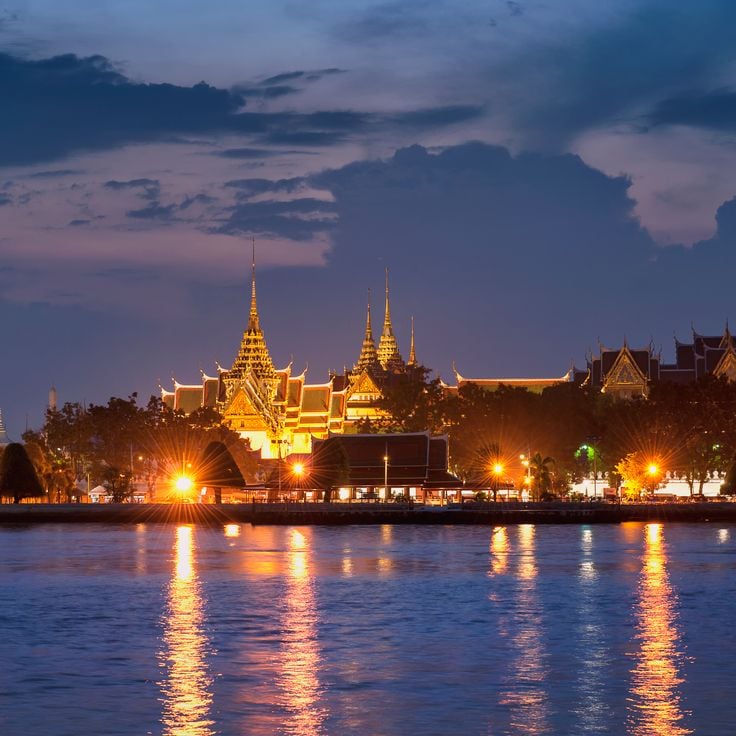
This complex was built in the 1860s and displays classical Khmer roof shapes combined with French architectural elements from the colonial period. The Royal Palace stands in central Phnom Penh and serves as an important historical and administrative site in the Cambodian capital. The compound reflects traditional Khmer design principles alongside European influences introduced during the French protectorate. Visitors observe multiple buildings featuring ornate spires and structures that illustrate the merging of local craftsmanship with Western construction methods. This location functions as a gathering point and represents a key example of 19th-century architectural development in Southeast Asia.
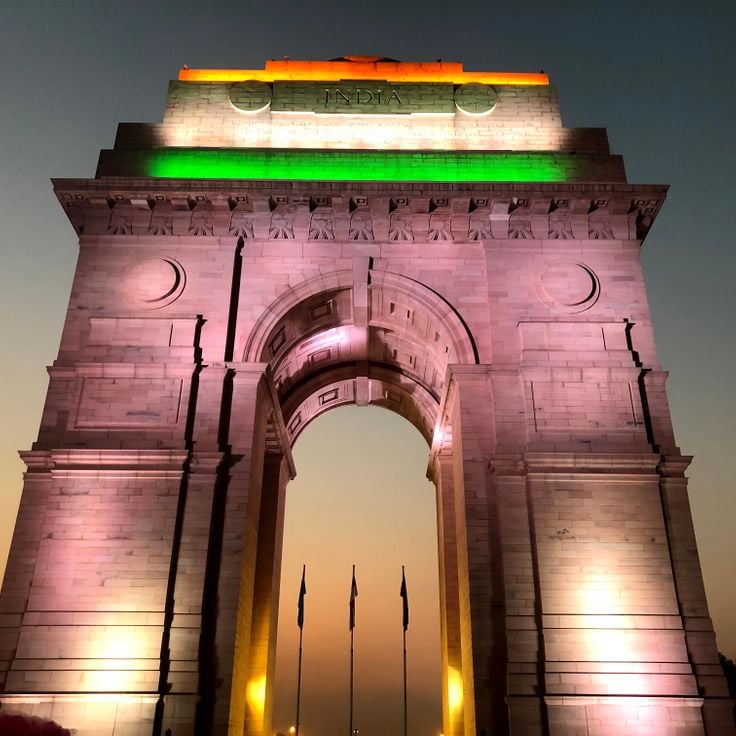
This red sandstone arch monument stands in central New Delhi, commemorating 70,000 Indian soldiers who died during World War I. India Gate was completed in 1931 and rises 138 feet (42 meters) above a wide avenue that forms one of the city's major gathering points. The names of fallen soldiers are inscribed on the walls. Beneath the arch, an eternal flame has burned since 1971 for those who died in later conflicts. In the evenings, locals and visitors gather on the surrounding lawns or visit food stalls offering regional snacks.
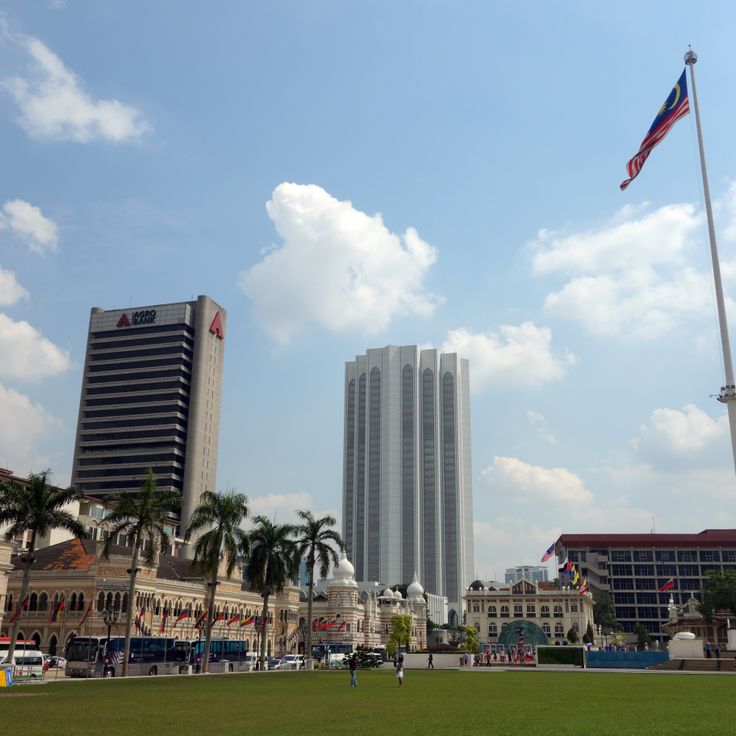
This central square in Kuala Lumpur stands among the most important gathering places in the Malaysian capital. Independence Square marks the site where Malaysian independence was declared in 1957. A 330-foot (100-meter) flagpole rises as a reminder of that event, surrounded by a bronze monument. The open space serves as a venue for national celebrations and public events. Colonial buildings from the British era line the edges of the square and form an architectural frame for this historical site.
This rectangular square in the historic center of Bangkok serves as a ceremonial gathering space near parliament buildings and several ministry offices. The equestrian statue of King Rama V rises at its center, commemorating the monarch who ruled between 1868 and 1910 and modernized Thailand. The surrounding buildings from the early 20th century show European influence in their architecture. Visitors come here during national holidays when the square functions as a venue for official ceremonies and floral tributes are placed at the monument.
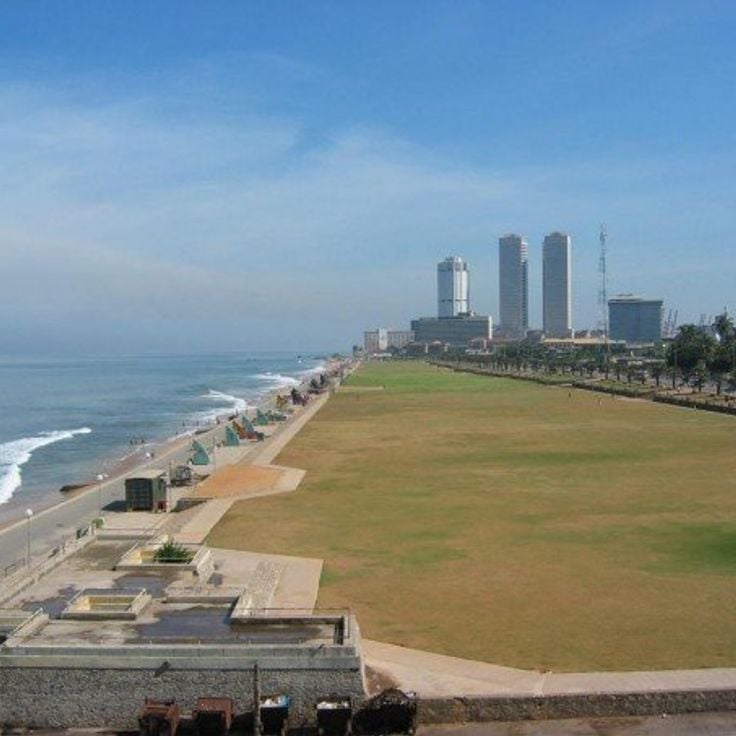
This 500-meter coastal strip stretches along the Indian Ocean and serves as a popular gathering point for locals and visitors in Colombo. Galle Face Green offers expansive grass areas where people assemble to enjoy local snacks from street vendors, fly kites or watch the sunset over the water. The promenade connects historical and modern districts of the city and remains a central location for social meetings and cultural events in the capital.
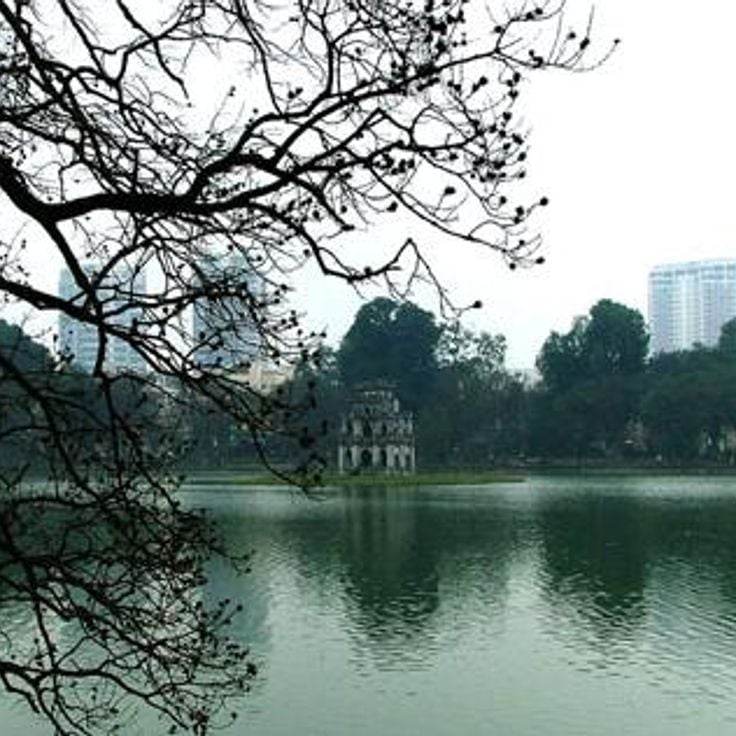
This central lake in Hanoi contains a small island with a Buddhist temple and a historic tower from the 18th century. Hoan Kiem Lake serves as a social gathering point where locals and visitors practice tai chi in the early morning, walk in the evening and attend cultural events on weekends. The red bridge leads to Ngoc Son Temple, while the Turtle Tower stands on a separate island and serves as a symbol of the city.
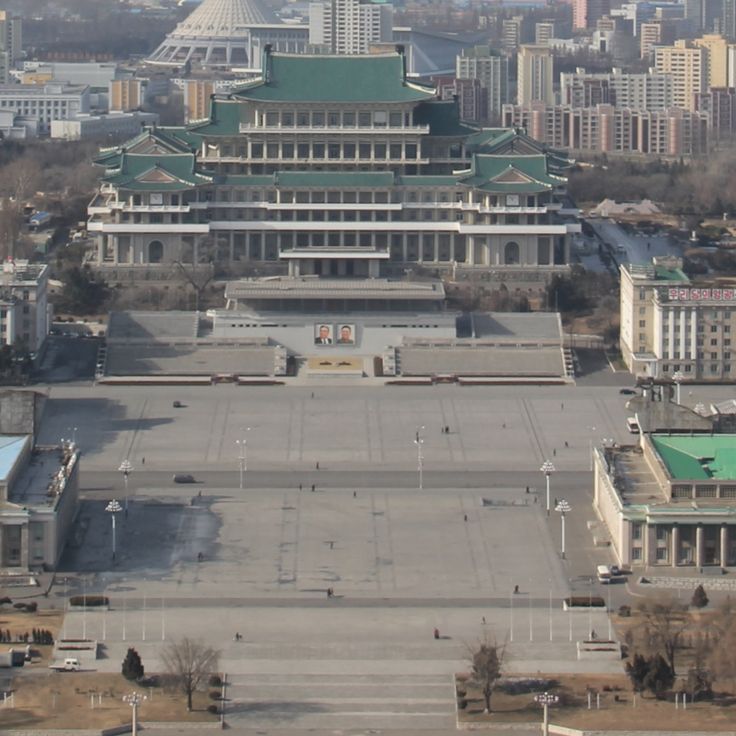
This central square in Pyongyang covers 75,000 square meters and serves as the capital's main gathering point for public events. The Kim Il-sung Square is framed by government buildings and the Korean Revolution Museum, which line its perimeter. The square functions as a venue for military parades, mass demonstrations and state ceremonies that shape the political and social life of the country. Visitors can observe the monumental architecture of the surrounding buildings and understand the role this square plays as a focal point for official gatherings and celebrations.
This square spans one square kilometer (about 0.4 square miles) in central Jakarta and has served as a national symbol since the declaration of independence. The National Monument rises 432 feet (132 meters) at the center of the grounds, while a flagpole carries the Indonesian flag. The surrounding green spaces provide room for public events and national celebrations, with visitors finding historical museums and government buildings in the immediate vicinity.
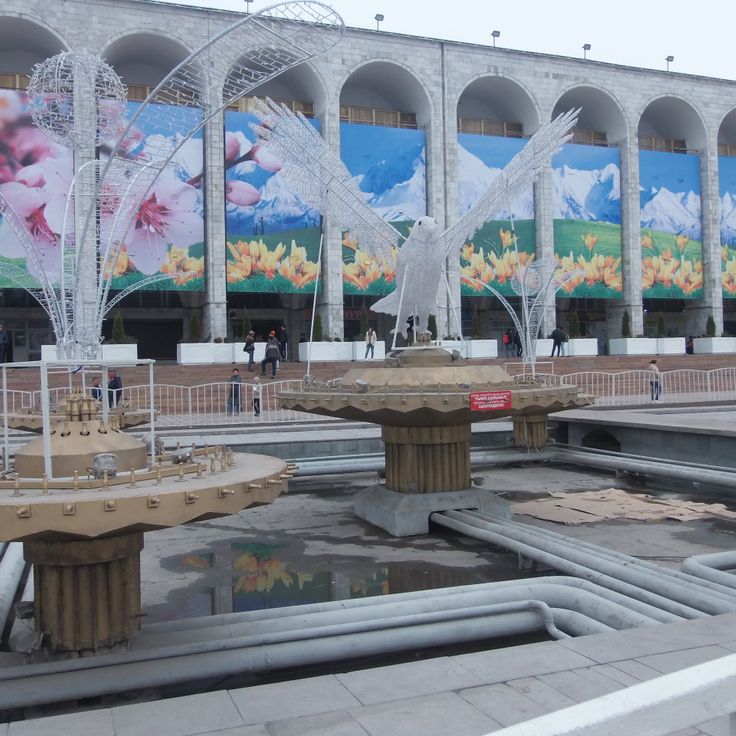
This central square in Bishkek serves as the capital's primary gathering point and houses the National History Museum, which presents extensive collections on Kyrgyz culture and history. Ala-Too Square displays a bronze statue of the national hero Manas, the legendary warrior celebrated in the epic poem of the same name. The square functions as a venue for state ceremonies, national holidays and public gatherings. Visitors find maintained green spaces, fountains and walkways that run through the area and provide access to surrounding government buildings.
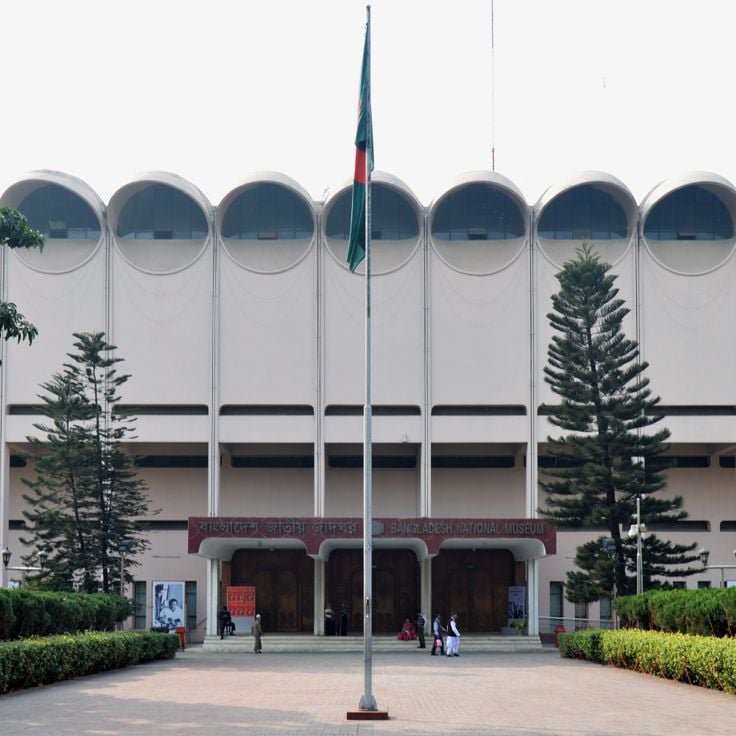
This museum in Dhaka presents collections about the history and culture of Bangladesh with artifacts ranging from the 1st century to the present day. The exhibitions include archaeological finds, ethnographic objects and artworks that document the development of the region. The Bangladesh National Museum stands near several central squares of the capital, where visitors learn about local traditions, markets and cultural events. The institution serves as an educational center and preserves important testimonies of national identity.
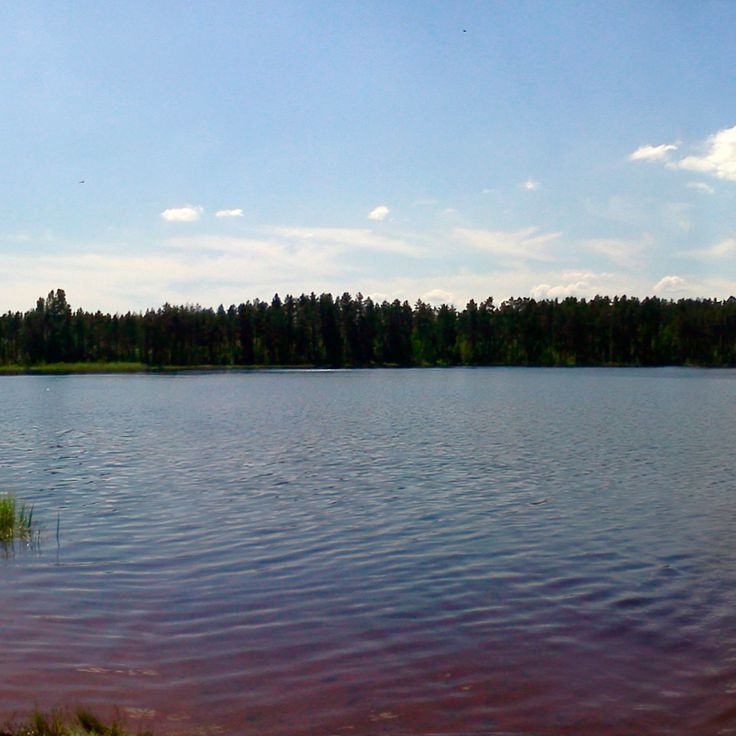
This landscape park spans 1000 acres (405 hectares) and combines 18th century palaces, ponds and gardens into a historical ensemble. Tsaritsyno Park functions as a cultural center with classical architecture and maintained green spaces that provide visitors with areas for recreation and cultural events. The grounds document Russian architectural history and serve as a gathering point for regional festivals and social meetings.
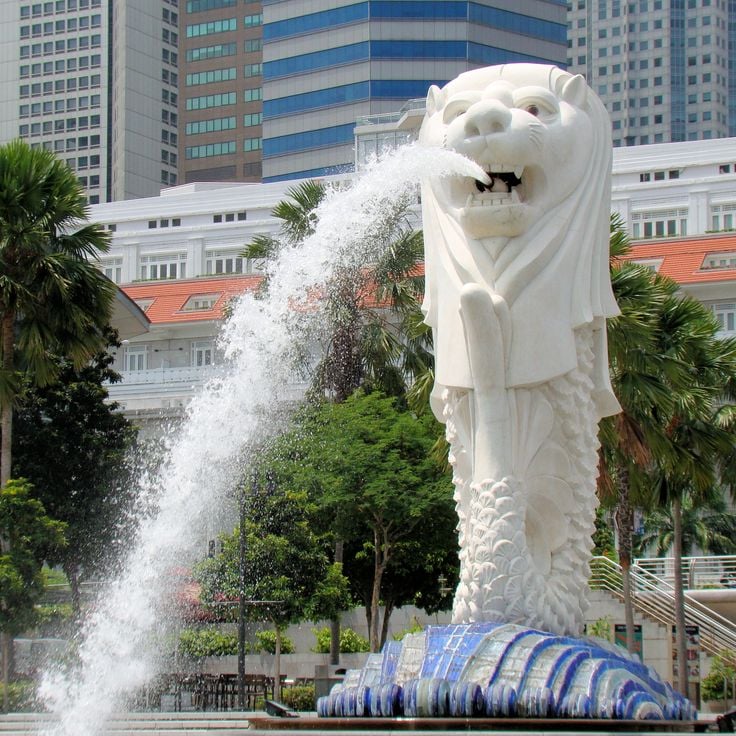
This park along Marina Bay features an 8.6-meter (28-foot) statue with a lion head and fish body, serving as a national symbol since 1972. The site functions as a gathering point for residents and visitors who come to view the city skyline and waterfront. Surrounding restaurants and shops provide access to local cuisine, while events and street performers add activity to the area throughout the year.
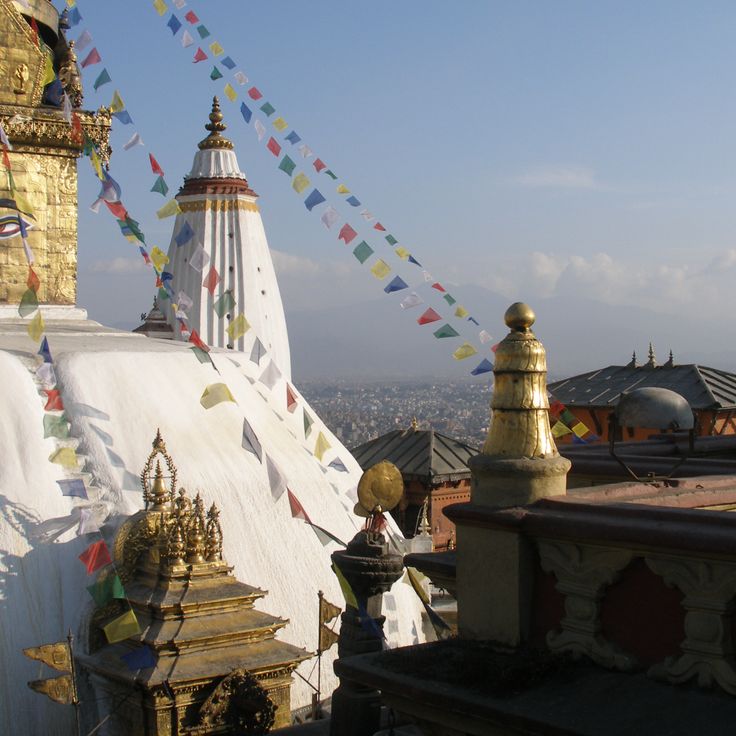
This Buddhist temple complex from the 5th century sits on a hill west of Kathmandu and forms one of Nepal's most important religious centers. Swayambhunath Stupa dominates the cityscape with its white dome and the painted Buddha eyes above it. The compound includes several shrines, monasteries and prayer wheels that draw worshippers and visitors daily. The climb up 365 stone steps passes through forested terrain where wild monkeys are common. From the platform, views extend across the Kathmandu Valley and the surrounding mountains.
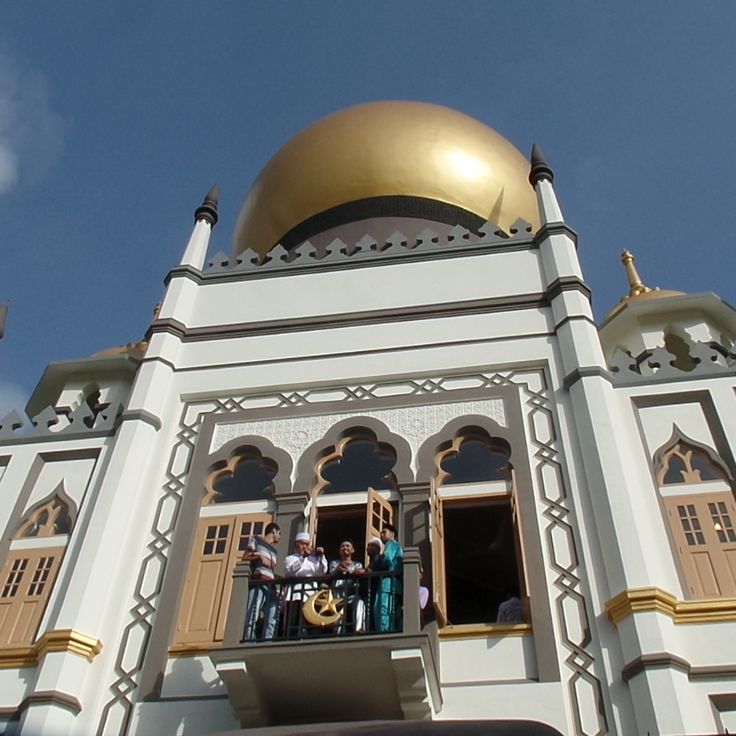
This central mosque in Singapore's historic Kampong Glam district dates from 1824 and was expanded in 1928 in the Indo-Saracenic architectural style. The Sultan Mosque serves as Singapore's principal mosque and represents the cultural identity of the Malay community. Two golden onion domes and four slender minarets define the building's appearance. The prayer hall accommodates more than 5,000 worshippers. Located along the historic North Bridge Road, this site functions as the religious and social center for Muslim residents and visitors.
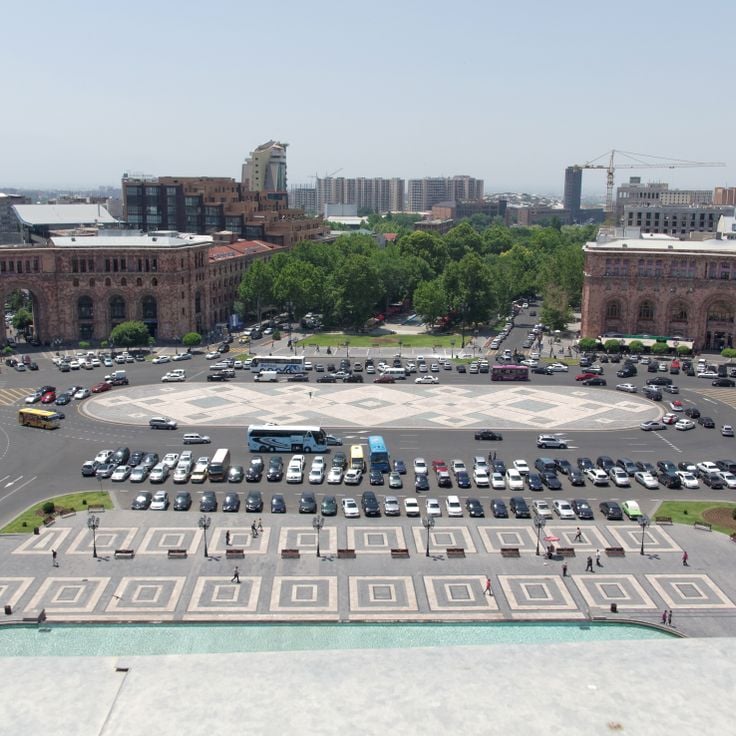
This central square in Yerevan forms the architectural heart of Armenia's capital and is defined by five monumental buildings constructed from pink tuff stone. Republic Square emerged during the Soviet era and combines neoclassical elements with Armenian building traditions. The square contains government buildings, a history museum and an art museum, while a musical fountain attracts locals and visitors during the summer months. As a primary gathering point, the square hosts national celebrations, cultural events and public markets that reflect the social life of the city.
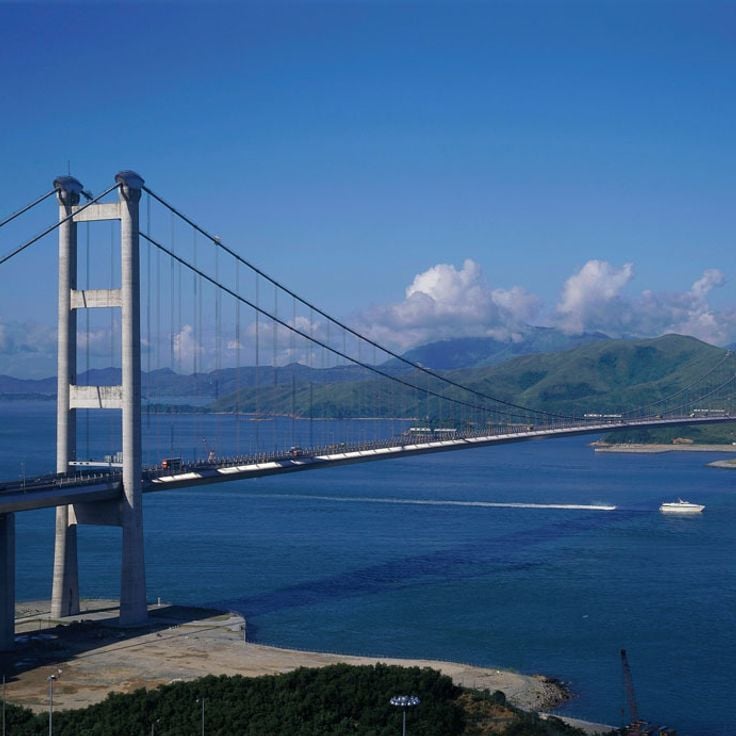
This suspension bridge carries both road and rail traffic across two levels, connecting Ma Wan with Tsing Yi. With a main span of 4518 feet (1377 meters), Tsing Ma Bridge ranks among the longest suspension bridges in the world to support railway traffic. The upper deck accommodates six lanes of vehicular traffic, while the lower sheltered level houses two railway tracks and two additional lanes for emergency use. The bridge forms an essential component of the transport link between Hong Kong International Airport and the urban center, demonstrating advanced engineering capabilities in bridge construction since its opening in 1997.
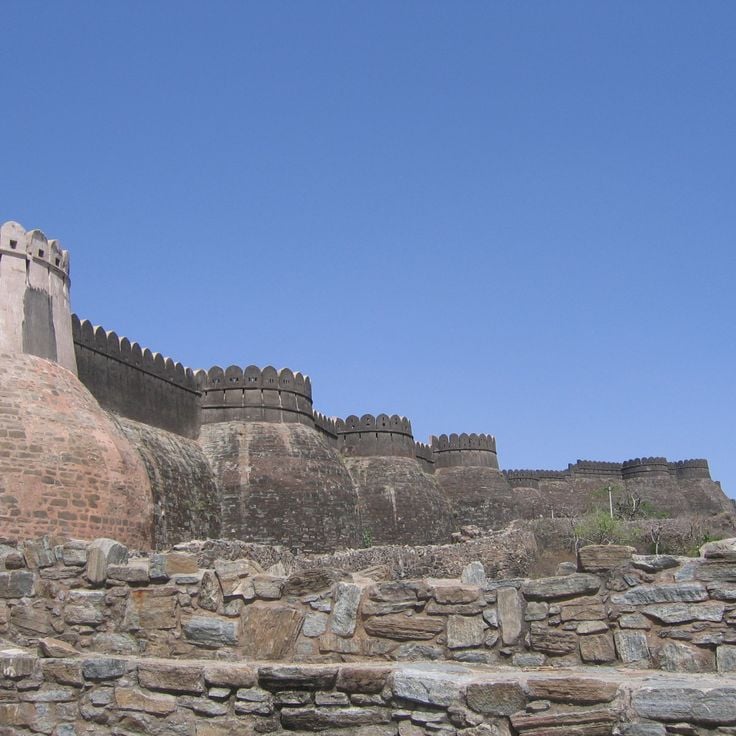
This medieval defensive wall in Rajasthan extends 36 kilometers (22 miles) and includes multiple watchtowers and fortresses. The structure historically protected local settlements and trade routes through the region. Visitors can walk along preserved sections and observe the strategic importance of the fortification in the context of Asian defensive architecture. The wall provides insight into medieval construction techniques and military strategies.
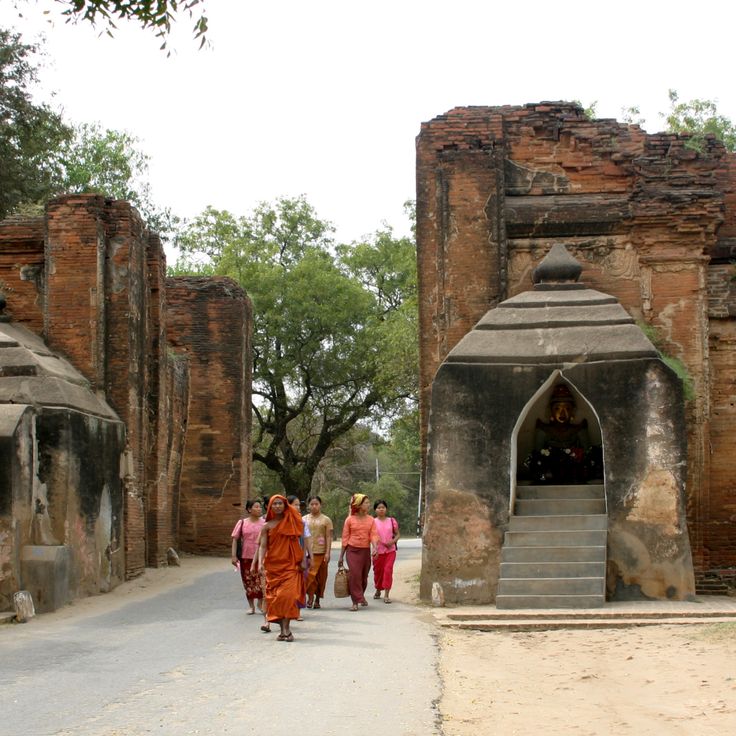
This 9th century stone gate marks the eastern entrance to Bagan's historical fortification system. Tharabha Gate formed part of the original defensive walls that protected the ancient city center. The preserved stonework and archway demonstrate the military architecture of the early Pagan period. Visitors can study the construction techniques of the era and understand the gate's strategic role in controlling access to the city.
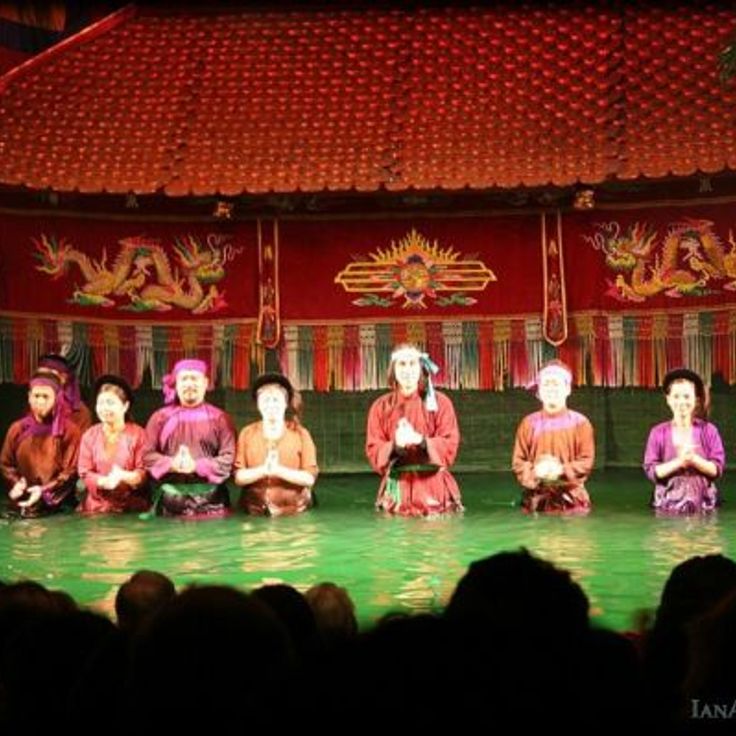
This theater presents a traditional form of Vietnamese entertainment where puppeteers manipulate wooden figures through a water pond. Performances depict stories from rural life, historical legends and scenes from folklore, accompanied by live music featuring traditional instruments. The Water Puppet Theater in Hanoi preserves an art form that has its roots in the Red River Delta and has been practiced for centuries. Shows combine puppetry, singing and music into a roughly one-hour program that provides insight into Vietnamese culture.
This citadel rises from a 32-meter (105-foot) mound and ranks among the oldest continuously inhabited settlements in human history. The fortified complex documents 6000 years of uninterrupted habitation and now serves as a cultural center in Erbil. Visitors can explore the restored traditional houses that provide insights into the region's historical architecture. The compound includes mosques, schools and residential buildings that represent different periods of Mesopotamian history.
This central square in Beijing spans 440,000 square meters (106 acres) and serves as a major gathering point featuring historical monuments and government buildings. Tiananmen Square was established in the 15th century as an imperial gate and expanded after 1949 to become the world's largest public square. Visitors find the Monument to the People's Heroes, the Chairman Mao Mausoleum and the Gate of Heavenly Peace on its northern side. The square hosts daily flag ceremonies at sunrise and sunset and attracts both domestic and international visitors seeking to experience Chinese history and architecture.
This central square in Moscow connects the historical and political heart of Russia. Red Square covers 790,000 square feet (73,000 square meters) and borders the Kremlin, the former fortress now serving as the Russian government residence. Saint Basil's Cathedral, with its colorful onion domes, was built between 1555 and 1561. Lenin's Mausoleum, constructed from red granite, has housed the embalmed body of the revolutionary leader since 1924. The Kazan Cathedral and the State Historical Museum complete the architectural ensemble. The square has served for centuries as a site for military parades, public announcements and social gatherings. The cobblestone expanse remains closed to vehicles, allowing visitors direct access to the surrounding monuments and cultural institutions.
This 143-acre (58-hectare) park in central Manila contains gardens, statues and a monument to Philippine national hero José Rizal. The Rizal Park serves as a major gathering point for public events, cultural celebrations and social meetings. Visitors can walk through the landscaped gardens, sample local food at surrounding stalls and participate in traditional activities that reflect the cultural heritage of the region.
This public garden in Tokyo sits adjacent to the Shinto shrine within the urban forest and includes iris fields and sports facilities. Meiji Jingu Shrine Outer Garden serves as a gathering point for recreation and physical activity in the densely populated city center. The grounds combine green spaces with functional facilities, offering visitors access to seasonal plantings and leisure areas near religious sites.
This central square connects Hagia Sophia with the Blue Mosque and lies in the historic center of Istanbul. Sultanahmet Square has served as a gathering point for centuries and marks the heart of old Constantinople. Visitors find access to important Ottoman and Byzantine structures here, while vendors offer local goods. The square provides opportunities to participate in regional festivals and observe urban daily life unfolding between the historical monuments.
This Buddhist stupa at the heart of Kathmandu serves as a major gathering point for religious ceremonies and social meetings. The white dome rises from a square platform and displays traditional Nepalese architectural elements. The surrounding plaza functions as a meeting place where visitors explore local markets, attend festivals and observe the religious life of the city. The Boudhanath Stupa ranks among the central squares of Asia where history, culture and daily life converge.
This central square in Seoul stretches between Gyeongbokgung Palace and the Cheonggye thoroughfare, combining monuments to Korean history with urban life. The statue of King Sejong, creator of the Korean alphabet Hangeul, stands alongside the monument to Admiral Yi Sun-sin, a 16th-century national hero. Gwanghwamun Square serves as a gathering point for festivals, political rallies and cultural events, connecting the historical architecture of the Joseon Dynasty with Seoul's modern urban development.
This square in Isfahan forms a rectangular 17th-century ensemble connecting the bazaar with three major structures: Shah Mosque, Sheikh Lotfollah Mosque and Ali Qapu Palace. Naqsh-e Jahan Square serves as a focal point for trade and social gatherings. Visitors find traditional crafts, local markets and events reflecting Persian culture. The architecture displays Safavid construction techniques with tilework and arches spanning roughly 1,640 by 525 feet (500 by 160 meters).
This central square features temples and buildings from the 17th and 18th centuries with traditional Nepalese architectural elements. Durbar Square serves as the historical center of Kathmandu, where locals gather for markets and social meetings. The complex includes several courtyards with carved wooden facades, pagoda roofs and stone statues. Visitors experience religious ceremonies, traditional festivals and can sample local cuisine at the surrounding stalls.
This 132-meter (433-foot) obelisk rises from the center of Merdeka Square and marks one of Jakarta's most significant public gathering points. The National Monument was built to commemorate Indonesia's independence struggle and serves as a focal point for national celebrations and cultural events. Visitors can reach the observation platform to view the expansive square and surrounding cityscape, while the museum at the base documents the history of Indonesia's independence movement.
This hotel complex in Singapore consists of three 55-story towers connected by a rooftop garden and infinity pool at 656 feet (200 meters) height. Marina Bay Sands sits at the center of the business district, providing access to shopping centers, restaurants and entertainment facilities. The elevated area allows views across the city skyline and adjacent harbor. As an architectural landmark, the complex serves as a reference point for visitors exploring Singapore's modern developments.
This complex was built in the 1860s and displays classical Khmer roof shapes combined with French architectural elements from the colonial period. The Royal Palace stands in central Phnom Penh and serves as an important historical and administrative site in the Cambodian capital. The compound reflects traditional Khmer design principles alongside European influences introduced during the French protectorate. Visitors observe multiple buildings featuring ornate spires and structures that illustrate the merging of local craftsmanship with Western construction methods. This location functions as a gathering point and represents a key example of 19th-century architectural development in Southeast Asia.
This red sandstone arch monument stands in central New Delhi, commemorating 70,000 Indian soldiers who died during World War I. India Gate was completed in 1931 and rises 138 feet (42 meters) above a wide avenue that forms one of the city's major gathering points. The names of fallen soldiers are inscribed on the walls. Beneath the arch, an eternal flame has burned since 1971 for those who died in later conflicts. In the evenings, locals and visitors gather on the surrounding lawns or visit food stalls offering regional snacks.
This central square in Kuala Lumpur stands among the most important gathering places in the Malaysian capital. Independence Square marks the site where Malaysian independence was declared in 1957. A 330-foot (100-meter) flagpole rises as a reminder of that event, surrounded by a bronze monument. The open space serves as a venue for national celebrations and public events. Colonial buildings from the British era line the edges of the square and form an architectural frame for this historical site.
This rectangular square in the historic center of Bangkok serves as a ceremonial gathering space near parliament buildings and several ministry offices. The equestrian statue of King Rama V rises at its center, commemorating the monarch who ruled between 1868 and 1910 and modernized Thailand. The surrounding buildings from the early 20th century show European influence in their architecture. Visitors come here during national holidays when the square functions as a venue for official ceremonies and floral tributes are placed at the monument.
This 500-meter coastal strip stretches along the Indian Ocean and serves as a popular gathering point for locals and visitors in Colombo. Galle Face Green offers expansive grass areas where people assemble to enjoy local snacks from street vendors, fly kites or watch the sunset over the water. The promenade connects historical and modern districts of the city and remains a central location for social meetings and cultural events in the capital.
This central lake in Hanoi contains a small island with a Buddhist temple and a historic tower from the 18th century. Hoan Kiem Lake serves as a social gathering point where locals and visitors practice tai chi in the early morning, walk in the evening and attend cultural events on weekends. The red bridge leads to Ngoc Son Temple, while the Turtle Tower stands on a separate island and serves as a symbol of the city.
This central square in Pyongyang covers 75,000 square meters and serves as the capital's main gathering point for public events. The Kim Il-sung Square is framed by government buildings and the Korean Revolution Museum, which line its perimeter. The square functions as a venue for military parades, mass demonstrations and state ceremonies that shape the political and social life of the country. Visitors can observe the monumental architecture of the surrounding buildings and understand the role this square plays as a focal point for official gatherings and celebrations.
This square spans one square kilometer (about 0.4 square miles) in central Jakarta and has served as a national symbol since the declaration of independence. The National Monument rises 432 feet (132 meters) at the center of the grounds, while a flagpole carries the Indonesian flag. The surrounding green spaces provide room for public events and national celebrations, with visitors finding historical museums and government buildings in the immediate vicinity.
This central square in Bishkek serves as the capital's primary gathering point and houses the National History Museum, which presents extensive collections on Kyrgyz culture and history. Ala-Too Square displays a bronze statue of the national hero Manas, the legendary warrior celebrated in the epic poem of the same name. The square functions as a venue for state ceremonies, national holidays and public gatherings. Visitors find maintained green spaces, fountains and walkways that run through the area and provide access to surrounding government buildings.
This museum in Dhaka presents collections about the history and culture of Bangladesh with artifacts ranging from the 1st century to the present day. The exhibitions include archaeological finds, ethnographic objects and artworks that document the development of the region. The Bangladesh National Museum stands near several central squares of the capital, where visitors learn about local traditions, markets and cultural events. The institution serves as an educational center and preserves important testimonies of national identity.
This landscape park spans 1000 acres (405 hectares) and combines 18th century palaces, ponds and gardens into a historical ensemble. Tsaritsyno Park functions as a cultural center with classical architecture and maintained green spaces that provide visitors with areas for recreation and cultural events. The grounds document Russian architectural history and serve as a gathering point for regional festivals and social meetings.
This park along Marina Bay features an 8.6-meter (28-foot) statue with a lion head and fish body, serving as a national symbol since 1972. The site functions as a gathering point for residents and visitors who come to view the city skyline and waterfront. Surrounding restaurants and shops provide access to local cuisine, while events and street performers add activity to the area throughout the year.
This Buddhist temple complex from the 5th century sits on a hill west of Kathmandu and forms one of Nepal's most important religious centers. Swayambhunath Stupa dominates the cityscape with its white dome and the painted Buddha eyes above it. The compound includes several shrines, monasteries and prayer wheels that draw worshippers and visitors daily. The climb up 365 stone steps passes through forested terrain where wild monkeys are common. From the platform, views extend across the Kathmandu Valley and the surrounding mountains.
This central mosque in Singapore's historic Kampong Glam district dates from 1824 and was expanded in 1928 in the Indo-Saracenic architectural style. The Sultan Mosque serves as Singapore's principal mosque and represents the cultural identity of the Malay community. Two golden onion domes and four slender minarets define the building's appearance. The prayer hall accommodates more than 5,000 worshippers. Located along the historic North Bridge Road, this site functions as the religious and social center for Muslim residents and visitors.
This central square in Yerevan forms the architectural heart of Armenia's capital and is defined by five monumental buildings constructed from pink tuff stone. Republic Square emerged during the Soviet era and combines neoclassical elements with Armenian building traditions. The square contains government buildings, a history museum and an art museum, while a musical fountain attracts locals and visitors during the summer months. As a primary gathering point, the square hosts national celebrations, cultural events and public markets that reflect the social life of the city.
This suspension bridge carries both road and rail traffic across two levels, connecting Ma Wan with Tsing Yi. With a main span of 4518 feet (1377 meters), Tsing Ma Bridge ranks among the longest suspension bridges in the world to support railway traffic. The upper deck accommodates six lanes of vehicular traffic, while the lower sheltered level houses two railway tracks and two additional lanes for emergency use. The bridge forms an essential component of the transport link between Hong Kong International Airport and the urban center, demonstrating advanced engineering capabilities in bridge construction since its opening in 1997.
This medieval defensive wall in Rajasthan extends 36 kilometers (22 miles) and includes multiple watchtowers and fortresses. The structure historically protected local settlements and trade routes through the region. Visitors can walk along preserved sections and observe the strategic importance of the fortification in the context of Asian defensive architecture. The wall provides insight into medieval construction techniques and military strategies.
This 9th century stone gate marks the eastern entrance to Bagan's historical fortification system. Tharabha Gate formed part of the original defensive walls that protected the ancient city center. The preserved stonework and archway demonstrate the military architecture of the early Pagan period. Visitors can study the construction techniques of the era and understand the gate's strategic role in controlling access to the city.
This theater presents a traditional form of Vietnamese entertainment where puppeteers manipulate wooden figures through a water pond. Performances depict stories from rural life, historical legends and scenes from folklore, accompanied by live music featuring traditional instruments. The Water Puppet Theater in Hanoi preserves an art form that has its roots in the Red River Delta and has been practiced for centuries. Shows combine puppetry, singing and music into a roughly one-hour program that provides insight into Vietnamese culture.
This citadel rises from a 32-meter (105-foot) mound and ranks among the oldest continuously inhabited settlements in human history. The fortified complex documents 6000 years of uninterrupted habitation and now serves as a cultural center in Erbil. Visitors can explore the restored traditional houses that provide insights into the region's historical architecture. The compound includes mosques, schools and residential buildings that represent different periods of Mesopotamian history.
This central square in Beijing spans 440,000 square meters (106 acres) and serves as a major gathering point featuring historical monuments and government buildings. Tiananmen Square was established in the 15th century as an imperial gate and expanded after 1949 to become the world's largest public square. Visitors find the Monument to the People's Heroes, the Chairman Mao Mausoleum and the Gate of Heavenly Peace on its northern side. The square hosts daily flag ceremonies at sunrise and sunset and attracts both domestic and international visitors seeking to experience Chinese history and architecture.
This central square in Moscow connects the historical and political heart of Russia. Red Square covers 790,000 square feet (73,000 square meters) and borders the Kremlin, the former fortress now serving as the Russian government residence. Saint Basil's Cathedral, with its colorful onion domes, was built between 1555 and 1561. Lenin's Mausoleum, constructed from red granite, has housed the embalmed body of the revolutionary leader since 1924. The Kazan Cathedral and the State Historical Museum complete the architectural ensemble. The square has served for centuries as a site for military parades, public announcements and social gatherings. The cobblestone expanse remains closed to vehicles, allowing visitors direct access to the surrounding monuments and cultural institutions.
This 143-acre (58-hectare) park in central Manila contains gardens, statues and a monument to Philippine national hero José Rizal. The Rizal Park serves as a major gathering point for public events, cultural celebrations and social meetings. Visitors can walk through the landscaped gardens, sample local food at surrounding stalls and participate in traditional activities that reflect the cultural heritage of the region.
This public garden in Tokyo sits adjacent to the Shinto shrine within the urban forest and includes iris fields and sports facilities. Meiji Jingu Shrine Outer Garden serves as a gathering point for recreation and physical activity in the densely populated city center. The grounds combine green spaces with functional facilities, offering visitors access to seasonal plantings and leisure areas near religious sites.
This central square connects Hagia Sophia with the Blue Mosque and lies in the historic center of Istanbul. Sultanahmet Square has served as a gathering point for centuries and marks the heart of old Constantinople. Visitors find access to important Ottoman and Byzantine structures here, while vendors offer local goods. The square provides opportunities to participate in regional festivals and observe urban daily life unfolding between the historical monuments.
This Buddhist stupa at the heart of Kathmandu serves as a major gathering point for religious ceremonies and social meetings. The white dome rises from a square platform and displays traditional Nepalese architectural elements. The surrounding plaza functions as a meeting place where visitors explore local markets, attend festivals and observe the religious life of the city. The Boudhanath Stupa ranks among the central squares of Asia where history, culture and daily life converge.
This central square in Seoul stretches between Gyeongbokgung Palace and the Cheonggye thoroughfare, combining monuments to Korean history with urban life. The statue of King Sejong, creator of the Korean alphabet Hangeul, stands alongside the monument to Admiral Yi Sun-sin, a 16th-century national hero. Gwanghwamun Square serves as a gathering point for festivals, political rallies and cultural events, connecting the historical architecture of the Joseon Dynasty with Seoul's modern urban development.
This square in Isfahan forms a rectangular 17th-century ensemble connecting the bazaar with three major structures: Shah Mosque, Sheikh Lotfollah Mosque and Ali Qapu Palace. Naqsh-e Jahan Square serves as a focal point for trade and social gatherings. Visitors find traditional crafts, local markets and events reflecting Persian culture. The architecture displays Safavid construction techniques with tilework and arches spanning roughly 1,640 by 525 feet (500 by 160 meters).
This central square features temples and buildings from the 17th and 18th centuries with traditional Nepalese architectural elements. Durbar Square serves as the historical center of Kathmandu, where locals gather for markets and social meetings. The complex includes several courtyards with carved wooden facades, pagoda roofs and stone statues. Visitors experience religious ceremonies, traditional festivals and can sample local cuisine at the surrounding stalls.
This 132-meter (433-foot) obelisk rises from the center of Merdeka Square and marks one of Jakarta's most significant public gathering points. The National Monument was built to commemorate Indonesia's independence struggle and serves as a focal point for national celebrations and cultural events. Visitors can reach the observation platform to view the expansive square and surrounding cityscape, while the museum at the base documents the history of Indonesia's independence movement.
This hotel complex in Singapore consists of three 55-story towers connected by a rooftop garden and infinity pool at 656 feet (200 meters) height. Marina Bay Sands sits at the center of the business district, providing access to shopping centers, restaurants and entertainment facilities. The elevated area allows views across the city skyline and adjacent harbor. As an architectural landmark, the complex serves as a reference point for visitors exploring Singapore's modern developments.
This complex was built in the 1860s and displays classical Khmer roof shapes combined with French architectural elements from the colonial period. The Royal Palace stands in central Phnom Penh and serves as an important historical and administrative site in the Cambodian capital. The compound reflects traditional Khmer design principles alongside European influences introduced during the French protectorate. Visitors observe multiple buildings featuring ornate spires and structures that illustrate the merging of local craftsmanship with Western construction methods. This location functions as a gathering point and represents a key example of 19th-century architectural development in Southeast Asia.
This red sandstone arch monument stands in central New Delhi, commemorating 70,000 Indian soldiers who died during World War I. India Gate was completed in 1931 and rises 138 feet (42 meters) above a wide avenue that forms one of the city's major gathering points. The names of fallen soldiers are inscribed on the walls. Beneath the arch, an eternal flame has burned since 1971 for those who died in later conflicts. In the evenings, locals and visitors gather on the surrounding lawns or visit food stalls offering regional snacks.
This central square in Kuala Lumpur stands among the most important gathering places in the Malaysian capital. Independence Square marks the site where Malaysian independence was declared in 1957. A 330-foot (100-meter) flagpole rises as a reminder of that event, surrounded by a bronze monument. The open space serves as a venue for national celebrations and public events. Colonial buildings from the British era line the edges of the square and form an architectural frame for this historical site.
This rectangular square in the historic center of Bangkok serves as a ceremonial gathering space near parliament buildings and several ministry offices. The equestrian statue of King Rama V rises at its center, commemorating the monarch who ruled between 1868 and 1910 and modernized Thailand. The surrounding buildings from the early 20th century show European influence in their architecture. Visitors come here during national holidays when the square functions as a venue for official ceremonies and floral tributes are placed at the monument.
This 500-meter coastal strip stretches along the Indian Ocean and serves as a popular gathering point for locals and visitors in Colombo. Galle Face Green offers expansive grass areas where people assemble to enjoy local snacks from street vendors, fly kites or watch the sunset over the water. The promenade connects historical and modern districts of the city and remains a central location for social meetings and cultural events in the capital.
This central lake in Hanoi contains a small island with a Buddhist temple and a historic tower from the 18th century. Hoan Kiem Lake serves as a social gathering point where locals and visitors practice tai chi in the early morning, walk in the evening and attend cultural events on weekends. The red bridge leads to Ngoc Son Temple, while the Turtle Tower stands on a separate island and serves as a symbol of the city.
This central square in Pyongyang covers 75,000 square meters and serves as the capital's main gathering point for public events. The Kim Il-sung Square is framed by government buildings and the Korean Revolution Museum, which line its perimeter. The square functions as a venue for military parades, mass demonstrations and state ceremonies that shape the political and social life of the country. Visitors can observe the monumental architecture of the surrounding buildings and understand the role this square plays as a focal point for official gatherings and celebrations.
This square spans one square kilometer (about 0.4 square miles) in central Jakarta and has served as a national symbol since the declaration of independence. The National Monument rises 432 feet (132 meters) at the center of the grounds, while a flagpole carries the Indonesian flag. The surrounding green spaces provide room for public events and national celebrations, with visitors finding historical museums and government buildings in the immediate vicinity.
This central square in Bishkek serves as the capital's primary gathering point and houses the National History Museum, which presents extensive collections on Kyrgyz culture and history. Ala-Too Square displays a bronze statue of the national hero Manas, the legendary warrior celebrated in the epic poem of the same name. The square functions as a venue for state ceremonies, national holidays and public gatherings. Visitors find maintained green spaces, fountains and walkways that run through the area and provide access to surrounding government buildings.
This museum in Dhaka presents collections about the history and culture of Bangladesh with artifacts ranging from the 1st century to the present day. The exhibitions include archaeological finds, ethnographic objects and artworks that document the development of the region. The Bangladesh National Museum stands near several central squares of the capital, where visitors learn about local traditions, markets and cultural events. The institution serves as an educational center and preserves important testimonies of national identity.
This landscape park spans 1000 acres (405 hectares) and combines 18th century palaces, ponds and gardens into a historical ensemble. Tsaritsyno Park functions as a cultural center with classical architecture and maintained green spaces that provide visitors with areas for recreation and cultural events. The grounds document Russian architectural history and serve as a gathering point for regional festivals and social meetings.
This park along Marina Bay features an 8.6-meter (28-foot) statue with a lion head and fish body, serving as a national symbol since 1972. The site functions as a gathering point for residents and visitors who come to view the city skyline and waterfront. Surrounding restaurants and shops provide access to local cuisine, while events and street performers add activity to the area throughout the year.
This Buddhist temple complex from the 5th century sits on a hill west of Kathmandu and forms one of Nepal's most important religious centers. Swayambhunath Stupa dominates the cityscape with its white dome and the painted Buddha eyes above it. The compound includes several shrines, monasteries and prayer wheels that draw worshippers and visitors daily. The climb up 365 stone steps passes through forested terrain where wild monkeys are common. From the platform, views extend across the Kathmandu Valley and the surrounding mountains.
This central mosque in Singapore's historic Kampong Glam district dates from 1824 and was expanded in 1928 in the Indo-Saracenic architectural style. The Sultan Mosque serves as Singapore's principal mosque and represents the cultural identity of the Malay community. Two golden onion domes and four slender minarets define the building's appearance. The prayer hall accommodates more than 5,000 worshippers. Located along the historic North Bridge Road, this site functions as the religious and social center for Muslim residents and visitors.
This central square in Yerevan forms the architectural heart of Armenia's capital and is defined by five monumental buildings constructed from pink tuff stone. Republic Square emerged during the Soviet era and combines neoclassical elements with Armenian building traditions. The square contains government buildings, a history museum and an art museum, while a musical fountain attracts locals and visitors during the summer months. As a primary gathering point, the square hosts national celebrations, cultural events and public markets that reflect the social life of the city.
This suspension bridge carries both road and rail traffic across two levels, connecting Ma Wan with Tsing Yi. With a main span of 4518 feet (1377 meters), Tsing Ma Bridge ranks among the longest suspension bridges in the world to support railway traffic. The upper deck accommodates six lanes of vehicular traffic, while the lower sheltered level houses two railway tracks and two additional lanes for emergency use. The bridge forms an essential component of the transport link between Hong Kong International Airport and the urban center, demonstrating advanced engineering capabilities in bridge construction since its opening in 1997.
This medieval defensive wall in Rajasthan extends 36 kilometers (22 miles) and includes multiple watchtowers and fortresses. The structure historically protected local settlements and trade routes through the region. Visitors can walk along preserved sections and observe the strategic importance of the fortification in the context of Asian defensive architecture. The wall provides insight into medieval construction techniques and military strategies.
This 9th century stone gate marks the eastern entrance to Bagan's historical fortification system. Tharabha Gate formed part of the original defensive walls that protected the ancient city center. The preserved stonework and archway demonstrate the military architecture of the early Pagan period. Visitors can study the construction techniques of the era and understand the gate's strategic role in controlling access to the city.
This theater presents a traditional form of Vietnamese entertainment where puppeteers manipulate wooden figures through a water pond. Performances depict stories from rural life, historical legends and scenes from folklore, accompanied by live music featuring traditional instruments. The Water Puppet Theater in Hanoi preserves an art form that has its roots in the Red River Delta and has been practiced for centuries. Shows combine puppetry, singing and music into a roughly one-hour program that provides insight into Vietnamese culture.
This citadel rises from a 32-meter (105-foot) mound and ranks among the oldest continuously inhabited settlements in human history. The fortified complex documents 6000 years of uninterrupted habitation and now serves as a cultural center in Erbil. Visitors can explore the restored traditional houses that provide insights into the region's historical architecture. The compound includes mosques, schools and residential buildings that represent different periods of Mesopotamian history.