Clock towers combine technical precision with architectural styles from different periods and cultures. These highly visible structures stand in city centers, university campuses and historic squares, where they structure public life. The collection includes varied examples: the 315 foot (96 meter) neo-Gothic bell tower at Westminster Palace in London, the 1,970 foot (601 meter) Royal Clock Tower in Mecca, the Spasskaya Tower on Red Square in Moscow, the 279 foot (85 meter) neo-Gothic Rajabai Tower in Mumbai, the medieval astronomical clock at Old Town Hall in Prague, the 13th century Zytglogge in Bern, the Giralda in Seville (originally an Almohad minaret), the 548 foot (167 meter) Philadelphia City Hall tower, the Peace Tower on Parliament Hill in Ottawa, the 308 foot (94 meter) Sather Tower at the University of California Berkeley, the Zimmer Tower in Lier, the Custom House Tower in Boston, the Mughal era Ghanta Ghar in Lahore, the Union Station clock tower in Waterbury, the Renaissance clock tower on St. Mark's Square in Venice, the Jam Gadang in Bukittinggi and the Jaffa Clock Tower in Tel Aviv. Many of these towers serve as urban landmarks and connect historic architecture with practical function. They frequently offer elevated viewpoints and display remarkable mechanical achievements in timekeeping.
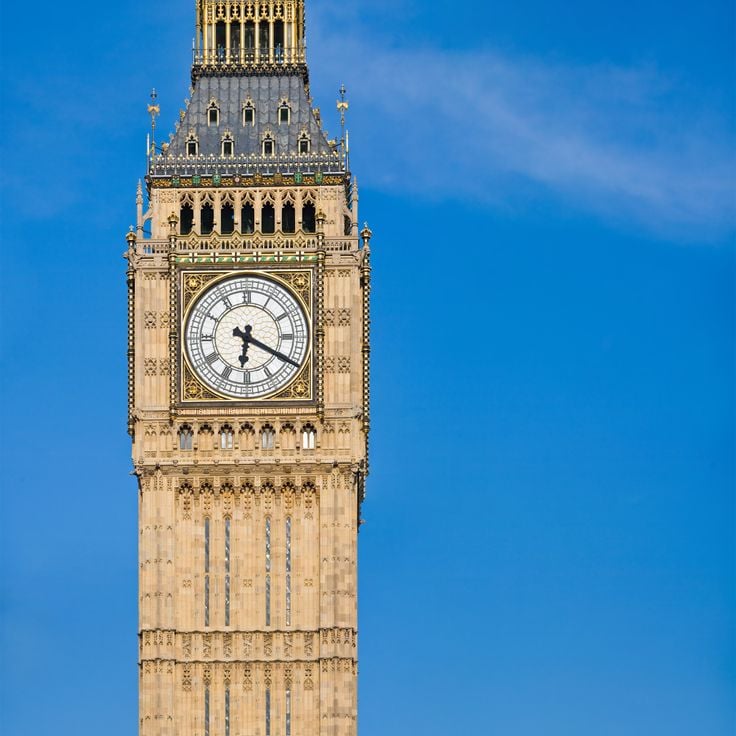
London, United Kingdom
Big Ben rises at the north end of the Palace of Westminster and has marked time along the Thames since 1859. This 315-foot (96-meter) Gothic Revival tower houses the great bell that strikes every quarter hour, accompanied by four smaller bells that play the Westminster chimes. Augustus Pugin's design features detailed masonry and four clock faces measuring 23 feet (7 meters) in diameter. Visitors can climb the 334 steps to the belfry, though tours require booking several months ahead. Parliamentary sessions take place in the adjacent chambers, and Westminster Bridge offers a good vantage point for photographs.
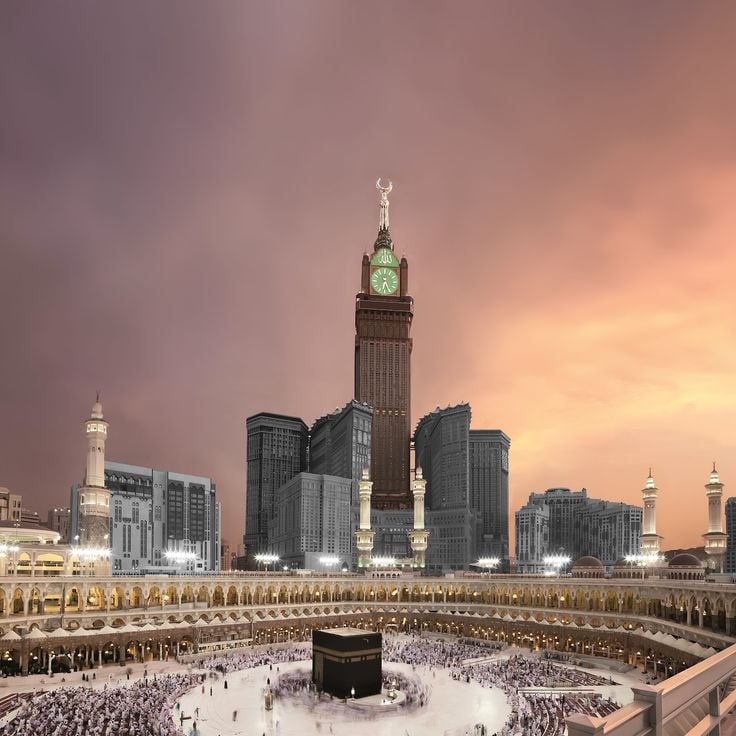
Mecca, Saudi Arabia
The Royal Clock Tower in Mecca rises to 601 meters (1972 feet) and anchors the Abraj Al Bait complex overlooking the Masjid al-Haram mosque. Each of the four clock faces measures 43 meters (141 feet) in diameter and is topped by a 21-meter (69-foot) gilded crescent spire. Completed in 2012, the structure houses a hotel, residential units and prayer spaces. The clock's LED lighting remains visible over 10 kilometers (6 miles) away at night. The tower serves as a landmark for more than two million annual pilgrims and coordinates prayer times for visitors from different time zones.
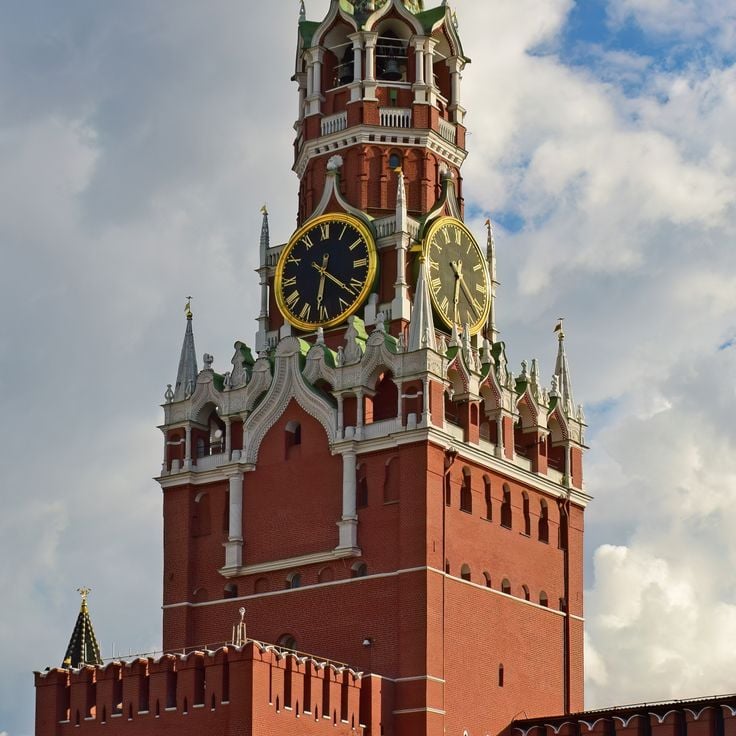
Moscow, Russia
The Spasskaya Tower rises from the eastern wall of the Moscow Kremlin and has served as the main entrance to the historic complex since 1625. Standing 233 feet (71 meters) tall, the tower holds an astronomical clock designed by Christopher Galloway of England, with a mechanism renewed several times, most recently in 1999. Clock faces appear on all four sides, marking time for the surrounding squares including Red Square. The tower combines Russian and Western European architectural elements from the 17th century and houses the bells that ring during official state occasions.

Mumbai, India
The Rajabai Clock Tower stands on the University of Mumbai campus, an 85-meter (279-foot) neogothic structure built between 1869 and 1878 to designs by architect George Gilbert Scott. Banker and philanthropist Premchand Roychand financed construction and named it after his mother Rajabai. The tower originally played melodies including Rule Britannia through its carillon several times daily and served as a landmark for ships in the harbor while providing time signals to the public. The facade displays detailed stonework with figures from different cultures. Today the Rajabai Clock Tower forms part of the Victorian and Art Deco Ensemble of Mumbai, a UNESCO World Heritage property, together with the adjacent university library.
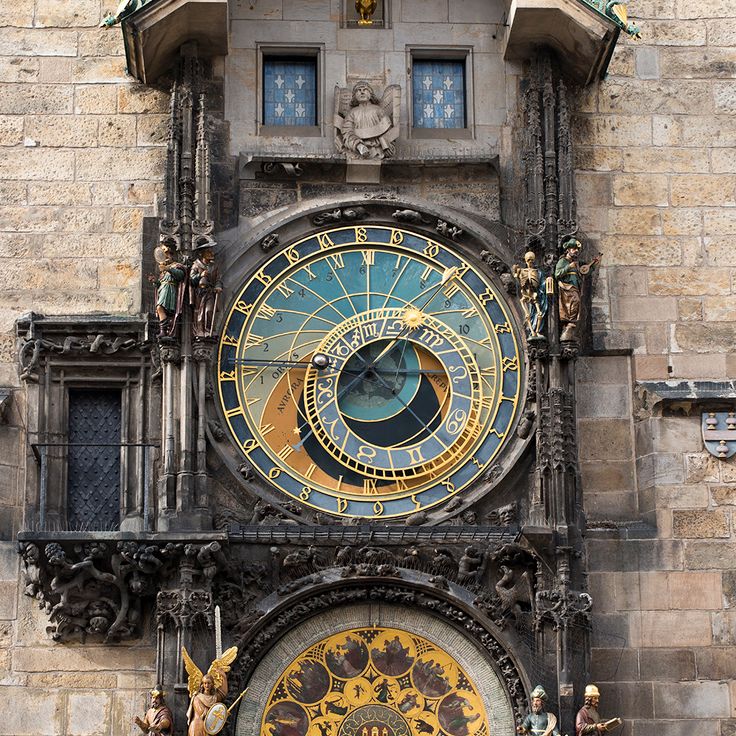
Prague, Czech Republic
This astronomical clock on the south wall of the Old Town Hall was installed in 1410 and ranks among the oldest working astronomical clocks worldwide. The medieval mechanism displays Babylonian time, Old Czech time, German time and sidereal time. Two main dials form its core: the upper astronomical dial shows the positions of the sun and moon in the zodiac, while the lower calendar dial represents the months with their corresponding zodiac signs. Every hour between 9 a.m. and 11 p.m., a mechanical procession of the twelve apostles moves behind two windows above the astronomical dial. The clock has been repaired and expanded several times over the centuries, particularly after severe damage during World War II. Clockmaker Mikuláš of Kadaň and astronomer Jan Šindel are recognized as the original builders.
Bern, Switzerland
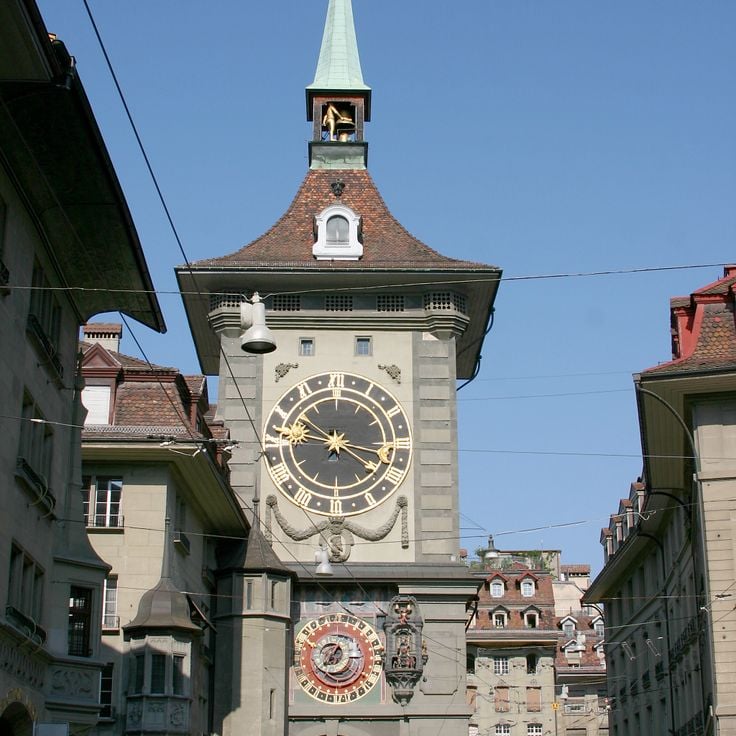
The Zytglogge is a 13th-century clock tower that originally served as the western gate of Bern's old town fortifications. Its 15th-century astronomical clock displays not only the time but also the day of the week, month, zodiac sign and lunar phases. Every hour, a mechanical figurine show featuring a jester, a crowing rooster and a parade of bears draws the attention of passersby. The tower marks the zero point for all distance measurements in the canton of Bern and stands within the UNESCO World Heritage Site perimeter.
Seville, Spain
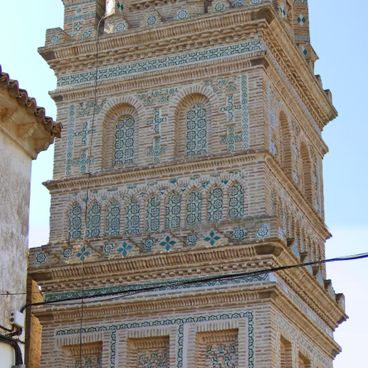
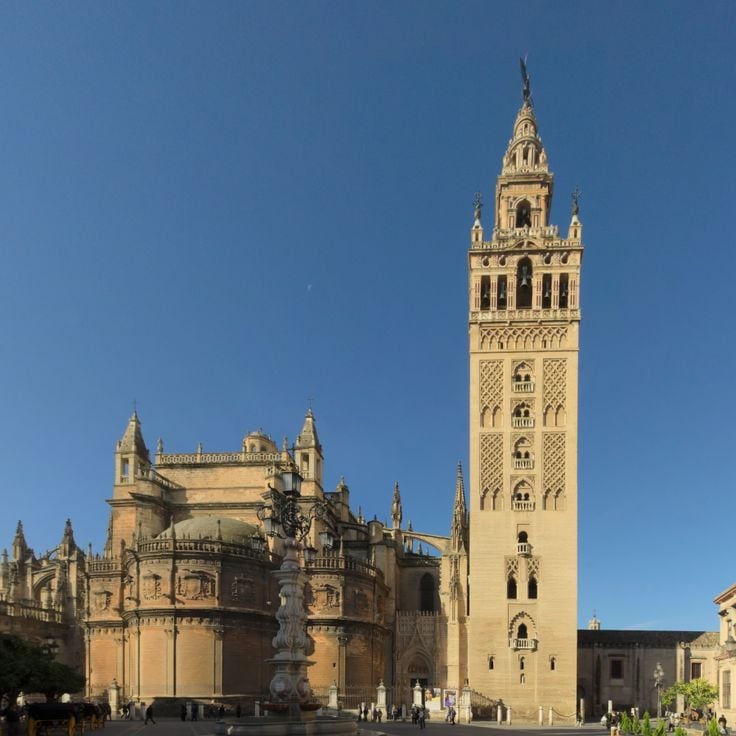
The Giralda has served as a landmark in Seville for more than eight centuries, combining Moorish and Christian building traditions. The 104-meter (341-foot) structure began in the 12th century as the minaret of the main mosque under Almohad rule and was converted into the cathedral bell tower following the Reconquista. Renaissance levels were added in the 16th century. Rather than stairs, a ramp runs through the interior of the Giralda, originally designed so mounted guards could reach the top. The observation platform offers views across the old town, and the Giralda forms part of the UNESCO World Heritage Site of Seville Cathedral.
Philadelphia, United States
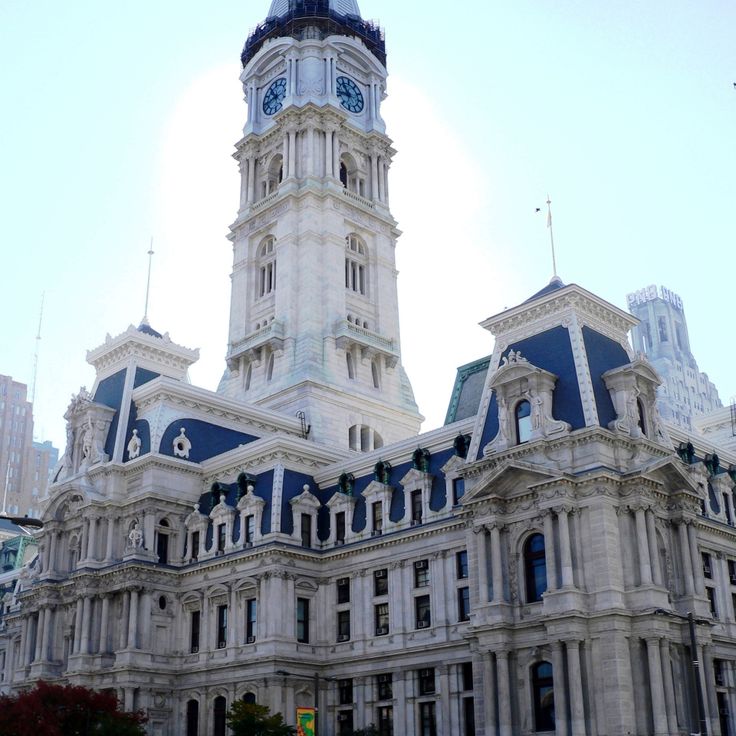
The clock tower of Philadelphia City Hall rises more than 550 feet (168 m) and ranked among the world's tallest inhabited buildings when completed in 1901. The four clock faces measure 26 feet (8 m) in diameter and operate through a mechanical clockwork driven by four one-ton weights. An eight-meter bronze statue of William Penn, founder of the Pennsylvania colony, stands at the tower's summit. The observation deck provides views across downtown and surrounding neighborhoods. The tower marks the geographic center of the original city plan and combines the function of a civic landmark with precise public timekeeping.
Ottawa, Canada
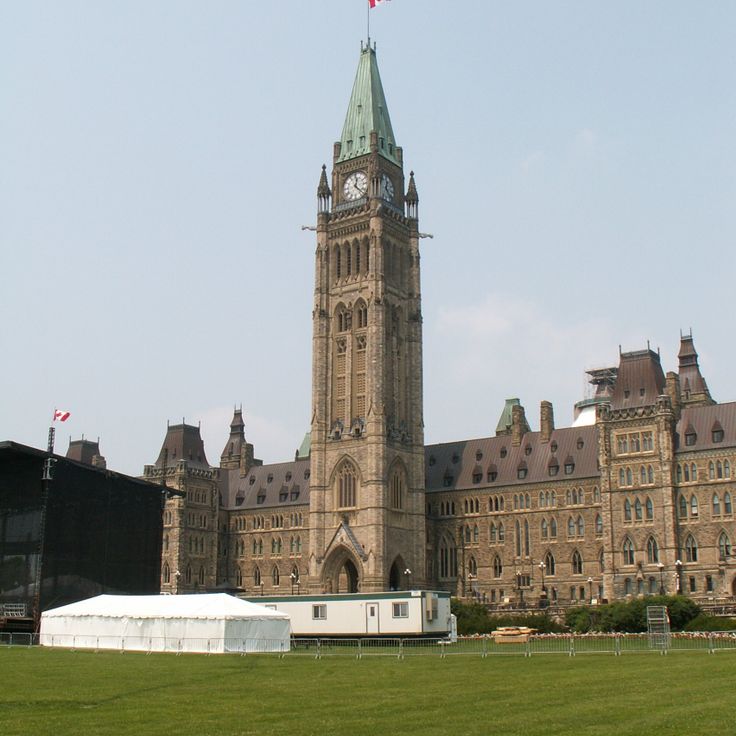
The Peace Tower forms the central feature of Parliament Hill in Ottawa and rises 302 feet (92 meters) above the city. This clock tower was built between 1919 and 1927 as a war memorial and marks the main entrance to the Centre Block of Canada's Parliament. The tower houses a carillon of 53 bells and the Memorial Chamber, a commemorative space dedicated to fallen Canadians. Four illuminated clock faces measuring 16 feet (4.8 meters) in diameter display the time above the city. The tower also includes an observation platform at approximately 230 feet (70 meters) elevation that provides views over Ottawa and the Ottawa River.
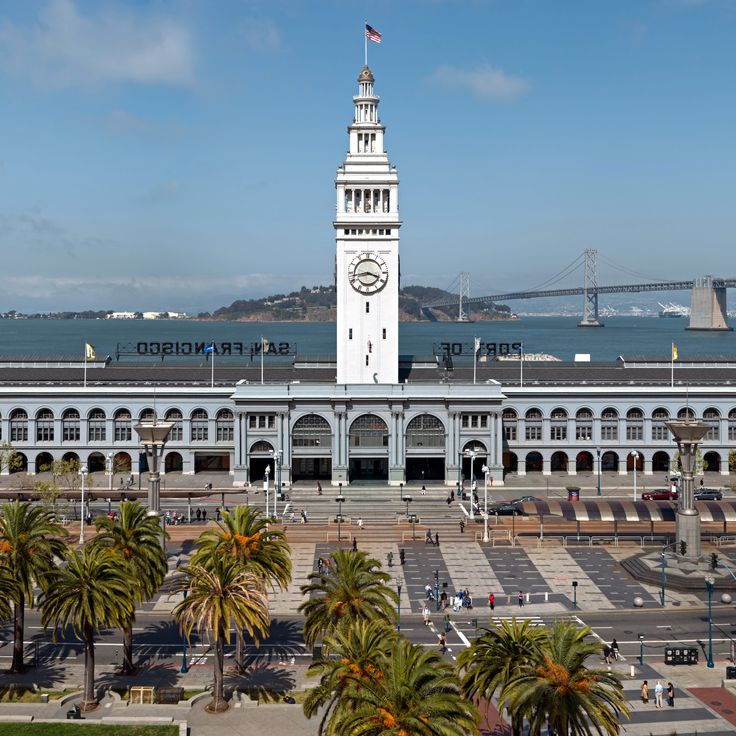
San Francisco, United States
The Ferry Building clock tower rises 245 feet (75 meters) above San Francisco's waterfront and has served as a harbor landmark since 1898. Designed in the Spanish Renaissance style, this tower structure draws from Seville's Giralda and houses a mechanical timepiece that drives four clock faces measuring 14 feet (4.3 meters) in diameter. The building survived the 1906 earthquake and underwent restoration in the early twenty-first century, preserving its original architectural details. The tower marks the eastern terminus of Market Street, connecting downtown to the bay.

Berkeley, United States
This 307-foot (93-meter) clock tower from 1914 designed by John Galen Howard stands at the center of the Berkeley campus. The tower houses a 61-bell carillon that sounds three times daily and has served as a central landmark for more than a century. An observation platform at 200 feet (60 meters) offers views across San Francisco Bay and the surrounding hills. The architecture combines technical precision with classical forms and shows the influence of the Venetian campanile at St. Mark's Square.
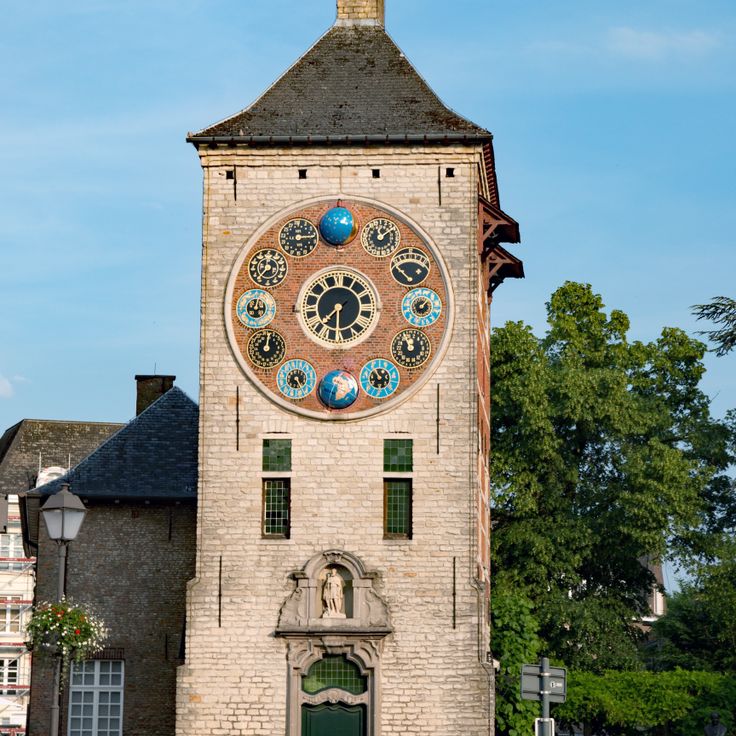
Lier, Belgium
The Zimmer Tower in Lier houses an early 20th-century astronomical clock designed by watchmaker Louis Zimmer. The structure features thirteen dials that display not only the time but also lunar phases, tides, zodiac signs and other astronomical phenomena. Zimmer completed the clock in 1930, adding it to the existing medieval Cornelius Tower. The mechanism documents the technical capabilities of mechanical timekeeping during this period. Visitors can tour the interior of the tower and observe how the various dials operate.
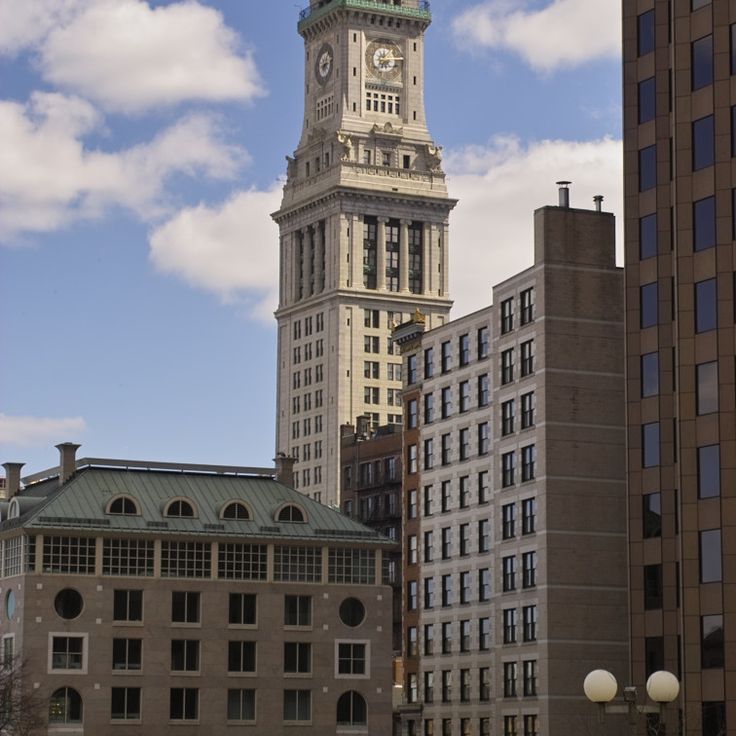
Boston, United States
The Custom House Tower shapes Boston's financial district skyline, combining neoclassical architecture with the city's maritime trade history. Built between 1837 and 1847 as a federal building, it received its distinctive clock tower in 1915, which remained the city's tallest structure for decades. The four clock faces each measure over 13 feet (4 meters) in diameter and were visible from much of Boston Harbor, allowing incoming vessels to read the time. The tower originally served as a customs house, monitoring shipping traffic and import duties. The granite and stone facade features hand-carved details typical of 19th-century federal buildings, while the added tower section shaped the city skyline.
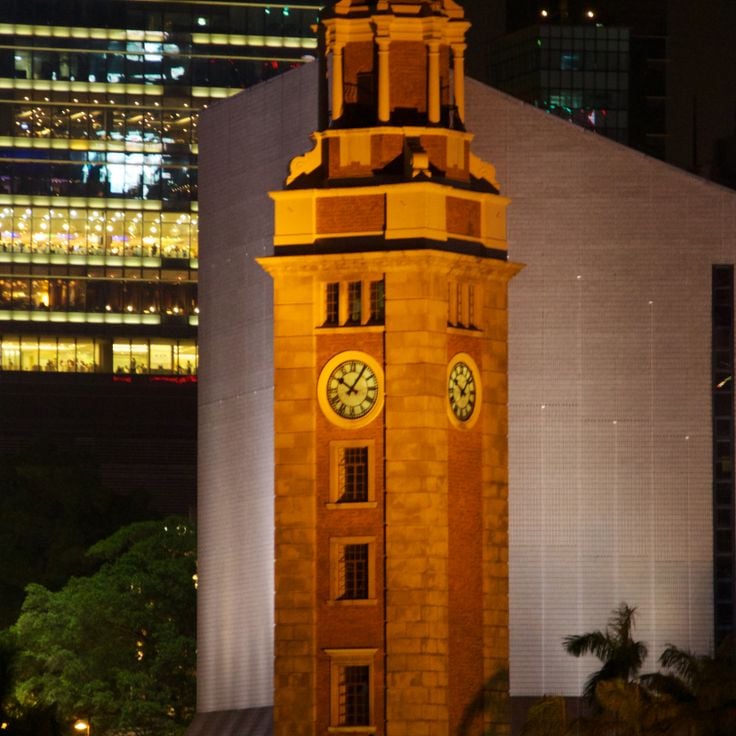
Lahore, Pakistan
The Clock Tower, known locally as Ghari Chowk, stands in the walled old city of Lahore and connects several traditional bazaars at a heavily trafficked crossroads. This British colonial period structure combines Victorian architecture with local building traditions and has served as a landmark for over a century. The tower marks the transition between historic quarters and continues to function as an important meeting point in Lahore's urban fabric, where locals and visitors have gathered for generations.

Waterbury, United States
The clock tower of Waterbury Union Station rises 240 feet (73 meters) above the city and marks one of the most architecturally significant railroad stations in New England. Completed in 1909, the station incorporates elements of Italian Renaissance and classical American architecture. The tower has shaped the Waterbury skyline for more than a century and serves as a landmark for travelers and residents. The station remains connected to the regional rail network and documents Connecticut's railroad history.
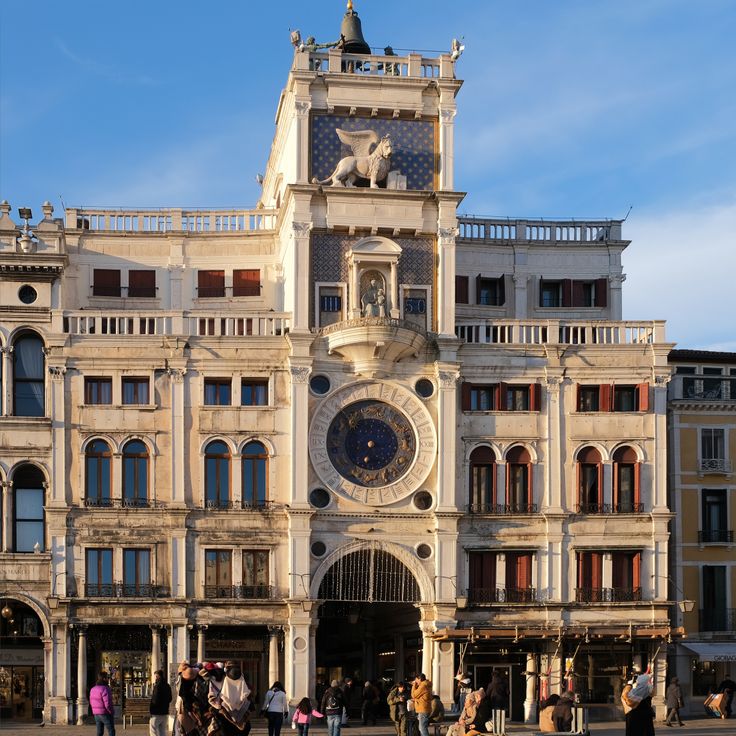
Venice, Italy
The Torre dell'Orologio on St. Mark's Square was built in the late 15th century and has served as Venice's public clock for more than five hundred years. The astronomical clock displays hours, lunar phases and zodiac signs on a blue enamel dial with gilded details. Two bronze figures known as the Moors have struck the hour on the bell above the tower since 1497. The mechanism has been restored several times, most recently in the early 21st century, preserving the original clockwork. Visitors can explore the tower during guided tours that provide insight into the mechanism and offer views across the square.
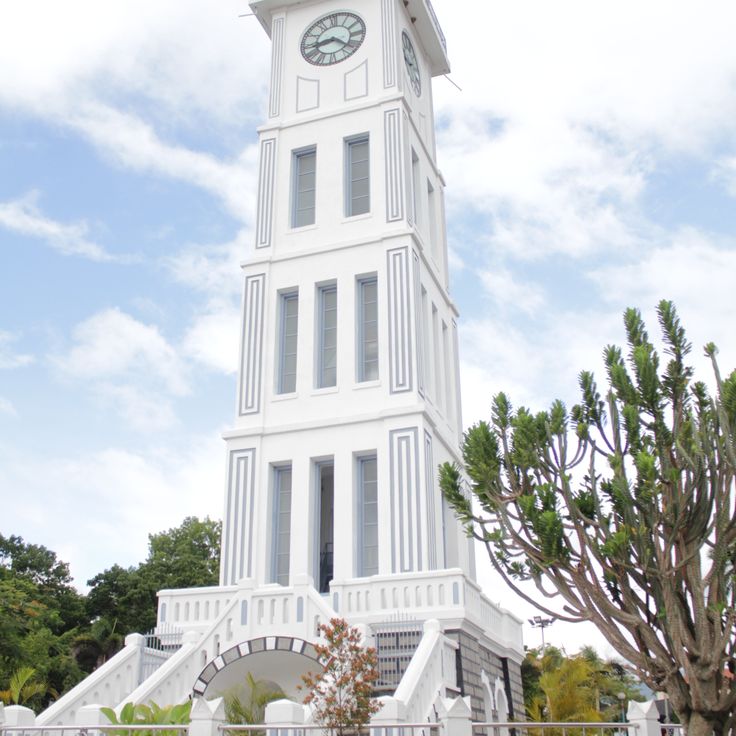
Bukittinggi, Indonesia
The Jam Gadang stands in the center of Bukittinggi and combines traditional Minangkabau architectural forms with a public timekeeping function. Built in 1926, the structure reaches 85 feet (26 meters) in height and features a distinctive roof shaped like buffalo horns, reflecting local design. Four clock faces display a notable detail: the numeral four appears as IIII instead of the Roman IV. An observation platform provides views of the city and the surrounding hills of West Sumatra. The clock tower was rebuilt after the 1926 earthquake and has since marked the business district on a pedestrian square.
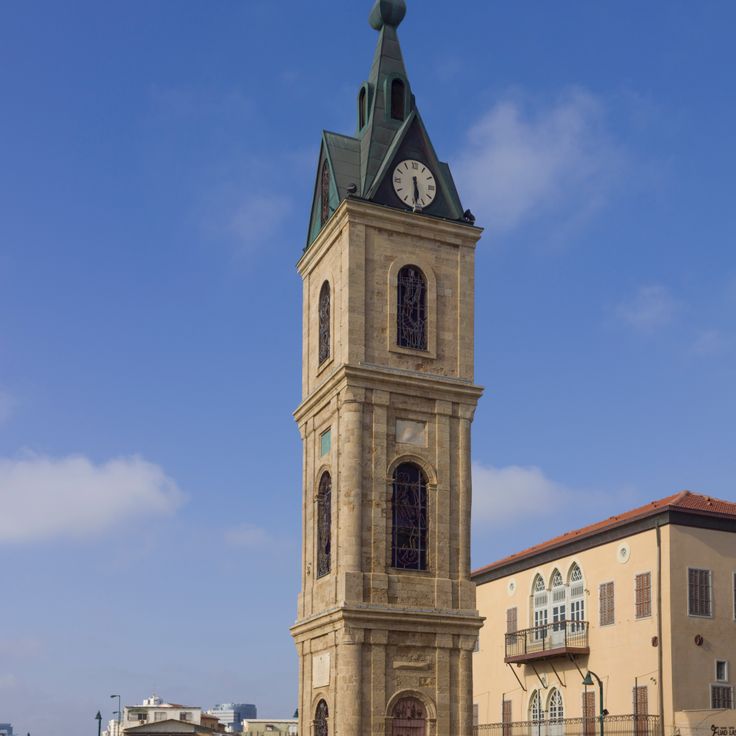
Tel Aviv-Jaffa, Israel
This clock tower rises from the central square of Jaffa and marks the historic entrance to the old city. Built in 1906 under Ottoman administration to celebrate Sultan Abdul Hamid II's silver jubilee, the structure reaches approximately 82 feet (25 meters) and displays four clock faces. The tower has served as a landmark for residents and visitors for more than a century. Its architecture combines Ottoman and European elements typical of the early twentieth century. The tower marks the transition between old Jaffa and the newer neighborhoods of Tel Aviv.
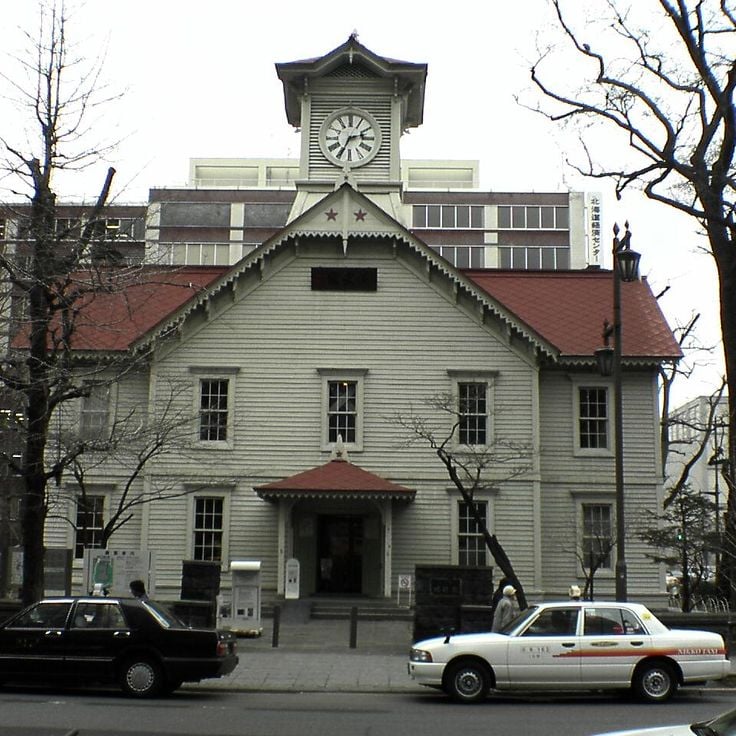
Sapporo, Japan
The Sapporo Clock Tower is a wooden structure built in 1878 that originally served as a drill hall for the Sapporo Agricultural College. With its white clapboard facade and distinctive square tower, the building represents one of the few surviving examples of Western architecture from the early Meiji period in Hokkaido. The mechanical clock movement was manufactured in Boston in 1881 and still chimes on the hour. The structure now operates as a museum in the midst of the modern city center and documents the city's development from an agricultural settlement to a major urban area. As part of this collection of historic timekeepers, the tower illustrates the adoption of Western technology and architectural styles during Japan's modernization in the late 19th century.
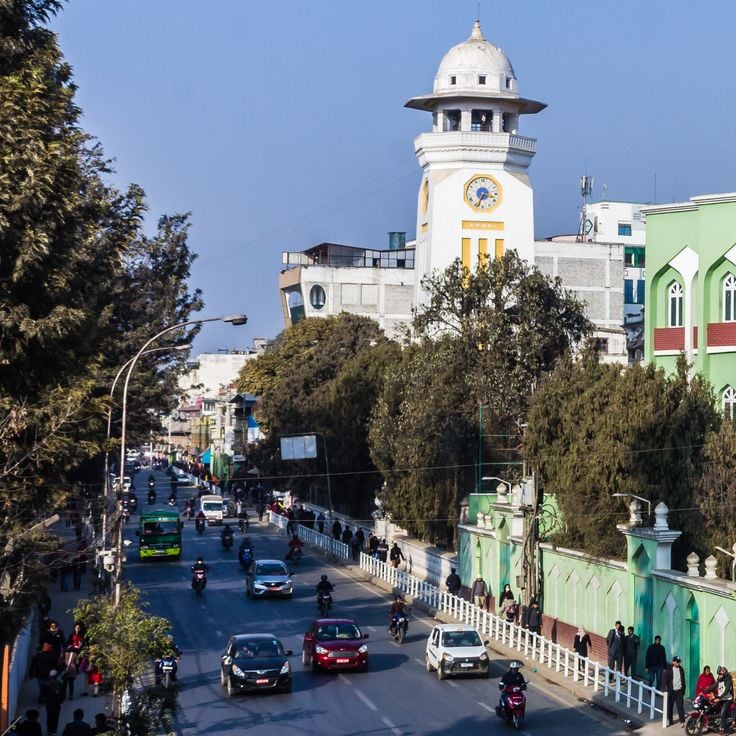
Kathmandu, Nepal
The Ghanta Ghar stands in the center of Kathmandu, serving as a public timekeeper in the Nepali capital. This clock tower marks a point at the intersection of several main streets, connecting historical urban planning with practical orientation. Like other clock towers in the collection, the Ghanta Ghar reflects the role of these structures as urban reference points that combine architectural presence with timekeeping, helping to shape the rhythm of public life in Kathmandu.
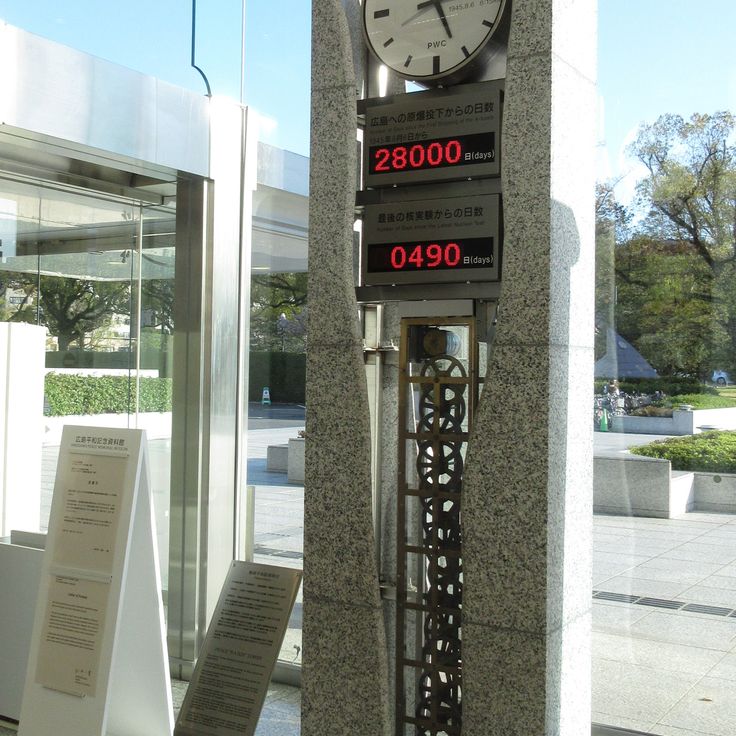
Hiroshima, Japan
The Peace Watch is a clock tower located at the Hiroshima Peace Memorial Museum. The structure stands in Peace Memorial Park and serves as an architectural element within an urban complex dedicated to commemorating the events of August 6, 1945. The tower combines contemporary design with a practical timekeeping function, fitting into the collection of historic clock towers that merge technical precision with public significance. Visitors to the museum pass the tower as they approach the exhibition spaces.
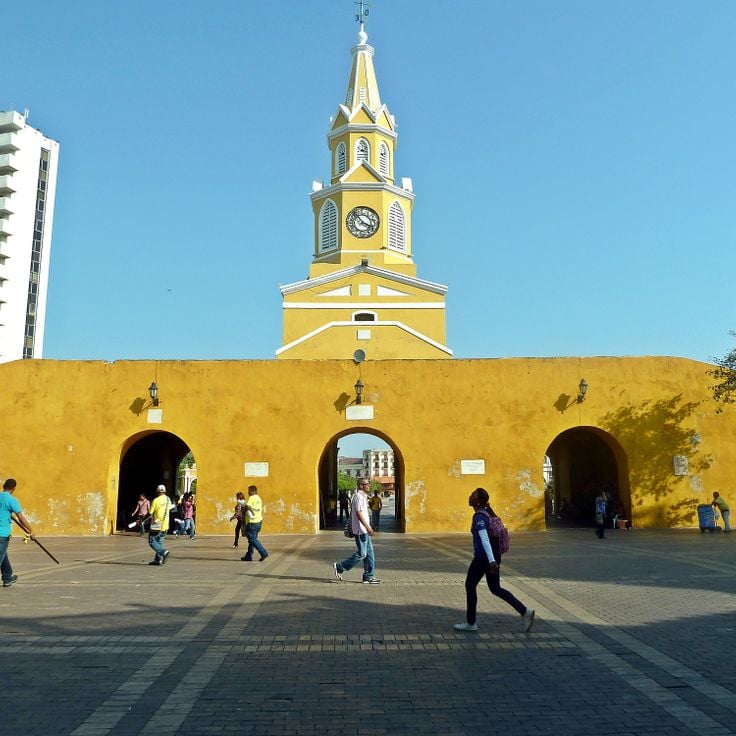
Cartagena, Colombia
The Puerta del Reloj serves as the historic main entrance to the walled old town of Cartagena, connecting the outer fortifications with the colonial city center. Built into the ramparts in the 16th century, this gateway acquired its distinctive bell tower in the 19th century, which now houses a four-faced clock. The structure consists of three arched passages, with the central arch originally designed for carriages and the side arches for pedestrians. As part of the fortified defenses, the gateway demonstrates Spanish colonial military architecture and has functioned as the primary access point to the historic quarter for centuries. The tower provides a widely visible landmark at the Plaza de los Coches, marking the transition between the modern Getsemaní neighborhood and the UNESCO World Heritage old town.
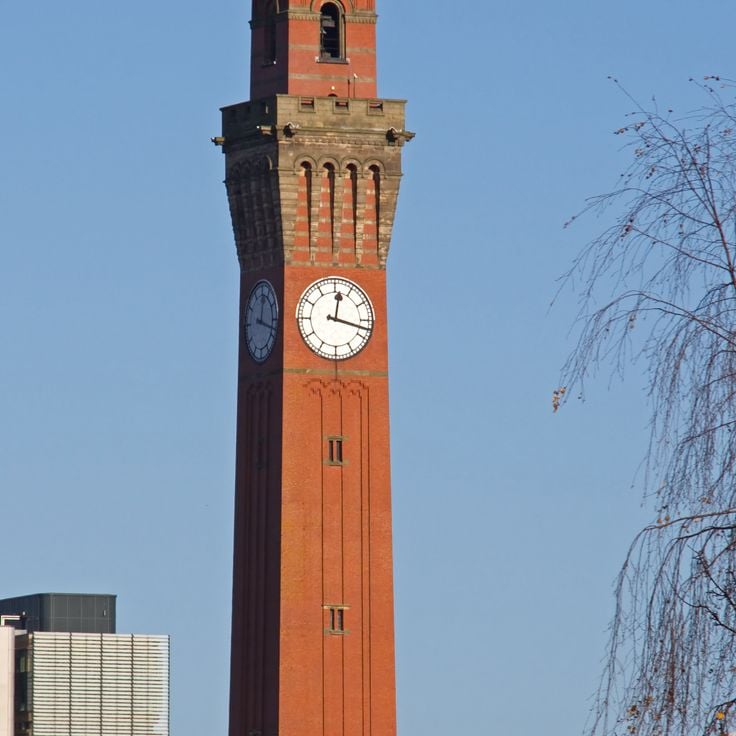
Birmingham, United Kingdom
The Joseph Chamberlain Memorial Clock Tower, known as Old Joe, rises 330 feet above the University of Birmingham campus and stands as one of the most recognizable timekeeping structures in English academic architecture. Completed in 1908, the red-brick tower honors Joseph Chamberlain, the university's first chancellor, and combines Romanesque forms with local construction materials. The clock face spans more than 23 feet in diameter, while the four bronze bells have marked academic hours for over a century in the Edgbaston district. An observation platform at 165 feet (50 meters) delivers views across the university grounds and Birmingham's rooftops. This clock tower links historical educational purpose with practical timekeeping function and forms the architectural center of one of Britain's major campus complexes.
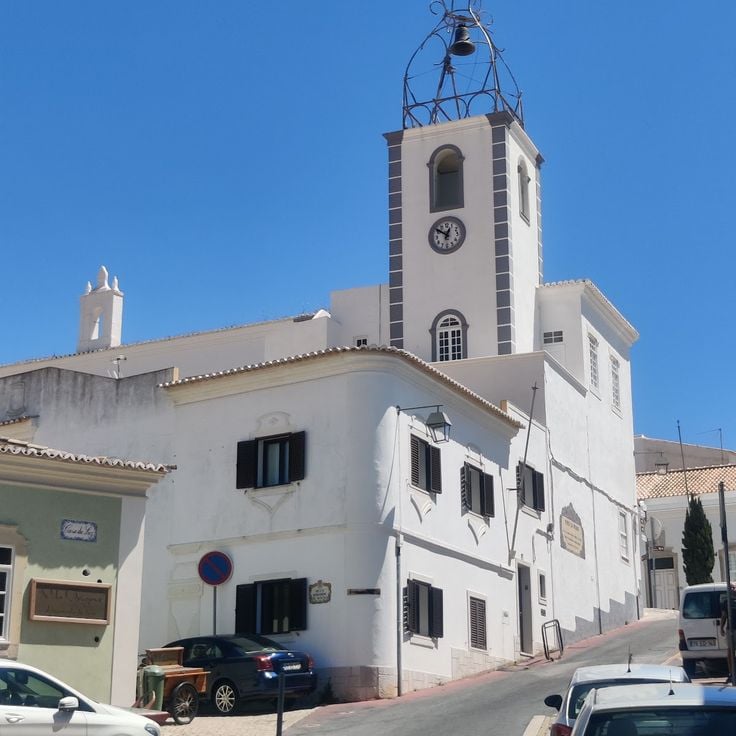
Portugal
The Clock Tower combines technical precision with architectural elements from different periods. The visible structure rises in the city center and serves as a local landmark. The tower often provides a vantage point over the surroundings and displays mechanical achievements in timekeeping. As part of the historical infrastructure, the Clock Tower documents the development of public timekeeping in Portugal. Visitors can examine the construction and functional aspects of the installation.
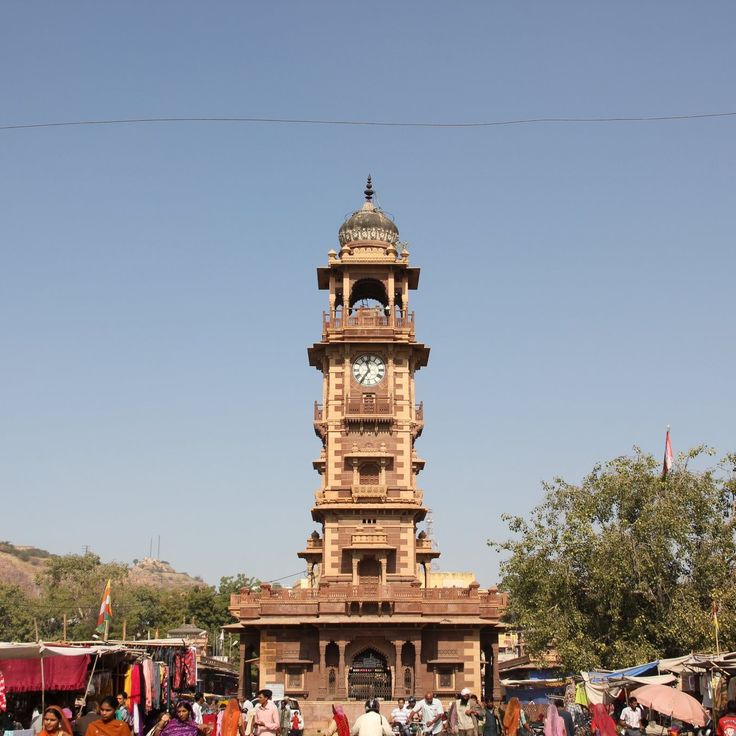
Jodhpur, India
The Ghanta Ghar is a prominent clock tower in the center of Jodhpur, marking the entrance to the busy Sardar Market. The structure was built during the reign of Maharaja Sardar Singh in the 1910s, combining local Rajput architecture with colonial influences. The tower rises above the surrounding bazaar and has served as a landmark for residents and visitors for more than a century. Its position at the junction of several trading streets makes it a natural meeting point in the old city, where vendors sell spices, textiles and handicrafts.
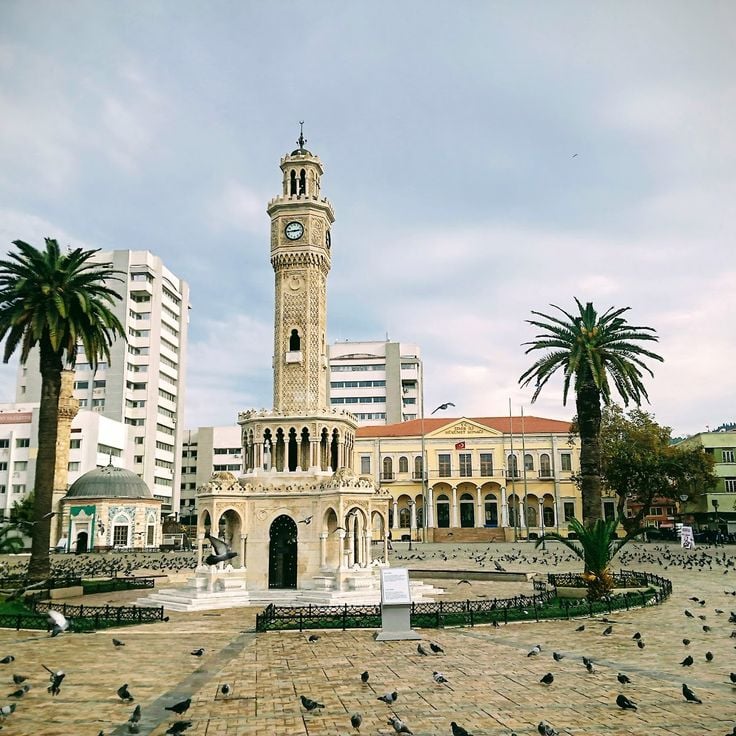
Izmir, Turkey
Izmir's Clock Tower rises in the heart of Konak Square, a central gathering point in the city center. Standing 25 meters (82 feet) tall, this 1901 structure commemorates the 25th anniversary of Sultan Abdülhamid II's accession to the throne and was designed by French architect Raymond Charles Péré in Ottoman style with Moorish ornamental details. The four fountains at its base were a gift from Kaiser Wilhelm II, while the clock mechanism itself was supplied by the German firm Johann Mannhardt. The tower forms a recognizable ensemble with the nearby Yalı Mosque, framing the square against the backdrop of Izmir's gulf. Its detailed stonework and octagonal design make it an enduring reference point for locals and visitors passing through the busy plaza.
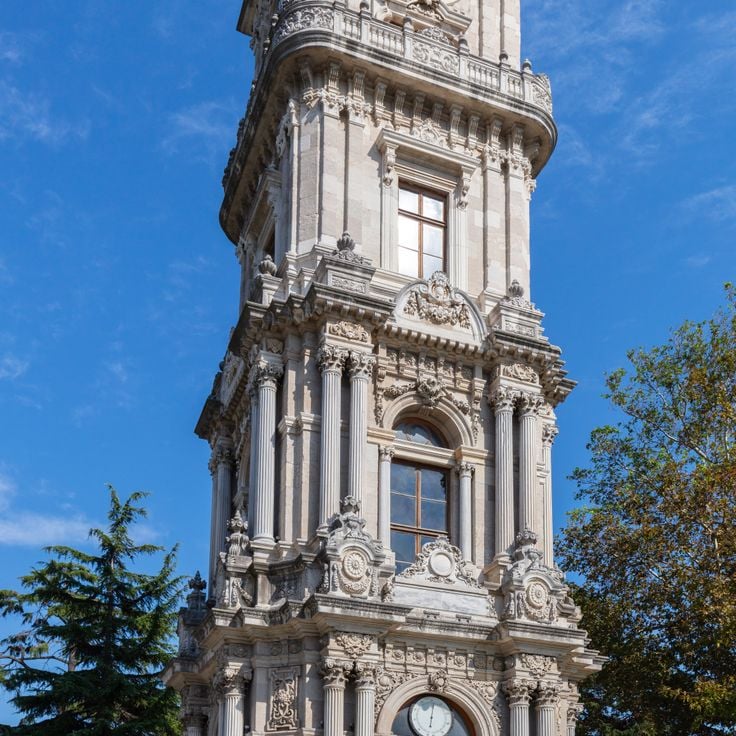
Istanbul, Turkey
The Dolmabahçe Clock Tower rises beside Dolmabahçe Palace on the Bosphorus and was built between 1890 and 1895 during the reign of Sultan Abdülhamid II. The 89-foot (27-meter) neo-baroque tower displays four clock faces and stands on a square base with decorative reliefs. French architect Sarkis Balyan designed the structure, which combines Ottoman and European design elements. The clock mechanism was supplied by Johann Mayer from France. The tower marks the main entrance to the palace complex and served as a public timekeeping instrument for the Beşiktaş district.
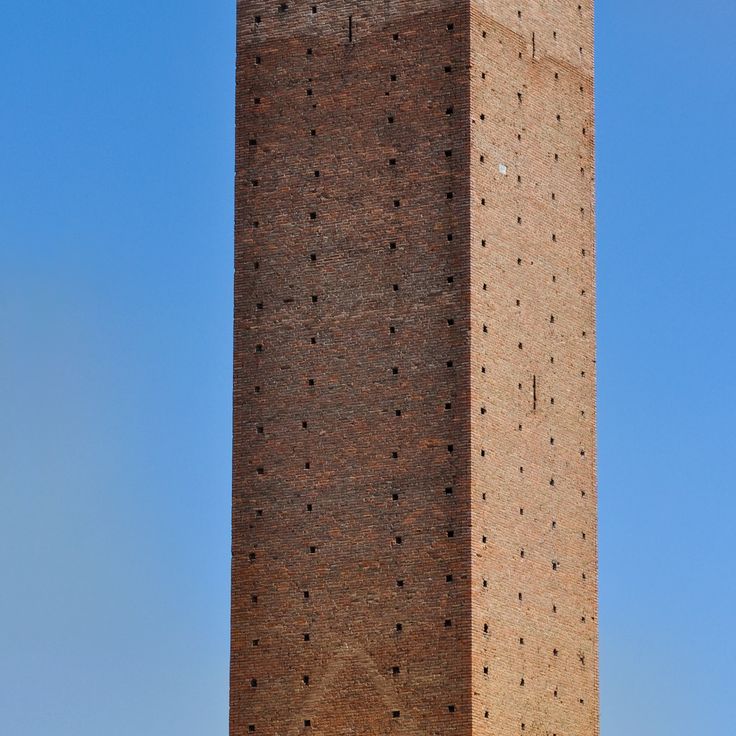
Siena, Italy
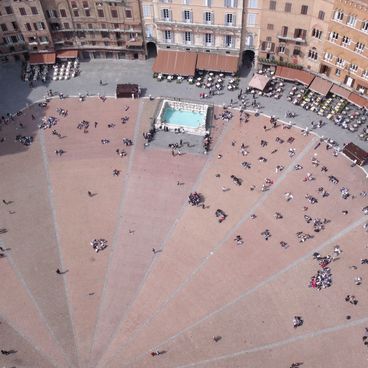
The Torre del Mangia was built between 1338 and 1348 on the Piazza del Campo in Siena, rising to a height of 289 feet (88 meters). The slender brick structure was designed by architect Lippo Memmi and stands beside the Palazzo Pubblico, the city's Gothic town hall. Its name refers to the first bellringer, Giovanni di Duccio, whose nickname Mangiaguadagni (profit eater) reflected his spendthrift habits. The tower's white travertine top houses a bell dating from 1666, historically used to summon council meetings and warn of dangers. Visitors can climb over 400 steps to the viewing platform, which provides panoramic views across the medieval cityscape and the Tuscan countryside.
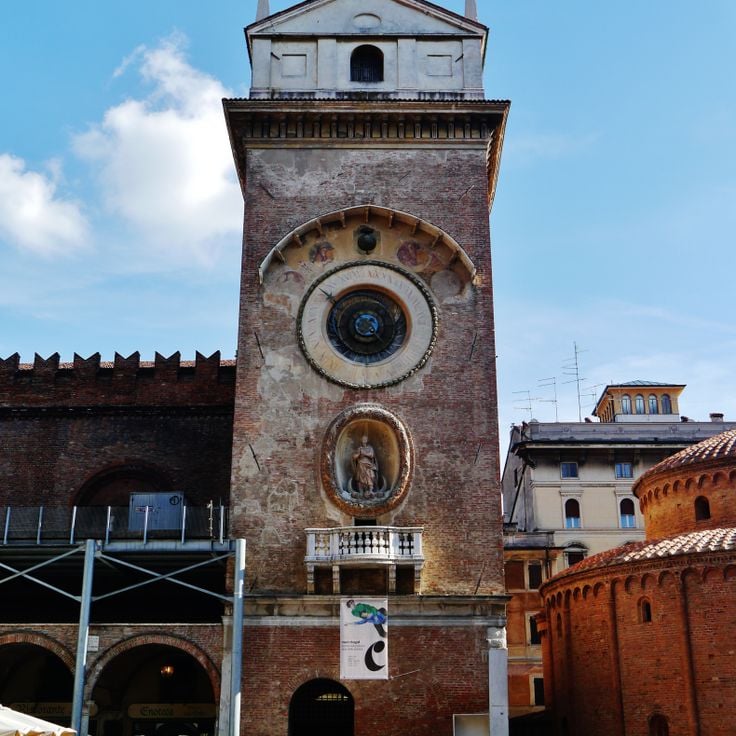
Mantua, Italy
The Torre dell'Orologio rises at the edge of Piazza delle Erbe in Mantua, marking one of the city's central public squares. The structure dates to the 15th century and displays features of Renaissance architecture in northern Italy. The clockwork mechanism has been modified over time to meet mechanical standards of different periods. Visible from the square, the tower serves both as a timekeeper and as a landmark within the historic city center. The structure fits into the urban development of Mantua shaped under the rule of the Gonzaga family. Its position on Piazza delle Erbe, a traditional marketplace, underscores the role the tower has played in the public life of the city across centuries.
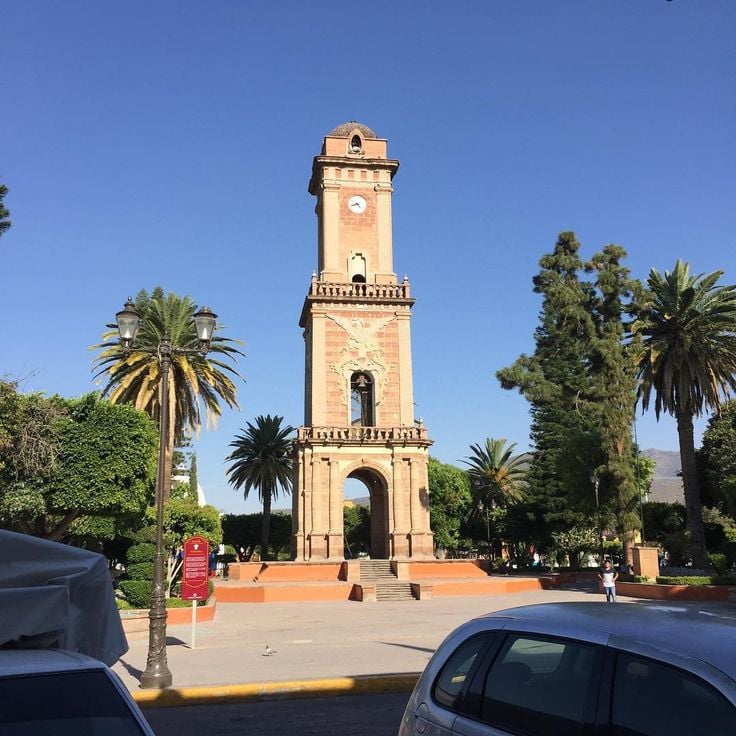
Tecozautla, Mexico
The Reloj Monumental de Tecozautla stands in the center of this town in Hidalgo state and follows the Latin American tradition of clock towers that dominate public squares. This structure combines functional timekeeping with local architectural expression and serves as an orientation point for residents and visitors. The tower marks the central gathering place of the community and represents the municipal commitment to public infrastructure and civic identity in a region known for its hot springs and agricultural production.
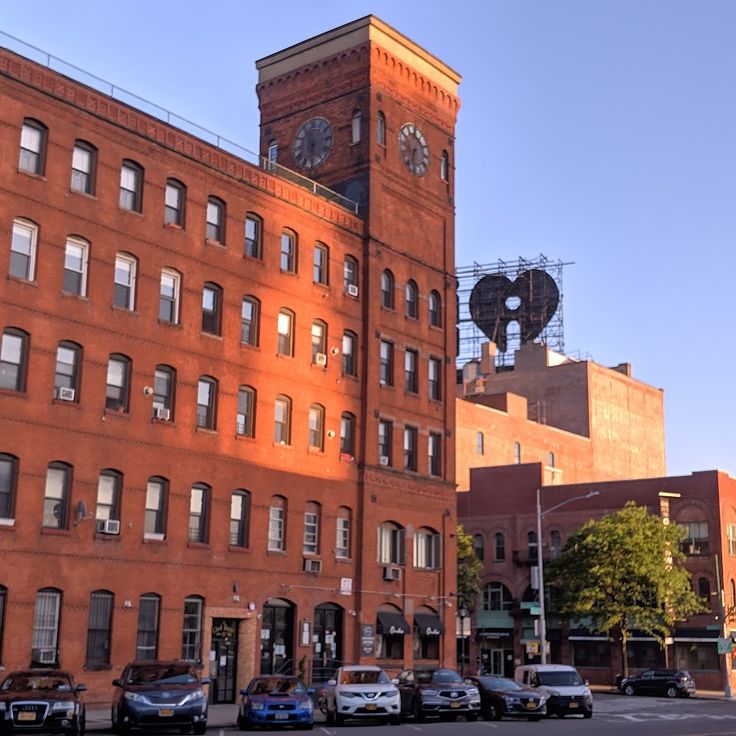
The Bronx, United States
This clock tower rises above a converted industrial building in Mott Haven in the Bronx, dating from the borough's manufacturing heyday. The tower marks the historic factory complex and reflects the commercial past of the neighborhood, which now features a mix of repurposed industrial structures and residential properties. The structure illustrates the typical combination of practical timekeeping and architectural orientation found in American factory buildings from the late nineteenth and early twentieth centuries. The tower remains a reference point in the Mott Haven streetscape and documents the industrial development of the Bronx.
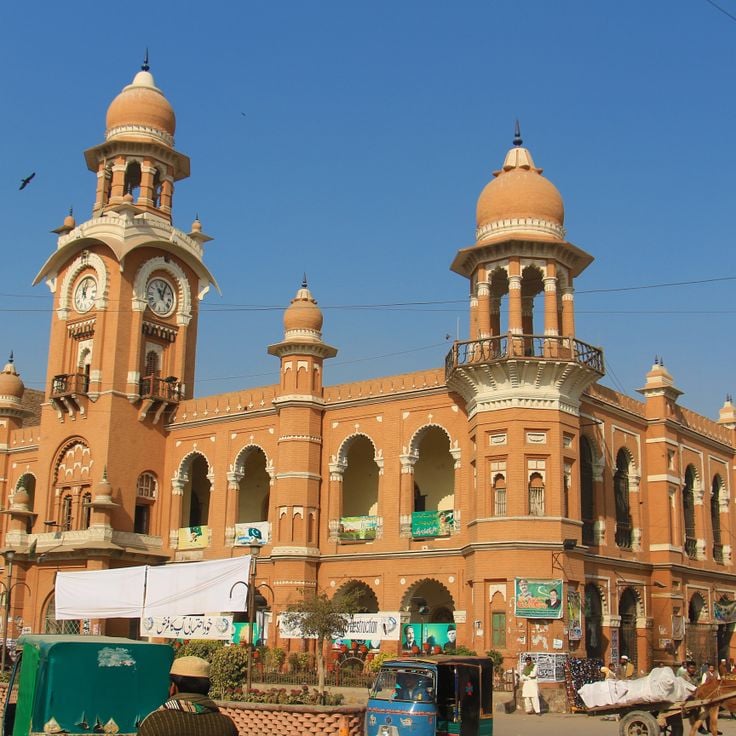
Multan, Pakistan
The Ghanta Ghar is a clock tower dating from British colonial rule in the center of Multan. The structure marks a major junction in the city and combines European architectural elements with South Asian urban history. The tower serves as a landmark in the busy streets of the old city and documents urban planning developments during the colonial administration of the 19th and early 20th centuries in the Punjab region.
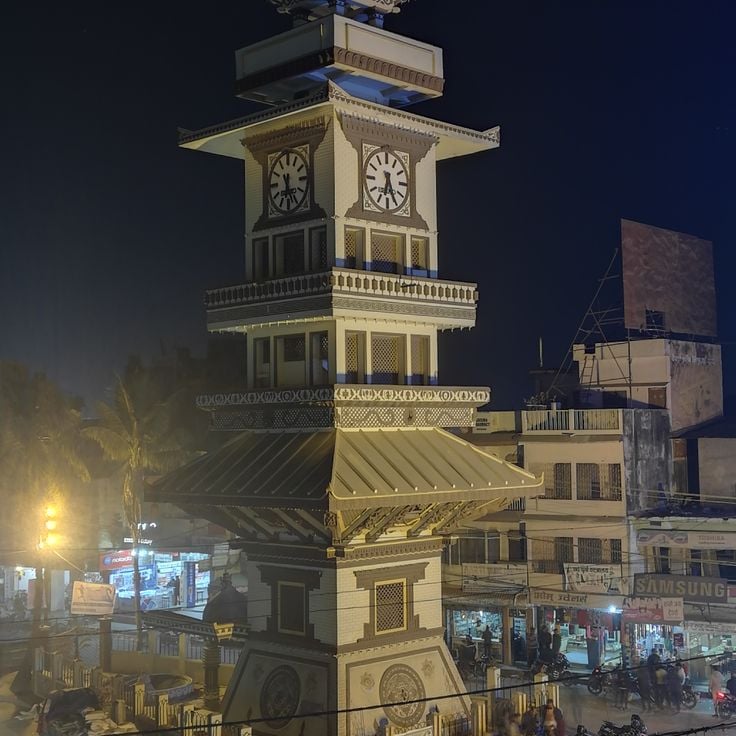
Birgunj, Nepal
The Birgunj Ghanta Ghar serves as the central clock tower in this Nepalese border city, combining municipal timekeeping with local architectural tradition. The structure stands at the heart of Birgunj's commercial district, where it has functioned as a landmark for merchants, commuters and residents of this densely populated region along the Indo-Nepalese border since its construction. The tower carries a mechanical dial visible from multiple street axes and marks an important node within the urban fabric, where trade routes and public transport converge.
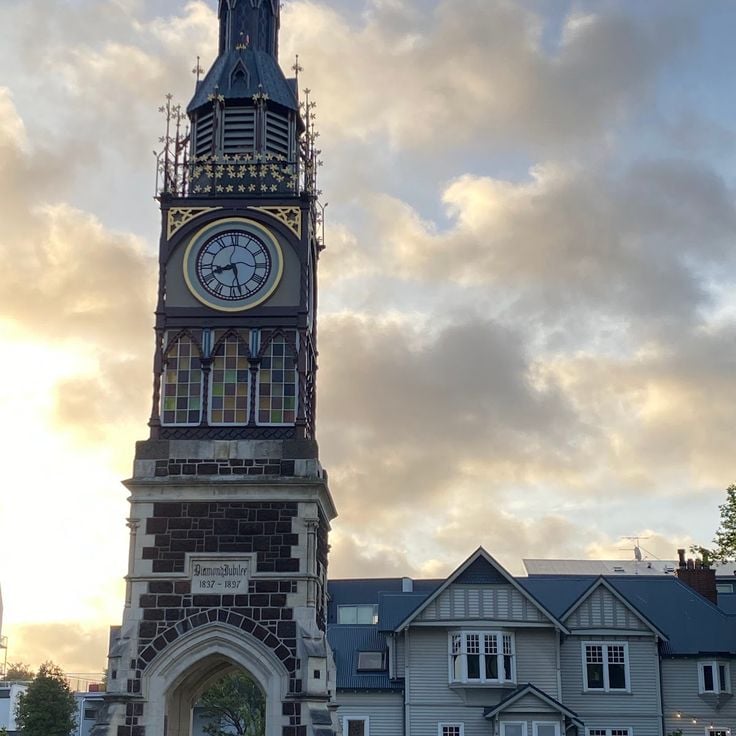
Christchurch, New Zealand
The Victoria Clock Tower stands in the center of Christchurch and represents the Gothic Revival architecture that shaped Victorian New Zealand. The structure functions as an urban landmark, connecting historical design with its role as a public timekeeper. This tower belongs to a global collection of clock towers that combine technical precision with varied architectural styles from different periods.
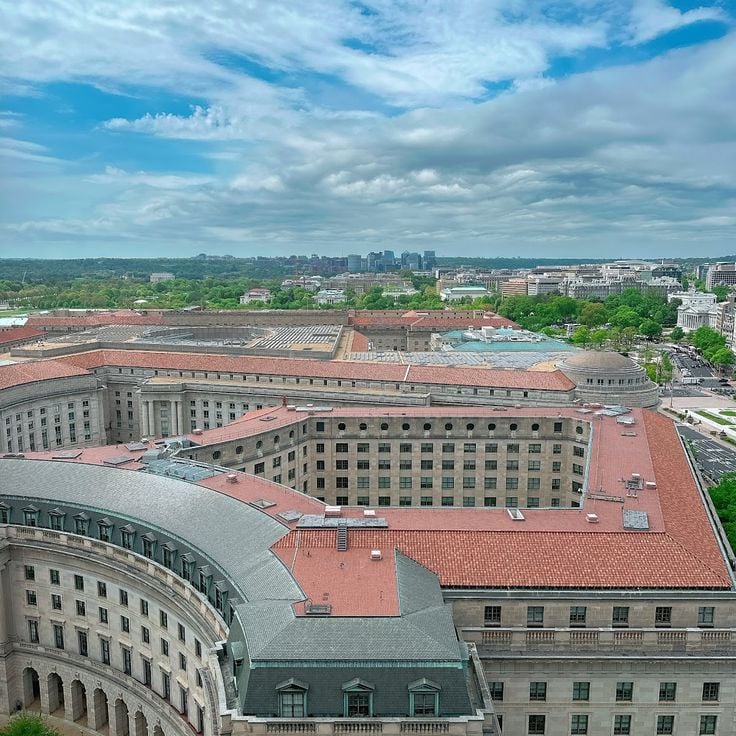
Washington, D.C., United States
This clock tower at the Old Post Office stands on Pennsylvania Avenue in Washington, D.C., combining function with civic architecture. Built in the late 19th century, the structure originally served as the city's main post office and now houses a museum documenting the history of mail delivery and the building's role in the capital's public life. The tower offers views across the downtown area and represents the American clock tower tradition of that era, merging practical timekeeping with monumental design.
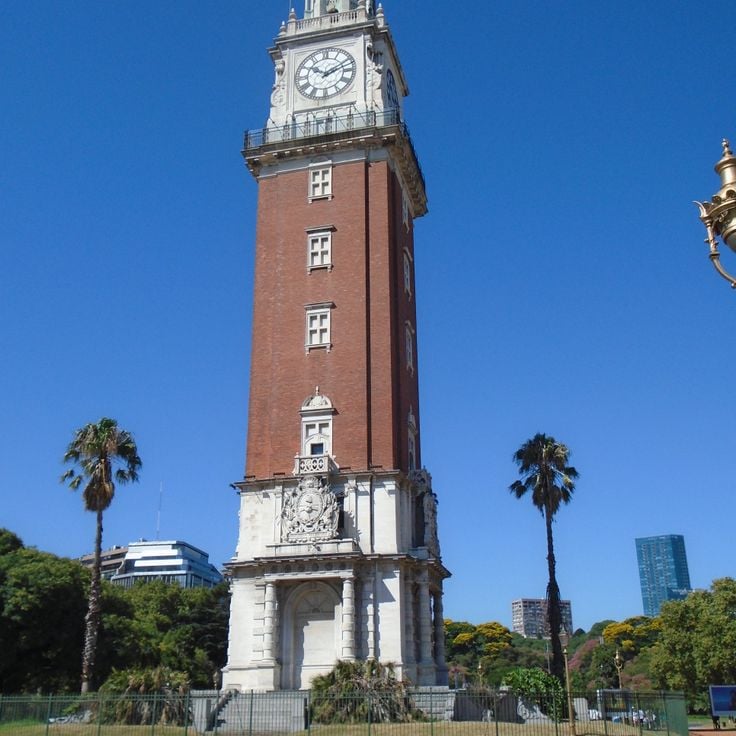
Buenos Aires, Argentina
The Torre de los Ingleses rises 246 feet (75 meters) above the Retiro district of Buenos Aires, combining timekeeping with British influence on the city's architecture. The Argentine government renamed the structure Torre Monumental in 1982 following the Falklands War, though the original name persists in common usage. Completed in 1916 from a design by Ambrose Poynter, the clock tower follows Palladian proportions and displays five clock faces driven by Westminster-pattern mechanism. Built from English Portland stone and red brick masonry, the structure continues to serve as a landmark at Plaza Fuerza Aérea Argentina, illustrating the presence of historic timekeepers in South American urban landscapes.
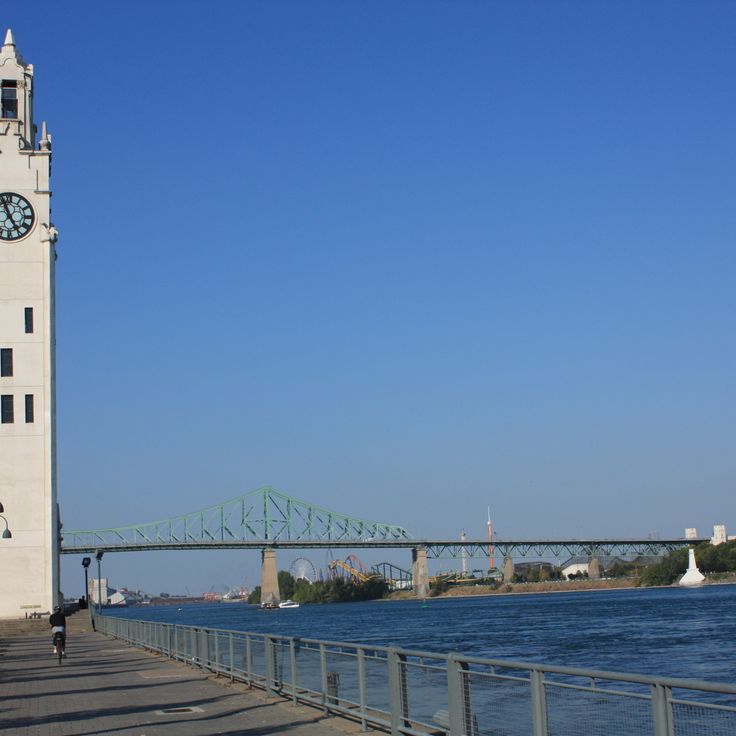
Montréal, Canada
The 150-foot (45-meter) Tour de l'Horloge stands on Quai Alexandra in Montréal's Vieux-Port, combining architecture with practical timekeeping. The tower structure was completed in 1922 and serves as a memorial to Canadian sailors who died in World War I. The Beaux-Arts building displays four clock faces near its summit and marks the entrance to the historic port area. Visitors can climb an interior staircase to the observation deck, which offers views across the St. Lawrence River and the city skyline. The Tour de l'Horloge links maritime history with urban landmark.
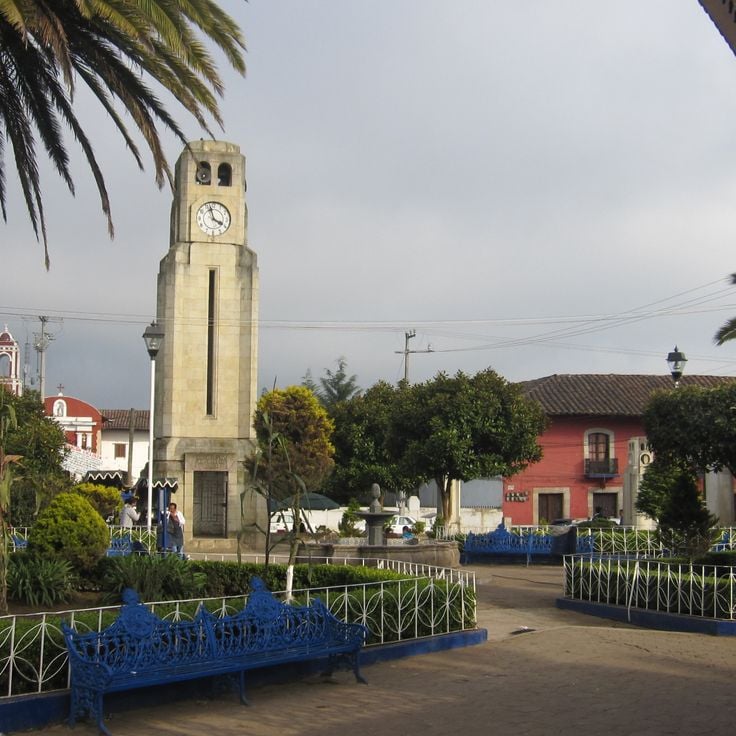
Acaxochitlán, Mexico
This clock tower was erected in 1933 and stands in the center of Acaxochitlán, forming a recognizable element of the town's civic identity. The structure combines functional timekeeping with local architectural expression and has shaped the townscape of this Mexican municipality in Hidalgo state for nearly a century. The tower serves as a public landmark and documents the technical and design approaches of early twentieth-century provincial administrative centers in Mexico.