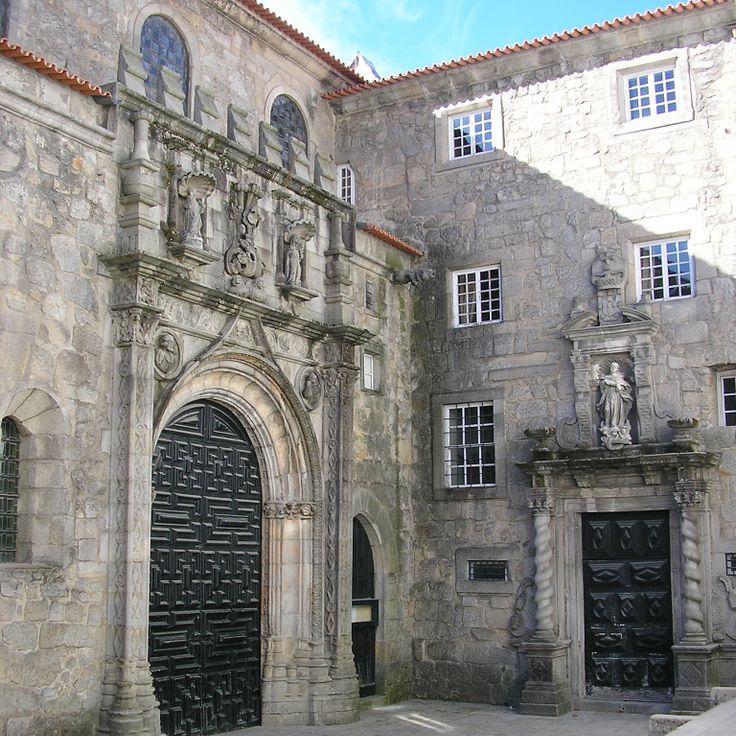
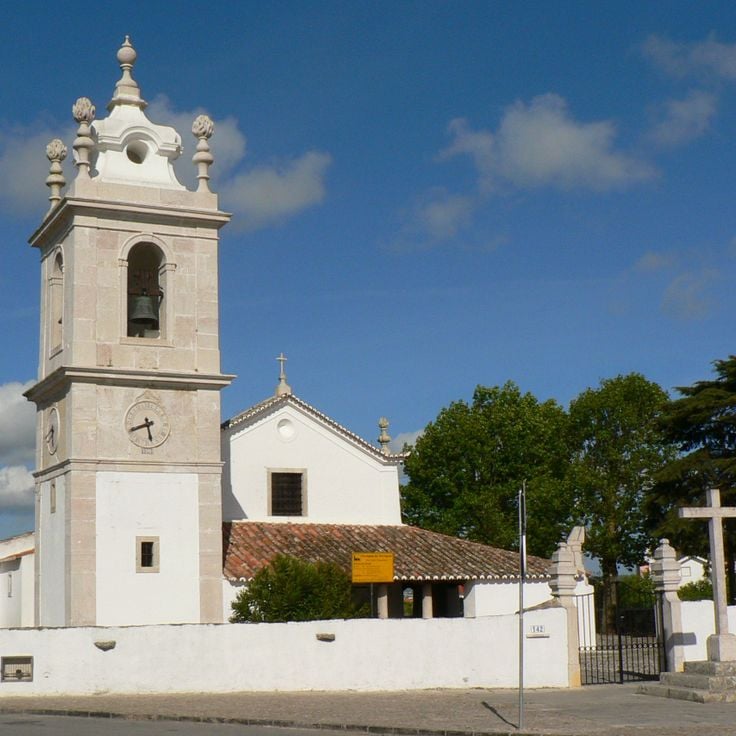
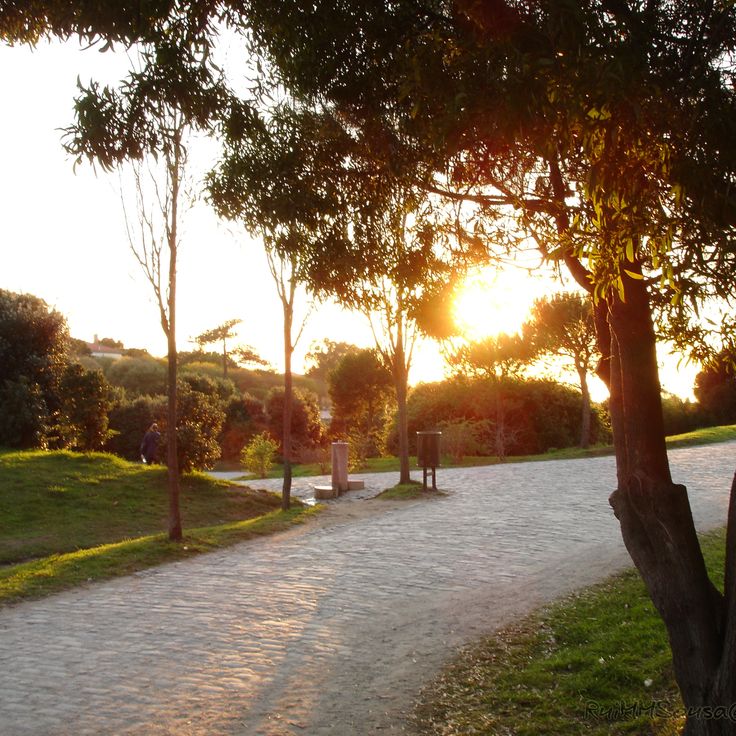
The cobbled streets of Porto tell the story of a city where the Douro, the bridges, and churches decorated with painted tiles create a dreamlike scene for visitors.
Porto, city in the north of Portugal, gives many reasons to stop here. You can see historic bridges that make the city known. Explore old churches and visit museums with interesting collections. The city also hides lesser-known places that are just as charming, from the Douro River crossing the city to lively markets and religious buildings decorated with painted tiles. Whether you want well-known sights or surprising spots off the beaten path, Porto will appeal with its buildings, trading traditions, and stories that go back many years. The winding streets lead to new finds, like a small church with walls covered in blue ceramics or a classical building that reminds you of the city’s trading days. Walking around Porto, you will see why this northern city draws in visitors and keeps them interested.
The cobbled streets of Porto tell the story of a city where the Douro, the bridges, and churches decorated with painted tiles create a dreamlike scene for visitors.
Porto, city in the north of Portugal, gives many reasons to stop here. You can see historic bridges that make the city known. Explore old churches and visit museums with interesting collections. The city also hides lesser-known places that are just as charming, from the Douro River crossing the city to lively markets and religious buildings decorated with painted tiles. Whether you want well-known sights or surprising spots off the beaten path, Porto will appeal with its buildings, trading traditions, and stories that go back many years. The winding streets lead to new finds, like a small church with walls covered in blue ceramics or a classical building that reminds you of the city’s trading days. Walking around Porto, you will see why this northern city draws in visitors and keeps them interested.
This iron bridge was built in 1886 and connects Porto to Vila Nova de Gaia. The upper level accommodates the metro and pedestrians, while the lower level carries automobile traffic. The bridge is a defining structure of the city and shapes views across the Douro valley.
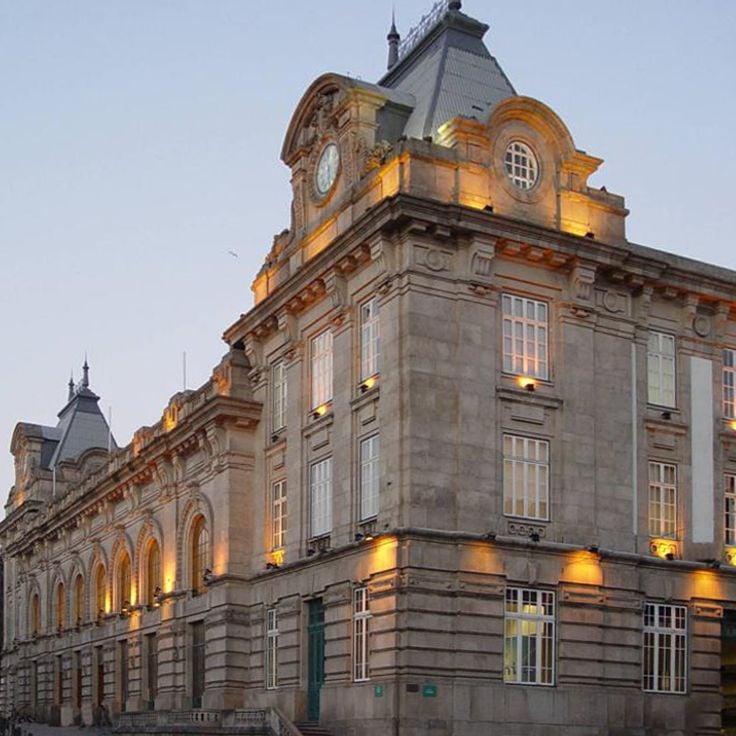
São Bento Station is a historic railway building in Porto, constructed in 1916. The interior walls are covered with approximately 20,000 hand-painted tiles called azulejos. These tiles depict scenes from the history of transportation and Portugal. The station represents an important chapter in Porto's role as a major transportation hub. The tilework showcases the artistic craftsmanship that characterizes the city and tells stories from decades past.
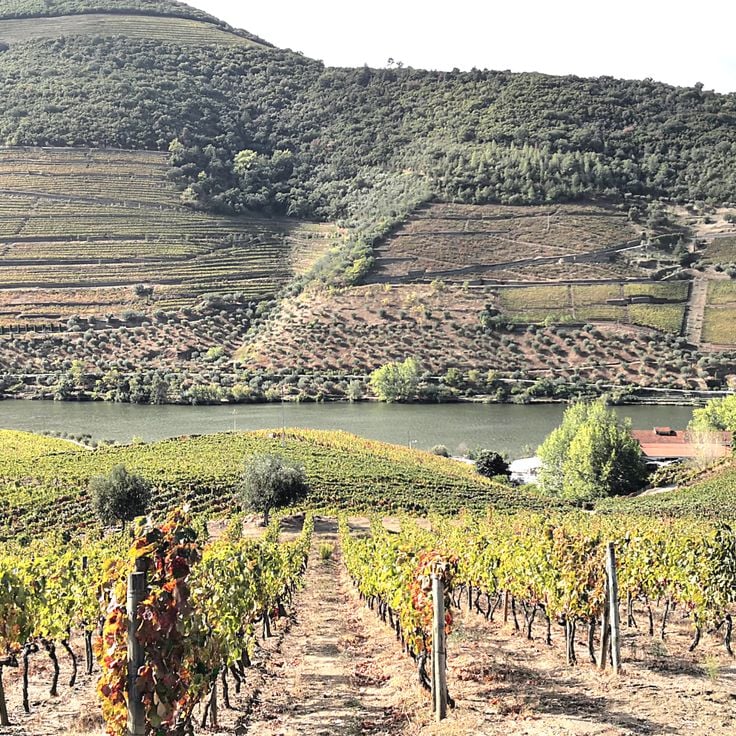
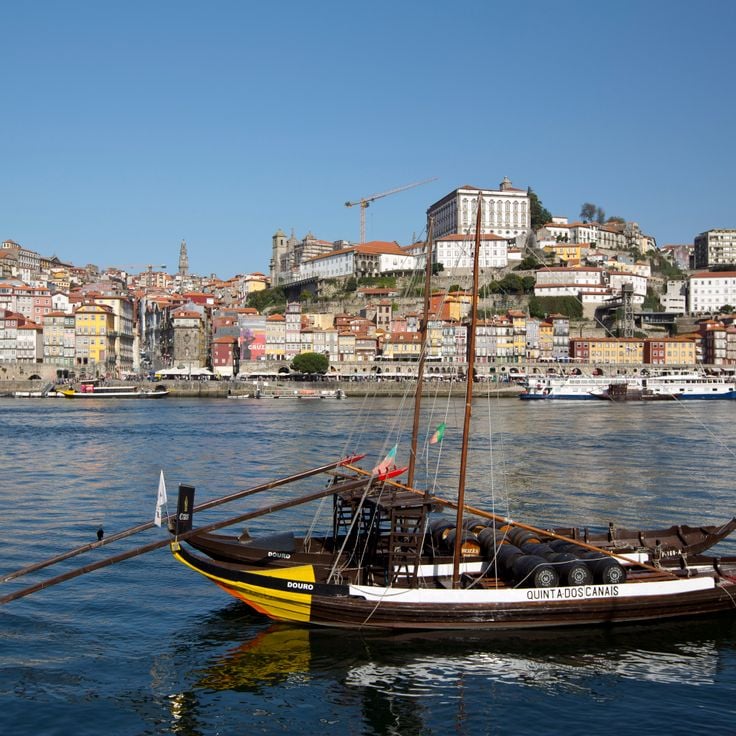
The Douro is a river that flows through Porto and shapes the city's character. With its 897 kilometers of length, it forms the border with Spain before entering the city. Historic merchant ships sail on its waters, transporting wine as they have done for centuries. The river's banks connect different parts of Porto and offer views of the city's distinctive architecture. Walking along the Douro shows the close connection between the river and the daily life of Porto's residents.
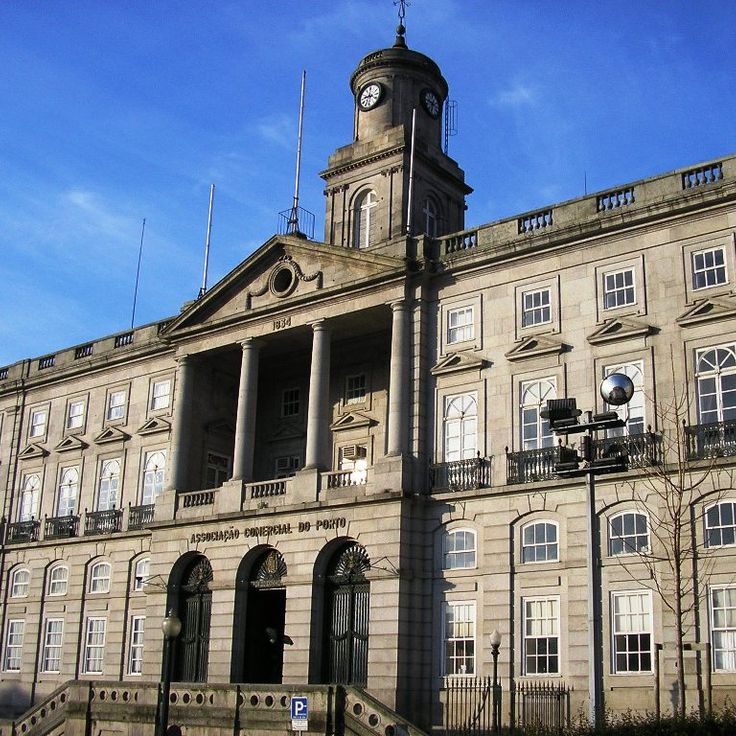
The Palace of Commerce in Porto was long the headquarters of the merchants' association and shows the power of trade in this northern Portuguese city. Built between 1842 and 1850 in neoclassical style, the building still impresses today with its richly decorated rooms. Throughout this palace you will find gilded plasterwork, precious wood and crystal ornaments. Walking through the halls, you understand how important Porto was for commerce and how wealthy merchants wanted to display their power. This monument tells the story of the riches and history of this port city.
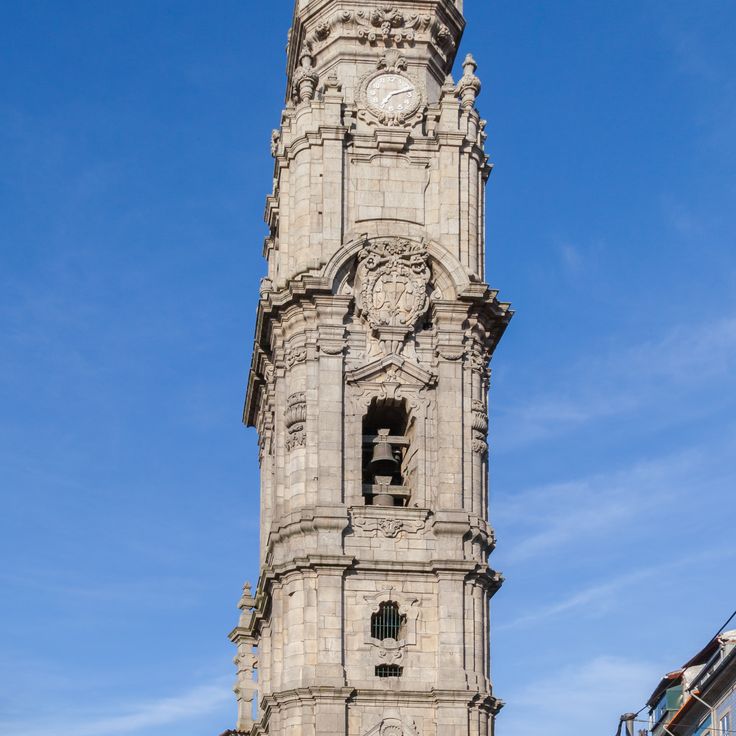
The Clercs Tower is a religious monument built between 1732 and 1763. This Baroque tower rises 75 meters above the city and offers views of Porto from its staircase. The tower stands at the heart of the city's historical architecture and shows the religious and cultural importance that Porto held during its period of economic growth.
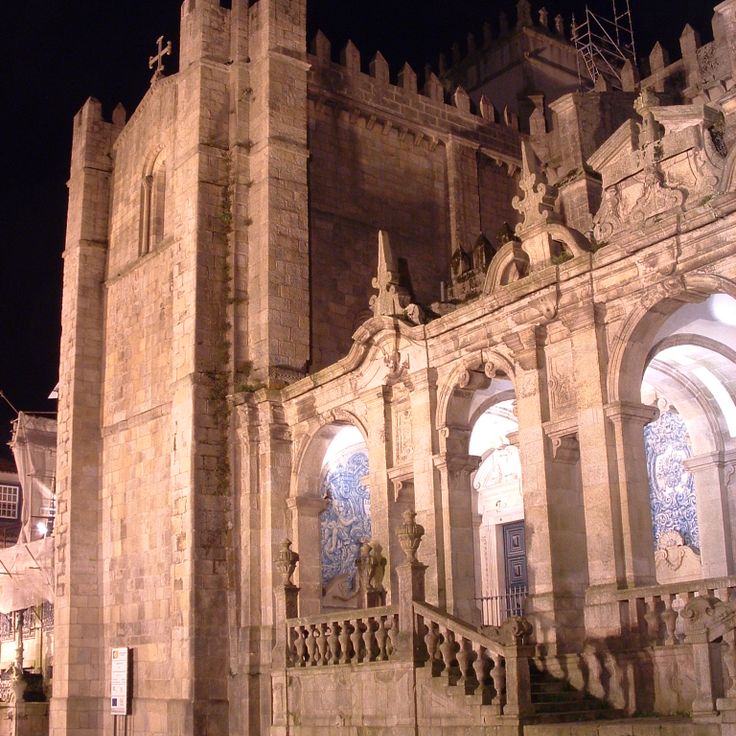
The Cathedral of Porto is a religious monument built between 1110 and 1740. It shows layers of different building styles from different centuries. The Gothic cloister is covered with blue tiles and offers a quiet place to think. In the cathedral's treasure room, you can see medieval metalwork that shows the craftsmanship of earlier times.
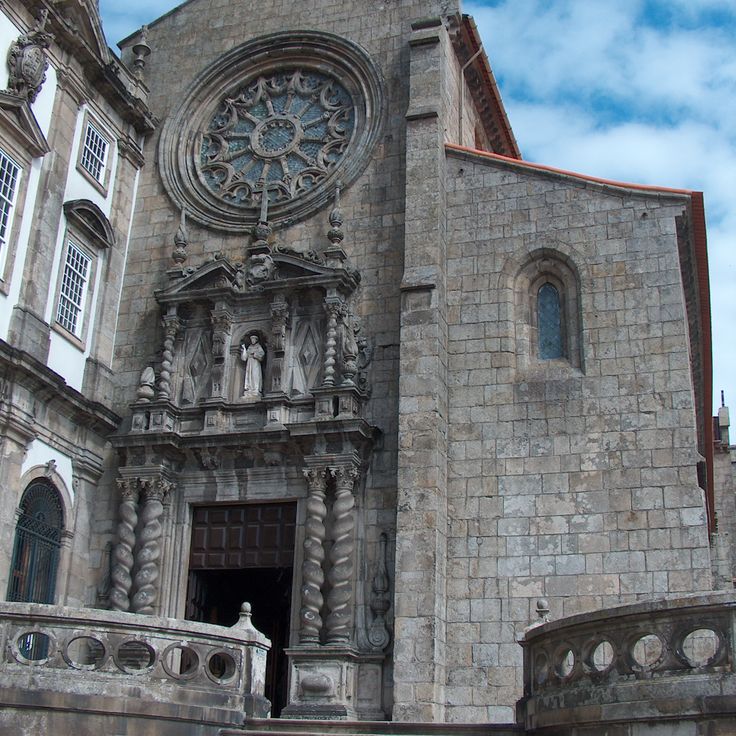
Saint-François Church in Porto was built in the 14th century and shows the craftsmanship of that period. Its granite walls give the building strength and character. Inside, gilded wooden decorations cover the walls and ceiling, creating a warm and shimmering effect. These ornaments reflect the wealth and care that went into this place of worship. Walking through this church helps you understand the artistic traditions that shaped Porto over the centuries.
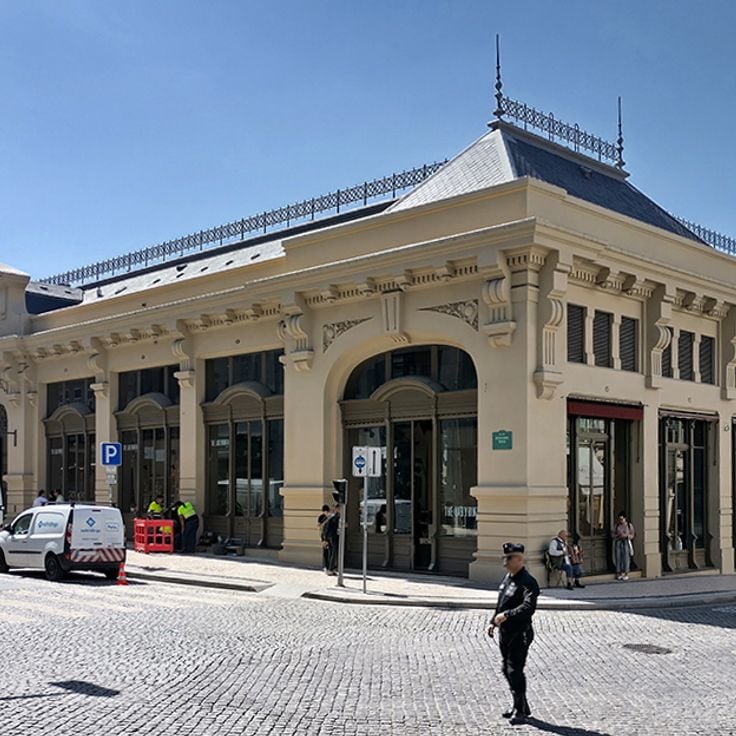
The Bolhão Market is a 19th-century market that spans two levels and serves as the living commercial heart of Porto. Here you will find stalls selling fruit, vegetables, fish, meat, and local products, run by vendors who present their wares with genuine passion. The market's iron structure and tightly packed stalls show the importance this place has held for the daily life of Porto's residents, both then and now. As you walk through the passages, you take in the fresh produce aromas, hear the voices of sellers calling out, and see the colorful displays. The Bolhão Market lets you experience Porto's old trading culture directly and understand how deeply the city's identity is tied to commerce and the river.
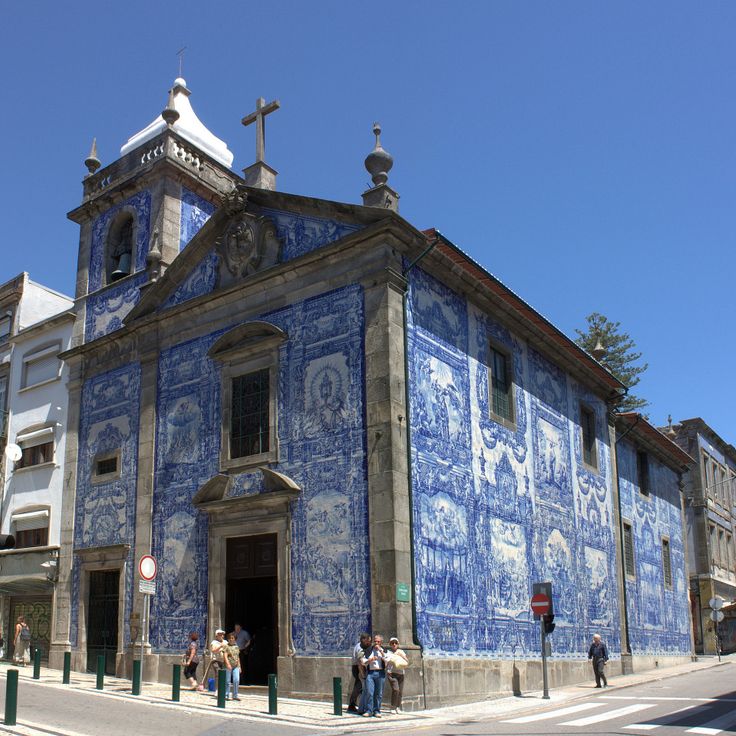
The Chapel of Souls is a religious building from the 18th century located in Porto. Its exterior walls are covered entirely with blue and white ceramic tiles that tell stories from the lives of Saint Francis of Assisi and Saint Catherine. These tiles have been carefully arranged to create a visual narrative across the building's surface. Walking past this chapel, you see how the craftspeople of Porto used ceramic work as a form of religious expression and how they decorated their sacred spaces with devotion and artistic skill.
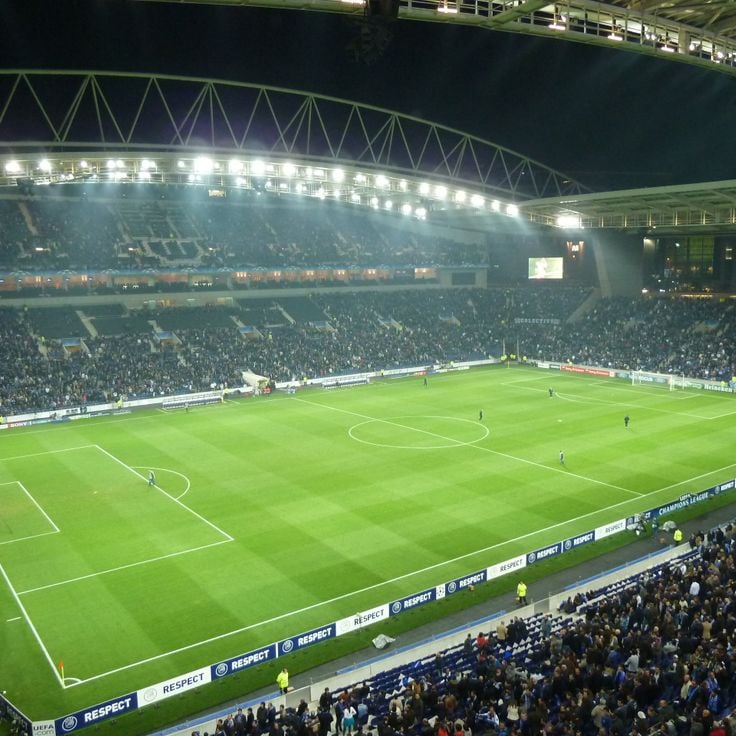
The Dragon Stadium is a sports facility built in 2003 in Porto that opened during Euro 2004. With around 50,000 seats, it provides space for major events and serves as the home ground of FC Porto. The modern arena shapes the city's skyline and reflects Porto's importance in Portuguese football. Visitors experience the passion of fans and the energy of a major sports venue.
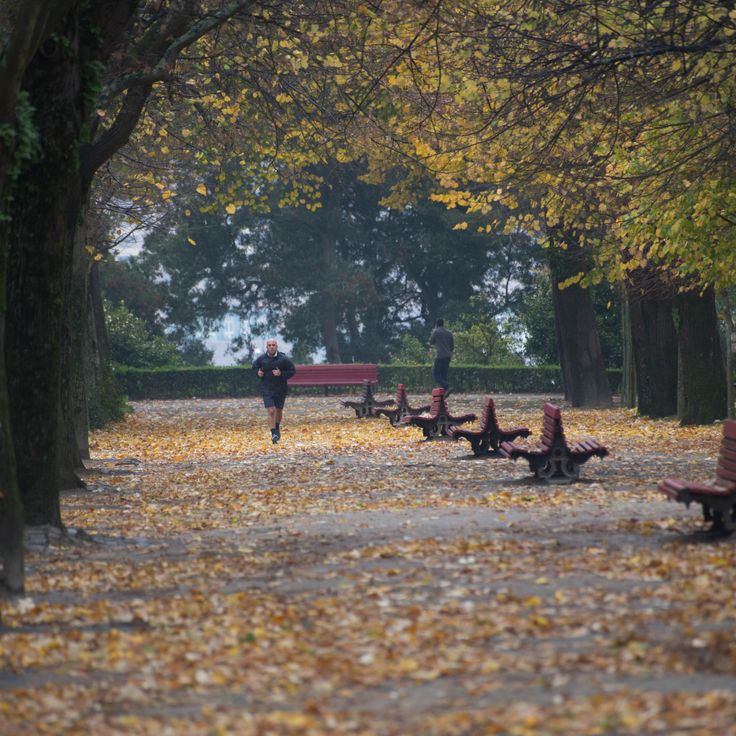
The Crystal Palace Gardens in Porto feature terraced green spaces laid out across several levels. Fountains, pathways, and flower beds create the character of this 1850 space. From the viewpoints, you can see the Douro River and the city beyond. The gardens offer a place to walk and rest away from the bustle of the streets.
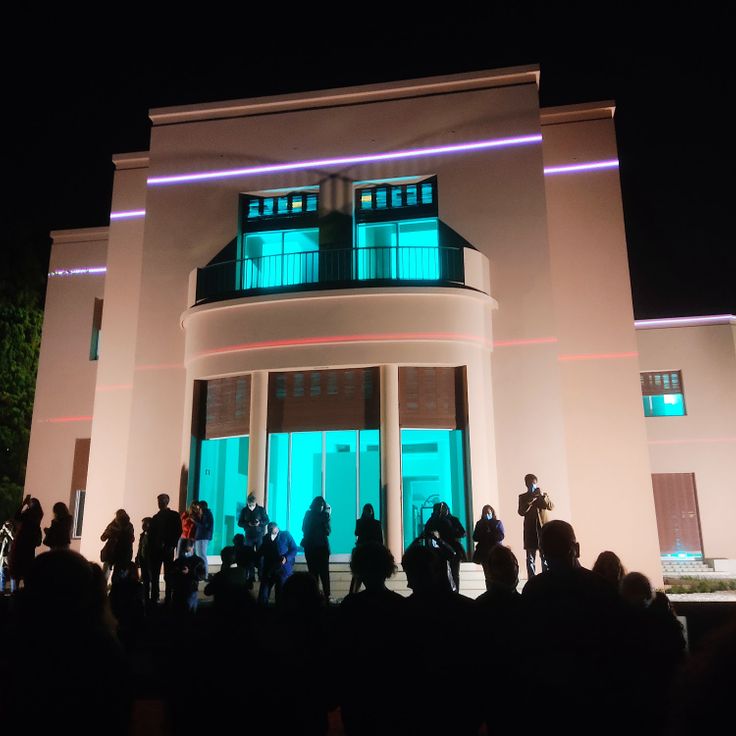
The Serralves House in Porto is a residence built in 1930 in the Art Deco style. The building sits within a spacious park featuring formal gardens, fountains, and tree-lined pathways. The estate reflects the city's prosperity during that period and offers visitors a place to walk through both the architecture and the designed landscape.
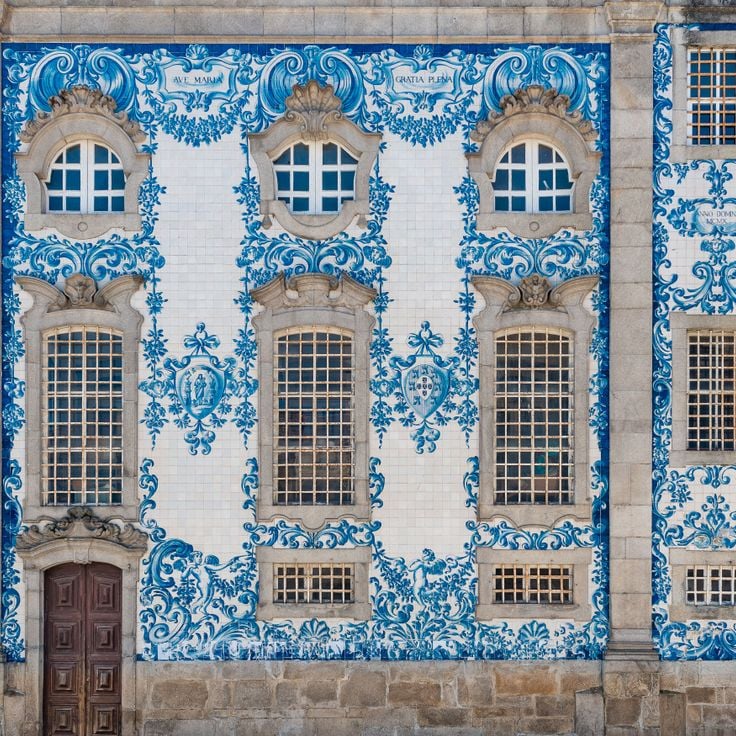
The Church of Carmel in Porto is a religious building from the 18th century. Its side facade is covered with blue and white tiles depicting biblical scenes. The church sits in the city center and represents the religious architecture found throughout Porto. The tiles are a defining feature of this church and show the craftsmanship tradition of the city.
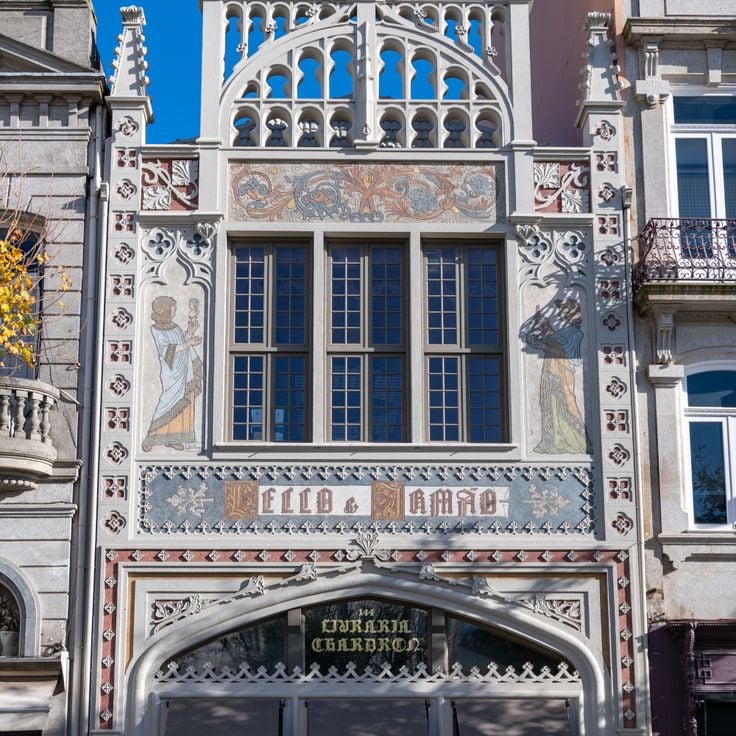
The Livraria Lello was established in 1881 and stands out for its architectural details. A central wooden staircase made from red wood divides the interior, while stained glass windows in the ceiling cast colored light throughout the space. Floor-to-ceiling bookcases display a collection of older and contemporary books. This bookstore has become a notable place in Porto where visitors encounter both literary history and craftsmanship.
The Ribeira district is a medieval neighborhood of Porto situated along the Douro River. Its cobbled streets wind between colorful houses packed closely together, creating the area's distinctive character. Many restaurants throughout the district serve traditional Portuguese dishes. The neighborhood preserves how the city once looked and functioned in earlier times.
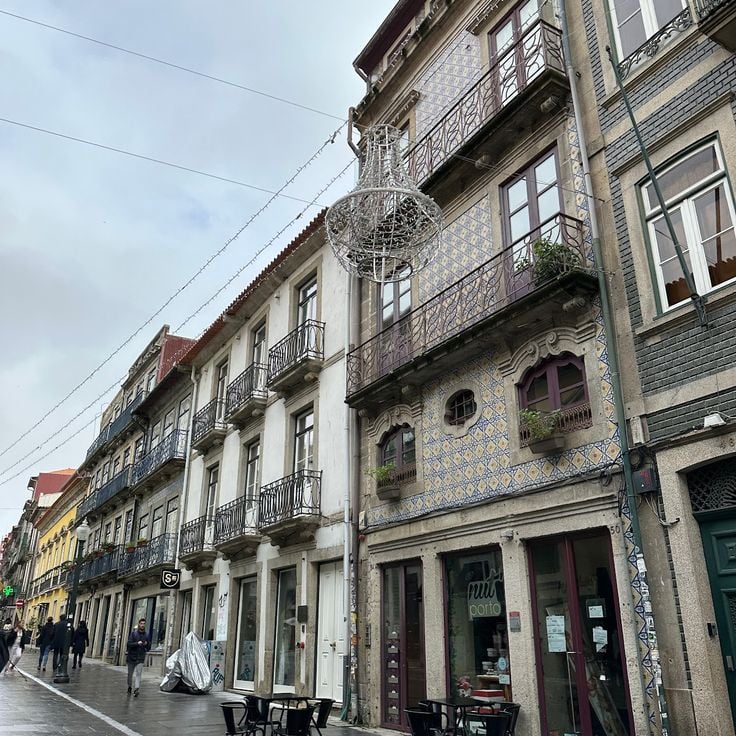
Rue des Fleurs is a paved medieval street in Porto's historic center. It is lined with houses that have decorated tile facades and wrought iron balconies. Walking down this street, you can see how the city's residents decorated their homes and the details of daily life from past centuries.
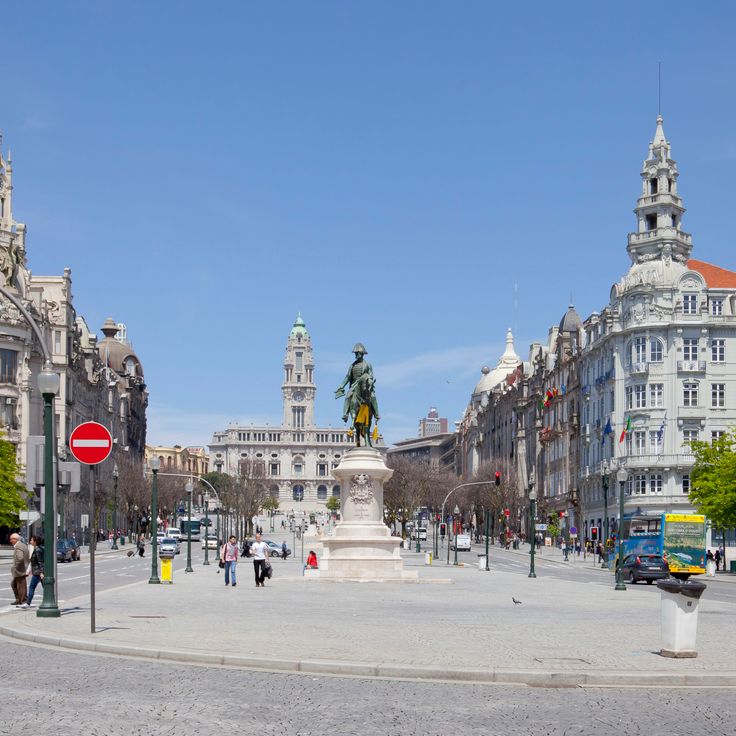
The Place de la Liberté is an urban square in Porto, surrounded by buildings from the 19th century. The city's town hall dominates the square with its neoclassical granite structure. This square reflects Porto's commercial history and invites people to gather. The facades of the surrounding buildings tell the story of Porto's past as an important trading center in northern Portugal.
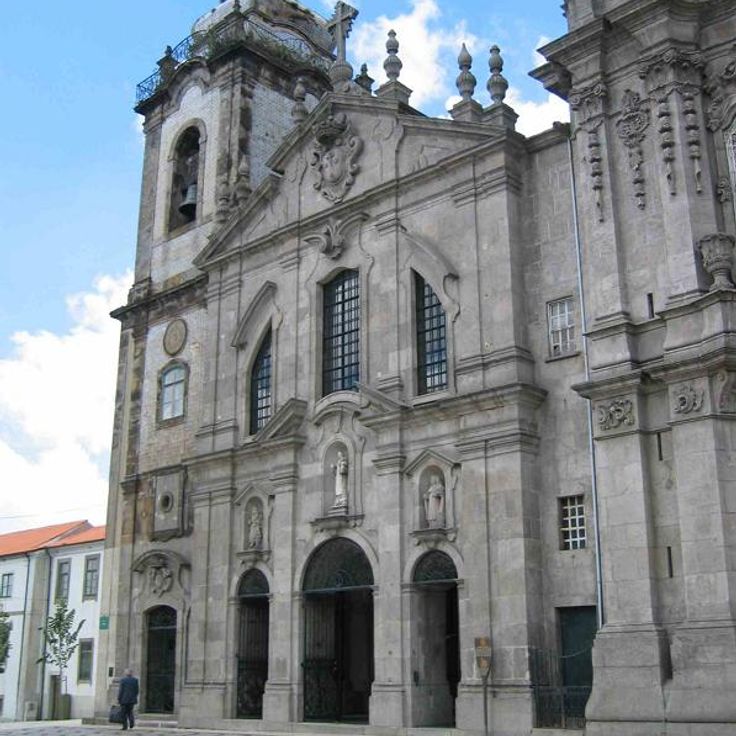
The Church of the Carmelites in Porto is a religious building constructed between 1756 and 1768 in the Baroque style. Its facade is decorated with blue and white tile panels, while the interior features gilded ornaments. This church exemplifies the religious architecture that defines Porto and showcases the city's tradition of painted ceramics and craftsmanship.
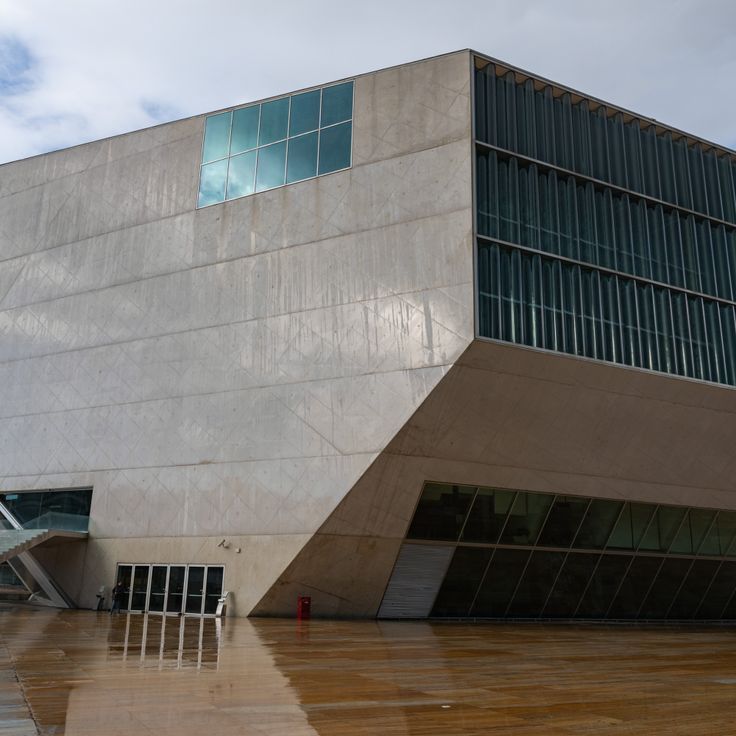
The House of Music in Porto is a music center designed by architect Rem Koolhaas in 2005. The building contains a main hall with approximately 1300 seats, hosting classical concerts and contemporary performances. The modern architecture of this venue fits into Porto's rich cultural landscape and provides the city with a space for musical events and artistic expression.
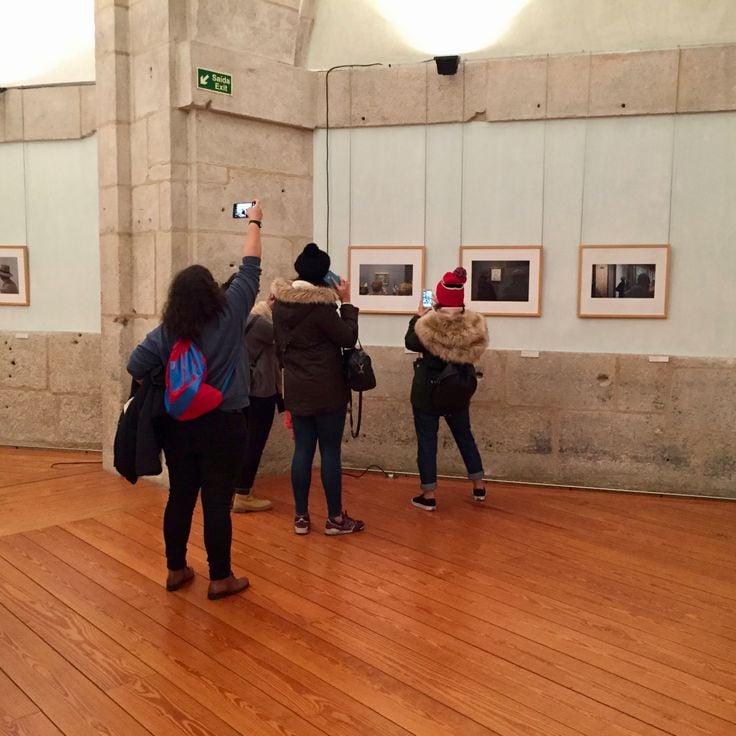
The Portuguese Centre of Photography in Porto occupies a former courthouse that has become a national museum. This center displays permanent and temporary exhibitions of photographs, along with a collection of historic cameras. The building itself carries the history of the city's judicial past and now serves as a space for exploring photography and its technological evolution.
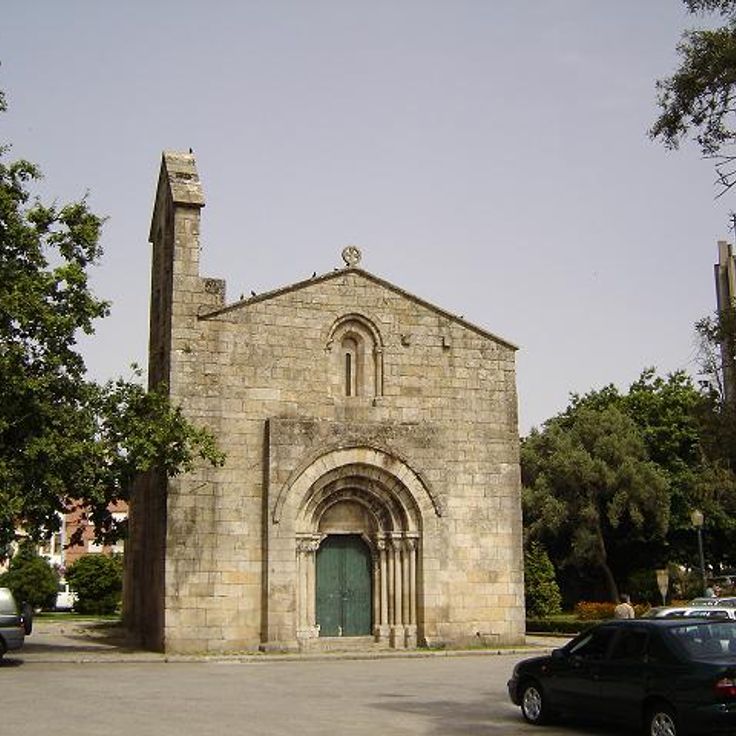
The Church of Cedofeita is a Romanesque building from the sixth century located in the Cedofeita neighborhood of Porto. Its stone walls and entrance portal still display the original medieval architecture. This church offers a window into the religious history of the city and stands out for its simple, enduring design.
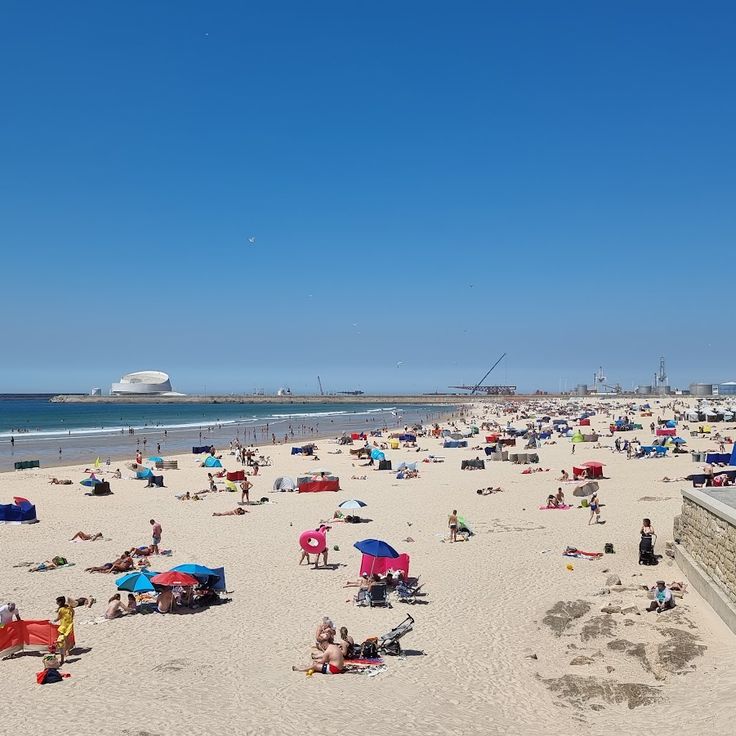
Matosinhos is a fishing port in northern Porto where the sea shapes daily life. The neighborhood stretches along sandy beaches and is known for its seafood restaurants where fresh fish and shellfish are served. Several sardine canning factories here produced the preserved fish that helped build Porto's reputation. A cruise terminal welcomes visitors arriving by ship. Walking through Matosinhos, you see fishing traditions that have defined this coastal area for generations.
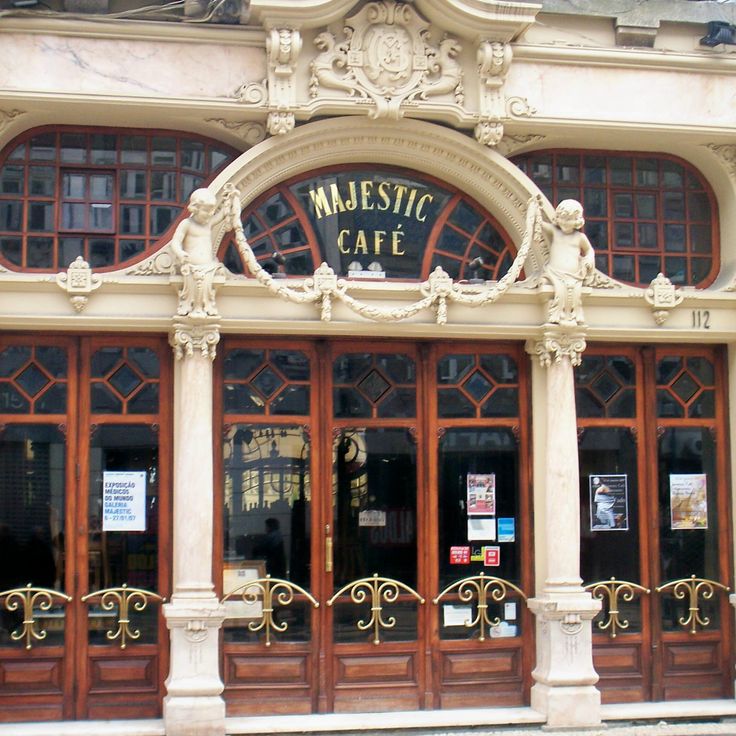
Café Majestic opened its doors in 1921 and remains a gathering place in central Porto. The space features carved wooden ornaments, beveled mirrors, and crystal chandeliers. The café preserves its original furniture and Belle Époque decorative details. Walking through, you sense the traditions of an earlier time when coffeehouses served as social centers. Every detail on the walls and ceiling reflects the craftsmanship of that period.
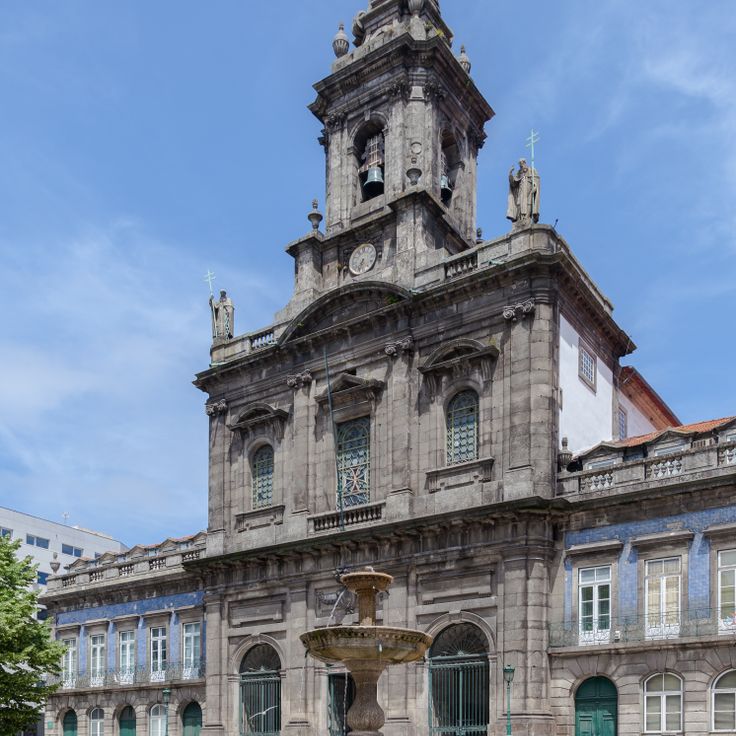
This church stands as a 19th-century landmark in Porto, displaying a neoclassical facade and a prominent central dome. The interior features a spacious nave that reflects the religious and artistic heritage of the city. The Trinity Church represents one of the sacred buildings that contribute to Porto's architectural identity and its story spanning several centuries.
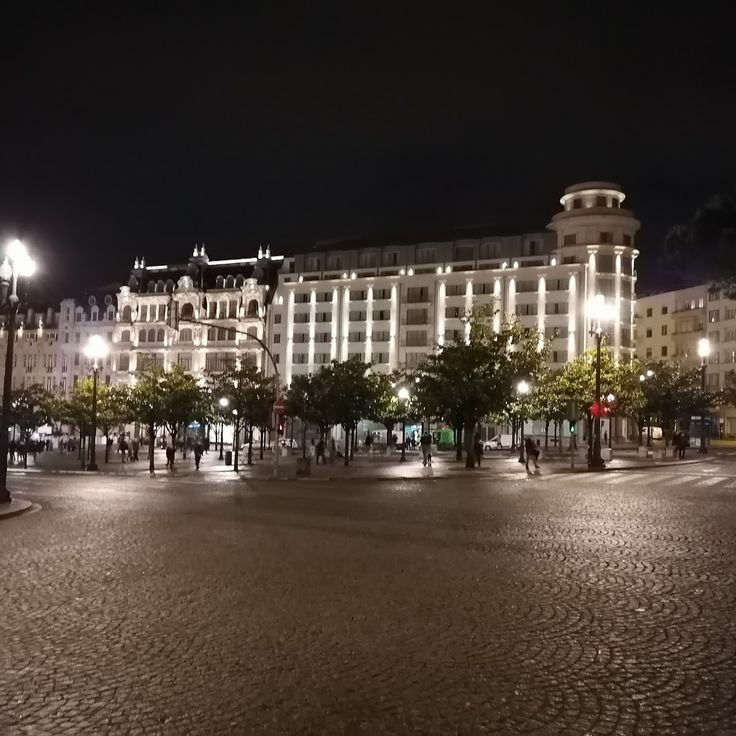
The Avenue des Alliés is a broad street in Porto that connects Liberty Square to General Humberto Delgado Square. This avenue displays the city's architecture through its Art Deco and Neoclassical buildings. Walking along the Avenue des Alliés, you see how Porto developed as an important commercial center and experience the city's history reflected in the building facades and architectural details.
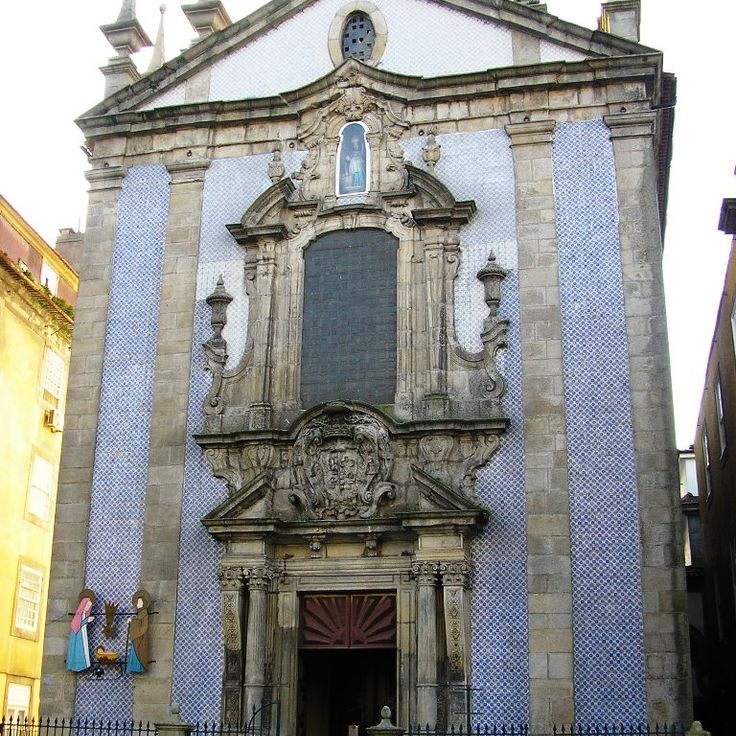
Saint-Nicholas Church is an 18th-century religious building in Porto. Its exterior walls are covered with blue and white azulejo tiles that give the facade a distinctive appearance. Inside, you will find gilded wood that makes the spaces feel warm and richly decorated. This church shows Porto's tradition of craftsmanship, where ceramic tiles and woodwork are central to the design. You can see how religious buildings were constructed and decorated during this period.
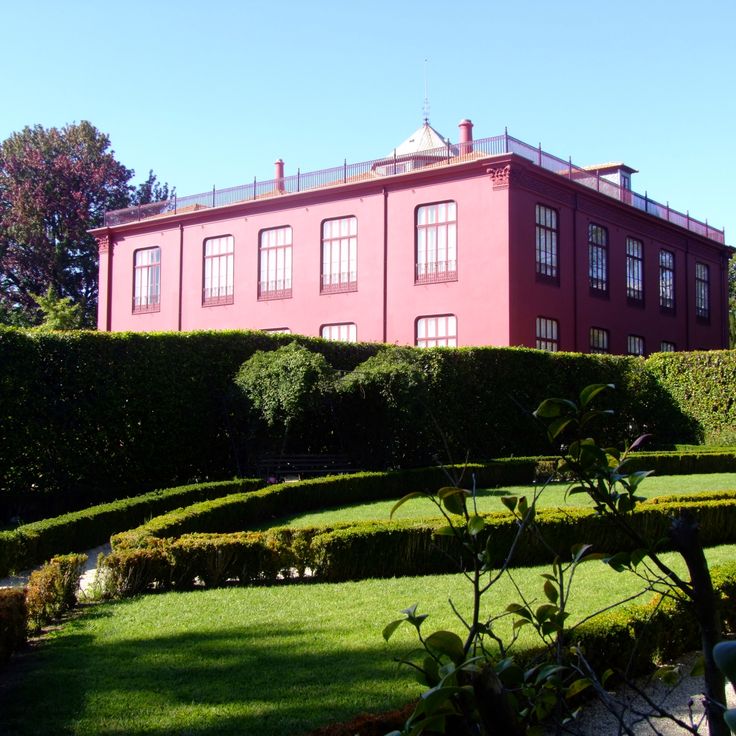
The Botanical Garden of Porto is a university park located within the city. Covering 4 hectares, it houses more than 1500 plant species from different climates. Tropical greenhouses showcase plants from warm regions, while fountains from the 19th century dot the grounds. Visitors can walk through organized sections displaying various plant collections. The garden offers a quiet place to learn about botanical diversity. History and nature blend together in this space.
This city park in Porto spans 83 hectares and includes gardens, lakes, sports fields, and a 19th-century villa that now houses a romantic art museum. The park provides space for walking, playing sports, and viewing art in a calm setting away from the city's busy streets. Paths wind through different areas past water features and under mature trees, while the museum offers a look at art from the romantic period.
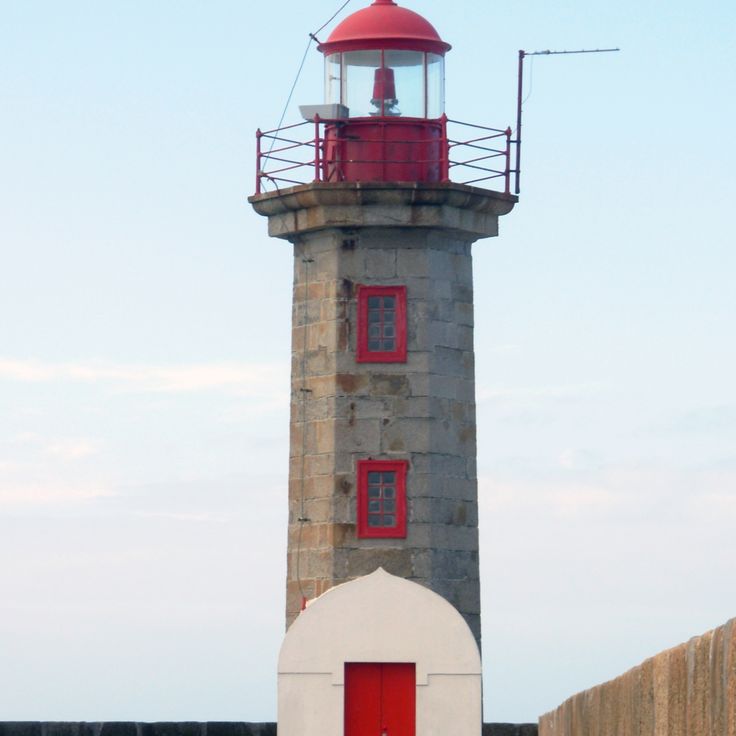
The São João Lighthouse sits at the mouth of the Douro River and dates back to the 1500s. Its white cylindrical tower with a red lantern rises against the sky like a steady guardian. This lighthouse tells the story of Porto as a working port city, where sailors once relied on its light to navigate safely into the harbor. Standing near the rocks below, you feel the power of the river and understand why this spot has always been crucial for ships coming to port.
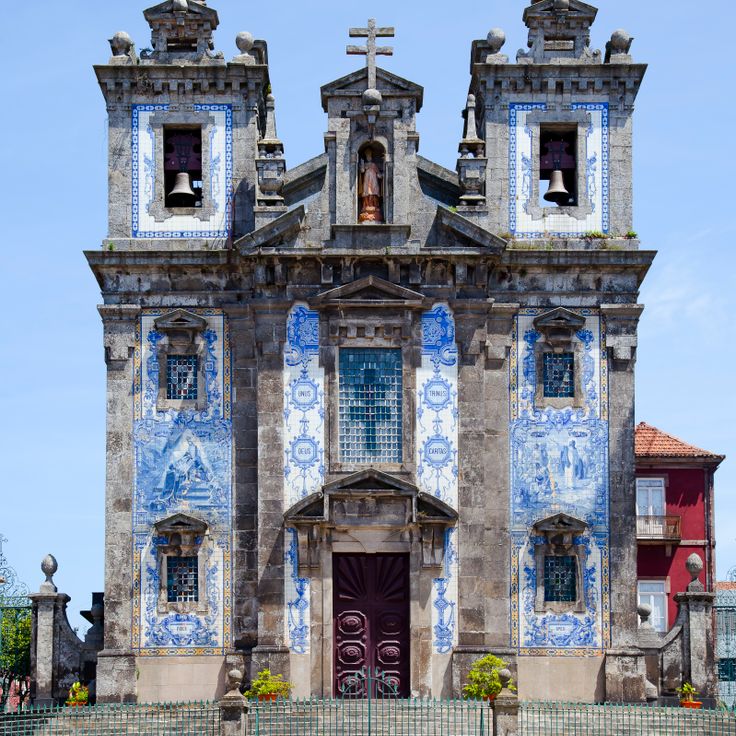
The Igreja de Santo Ildefonso is a Baroque church from the 18th century in Porto, decorated with around 11,000 blue and white tiles. These azulejos cover the facade and create the distinctive appearance that characterizes church architecture from this period. The church reflects Portuguese craftsmanship traditions and the importance of decorative tilework in religious buildings.
Santa Clara Church is an 18th-century religious building in Porto. Its granite facade stands out from the surrounding streets. Inside, gilded wood decorations catch your eye, and the walls are covered with blue tiles. This church shows the artistic craftsmanship of its era and fits well within Porto's history of old churches, decorated ceramics, and centuries-old architecture.
This iron bridge was built in 1886 and connects Porto to Vila Nova de Gaia. The upper level accommodates the metro and pedestrians, while the lower level carries automobile traffic. The bridge is a defining structure of the city and shapes views across the Douro valley.
São Bento Station is a historic railway building in Porto, constructed in 1916. The interior walls are covered with approximately 20,000 hand-painted tiles called azulejos. These tiles depict scenes from the history of transportation and Portugal. The station represents an important chapter in Porto's role as a major transportation hub. The tilework showcases the artistic craftsmanship that characterizes the city and tells stories from decades past.
The Douro is a river that flows through Porto and shapes the city's character. With its 897 kilometers of length, it forms the border with Spain before entering the city. Historic merchant ships sail on its waters, transporting wine as they have done for centuries. The river's banks connect different parts of Porto and offer views of the city's distinctive architecture. Walking along the Douro shows the close connection between the river and the daily life of Porto's residents.
The Palace of Commerce in Porto was long the headquarters of the merchants' association and shows the power of trade in this northern Portuguese city. Built between 1842 and 1850 in neoclassical style, the building still impresses today with its richly decorated rooms. Throughout this palace you will find gilded plasterwork, precious wood and crystal ornaments. Walking through the halls, you understand how important Porto was for commerce and how wealthy merchants wanted to display their power. This monument tells the story of the riches and history of this port city.
The Clercs Tower is a religious monument built between 1732 and 1763. This Baroque tower rises 75 meters above the city and offers views of Porto from its staircase. The tower stands at the heart of the city's historical architecture and shows the religious and cultural importance that Porto held during its period of economic growth.
The Cathedral of Porto is a religious monument built between 1110 and 1740. It shows layers of different building styles from different centuries. The Gothic cloister is covered with blue tiles and offers a quiet place to think. In the cathedral's treasure room, you can see medieval metalwork that shows the craftsmanship of earlier times.
Saint-François Church in Porto was built in the 14th century and shows the craftsmanship of that period. Its granite walls give the building strength and character. Inside, gilded wooden decorations cover the walls and ceiling, creating a warm and shimmering effect. These ornaments reflect the wealth and care that went into this place of worship. Walking through this church helps you understand the artistic traditions that shaped Porto over the centuries.
The Bolhão Market is a 19th-century market that spans two levels and serves as the living commercial heart of Porto. Here you will find stalls selling fruit, vegetables, fish, meat, and local products, run by vendors who present their wares with genuine passion. The market's iron structure and tightly packed stalls show the importance this place has held for the daily life of Porto's residents, both then and now. As you walk through the passages, you take in the fresh produce aromas, hear the voices of sellers calling out, and see the colorful displays. The Bolhão Market lets you experience Porto's old trading culture directly and understand how deeply the city's identity is tied to commerce and the river.
The Chapel of Souls is a religious building from the 18th century located in Porto. Its exterior walls are covered entirely with blue and white ceramic tiles that tell stories from the lives of Saint Francis of Assisi and Saint Catherine. These tiles have been carefully arranged to create a visual narrative across the building's surface. Walking past this chapel, you see how the craftspeople of Porto used ceramic work as a form of religious expression and how they decorated their sacred spaces with devotion and artistic skill.
The Dragon Stadium is a sports facility built in 2003 in Porto that opened during Euro 2004. With around 50,000 seats, it provides space for major events and serves as the home ground of FC Porto. The modern arena shapes the city's skyline and reflects Porto's importance in Portuguese football. Visitors experience the passion of fans and the energy of a major sports venue.
The Crystal Palace Gardens in Porto feature terraced green spaces laid out across several levels. Fountains, pathways, and flower beds create the character of this 1850 space. From the viewpoints, you can see the Douro River and the city beyond. The gardens offer a place to walk and rest away from the bustle of the streets.
The Serralves House in Porto is a residence built in 1930 in the Art Deco style. The building sits within a spacious park featuring formal gardens, fountains, and tree-lined pathways. The estate reflects the city's prosperity during that period and offers visitors a place to walk through both the architecture and the designed landscape.
The Church of Carmel in Porto is a religious building from the 18th century. Its side facade is covered with blue and white tiles depicting biblical scenes. The church sits in the city center and represents the religious architecture found throughout Porto. The tiles are a defining feature of this church and show the craftsmanship tradition of the city.
The Livraria Lello was established in 1881 and stands out for its architectural details. A central wooden staircase made from red wood divides the interior, while stained glass windows in the ceiling cast colored light throughout the space. Floor-to-ceiling bookcases display a collection of older and contemporary books. This bookstore has become a notable place in Porto where visitors encounter both literary history and craftsmanship.
The Ribeira district is a medieval neighborhood of Porto situated along the Douro River. Its cobbled streets wind between colorful houses packed closely together, creating the area's distinctive character. Many restaurants throughout the district serve traditional Portuguese dishes. The neighborhood preserves how the city once looked and functioned in earlier times.
Rue des Fleurs is a paved medieval street in Porto's historic center. It is lined with houses that have decorated tile facades and wrought iron balconies. Walking down this street, you can see how the city's residents decorated their homes and the details of daily life from past centuries.
The Place de la Liberté is an urban square in Porto, surrounded by buildings from the 19th century. The city's town hall dominates the square with its neoclassical granite structure. This square reflects Porto's commercial history and invites people to gather. The facades of the surrounding buildings tell the story of Porto's past as an important trading center in northern Portugal.
The Church of the Carmelites in Porto is a religious building constructed between 1756 and 1768 in the Baroque style. Its facade is decorated with blue and white tile panels, while the interior features gilded ornaments. This church exemplifies the religious architecture that defines Porto and showcases the city's tradition of painted ceramics and craftsmanship.
The House of Music in Porto is a music center designed by architect Rem Koolhaas in 2005. The building contains a main hall with approximately 1300 seats, hosting classical concerts and contemporary performances. The modern architecture of this venue fits into Porto's rich cultural landscape and provides the city with a space for musical events and artistic expression.
The Portuguese Centre of Photography in Porto occupies a former courthouse that has become a national museum. This center displays permanent and temporary exhibitions of photographs, along with a collection of historic cameras. The building itself carries the history of the city's judicial past and now serves as a space for exploring photography and its technological evolution.
The Church of Cedofeita is a Romanesque building from the sixth century located in the Cedofeita neighborhood of Porto. Its stone walls and entrance portal still display the original medieval architecture. This church offers a window into the religious history of the city and stands out for its simple, enduring design.
Matosinhos is a fishing port in northern Porto where the sea shapes daily life. The neighborhood stretches along sandy beaches and is known for its seafood restaurants where fresh fish and shellfish are served. Several sardine canning factories here produced the preserved fish that helped build Porto's reputation. A cruise terminal welcomes visitors arriving by ship. Walking through Matosinhos, you see fishing traditions that have defined this coastal area for generations.
Café Majestic opened its doors in 1921 and remains a gathering place in central Porto. The space features carved wooden ornaments, beveled mirrors, and crystal chandeliers. The café preserves its original furniture and Belle Époque decorative details. Walking through, you sense the traditions of an earlier time when coffeehouses served as social centers. Every detail on the walls and ceiling reflects the craftsmanship of that period.
This church stands as a 19th-century landmark in Porto, displaying a neoclassical facade and a prominent central dome. The interior features a spacious nave that reflects the religious and artistic heritage of the city. The Trinity Church represents one of the sacred buildings that contribute to Porto's architectural identity and its story spanning several centuries.
The Avenue des Alliés is a broad street in Porto that connects Liberty Square to General Humberto Delgado Square. This avenue displays the city's architecture through its Art Deco and Neoclassical buildings. Walking along the Avenue des Alliés, you see how Porto developed as an important commercial center and experience the city's history reflected in the building facades and architectural details.
Saint-Nicholas Church is an 18th-century religious building in Porto. Its exterior walls are covered with blue and white azulejo tiles that give the facade a distinctive appearance. Inside, you will find gilded wood that makes the spaces feel warm and richly decorated. This church shows Porto's tradition of craftsmanship, where ceramic tiles and woodwork are central to the design. You can see how religious buildings were constructed and decorated during this period.
The Botanical Garden of Porto is a university park located within the city. Covering 4 hectares, it houses more than 1500 plant species from different climates. Tropical greenhouses showcase plants from warm regions, while fountains from the 19th century dot the grounds. Visitors can walk through organized sections displaying various plant collections. The garden offers a quiet place to learn about botanical diversity. History and nature blend together in this space.
This city park in Porto spans 83 hectares and includes gardens, lakes, sports fields, and a 19th-century villa that now houses a romantic art museum. The park provides space for walking, playing sports, and viewing art in a calm setting away from the city's busy streets. Paths wind through different areas past water features and under mature trees, while the museum offers a look at art from the romantic period.
The São João Lighthouse sits at the mouth of the Douro River and dates back to the 1500s. Its white cylindrical tower with a red lantern rises against the sky like a steady guardian. This lighthouse tells the story of Porto as a working port city, where sailors once relied on its light to navigate safely into the harbor. Standing near the rocks below, you feel the power of the river and understand why this spot has always been crucial for ships coming to port.
The Igreja de Santo Ildefonso is a Baroque church from the 18th century in Porto, decorated with around 11,000 blue and white tiles. These azulejos cover the facade and create the distinctive appearance that characterizes church architecture from this period. The church reflects Portuguese craftsmanship traditions and the importance of decorative tilework in religious buildings.
Santa Clara Church is an 18th-century religious building in Porto. Its granite facade stands out from the surrounding streets. Inside, gilded wood decorations catch your eye, and the walls are covered with blue tiles. This church shows the artistic craftsmanship of its era and fits well within Porto's history of old churches, decorated ceramics, and centuries-old architecture.
This iron bridge was built in 1886 and connects Porto to Vila Nova de Gaia. The upper level accommodates the metro and pedestrians, while the lower level carries automobile traffic. The bridge is a defining structure of the city and shapes views across the Douro valley.
São Bento Station is a historic railway building in Porto, constructed in 1916. The interior walls are covered with approximately 20,000 hand-painted tiles called azulejos. These tiles depict scenes from the history of transportation and Portugal. The station represents an important chapter in Porto's role as a major transportation hub. The tilework showcases the artistic craftsmanship that characterizes the city and tells stories from decades past.
The Douro is a river that flows through Porto and shapes the city's character. With its 897 kilometers of length, it forms the border with Spain before entering the city. Historic merchant ships sail on its waters, transporting wine as they have done for centuries. The river's banks connect different parts of Porto and offer views of the city's distinctive architecture. Walking along the Douro shows the close connection between the river and the daily life of Porto's residents.
The Palace of Commerce in Porto was long the headquarters of the merchants' association and shows the power of trade in this northern Portuguese city. Built between 1842 and 1850 in neoclassical style, the building still impresses today with its richly decorated rooms. Throughout this palace you will find gilded plasterwork, precious wood and crystal ornaments. Walking through the halls, you understand how important Porto was for commerce and how wealthy merchants wanted to display their power. This monument tells the story of the riches and history of this port city.
The Clercs Tower is a religious monument built between 1732 and 1763. This Baroque tower rises 75 meters above the city and offers views of Porto from its staircase. The tower stands at the heart of the city's historical architecture and shows the religious and cultural importance that Porto held during its period of economic growth.
The Cathedral of Porto is a religious monument built between 1110 and 1740. It shows layers of different building styles from different centuries. The Gothic cloister is covered with blue tiles and offers a quiet place to think. In the cathedral's treasure room, you can see medieval metalwork that shows the craftsmanship of earlier times.
Saint-François Church in Porto was built in the 14th century and shows the craftsmanship of that period. Its granite walls give the building strength and character. Inside, gilded wooden decorations cover the walls and ceiling, creating a warm and shimmering effect. These ornaments reflect the wealth and care that went into this place of worship. Walking through this church helps you understand the artistic traditions that shaped Porto over the centuries.
The Bolhão Market is a 19th-century market that spans two levels and serves as the living commercial heart of Porto. Here you will find stalls selling fruit, vegetables, fish, meat, and local products, run by vendors who present their wares with genuine passion. The market's iron structure and tightly packed stalls show the importance this place has held for the daily life of Porto's residents, both then and now. As you walk through the passages, you take in the fresh produce aromas, hear the voices of sellers calling out, and see the colorful displays. The Bolhão Market lets you experience Porto's old trading culture directly and understand how deeply the city's identity is tied to commerce and the river.
The Chapel of Souls is a religious building from the 18th century located in Porto. Its exterior walls are covered entirely with blue and white ceramic tiles that tell stories from the lives of Saint Francis of Assisi and Saint Catherine. These tiles have been carefully arranged to create a visual narrative across the building's surface. Walking past this chapel, you see how the craftspeople of Porto used ceramic work as a form of religious expression and how they decorated their sacred spaces with devotion and artistic skill.
The Dragon Stadium is a sports facility built in 2003 in Porto that opened during Euro 2004. With around 50,000 seats, it provides space for major events and serves as the home ground of FC Porto. The modern arena shapes the city's skyline and reflects Porto's importance in Portuguese football. Visitors experience the passion of fans and the energy of a major sports venue.
The Crystal Palace Gardens in Porto feature terraced green spaces laid out across several levels. Fountains, pathways, and flower beds create the character of this 1850 space. From the viewpoints, you can see the Douro River and the city beyond. The gardens offer a place to walk and rest away from the bustle of the streets.
The Serralves House in Porto is a residence built in 1930 in the Art Deco style. The building sits within a spacious park featuring formal gardens, fountains, and tree-lined pathways. The estate reflects the city's prosperity during that period and offers visitors a place to walk through both the architecture and the designed landscape.
The Church of Carmel in Porto is a religious building from the 18th century. Its side facade is covered with blue and white tiles depicting biblical scenes. The church sits in the city center and represents the religious architecture found throughout Porto. The tiles are a defining feature of this church and show the craftsmanship tradition of the city.
The Livraria Lello was established in 1881 and stands out for its architectural details. A central wooden staircase made from red wood divides the interior, while stained glass windows in the ceiling cast colored light throughout the space. Floor-to-ceiling bookcases display a collection of older and contemporary books. This bookstore has become a notable place in Porto where visitors encounter both literary history and craftsmanship.
The Ribeira district is a medieval neighborhood of Porto situated along the Douro River. Its cobbled streets wind between colorful houses packed closely together, creating the area's distinctive character. Many restaurants throughout the district serve traditional Portuguese dishes. The neighborhood preserves how the city once looked and functioned in earlier times.
Rue des Fleurs is a paved medieval street in Porto's historic center. It is lined with houses that have decorated tile facades and wrought iron balconies. Walking down this street, you can see how the city's residents decorated their homes and the details of daily life from past centuries.
The Place de la Liberté is an urban square in Porto, surrounded by buildings from the 19th century. The city's town hall dominates the square with its neoclassical granite structure. This square reflects Porto's commercial history and invites people to gather. The facades of the surrounding buildings tell the story of Porto's past as an important trading center in northern Portugal.
The Church of the Carmelites in Porto is a religious building constructed between 1756 and 1768 in the Baroque style. Its facade is decorated with blue and white tile panels, while the interior features gilded ornaments. This church exemplifies the religious architecture that defines Porto and showcases the city's tradition of painted ceramics and craftsmanship.
The House of Music in Porto is a music center designed by architect Rem Koolhaas in 2005. The building contains a main hall with approximately 1300 seats, hosting classical concerts and contemporary performances. The modern architecture of this venue fits into Porto's rich cultural landscape and provides the city with a space for musical events and artistic expression.
The Portuguese Centre of Photography in Porto occupies a former courthouse that has become a national museum. This center displays permanent and temporary exhibitions of photographs, along with a collection of historic cameras. The building itself carries the history of the city's judicial past and now serves as a space for exploring photography and its technological evolution.
The Church of Cedofeita is a Romanesque building from the sixth century located in the Cedofeita neighborhood of Porto. Its stone walls and entrance portal still display the original medieval architecture. This church offers a window into the religious history of the city and stands out for its simple, enduring design.
Matosinhos is a fishing port in northern Porto where the sea shapes daily life. The neighborhood stretches along sandy beaches and is known for its seafood restaurants where fresh fish and shellfish are served. Several sardine canning factories here produced the preserved fish that helped build Porto's reputation. A cruise terminal welcomes visitors arriving by ship. Walking through Matosinhos, you see fishing traditions that have defined this coastal area for generations.
Café Majestic opened its doors in 1921 and remains a gathering place in central Porto. The space features carved wooden ornaments, beveled mirrors, and crystal chandeliers. The café preserves its original furniture and Belle Époque decorative details. Walking through, you sense the traditions of an earlier time when coffeehouses served as social centers. Every detail on the walls and ceiling reflects the craftsmanship of that period.
This church stands as a 19th-century landmark in Porto, displaying a neoclassical facade and a prominent central dome. The interior features a spacious nave that reflects the religious and artistic heritage of the city. The Trinity Church represents one of the sacred buildings that contribute to Porto's architectural identity and its story spanning several centuries.
The Avenue des Alliés is a broad street in Porto that connects Liberty Square to General Humberto Delgado Square. This avenue displays the city's architecture through its Art Deco and Neoclassical buildings. Walking along the Avenue des Alliés, you see how Porto developed as an important commercial center and experience the city's history reflected in the building facades and architectural details.
Saint-Nicholas Church is an 18th-century religious building in Porto. Its exterior walls are covered with blue and white azulejo tiles that give the facade a distinctive appearance. Inside, you will find gilded wood that makes the spaces feel warm and richly decorated. This church shows Porto's tradition of craftsmanship, where ceramic tiles and woodwork are central to the design. You can see how religious buildings were constructed and decorated during this period.
The Botanical Garden of Porto is a university park located within the city. Covering 4 hectares, it houses more than 1500 plant species from different climates. Tropical greenhouses showcase plants from warm regions, while fountains from the 19th century dot the grounds. Visitors can walk through organized sections displaying various plant collections. The garden offers a quiet place to learn about botanical diversity. History and nature blend together in this space.
This city park in Porto spans 83 hectares and includes gardens, lakes, sports fields, and a 19th-century villa that now houses a romantic art museum. The park provides space for walking, playing sports, and viewing art in a calm setting away from the city's busy streets. Paths wind through different areas past water features and under mature trees, while the museum offers a look at art from the romantic period.
The São João Lighthouse sits at the mouth of the Douro River and dates back to the 1500s. Its white cylindrical tower with a red lantern rises against the sky like a steady guardian. This lighthouse tells the story of Porto as a working port city, where sailors once relied on its light to navigate safely into the harbor. Standing near the rocks below, you feel the power of the river and understand why this spot has always been crucial for ships coming to port.
The Igreja de Santo Ildefonso is a Baroque church from the 18th century in Porto, decorated with around 11,000 blue and white tiles. These azulejos cover the facade and create the distinctive appearance that characterizes church architecture from this period. The church reflects Portuguese craftsmanship traditions and the importance of decorative tilework in religious buildings.
Santa Clara Church is an 18th-century religious building in Porto. Its granite facade stands out from the surrounding streets. Inside, gilded wood decorations catch your eye, and the walls are covered with blue tiles. This church shows the artistic craftsmanship of its era and fits well within Porto's history of old churches, decorated ceramics, and centuries-old architecture.