See the monuments around you in AROpen chests in the app
Around Us is built for your phone — point your camera at the streets and discover the monuments and places around you in augmented reality.Around Us is built for your phone — chests unlock when you walk, explore and capture nearby places.
From the Baltic to the Black Sea, fortresses and castles define the landscape of Eastern Europe. These structures reflect military architecture from the Middle Ages through the Renaissance, displaying different defensive techniques and regional traditions. Some were built as border strongholds, others controlled trade routes or served as power centers for local rulers.
Khotyn Fortress on the banks of the Dniester in Ukraine stands among the region's most significant defensive works. In Poland, Malbork Castle documents the power of the Teutonic Order, while Hermann Fortress in Estonia and Novgorod Kremlin in Russia marked strategic points in Baltic and Russian defense systems. Further south, Golubac Fortress guards the Danube at the Iron Gates, and Baba Vida Fortress in Bulgaria ranks among the Balkans' preserved medieval compounds.
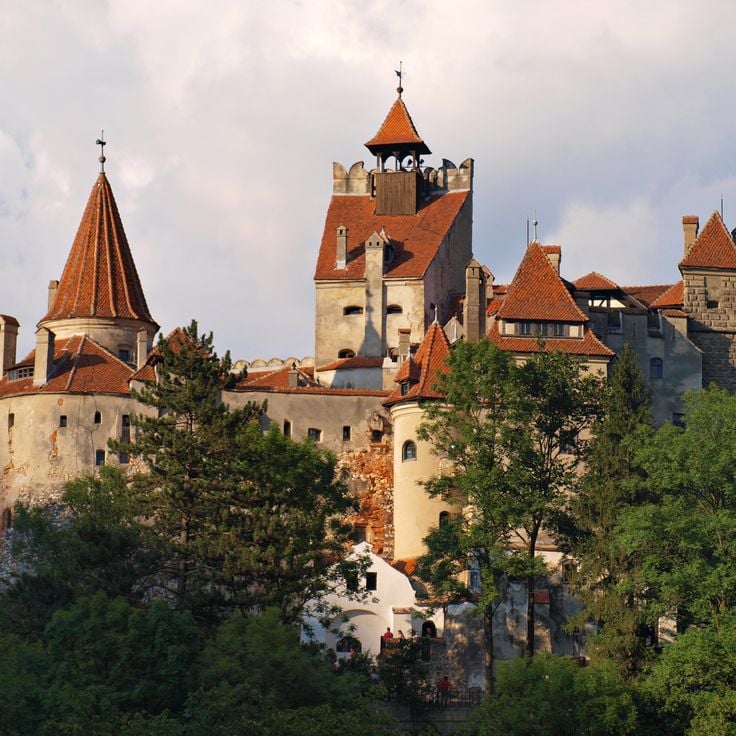
Many of these sites now function as museums or archaeological locations. The ruins of Strečno Castle in Slovakia overlook the Váh Valley, while Bran Castle in Romania draws visitors through its association with Dracula lore. These fortifications document centuries of military and political history across Eastern Europe.
From the Baltic to the Black Sea, fortresses and castles define the landscape of Eastern Europe. These structures reflect military architecture from the Middle Ages through the Renaissance, displaying different defensive techniques and regional traditions. Some were built as border strongholds, others controlled trade routes or served as power centers for local rulers.
Khotyn Fortress on the banks of the Dniester in Ukraine stands among the region's most significant defensive works. In Poland, Malbork Castle documents the power of the Teutonic Order, while Hermann Fortress in Estonia and Novgorod Kremlin in Russia marked strategic points in Baltic and Russian defense systems. Further south, Golubac Fortress guards the Danube at the Iron Gates, and Baba Vida Fortress in Bulgaria ranks among the Balkans' preserved medieval compounds.
Many of these sites now function as museums or archaeological locations. The ruins of Strečno Castle in Slovakia overlook the Váh Valley, while Bran Castle in Romania draws visitors through its association with Dracula lore. These fortifications document centuries of military and political history across Eastern Europe.
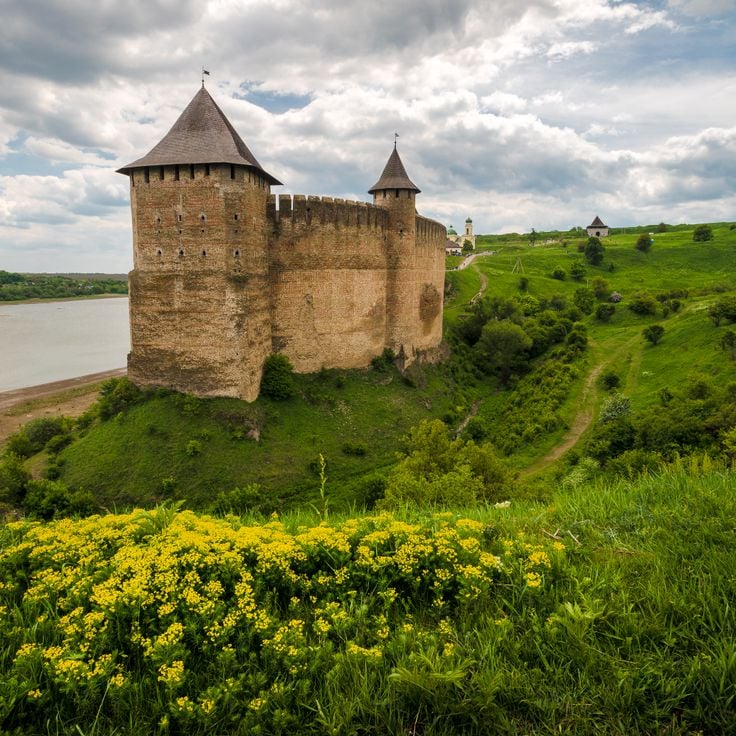
Khotyn Fortress rises 130 feet (40 meters) above the Dniester River and has served as a strategic defense point along this river crossing since the 13th century. Stone walls enclose a courtyard with several watchtowers that controlled river traffic and trade routes. The complex documents various construction phases and fortification techniques developed over centuries of military conflicts in the region.
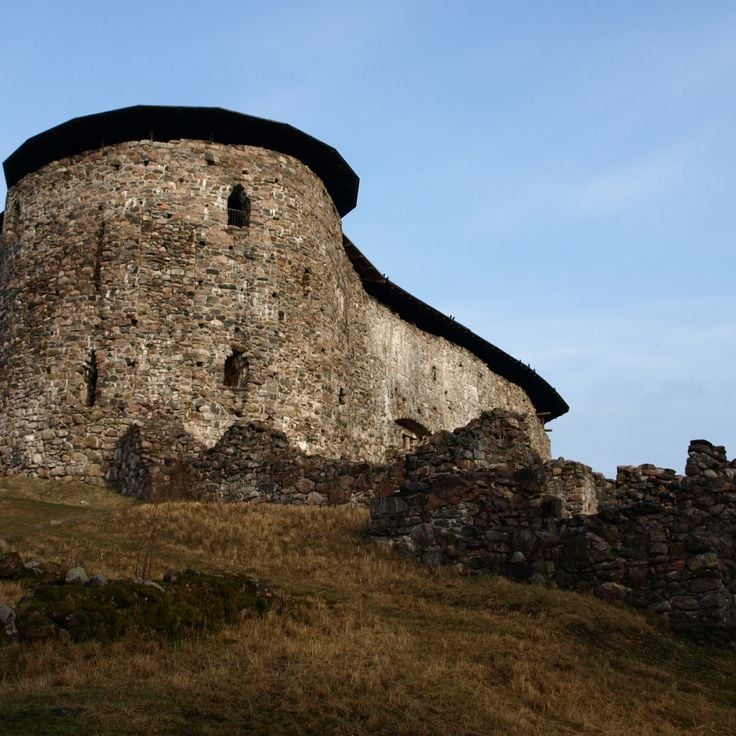
This 14th-century fortress stands on a rocky outcrop and features three separate defensive lines with military towers. Raseborg Castle was built from granite blocks and served as a Swedish administrative and military outpost in this region of medieval Finland. The complex controlled trade routes along the coast and documents Sweden's strategic influence in the Baltic region over several centuries.
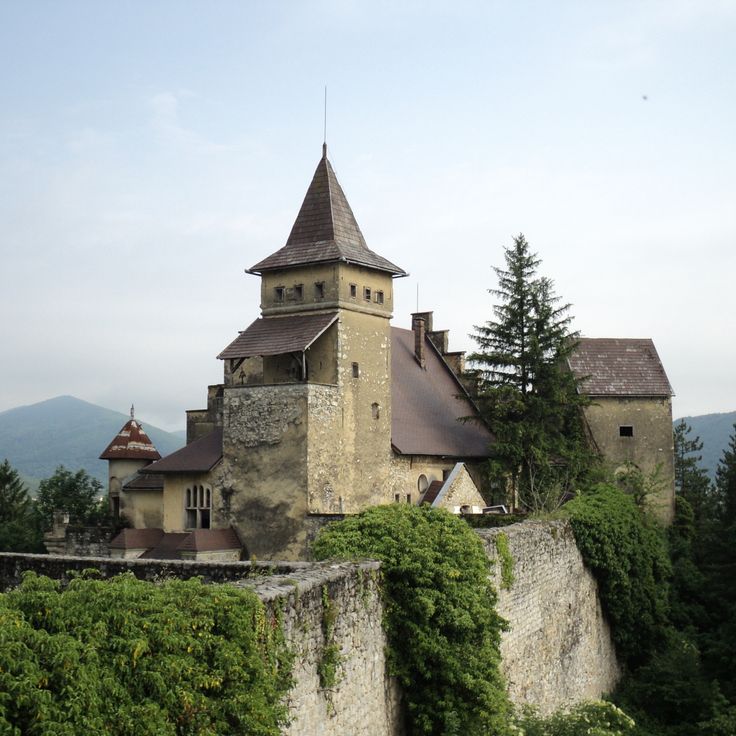
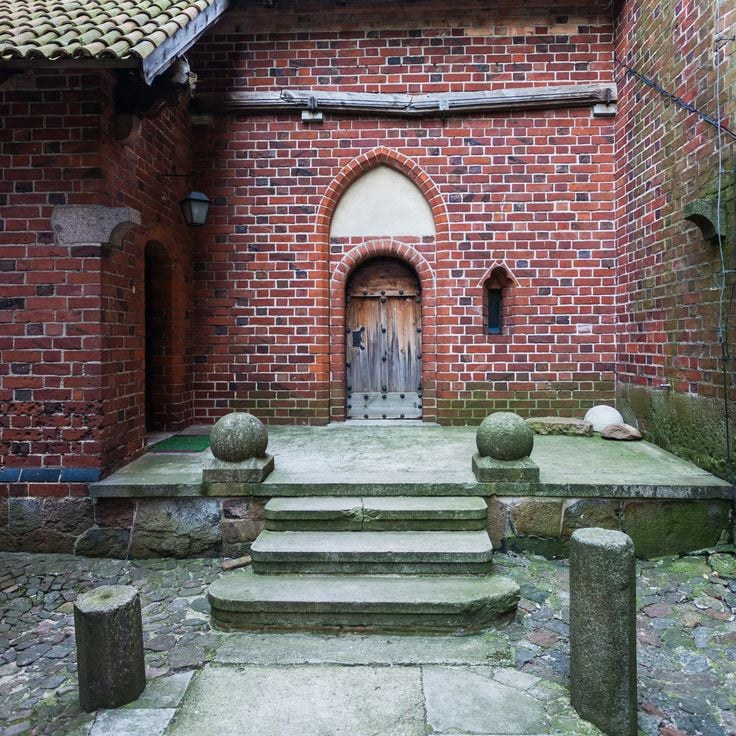
Ostrožac Castle sits in northwestern Bosnia and was built in the 16th century as an Ottoman fortress. Later Habsburg owners expanded the complex in neo-Gothic style. The courtyard displays a collection of stone sculptures documenting different periods of regional history. The fortifications once controlled trade routes between the border territories of the Ottoman Empire and the Habsburg Monarchy.
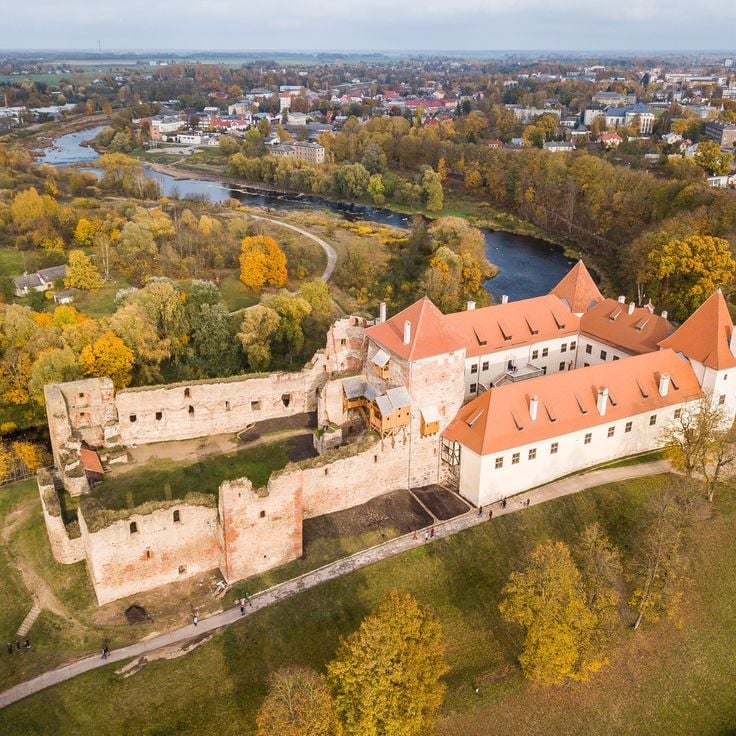
This fortified complex from the 15th century combines military fortifications with a ducal palace and rises between the Mūsa and Mēmele rivers. The structure was originally an Order castle of the Livonian Order and later expanded to serve as the seat of the Dukes of Courland. The older fortifications display medieval construction forms, while the later sections incorporate Renaissance elements. Part of the complex lies in ruins, while other sections have been restored and now house a museum on regional history. The towers provide views over the river landscape and the town of Bauska.
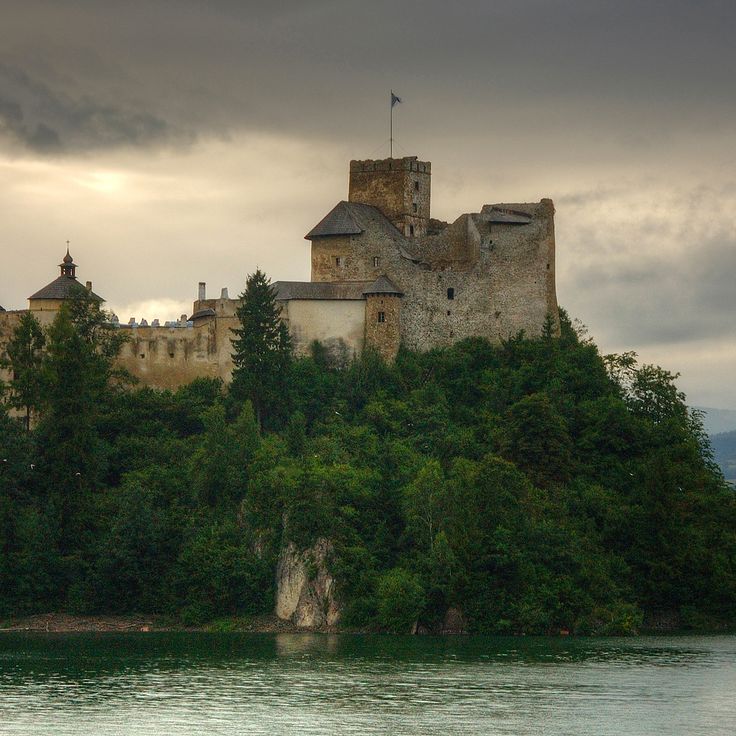
This medieval stronghold rises on a limestone hill above Czorsztyn Reservoir. Niedzica Castle passed between Polish and Hungarian rulers, documenting the shifting political borders of the region and securing a section of the important Dunajec trade route from the 14th through the 17th century.
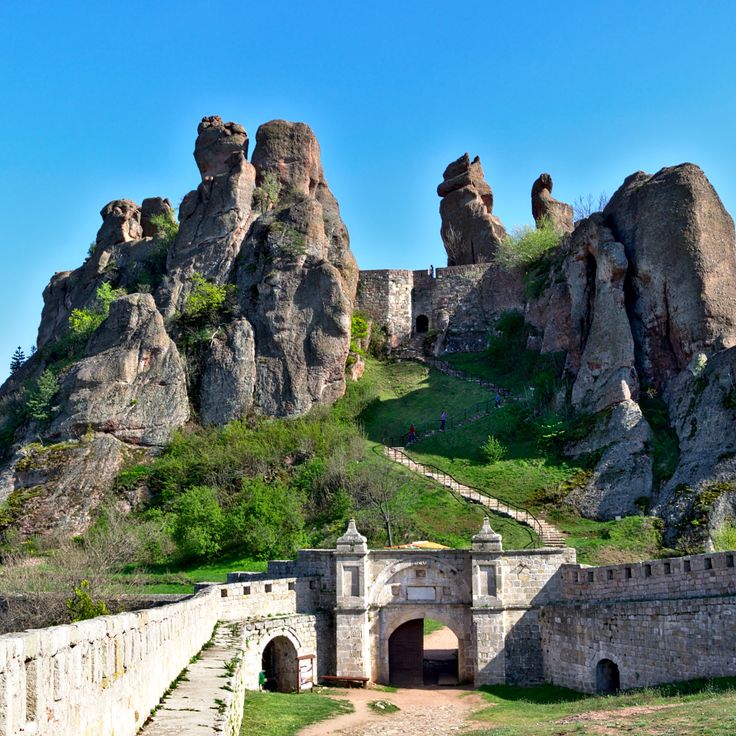
This fortress dates back to the third century in its oldest sections and was built among the distinctive red sandstone rock formations of Belogradchik. The Romans established the first fortifications to guard the mountain pass through the Balkan range. Byzantine and Bulgarian rulers expanded the complex during the medieval period. The Ottomans significantly enlarged the fortress in the fourteenth century, incorporating the natural rock formations into a system of walls, towers and bastions. The fortifications spread across three levels and use the geological features to reinforce defensive lines. The walls and several towers remain standing today, and visitors can tour the complex and take in views of the surrounding rock formations.
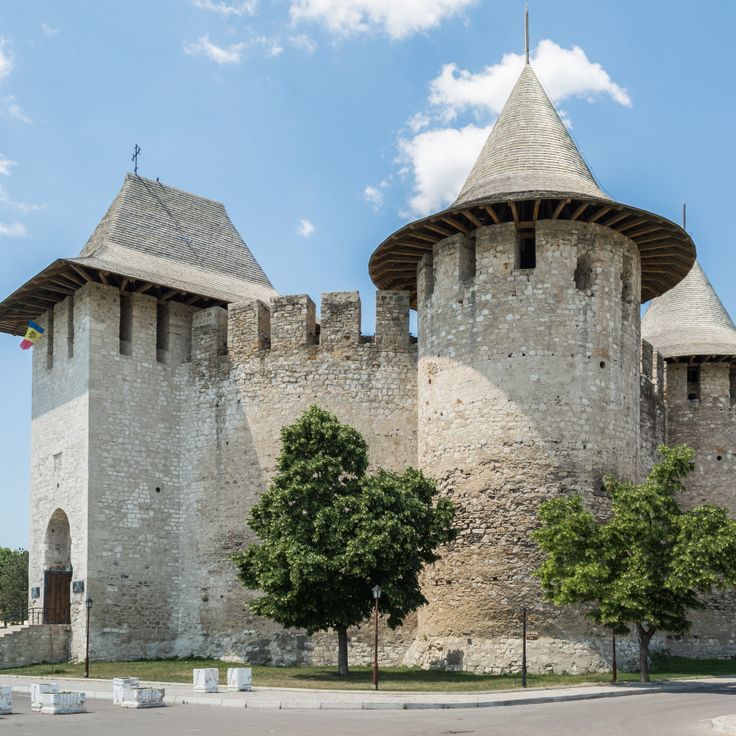
This Moldovan frontier fortress was built in the 15th century on the banks of the Dniester River and served as a military outpost protecting medieval trade routes along the waterway. The site formed part of a defensive system extending across the northern territories of medieval Moldavia. Its circular stone walls and five towers follow architectural principles common in the region during the 15th and 16th centuries. A museum provides information about the fortress history and the military organization of medieval Moldavia.
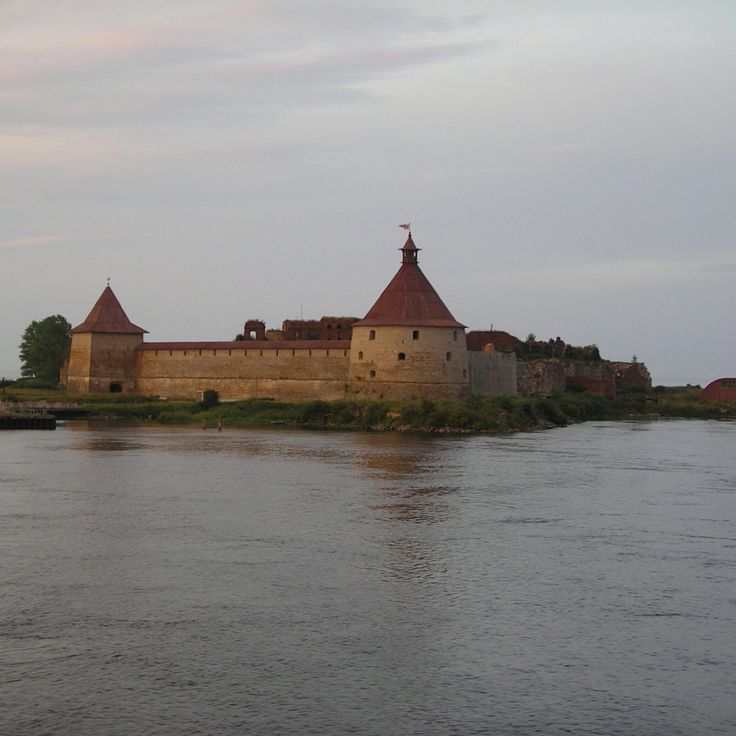
The Forteresse de Schlüsselburg was built in 1323 on an island in Lake Ladoga and controlled access to the Neva River and Saint Petersburg. The fortress endured multiple sieges and changed hands between Swedish and Russian control before serving as a political prison in the 18th century. Its walls and towers display typical features of medieval fortifications positioned along strategic waterways.
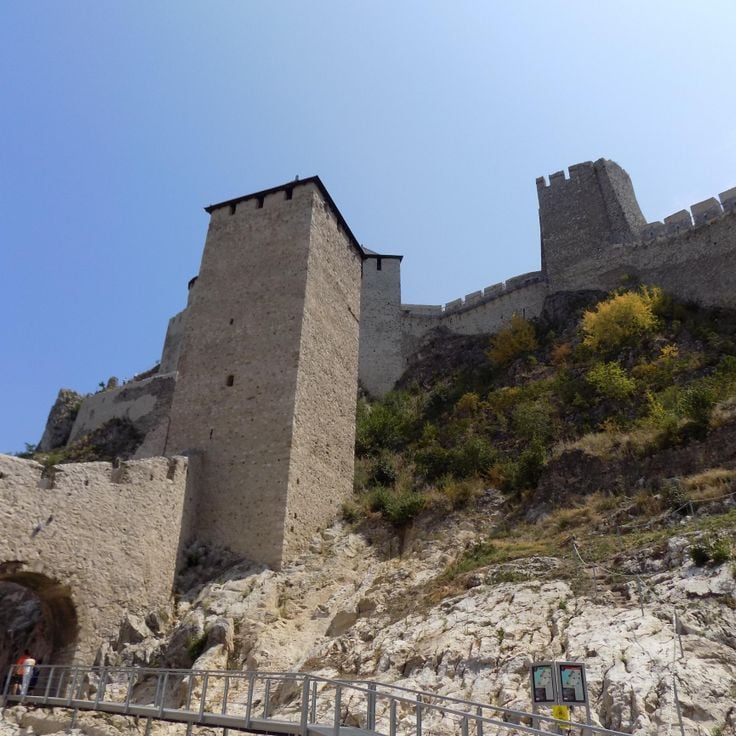
The fortress of Golubac rises on a rocky promontory along the right bank of the Danube at the entrance to the Iron Gates, where it controlled one of the most important river routes between Central and Southeastern Europe for centuries. Built in the fourteenth century, the complex includes nine towers of varying heights and shapes, among them several square and round defensive towers connected by thick stone walls that form three fortified compounds. The structure changed hands repeatedly throughout history between the Kingdom of Hungary, the Serbian Despotate and the Ottoman Empire, with each ruler leaving distinct architectural modifications. Visitors today can explore the restored sections of the fortress, which provide insight into medieval military architecture and the strategic importance of this Danube passage.
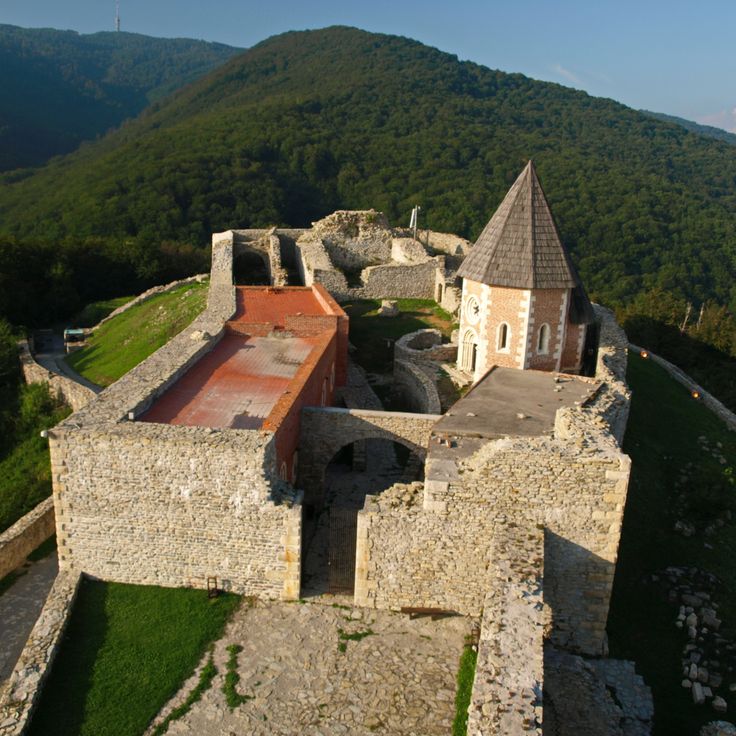
Medvedgrad Castle sits on Mount Medvednica above Zagreb and ranks among the important fortifications of medieval Croatia. The complex was built in the 13th century to protect the city of Zagreb and surrounding territories from Mongol invasions. Medvedgrad includes two chapels, a central keep and several defensive rings that reflect the military architecture of the period. After centuries of decay, the fortress was partially restored in the 20th century and now serves as a historical memorial site and viewpoint over the Croatian capital.
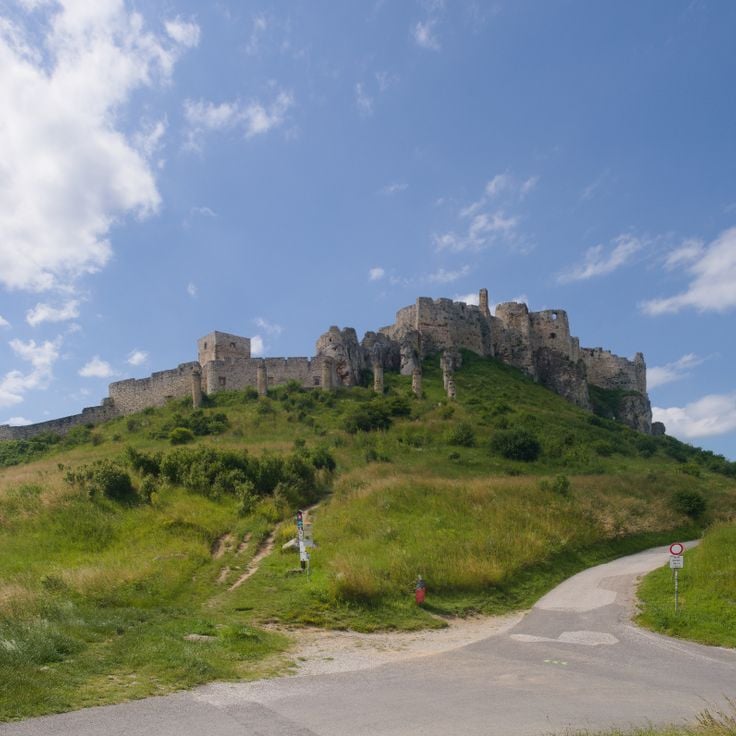
This sprawling 12th-century castle complex covers 4 hectares (10 acres) and combines Romanesque and Gothic architectural elements. Spiš Castle ranked among Central Europe's largest fortress systems and controlled key trade routes through the Spiš region. The structure changed hands repeatedly and underwent multiple expansions over the centuries before fire destroyed much of it in the mid-1700s, leaving it as a ruin.
Stará Ľubovňa Castle was built in the 13th century as part of the Hungarian Crown's defensive system along the border with Poland. The fortress served for centuries as an administrative center and housed government offices and storage between 1412 and 1772 when it stood as collateral for Polish kings. Today the museum inside the castle displays a collection of medieval weapons, regional furniture from several centuries and documents relating to the history of Upper Spiš.
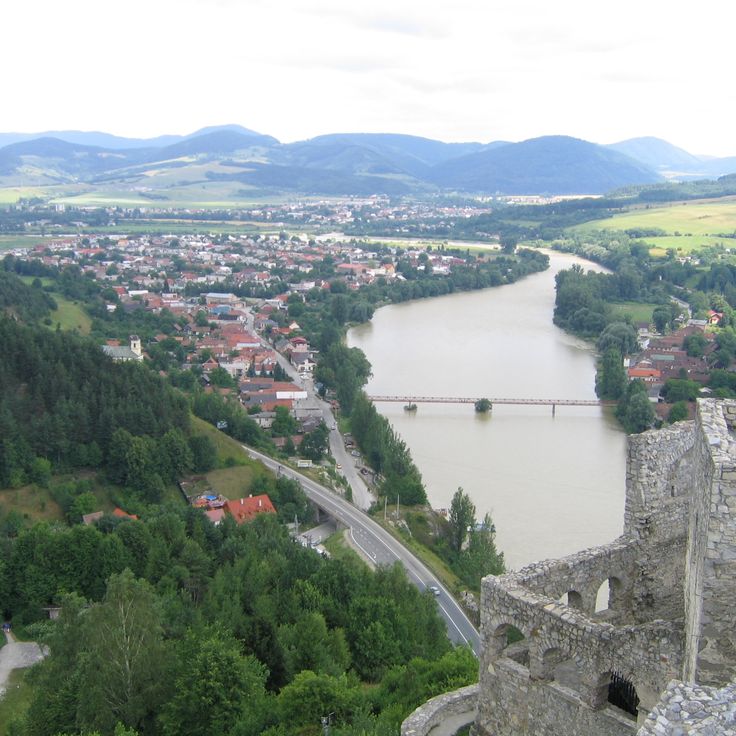
The ruins of Strečno Castle stand on a limestone cliff 338 feet (103 meters) above the Váh River and represent one of the military fortifications that controlled trade routes through the Váh Valley since the 14th century. The site documents medieval defensive techniques in Slovakia with preserved tower foundations, wall remnants and fortification elements that provide archaeological insights into regional castle architecture.
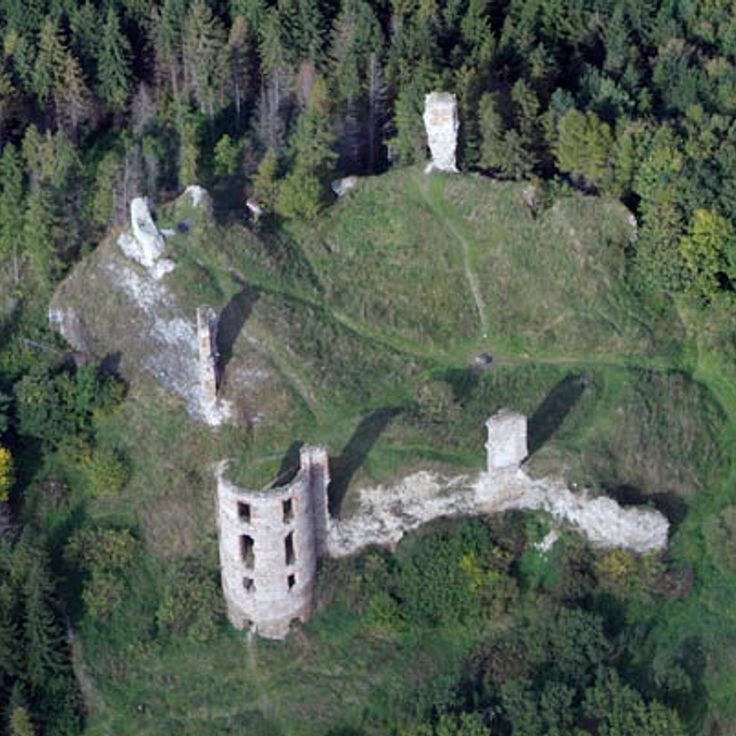
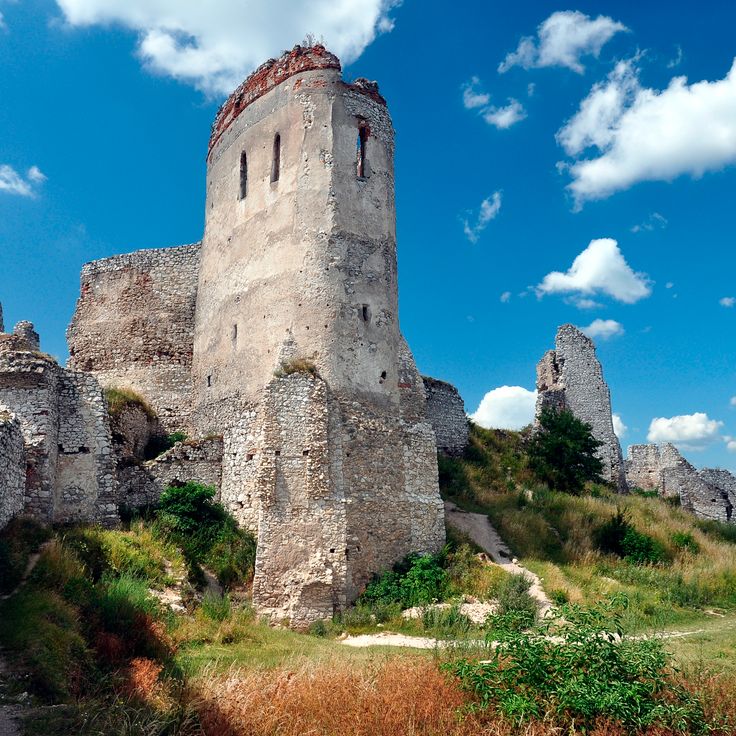
This 13th century castle rises on a hill above the village of the same name and served several noble families as a seat of power. The complex consists of the remains of the main tower, residential buildings and the enclosing wall. In the 17th century, Countess Elisabeth Báthory inhabited the fortress, whose historically documented trials against her shaped later legend formation. The ruins document the military architecture of the region and its evolution from the Middle Ages through the Renaissance. A trail leads from the village center through forest and open terrain to the castle grounds, from where views extend across the western Slovak landscape.
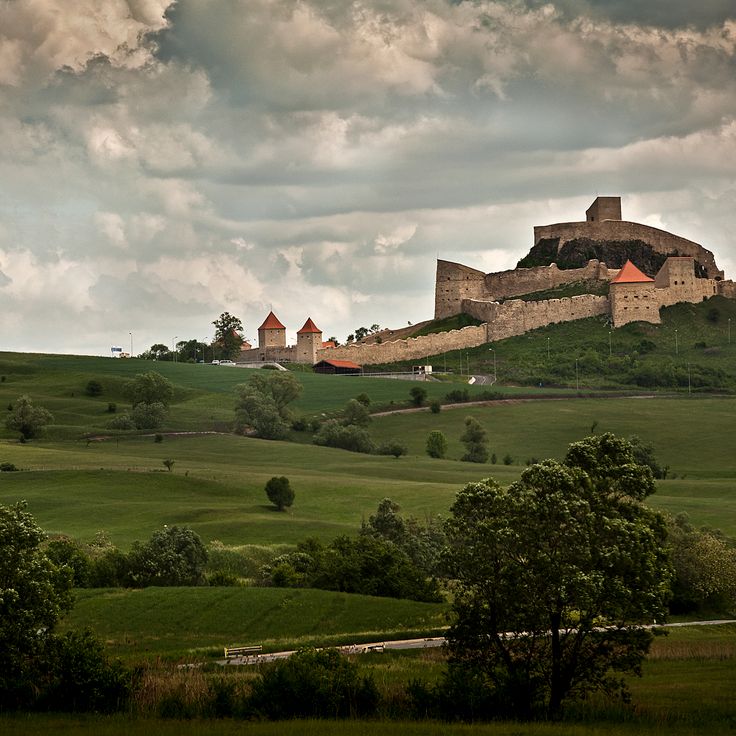
The Rupea fortress rises on a 400-foot (120-meter) basalt formation and documents medieval defensive architecture in the Carpathian region. The complex was built in the 14th century by local settlers and expanded several times to protect trade routes and settlements in Transylvania. The fortification includes four defensive rings with towers, residential buildings and a cistern. The walls offer broad views across the Carpathian foothills and the Rupea area.
Zvolen Castle dates to the 14th century and combines Gothic and Renaissance elements in a structure that served both as a royal residence and defensive position. The four-wing layout with rectangular courtyard follows the pattern of Central European seats of power from that period and documents the evolution of representative architecture in the region. As part of the Hungarian royal domain, the castle controlled important trade routes through the Hron valley and secured royal presence in the mining district of central Slovakia.
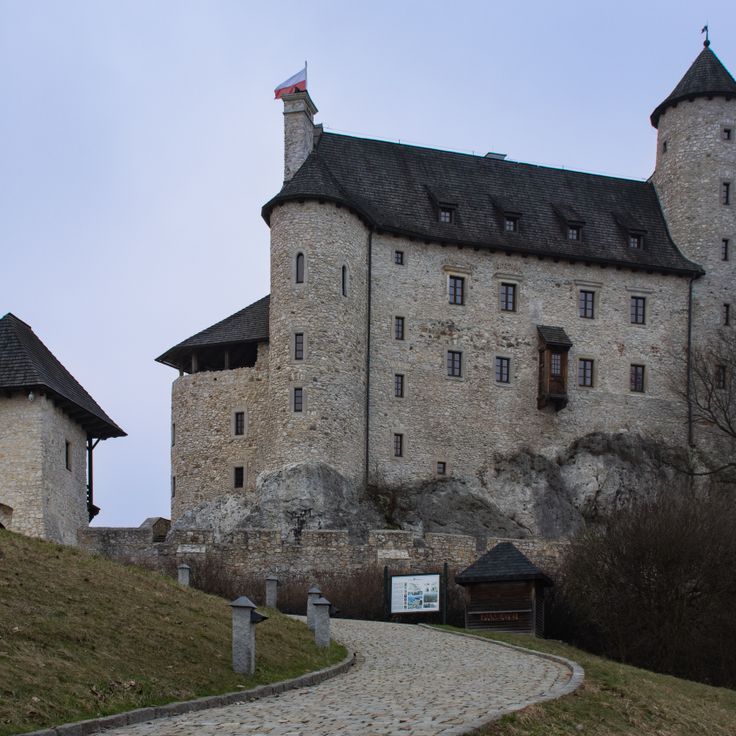
This medieval fortress from the 14th century underwent extensive renovation and reconstruction after centuries of decay. Castle Bobolice belonged to the Eagles' Nests defensive system, a chain of fortifications that historically protected the southern borders of the Kingdom of Poland. The current stone structures with towers and walls are based on archaeological findings and historical records. Visitors can explore the restored chambers, ramparts and the main tower, which offers wide views across the Krakow-Czestochowa Upland.
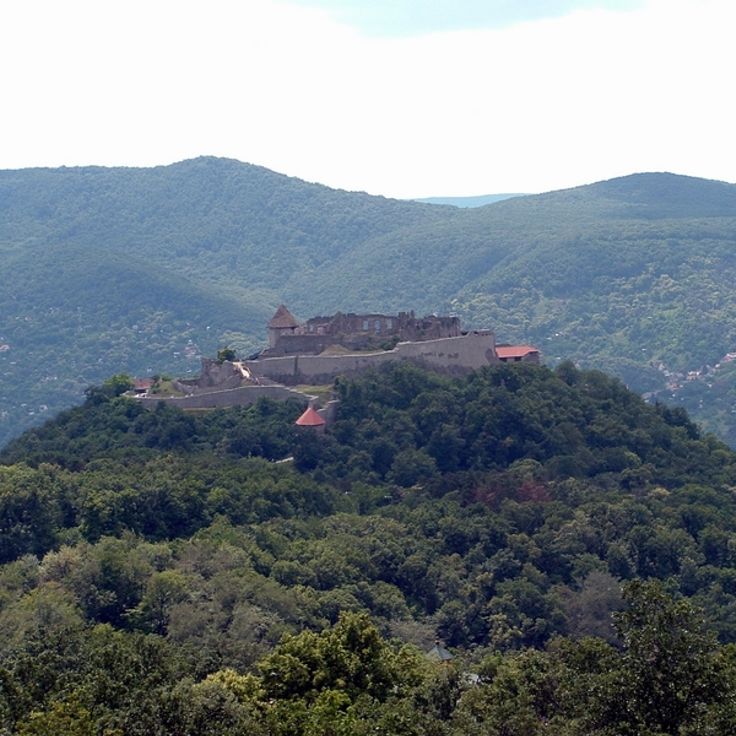
The Citadel of Visegrád rises above the Danube and served as a royal residence and defensive installation in the 14th century. Built on a mountaintop, the fortress provided military control over trade routes along the river and formed a strategic point in the Hungarian defense system during the late medieval period.
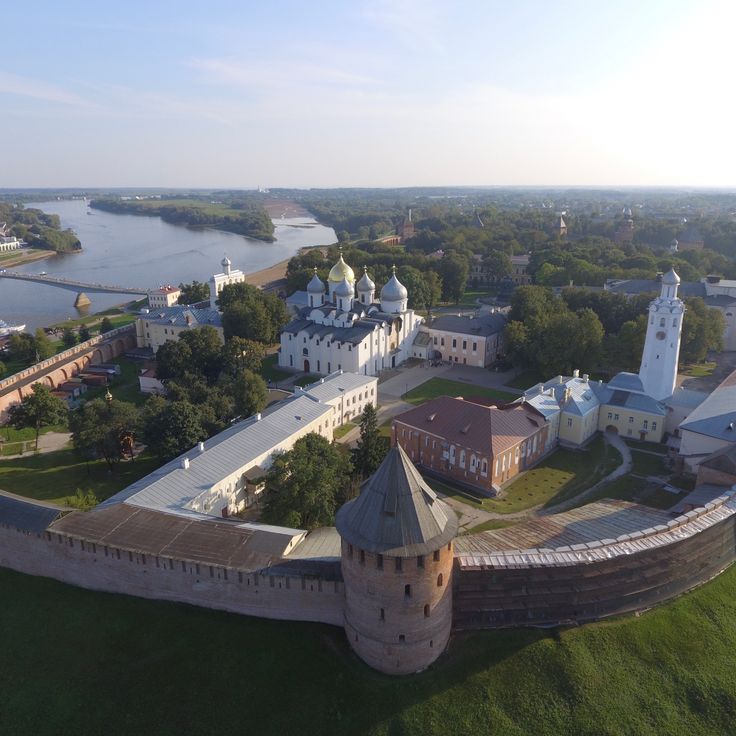
The Novgorod Kremlin was built in the eleventh century and served as a central defensive point of the medieval Russian principality. The fortified complex includes the Cathedral of St. Sophia from 1045, one of the oldest surviving buildings in Russia, along with its bell tower and the Palace of Facets, the oldest surviving secular structure on Russian soil. The fortification walls extend 4,879 feet (1,487 meters) in length and reach heights up to 50 feet (15 meters). The ensemble documents nine centuries of Russian architecture and functioned as the power center of the Novgorod Republic, which from the twelfth to the fifteenth century was one of the most influential trading cities in northern Europe.
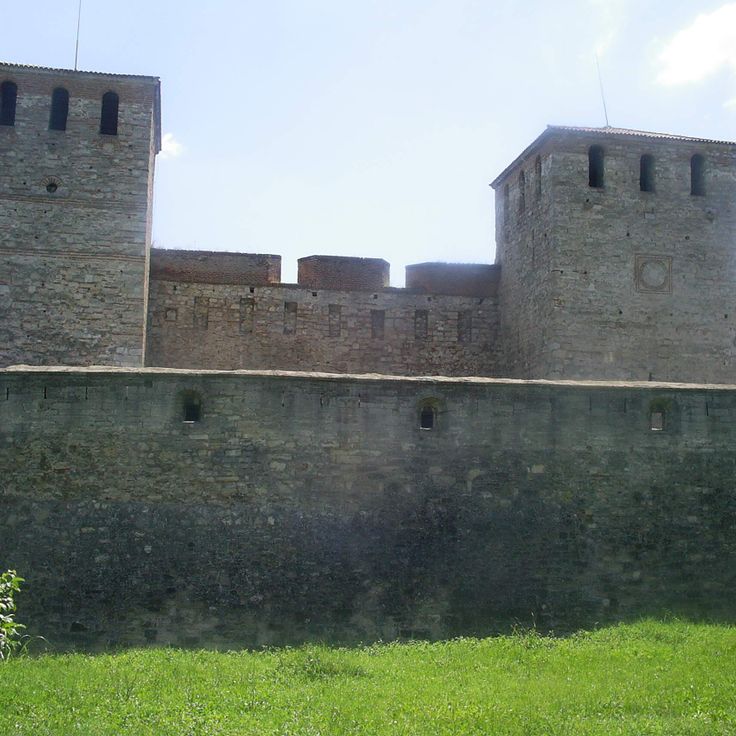
Baba Vida Fortress, dating from the 10th century, stands on the right bank of the Danube and is one of the best preserved medieval fortifications in Bulgaria. The complex consists of two rectangular sets of walls reinforced by ten towers, originally built to protect the town of Vidin and trade routes along the river. The outer walls reach a height of about 30 feet (9 m), while the central keep provided additional defensive layers. The system of dry moats and multiple gates documents the evolution of military engineering between the medieval period and the Ottoman era. Inside the courtyard are casemates, storage rooms and a former chapel, whose foundations have been partially excavated.
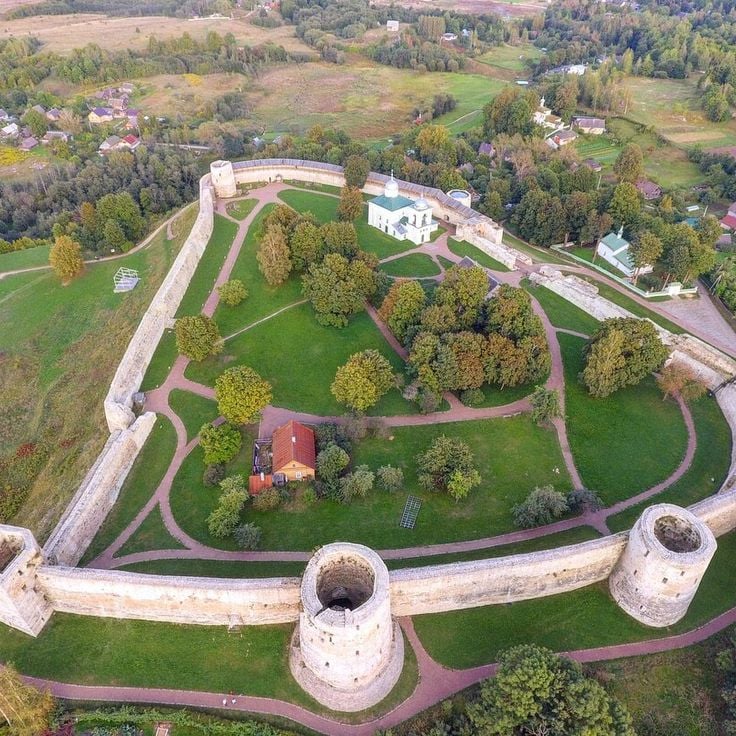
This 14th-century fortress in Pskov Oblast served as a key defensive position on the western frontier of Russian principalities. The complex features 2,800 feet (850 meters) of stone walls and several round defensive towers that document different construction phases of medieval fortification architecture. The site historically controlled trade routes between Novgorod and the Baltic regions and functioned as an advance post against western incursions.
This 13th-century castle of the Teutonic Order extends across 3.5 million square feet (143,600 square meters) with three separate fortifications and documents the military influence of the Order in the Pomeranian region. The complex served as the seat of the Grand Masters and functioned as an administrative center and military stronghold controlling trade routes between the Baltic Sea and the interior.
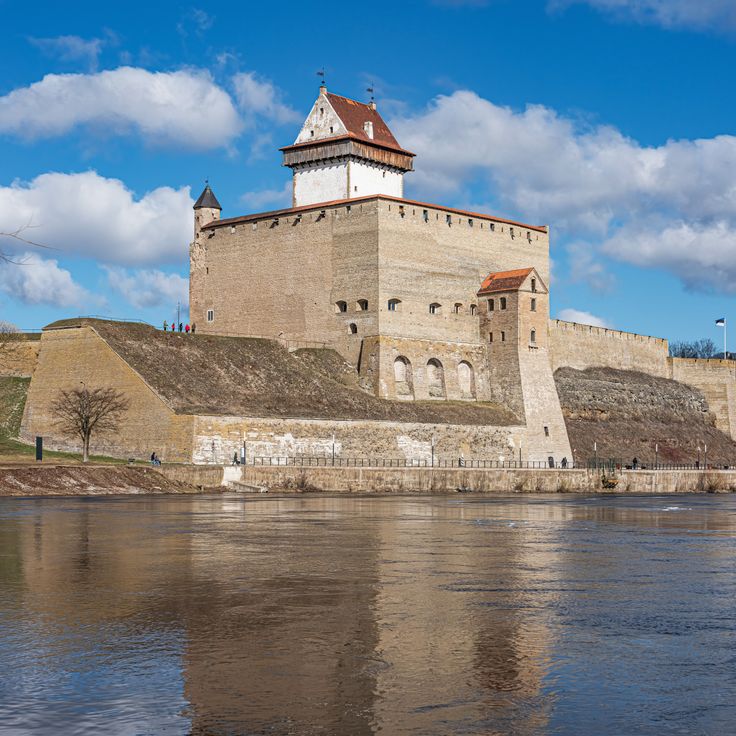
The fortress was built in the 13th century and served as an important defensive point in the Baltic region. The Hermann Tower rises 167 feet (51 meters) above the surrounding area and remains the most prominent feature of the complex, which displays construction techniques of the Teutonic Order.
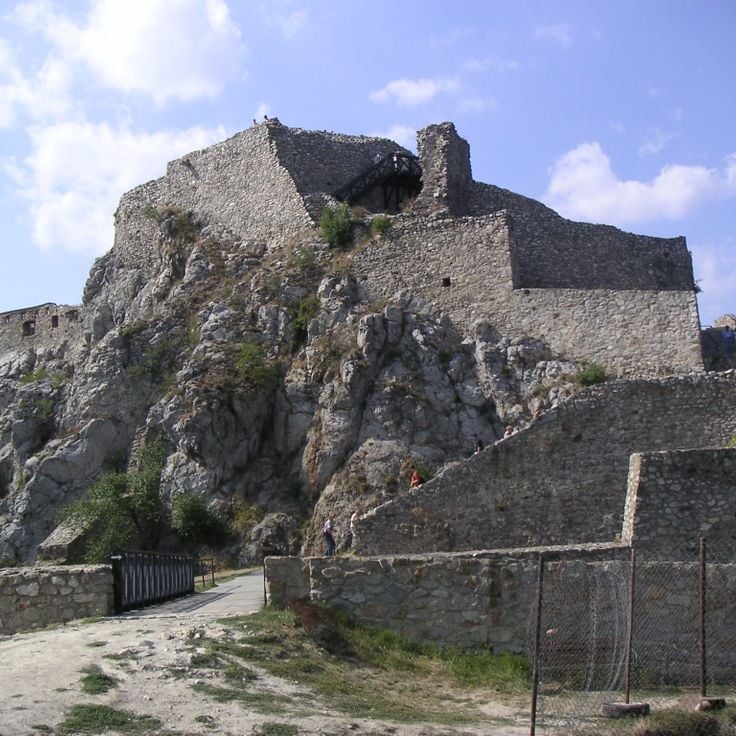
Devin Castle was built in the ninth century on a 692-foot (212-meter) limestone cliff at the confluence of the Danube and Morava rivers. This border fortress controlled a strategic point at the edge of the Great Moravian Empire and documents early medieval fortification techniques. The site contains foundations from different construction periods and archaeological excavations have uncovered settlement traces from Roman times. The preserved ruins overlook the Danube valley and the adjacent Austrian territory.
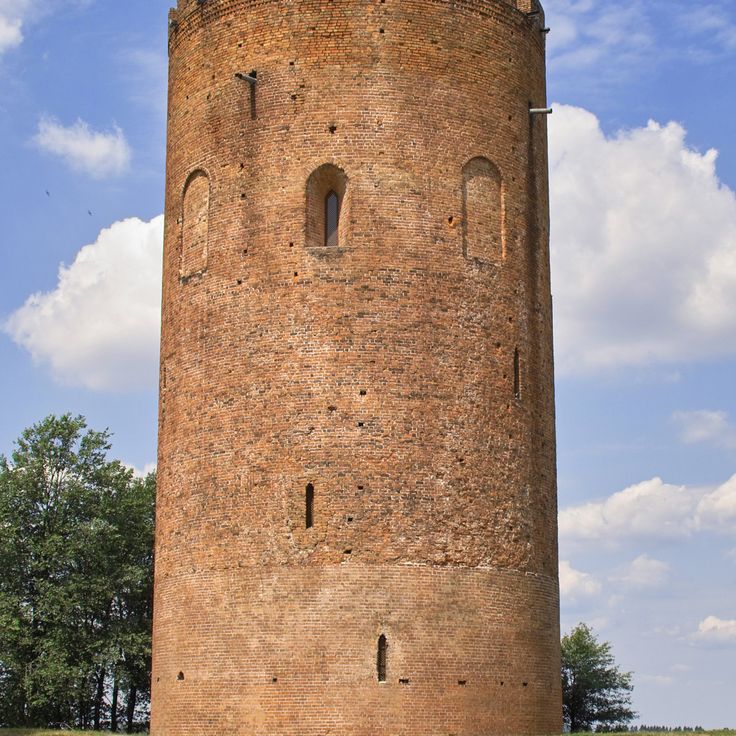
This thirteenth-century brick tower rises to 100 feet (30 meters) and contains five stories with arrow slits, built as part of the medieval defensive system along the Lesna River. The structure documents fortress architecture in the Belarusian territories during the period when local princes secured strategic points controlling trade routes. The red masonry displays construction features common to Baltic military buildings of that era.
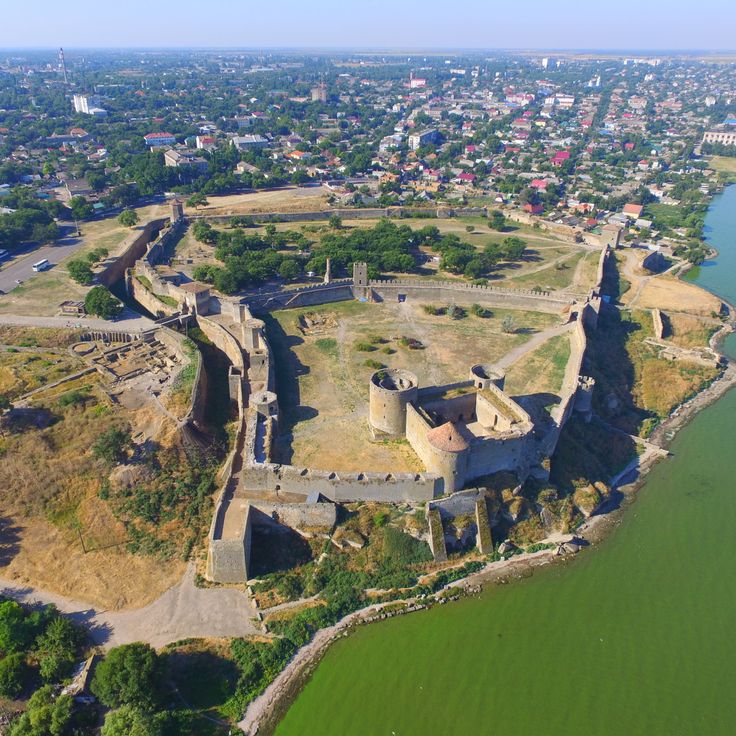
This fortress covers 22 acres (9 hectares) with 34 towers and was built by Genoese merchants in the 13th century. It controlled Black Sea trade and later served Moldavian and Ottoman rulers as a border post. The fortifications show different construction phases and illustrate the development of defensive architecture in the region between the late Middle Ages and the Renaissance.
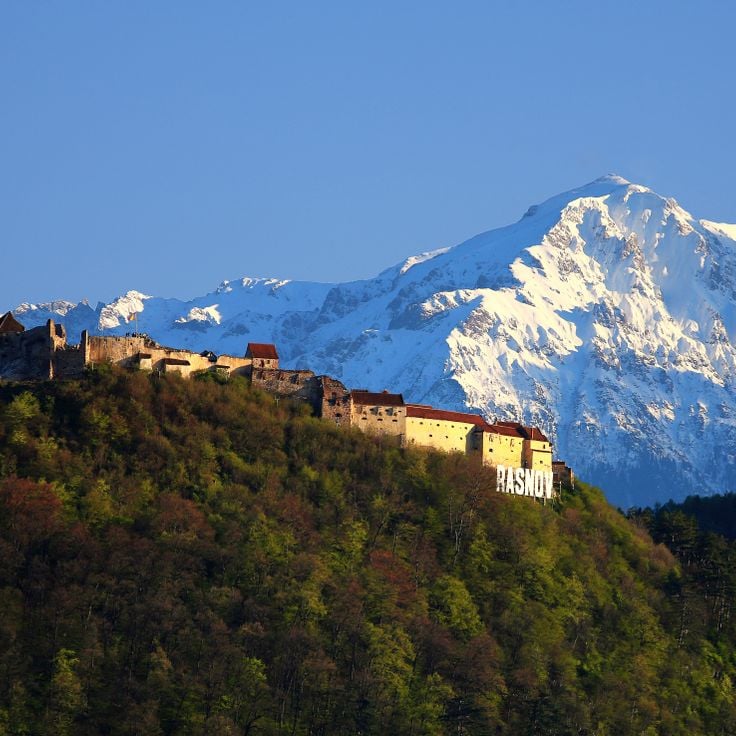
The fortress was built in the 14th century atop a limestone outcrop rising 650 feet (200 meters) and served as a refuge for the Saxon population during Mongol and Ottoman invasions. The structure features a 480-foot (146-meter) deep well dug into the rock over 17 years of labor, along with walls enclosing the entire plateau and forming multiple defensive levels.
Bran Castle was built in 1377 as a customs post along a trade route and contains 57 rooms that served various functions over the centuries. The castle later became a temporary residence of the Romanian royal family and is now associated with the Dracula legend, though historical evidence linking it directly to Vlad the Impaler remains limited. Located south of Brașov, the castle documents medieval Transylvanian architecture and the history of trade control in this region of Romania.
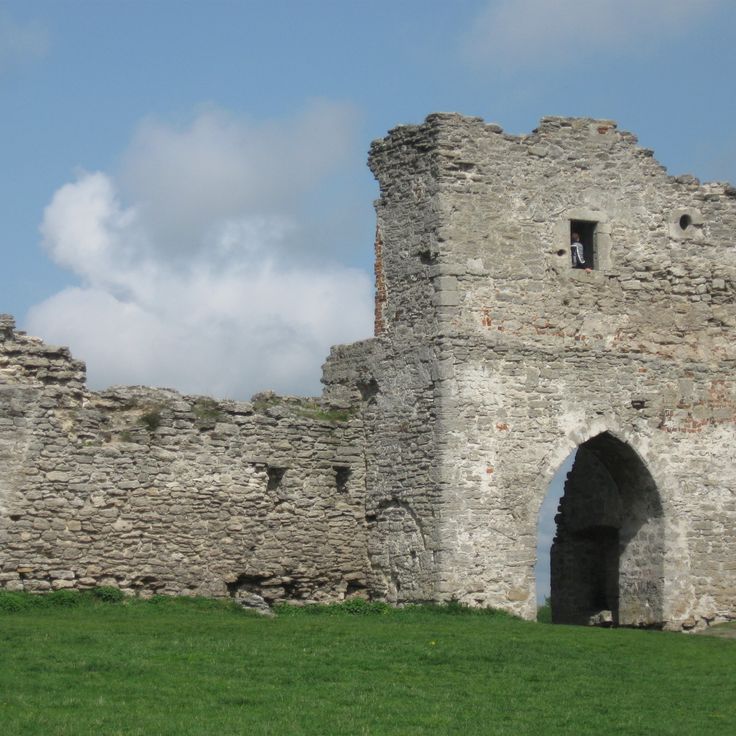
This fortification stands atop Mount Bona above Kremenets and documents the region's military architecture since the 13th century. The surviving stone walls and defensive structures reflect the strategic importance of the site, which served for centuries as a frontier stronghold and control point for surrounding trade routes.
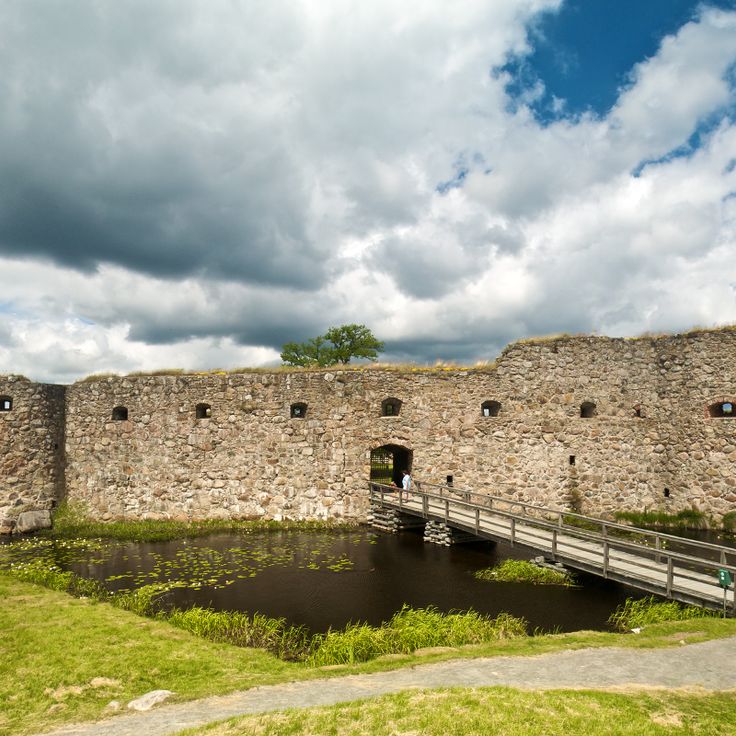
The ruins of Kronoberg Castle rise from an island in Lake Helgasjön and document sixteenth-century Swedish military architecture. The preserved stone walls and foundations show the structure of a frontier fortress that was expanded under Gustav Vasa and served as the region's administrative center until its destruction in the late seventeenth century. The archaeological site lies about five miles north of Växjö and can be reached by boat or via a footpath from the mainland.
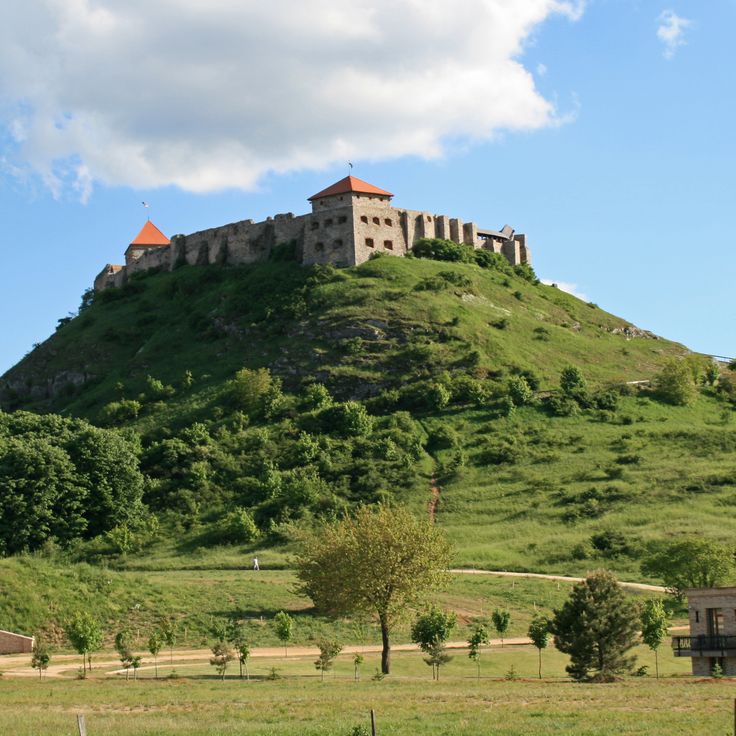
Sümeg Castle, erected in the 13th century atop a 890-foot (270-meter) limestone hill northwest of Lake Balaton, served for centuries as part of the Hungarian defensive network against Ottoman invasions. The fortress encompasses several restored towers, a 13th-century Gothic chapel with Romanesque elements, and partially preserved defensive walls. The structure passed to the bishops of Veszprém by royal decree in the 16th century and withstood multiple sieges during the Turkish wars. Today the complex offers guided tours through the historic fortifications and documents medieval military architecture in western Hungary.
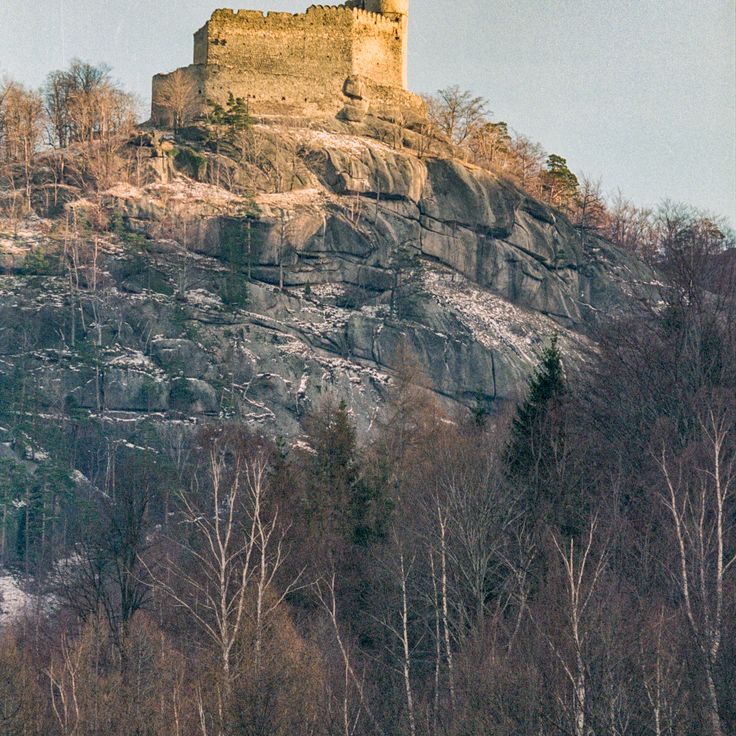
This medieval mountain fortress from the 14th century stands at an elevation of 2,060 feet (627 meters) and shows typical elements of defensive architecture in the Sudetes with its stone walls and square tower. Chojnik Castle once controlled trade routes through the region and belonged to various Silesian noble families. Today visitors can explore the ruins and examine the remains of the defensive structures.
Khotyn Fortress rises 130 feet (40 meters) above the Dniester River and has served as a strategic defense point along this river crossing since the 13th century. Stone walls enclose a courtyard with several watchtowers that controlled river traffic and trade routes. The complex documents various construction phases and fortification techniques developed over centuries of military conflicts in the region.
This 14th-century fortress stands on a rocky outcrop and features three separate defensive lines with military towers. Raseborg Castle was built from granite blocks and served as a Swedish administrative and military outpost in this region of medieval Finland. The complex controlled trade routes along the coast and documents Sweden's strategic influence in the Baltic region over several centuries.
Ostrožac Castle sits in northwestern Bosnia and was built in the 16th century as an Ottoman fortress. Later Habsburg owners expanded the complex in neo-Gothic style. The courtyard displays a collection of stone sculptures documenting different periods of regional history. The fortifications once controlled trade routes between the border territories of the Ottoman Empire and the Habsburg Monarchy.
This fortified complex from the 15th century combines military fortifications with a ducal palace and rises between the Mūsa and Mēmele rivers. The structure was originally an Order castle of the Livonian Order and later expanded to serve as the seat of the Dukes of Courland. The older fortifications display medieval construction forms, while the later sections incorporate Renaissance elements. Part of the complex lies in ruins, while other sections have been restored and now house a museum on regional history. The towers provide views over the river landscape and the town of Bauska.
This medieval stronghold rises on a limestone hill above Czorsztyn Reservoir. Niedzica Castle passed between Polish and Hungarian rulers, documenting the shifting political borders of the region and securing a section of the important Dunajec trade route from the 14th through the 17th century.
This fortress dates back to the third century in its oldest sections and was built among the distinctive red sandstone rock formations of Belogradchik. The Romans established the first fortifications to guard the mountain pass through the Balkan range. Byzantine and Bulgarian rulers expanded the complex during the medieval period. The Ottomans significantly enlarged the fortress in the fourteenth century, incorporating the natural rock formations into a system of walls, towers and bastions. The fortifications spread across three levels and use the geological features to reinforce defensive lines. The walls and several towers remain standing today, and visitors can tour the complex and take in views of the surrounding rock formations.
This Moldovan frontier fortress was built in the 15th century on the banks of the Dniester River and served as a military outpost protecting medieval trade routes along the waterway. The site formed part of a defensive system extending across the northern territories of medieval Moldavia. Its circular stone walls and five towers follow architectural principles common in the region during the 15th and 16th centuries. A museum provides information about the fortress history and the military organization of medieval Moldavia.
The Forteresse de Schlüsselburg was built in 1323 on an island in Lake Ladoga and controlled access to the Neva River and Saint Petersburg. The fortress endured multiple sieges and changed hands between Swedish and Russian control before serving as a political prison in the 18th century. Its walls and towers display typical features of medieval fortifications positioned along strategic waterways.
The fortress of Golubac rises on a rocky promontory along the right bank of the Danube at the entrance to the Iron Gates, where it controlled one of the most important river routes between Central and Southeastern Europe for centuries. Built in the fourteenth century, the complex includes nine towers of varying heights and shapes, among them several square and round defensive towers connected by thick stone walls that form three fortified compounds. The structure changed hands repeatedly throughout history between the Kingdom of Hungary, the Serbian Despotate and the Ottoman Empire, with each ruler leaving distinct architectural modifications. Visitors today can explore the restored sections of the fortress, which provide insight into medieval military architecture and the strategic importance of this Danube passage.
Medvedgrad Castle sits on Mount Medvednica above Zagreb and ranks among the important fortifications of medieval Croatia. The complex was built in the 13th century to protect the city of Zagreb and surrounding territories from Mongol invasions. Medvedgrad includes two chapels, a central keep and several defensive rings that reflect the military architecture of the period. After centuries of decay, the fortress was partially restored in the 20th century and now serves as a historical memorial site and viewpoint over the Croatian capital.
This sprawling 12th-century castle complex covers 4 hectares (10 acres) and combines Romanesque and Gothic architectural elements. Spiš Castle ranked among Central Europe's largest fortress systems and controlled key trade routes through the Spiš region. The structure changed hands repeatedly and underwent multiple expansions over the centuries before fire destroyed much of it in the mid-1700s, leaving it as a ruin.
Stará Ľubovňa Castle was built in the 13th century as part of the Hungarian Crown's defensive system along the border with Poland. The fortress served for centuries as an administrative center and housed government offices and storage between 1412 and 1772 when it stood as collateral for Polish kings. Today the museum inside the castle displays a collection of medieval weapons, regional furniture from several centuries and documents relating to the history of Upper Spiš.
The ruins of Strečno Castle stand on a limestone cliff 338 feet (103 meters) above the Váh River and represent one of the military fortifications that controlled trade routes through the Váh Valley since the 14th century. The site documents medieval defensive techniques in Slovakia with preserved tower foundations, wall remnants and fortification elements that provide archaeological insights into regional castle architecture.
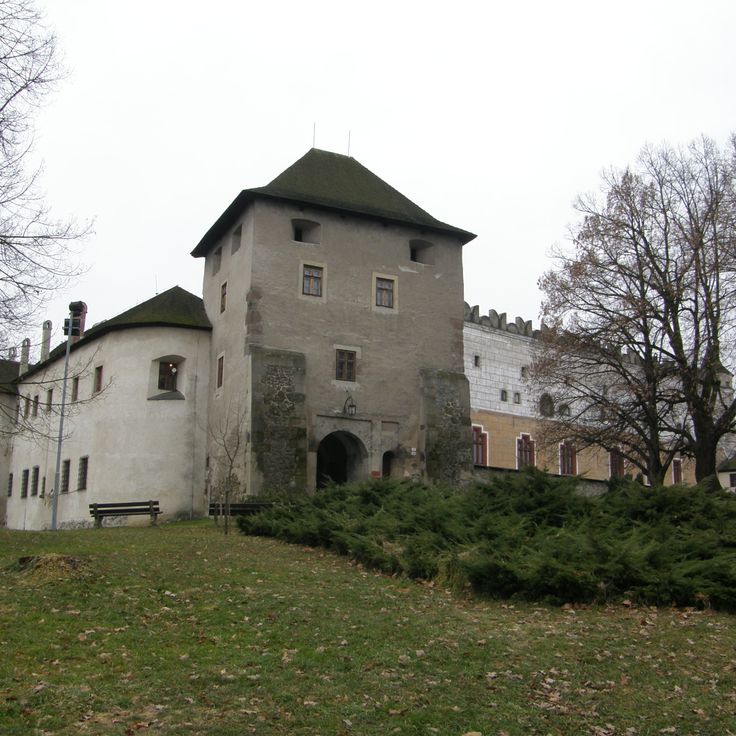
This 13th century castle rises on a hill above the village of the same name and served several noble families as a seat of power. The complex consists of the remains of the main tower, residential buildings and the enclosing wall. In the 17th century, Countess Elisabeth Báthory inhabited the fortress, whose historically documented trials against her shaped later legend formation. The ruins document the military architecture of the region and its evolution from the Middle Ages through the Renaissance. A trail leads from the village center through forest and open terrain to the castle grounds, from where views extend across the western Slovak landscape.
The Rupea fortress rises on a 400-foot (120-meter) basalt formation and documents medieval defensive architecture in the Carpathian region. The complex was built in the 14th century by local settlers and expanded several times to protect trade routes and settlements in Transylvania. The fortification includes four defensive rings with towers, residential buildings and a cistern. The walls offer broad views across the Carpathian foothills and the Rupea area.
Zvolen Castle dates to the 14th century and combines Gothic and Renaissance elements in a structure that served both as a royal residence and defensive position. The four-wing layout with rectangular courtyard follows the pattern of Central European seats of power from that period and documents the evolution of representative architecture in the region. As part of the Hungarian royal domain, the castle controlled important trade routes through the Hron valley and secured royal presence in the mining district of central Slovakia.
This medieval fortress from the 14th century underwent extensive renovation and reconstruction after centuries of decay. Castle Bobolice belonged to the Eagles' Nests defensive system, a chain of fortifications that historically protected the southern borders of the Kingdom of Poland. The current stone structures with towers and walls are based on archaeological findings and historical records. Visitors can explore the restored chambers, ramparts and the main tower, which offers wide views across the Krakow-Czestochowa Upland.
The Citadel of Visegrád rises above the Danube and served as a royal residence and defensive installation in the 14th century. Built on a mountaintop, the fortress provided military control over trade routes along the river and formed a strategic point in the Hungarian defense system during the late medieval period.
The Novgorod Kremlin was built in the eleventh century and served as a central defensive point of the medieval Russian principality. The fortified complex includes the Cathedral of St. Sophia from 1045, one of the oldest surviving buildings in Russia, along with its bell tower and the Palace of Facets, the oldest surviving secular structure on Russian soil. The fortification walls extend 4,879 feet (1,487 meters) in length and reach heights up to 50 feet (15 meters). The ensemble documents nine centuries of Russian architecture and functioned as the power center of the Novgorod Republic, which from the twelfth to the fifteenth century was one of the most influential trading cities in northern Europe.
Baba Vida Fortress, dating from the 10th century, stands on the right bank of the Danube and is one of the best preserved medieval fortifications in Bulgaria. The complex consists of two rectangular sets of walls reinforced by ten towers, originally built to protect the town of Vidin and trade routes along the river. The outer walls reach a height of about 30 feet (9 m), while the central keep provided additional defensive layers. The system of dry moats and multiple gates documents the evolution of military engineering between the medieval period and the Ottoman era. Inside the courtyard are casemates, storage rooms and a former chapel, whose foundations have been partially excavated.
This 14th-century fortress in Pskov Oblast served as a key defensive position on the western frontier of Russian principalities. The complex features 2,800 feet (850 meters) of stone walls and several round defensive towers that document different construction phases of medieval fortification architecture. The site historically controlled trade routes between Novgorod and the Baltic regions and functioned as an advance post against western incursions.
This 13th-century castle of the Teutonic Order extends across 3.5 million square feet (143,600 square meters) with three separate fortifications and documents the military influence of the Order in the Pomeranian region. The complex served as the seat of the Grand Masters and functioned as an administrative center and military stronghold controlling trade routes between the Baltic Sea and the interior.
The fortress was built in the 13th century and served as an important defensive point in the Baltic region. The Hermann Tower rises 167 feet (51 meters) above the surrounding area and remains the most prominent feature of the complex, which displays construction techniques of the Teutonic Order.
Devin Castle was built in the ninth century on a 692-foot (212-meter) limestone cliff at the confluence of the Danube and Morava rivers. This border fortress controlled a strategic point at the edge of the Great Moravian Empire and documents early medieval fortification techniques. The site contains foundations from different construction periods and archaeological excavations have uncovered settlement traces from Roman times. The preserved ruins overlook the Danube valley and the adjacent Austrian territory.
This thirteenth-century brick tower rises to 100 feet (30 meters) and contains five stories with arrow slits, built as part of the medieval defensive system along the Lesna River. The structure documents fortress architecture in the Belarusian territories during the period when local princes secured strategic points controlling trade routes. The red masonry displays construction features common to Baltic military buildings of that era.
This fortress covers 22 acres (9 hectares) with 34 towers and was built by Genoese merchants in the 13th century. It controlled Black Sea trade and later served Moldavian and Ottoman rulers as a border post. The fortifications show different construction phases and illustrate the development of defensive architecture in the region between the late Middle Ages and the Renaissance.
The fortress was built in the 14th century atop a limestone outcrop rising 650 feet (200 meters) and served as a refuge for the Saxon population during Mongol and Ottoman invasions. The structure features a 480-foot (146-meter) deep well dug into the rock over 17 years of labor, along with walls enclosing the entire plateau and forming multiple defensive levels.
Bran Castle was built in 1377 as a customs post along a trade route and contains 57 rooms that served various functions over the centuries. The castle later became a temporary residence of the Romanian royal family and is now associated with the Dracula legend, though historical evidence linking it directly to Vlad the Impaler remains limited. Located south of Brașov, the castle documents medieval Transylvanian architecture and the history of trade control in this region of Romania.
This fortification stands atop Mount Bona above Kremenets and documents the region's military architecture since the 13th century. The surviving stone walls and defensive structures reflect the strategic importance of the site, which served for centuries as a frontier stronghold and control point for surrounding trade routes.
The ruins of Kronoberg Castle rise from an island in Lake Helgasjön and document sixteenth-century Swedish military architecture. The preserved stone walls and foundations show the structure of a frontier fortress that was expanded under Gustav Vasa and served as the region's administrative center until its destruction in the late seventeenth century. The archaeological site lies about five miles north of Växjö and can be reached by boat or via a footpath from the mainland.
Sümeg Castle, erected in the 13th century atop a 890-foot (270-meter) limestone hill northwest of Lake Balaton, served for centuries as part of the Hungarian defensive network against Ottoman invasions. The fortress encompasses several restored towers, a 13th-century Gothic chapel with Romanesque elements, and partially preserved defensive walls. The structure passed to the bishops of Veszprém by royal decree in the 16th century and withstood multiple sieges during the Turkish wars. Today the complex offers guided tours through the historic fortifications and documents medieval military architecture in western Hungary.
This medieval mountain fortress from the 14th century stands at an elevation of 2,060 feet (627 meters) and shows typical elements of defensive architecture in the Sudetes with its stone walls and square tower. Chojnik Castle once controlled trade routes through the region and belonged to various Silesian noble families. Today visitors can explore the ruins and examine the remains of the defensive structures.
Khotyn Fortress rises 130 feet (40 meters) above the Dniester River and has served as a strategic defense point along this river crossing since the 13th century. Stone walls enclose a courtyard with several watchtowers that controlled river traffic and trade routes. The complex documents various construction phases and fortification techniques developed over centuries of military conflicts in the region.
This 14th-century fortress stands on a rocky outcrop and features three separate defensive lines with military towers. Raseborg Castle was built from granite blocks and served as a Swedish administrative and military outpost in this region of medieval Finland. The complex controlled trade routes along the coast and documents Sweden's strategic influence in the Baltic region over several centuries.
Ostrožac Castle sits in northwestern Bosnia and was built in the 16th century as an Ottoman fortress. Later Habsburg owners expanded the complex in neo-Gothic style. The courtyard displays a collection of stone sculptures documenting different periods of regional history. The fortifications once controlled trade routes between the border territories of the Ottoman Empire and the Habsburg Monarchy.
This fortified complex from the 15th century combines military fortifications with a ducal palace and rises between the Mūsa and Mēmele rivers. The structure was originally an Order castle of the Livonian Order and later expanded to serve as the seat of the Dukes of Courland. The older fortifications display medieval construction forms, while the later sections incorporate Renaissance elements. Part of the complex lies in ruins, while other sections have been restored and now house a museum on regional history. The towers provide views over the river landscape and the town of Bauska.
This medieval stronghold rises on a limestone hill above Czorsztyn Reservoir. Niedzica Castle passed between Polish and Hungarian rulers, documenting the shifting political borders of the region and securing a section of the important Dunajec trade route from the 14th through the 17th century.
This fortress dates back to the third century in its oldest sections and was built among the distinctive red sandstone rock formations of Belogradchik. The Romans established the first fortifications to guard the mountain pass through the Balkan range. Byzantine and Bulgarian rulers expanded the complex during the medieval period. The Ottomans significantly enlarged the fortress in the fourteenth century, incorporating the natural rock formations into a system of walls, towers and bastions. The fortifications spread across three levels and use the geological features to reinforce defensive lines. The walls and several towers remain standing today, and visitors can tour the complex and take in views of the surrounding rock formations.
This Moldovan frontier fortress was built in the 15th century on the banks of the Dniester River and served as a military outpost protecting medieval trade routes along the waterway. The site formed part of a defensive system extending across the northern territories of medieval Moldavia. Its circular stone walls and five towers follow architectural principles common in the region during the 15th and 16th centuries. A museum provides information about the fortress history and the military organization of medieval Moldavia.
The Forteresse de Schlüsselburg was built in 1323 on an island in Lake Ladoga and controlled access to the Neva River and Saint Petersburg. The fortress endured multiple sieges and changed hands between Swedish and Russian control before serving as a political prison in the 18th century. Its walls and towers display typical features of medieval fortifications positioned along strategic waterways.
The fortress of Golubac rises on a rocky promontory along the right bank of the Danube at the entrance to the Iron Gates, where it controlled one of the most important river routes between Central and Southeastern Europe for centuries. Built in the fourteenth century, the complex includes nine towers of varying heights and shapes, among them several square and round defensive towers connected by thick stone walls that form three fortified compounds. The structure changed hands repeatedly throughout history between the Kingdom of Hungary, the Serbian Despotate and the Ottoman Empire, with each ruler leaving distinct architectural modifications. Visitors today can explore the restored sections of the fortress, which provide insight into medieval military architecture and the strategic importance of this Danube passage.
Medvedgrad Castle sits on Mount Medvednica above Zagreb and ranks among the important fortifications of medieval Croatia. The complex was built in the 13th century to protect the city of Zagreb and surrounding territories from Mongol invasions. Medvedgrad includes two chapels, a central keep and several defensive rings that reflect the military architecture of the period. After centuries of decay, the fortress was partially restored in the 20th century and now serves as a historical memorial site and viewpoint over the Croatian capital.
This sprawling 12th-century castle complex covers 4 hectares (10 acres) and combines Romanesque and Gothic architectural elements. Spiš Castle ranked among Central Europe's largest fortress systems and controlled key trade routes through the Spiš region. The structure changed hands repeatedly and underwent multiple expansions over the centuries before fire destroyed much of it in the mid-1700s, leaving it as a ruin.
Stará Ľubovňa Castle was built in the 13th century as part of the Hungarian Crown's defensive system along the border with Poland. The fortress served for centuries as an administrative center and housed government offices and storage between 1412 and 1772 when it stood as collateral for Polish kings. Today the museum inside the castle displays a collection of medieval weapons, regional furniture from several centuries and documents relating to the history of Upper Spiš.
The ruins of Strečno Castle stand on a limestone cliff 338 feet (103 meters) above the Váh River and represent one of the military fortifications that controlled trade routes through the Váh Valley since the 14th century. The site documents medieval defensive techniques in Slovakia with preserved tower foundations, wall remnants and fortification elements that provide archaeological insights into regional castle architecture.
This 13th century castle rises on a hill above the village of the same name and served several noble families as a seat of power. The complex consists of the remains of the main tower, residential buildings and the enclosing wall. In the 17th century, Countess Elisabeth Báthory inhabited the fortress, whose historically documented trials against her shaped later legend formation. The ruins document the military architecture of the region and its evolution from the Middle Ages through the Renaissance. A trail leads from the village center through forest and open terrain to the castle grounds, from where views extend across the western Slovak landscape.
The Rupea fortress rises on a 400-foot (120-meter) basalt formation and documents medieval defensive architecture in the Carpathian region. The complex was built in the 14th century by local settlers and expanded several times to protect trade routes and settlements in Transylvania. The fortification includes four defensive rings with towers, residential buildings and a cistern. The walls offer broad views across the Carpathian foothills and the Rupea area.
Zvolen Castle dates to the 14th century and combines Gothic and Renaissance elements in a structure that served both as a royal residence and defensive position. The four-wing layout with rectangular courtyard follows the pattern of Central European seats of power from that period and documents the evolution of representative architecture in the region. As part of the Hungarian royal domain, the castle controlled important trade routes through the Hron valley and secured royal presence in the mining district of central Slovakia.
This medieval fortress from the 14th century underwent extensive renovation and reconstruction after centuries of decay. Castle Bobolice belonged to the Eagles' Nests defensive system, a chain of fortifications that historically protected the southern borders of the Kingdom of Poland. The current stone structures with towers and walls are based on archaeological findings and historical records. Visitors can explore the restored chambers, ramparts and the main tower, which offers wide views across the Krakow-Czestochowa Upland.
The Citadel of Visegrád rises above the Danube and served as a royal residence and defensive installation in the 14th century. Built on a mountaintop, the fortress provided military control over trade routes along the river and formed a strategic point in the Hungarian defense system during the late medieval period.
The Novgorod Kremlin was built in the eleventh century and served as a central defensive point of the medieval Russian principality. The fortified complex includes the Cathedral of St. Sophia from 1045, one of the oldest surviving buildings in Russia, along with its bell tower and the Palace of Facets, the oldest surviving secular structure on Russian soil. The fortification walls extend 4,879 feet (1,487 meters) in length and reach heights up to 50 feet (15 meters). The ensemble documents nine centuries of Russian architecture and functioned as the power center of the Novgorod Republic, which from the twelfth to the fifteenth century was one of the most influential trading cities in northern Europe.
Baba Vida Fortress, dating from the 10th century, stands on the right bank of the Danube and is one of the best preserved medieval fortifications in Bulgaria. The complex consists of two rectangular sets of walls reinforced by ten towers, originally built to protect the town of Vidin and trade routes along the river. The outer walls reach a height of about 30 feet (9 m), while the central keep provided additional defensive layers. The system of dry moats and multiple gates documents the evolution of military engineering between the medieval period and the Ottoman era. Inside the courtyard are casemates, storage rooms and a former chapel, whose foundations have been partially excavated.
This 14th-century fortress in Pskov Oblast served as a key defensive position on the western frontier of Russian principalities. The complex features 2,800 feet (850 meters) of stone walls and several round defensive towers that document different construction phases of medieval fortification architecture. The site historically controlled trade routes between Novgorod and the Baltic regions and functioned as an advance post against western incursions.
This 13th-century castle of the Teutonic Order extends across 3.5 million square feet (143,600 square meters) with three separate fortifications and documents the military influence of the Order in the Pomeranian region. The complex served as the seat of the Grand Masters and functioned as an administrative center and military stronghold controlling trade routes between the Baltic Sea and the interior.
The fortress was built in the 13th century and served as an important defensive point in the Baltic region. The Hermann Tower rises 167 feet (51 meters) above the surrounding area and remains the most prominent feature of the complex, which displays construction techniques of the Teutonic Order.
Devin Castle was built in the ninth century on a 692-foot (212-meter) limestone cliff at the confluence of the Danube and Morava rivers. This border fortress controlled a strategic point at the edge of the Great Moravian Empire and documents early medieval fortification techniques. The site contains foundations from different construction periods and archaeological excavations have uncovered settlement traces from Roman times. The preserved ruins overlook the Danube valley and the adjacent Austrian territory.
This thirteenth-century brick tower rises to 100 feet (30 meters) and contains five stories with arrow slits, built as part of the medieval defensive system along the Lesna River. The structure documents fortress architecture in the Belarusian territories during the period when local princes secured strategic points controlling trade routes. The red masonry displays construction features common to Baltic military buildings of that era.
This fortress covers 22 acres (9 hectares) with 34 towers and was built by Genoese merchants in the 13th century. It controlled Black Sea trade and later served Moldavian and Ottoman rulers as a border post. The fortifications show different construction phases and illustrate the development of defensive architecture in the region between the late Middle Ages and the Renaissance.
The fortress was built in the 14th century atop a limestone outcrop rising 650 feet (200 meters) and served as a refuge for the Saxon population during Mongol and Ottoman invasions. The structure features a 480-foot (146-meter) deep well dug into the rock over 17 years of labor, along with walls enclosing the entire plateau and forming multiple defensive levels.
Bran Castle was built in 1377 as a customs post along a trade route and contains 57 rooms that served various functions over the centuries. The castle later became a temporary residence of the Romanian royal family and is now associated with the Dracula legend, though historical evidence linking it directly to Vlad the Impaler remains limited. Located south of Brașov, the castle documents medieval Transylvanian architecture and the history of trade control in this region of Romania.
This fortification stands atop Mount Bona above Kremenets and documents the region's military architecture since the 13th century. The surviving stone walls and defensive structures reflect the strategic importance of the site, which served for centuries as a frontier stronghold and control point for surrounding trade routes.
The ruins of Kronoberg Castle rise from an island in Lake Helgasjön and document sixteenth-century Swedish military architecture. The preserved stone walls and foundations show the structure of a frontier fortress that was expanded under Gustav Vasa and served as the region's administrative center until its destruction in the late seventeenth century. The archaeological site lies about five miles north of Växjö and can be reached by boat or via a footpath from the mainland.
Sümeg Castle, erected in the 13th century atop a 890-foot (270-meter) limestone hill northwest of Lake Balaton, served for centuries as part of the Hungarian defensive network against Ottoman invasions. The fortress encompasses several restored towers, a 13th-century Gothic chapel with Romanesque elements, and partially preserved defensive walls. The structure passed to the bishops of Veszprém by royal decree in the 16th century and withstood multiple sieges during the Turkish wars. Today the complex offers guided tours through the historic fortifications and documents medieval military architecture in western Hungary.
This medieval mountain fortress from the 14th century stands at an elevation of 2,060 feet (627 meters) and shows typical elements of defensive architecture in the Sudetes with its stone walls and square tower. Chojnik Castle once controlled trade routes through the region and belonged to various Silesian noble families. Today visitors can explore the ruins and examine the remains of the defensive structures.