Michigan holds a wide array of natural and historical sites across its two peninsulas. The shoreline runs for hundreds of miles along the Great Lakes, showing sand beaches, rocky cliffs, and dune formations. In the north, dense forests, waterfalls, and rock formations shaped by erosion dominate the landscape. Lighthouses from the 19th century mark key points along the waterways. Historical sites document the region's development, from military posts to industrial monuments. Visitors can explore places like Pictured Rocks, where colored sandstone cliffs rise directly above the water, or Sleeping Bear Dunes, where sand piles up to 450 feet (137 meters) high. Mackinac Bridge connects the two peninsulas with a span of roughly 5 miles (8 kilometers). At Hartwick Pines State Park, pine trees stand several centuries old. Tahquamenon Falls ranks among the larger waterfalls east of the Mississippi. On Mackinac Island, Fort Mackinac dates to the 18th century, while the Heidelberg Project in Detroit presents contemporary art in an urban setting. This collection presents both natural and human-made sites across a region that stretches over both of Michigan's peninsulas.
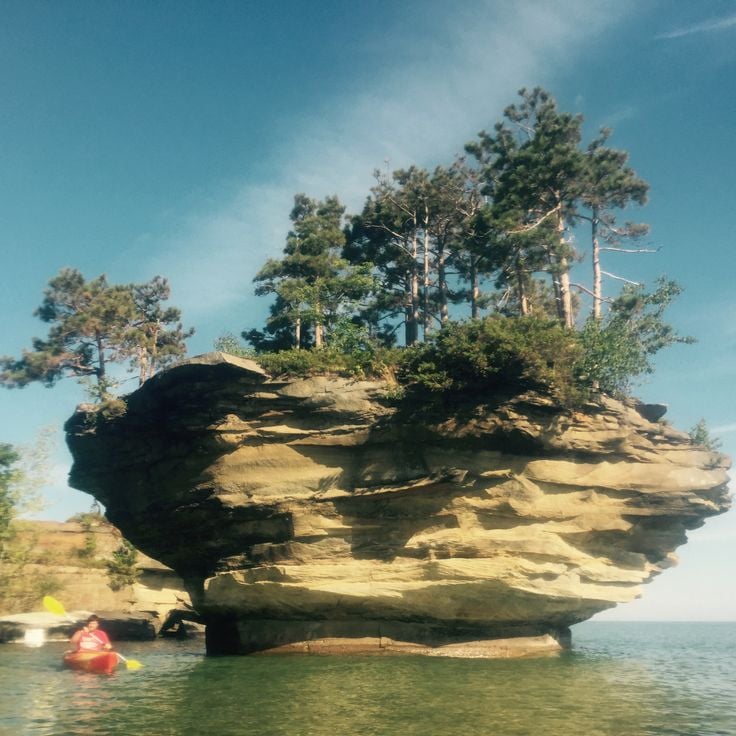
Port Austin, USA
This limestone rock offshore has developed a narrow base and a much wider top through water erosion, creating a shape that resembles a mushroom. Turnip Rock stands in the shallow waters of Lake Huron and is surrounded by private properties, so access is only possible from the water. The formation shows the geological processes that have been shaping the Great Lakes shoreline for thousands of years. Kayakers or boaters can view the rock structure up close, while the clear water of the lake reveals the lower base.
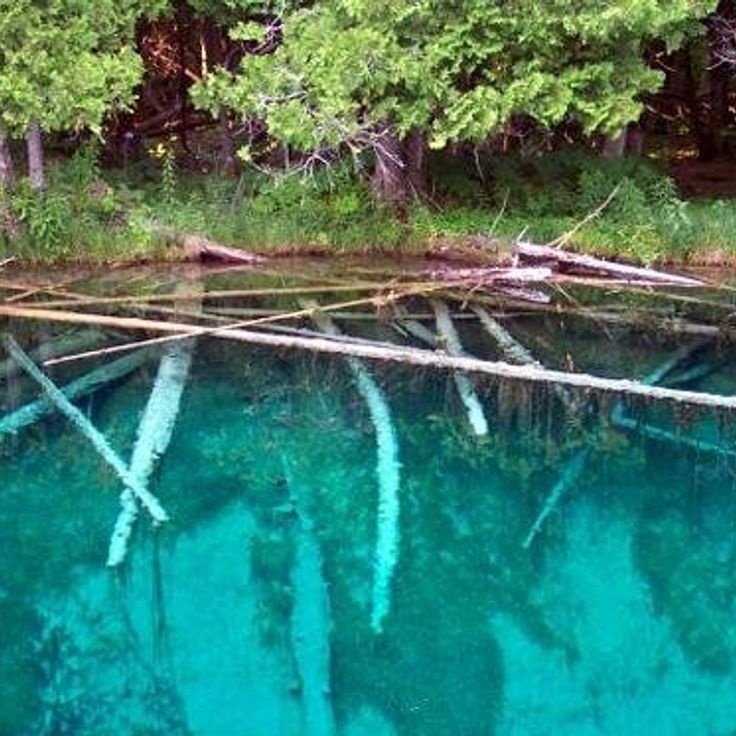
Manistique, USA
This spring near Manistique forms a deep pool with clear water that rises from underground throughout the year. The temperature stays constantly cool, and the flow never stops. Sunken trees and old deposits rest on the bottom, visible through the transparent water. A raft carries visitors across the surface, where they can look down into the depths. The water shimmers with a greenish tint, and small fish move between the submerged trunks. Forest surrounds the pool, enclosing it and offering shelter from the wind.
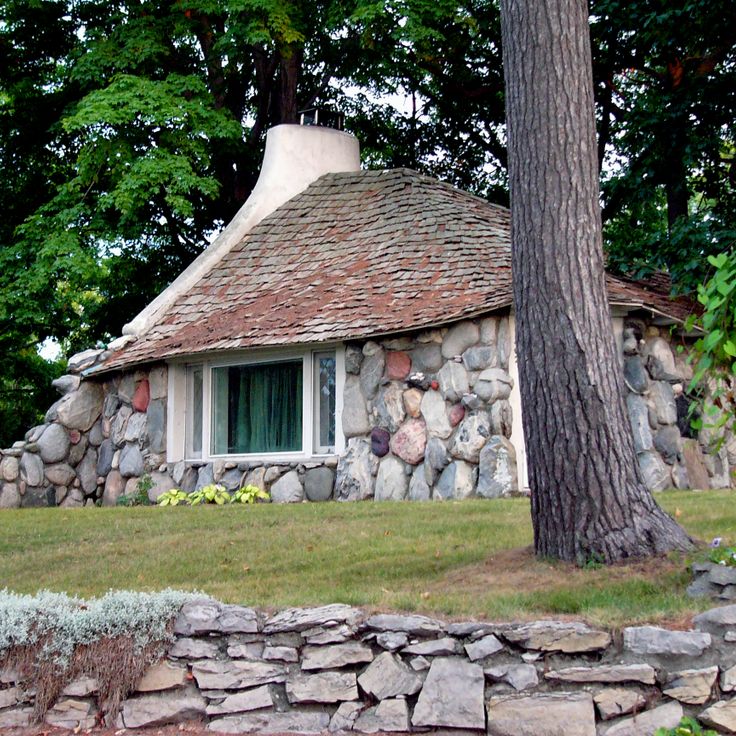
Charlevoix, USA
These stone structures from the 1930s in Charlevoix show curved roofs and rounded walls. Earl Young designed them using materials from the area. The houses stand as part of Michigan's natural and historic sites, where they document the development of regional architecture and fit into the local landscape through organic forms that echo the shoreline and forests.
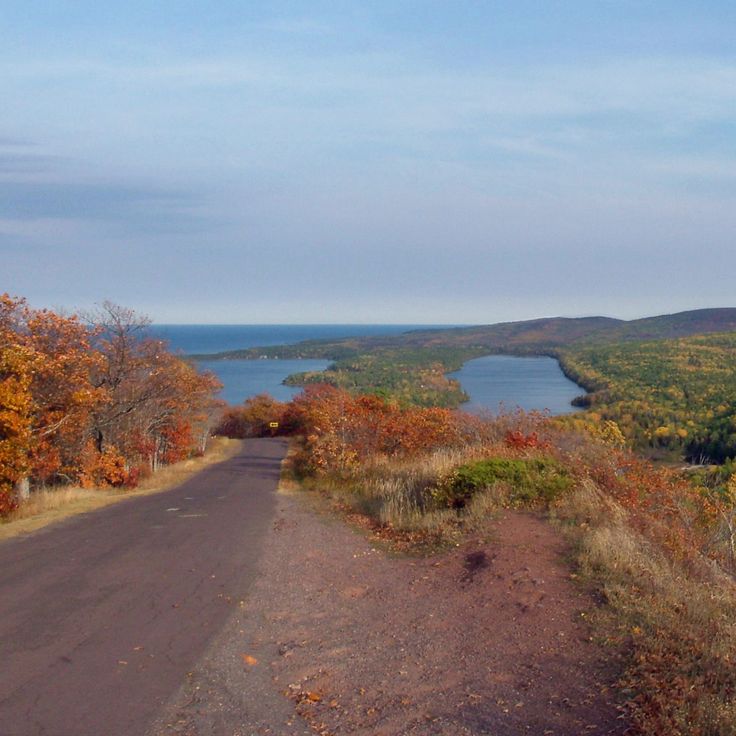
Copper Harbor, USA
This mountain road runs for about 9 miles along the spine of the Keweenaw Peninsula, climbing to roughly 1,300 feet (400 meters) above Lake Superior. The route follows the ridge of Brockway Mountain and offers several pull-offs where visitors can look out over the lake, the forested hills, and the fall colors when the leaves change. The road connects Copper Harbor to Eagle Harbor and forms part of Michigan's copper mining heritage landscape. In summer, travelers drive the winding stretch to take in the views, while the road typically closes during winter months.
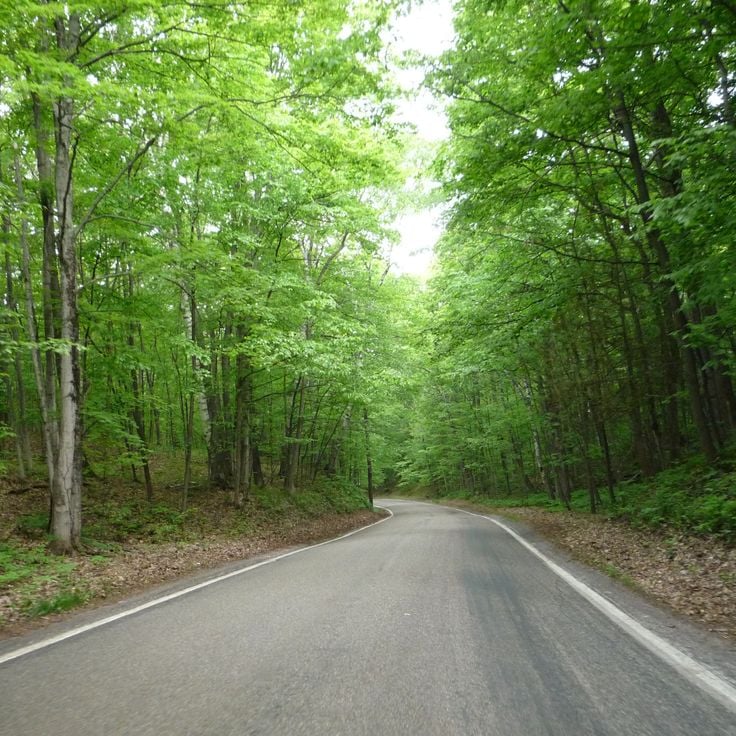
Harbor Springs, USA
This road runs for 20 miles through dense forest of maple, beech, and oak trees along the Lake Michigan shoreline. The route connects several small towns and follows the natural contours of the coast. In autumn the leaves turn red, orange, and yellow. The road winds through gentle hills and offers views of the water between the trees. Walking trails branch off and lead to beaches and lookout points.
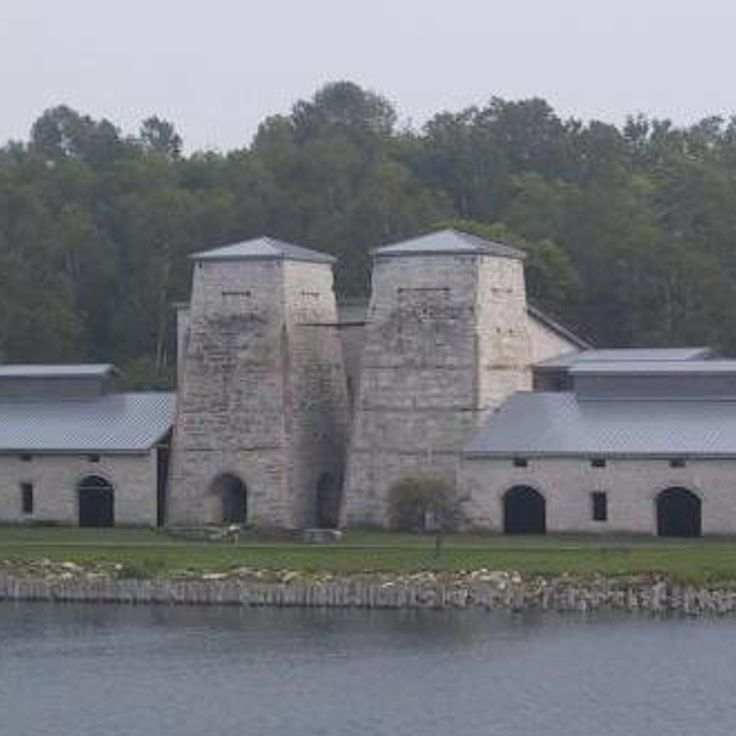
Garden Peninsula, USA
This state park sits on the Garden Peninsula and preserves the remains of an iron smelting operation from the 19th century. The site contains twenty buildings that show how iron ore was processed into pig iron. Visitors see blast furnaces, worker housing, and workshops that operated until the 1890s. The location documents Michigan's industrial past and overlooks the shores of Lake Michigan.
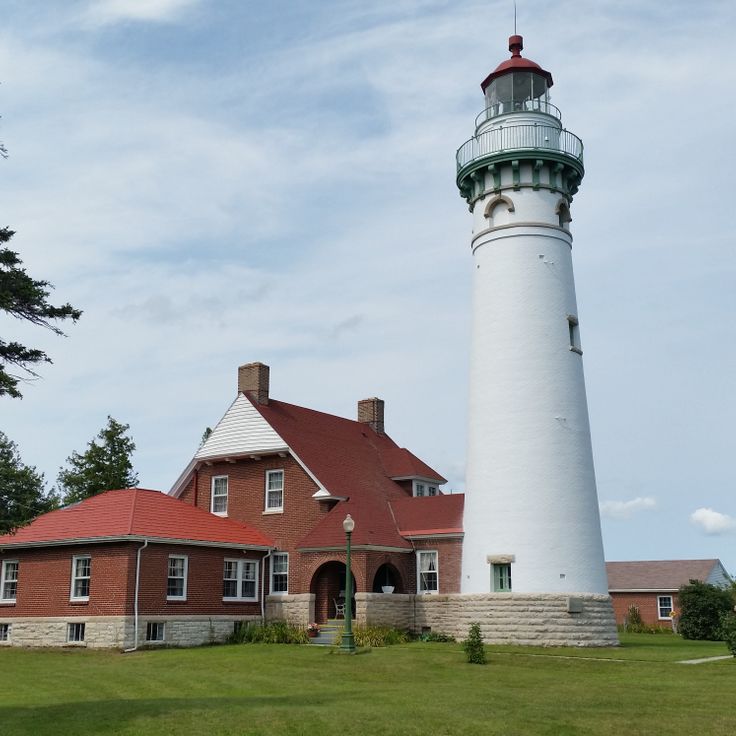
Gulliver, USA
This lighthouse was built in 1895 on a peninsula in Lake Michigan and offers views of the surrounding area. The structure documents Michigan's maritime history and shows how lighthouses once guided ships through the waters of the Great Lakes. The tower stands at an exposed location where wind and waves shape the shoreline. Visitors can explore the site and understand how lighthouse keepers worked and lived here. The coastline stretches far, with shallow water and pebble beaches nearby.

Detroit, United States
The Heidelberg Project occupies two city blocks in Detroit and presents art installations created from recycled materials in an open-air setting. Painted houses, decorated cars, and sculptural objects transform a former residential neighborhood into a walkable exhibition space. The works began appearing in the late 1980s and show how everyday items become artistic statements. Visitors can walk among the installations and experience an unconventional form of urban art that addresses social themes and urban renewal.
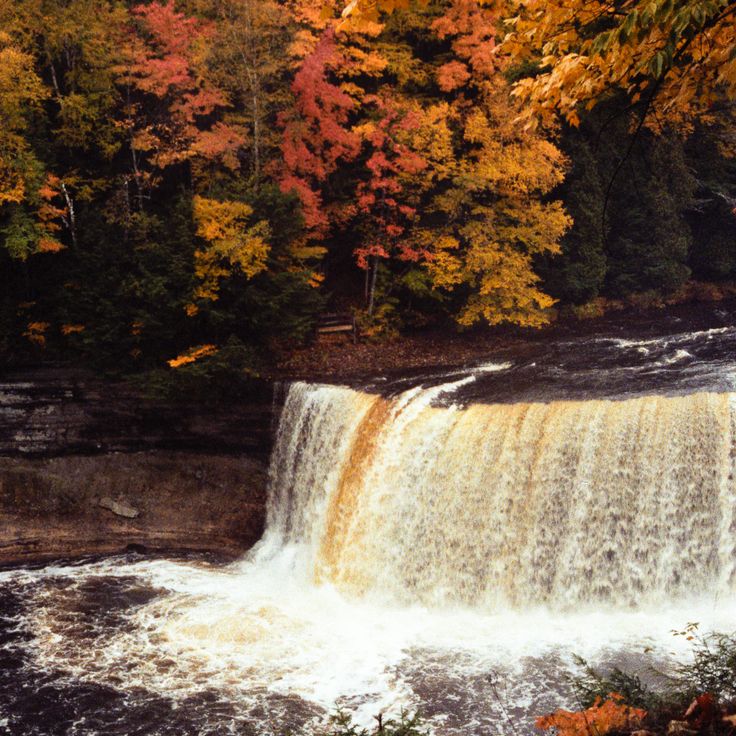
Paradise, Michigan, USA
This waterfall with amber-colored water sits in the forests of Michigan and is part of the state's natural sites. The water drops 50 feet and spans 200 feet wide. The color comes from tannins in the cedar swamps upstream. The river cuts through thick woods, and the sound carries from a distance. Trails lead to different viewpoints where visitors watch the falling water. In winter, parts of the water freeze and form ice shapes. The area around it consists of old-growth trees and wet marshlands where animals live. People follow the paths along the river and stop at platforms to look at the falls.
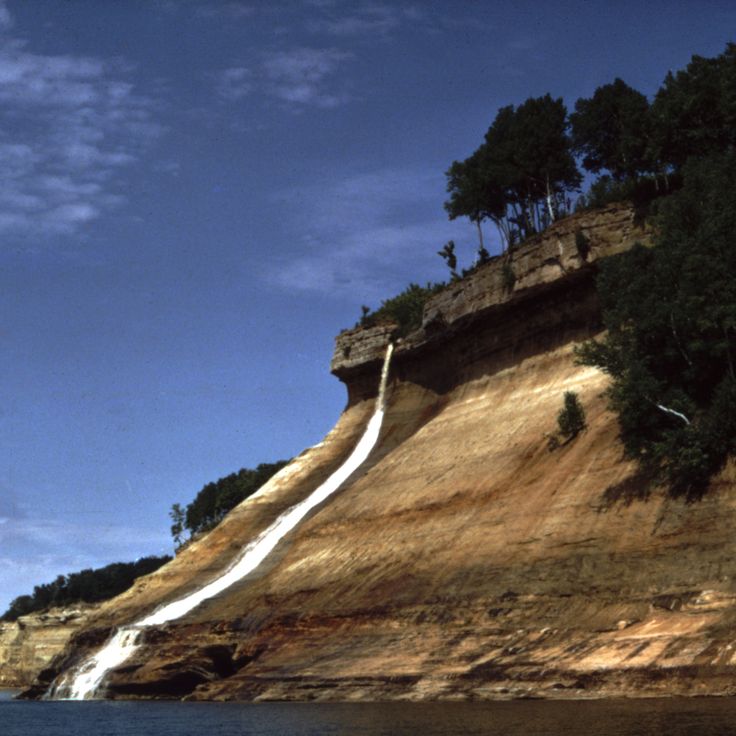
Munising, Michigan, USA
This shoreline shows colored sandstone cliffs above Lake Superior. Minerals create red, orange, and green colors on the rock faces that run for about 12 miles (19 kilometers). Waterfalls flow over steep walls into the clear water, while coves and beaches sit between the tall rocks. Waves shape small caves and arches in the soft stone. Pines and spruces grow on the cliffs, and narrow trails run along the coast to different overlooks above the water.
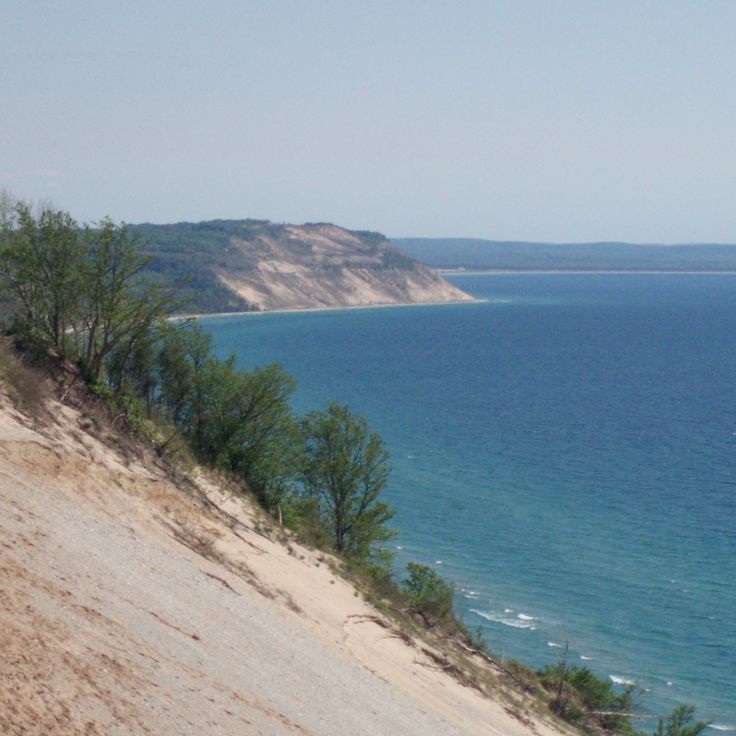
Empire, Michigan, USA
This shoreline rises above the waters of Lake Michigan, extending along the coast for miles. Sandy hills slope down to the water, while forested sections alternate with open beaches. Two islands rest offshore. Trails lead through woods and over dunes, opening views across the lake. The area shows how wind and water have shaped the land over centuries, and forms part of Michigan's natural and historic sites.
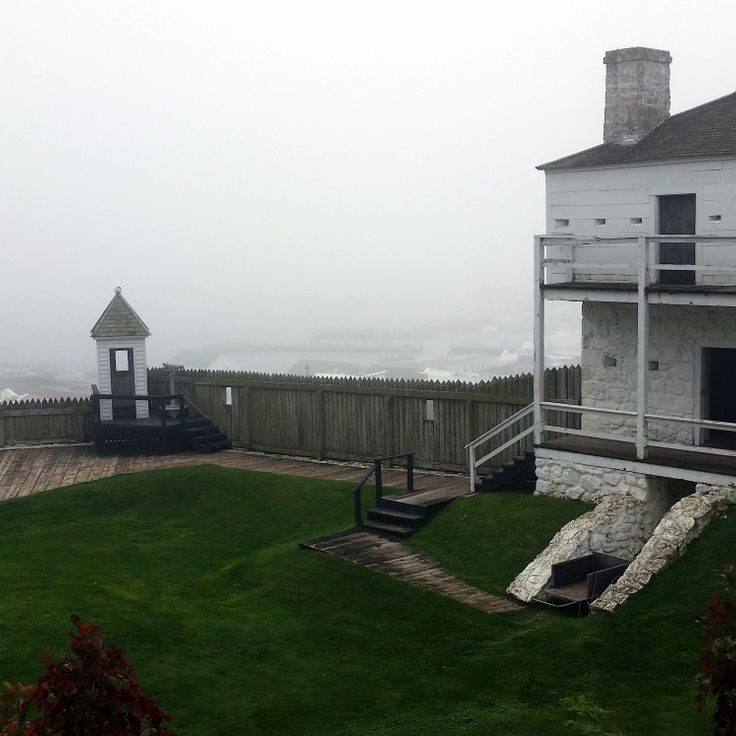
Mackinac Island, Michigan, USA
This fort dates from 1780 and shows the life of soldiers during the colonial period. Historic buildings stand within the wooden palisades, including barracks, storehouses, and the officers' quarters. During summer months, interpreters in uniform perform musket drills and fire cannons from the batteries. The exhibits explain British and American military history in the region, including battles for control of the Great Lakes. From the ramparts, you can see the Straits of Mackinac and the surrounding islands. Fort Mackinac documents the strategic importance of this location in the 18th and 19th centuries.
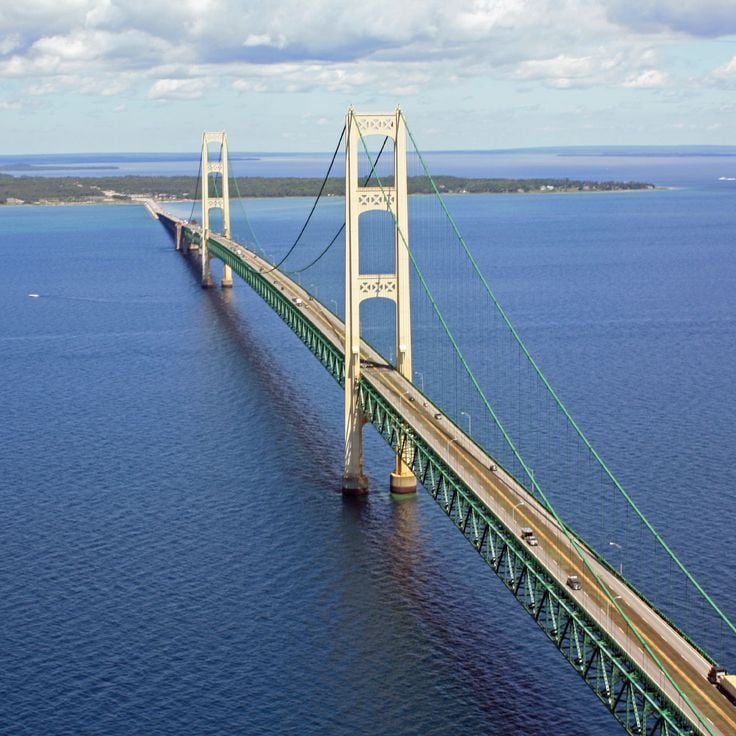
Mackinaw City-St. Ignace, USA
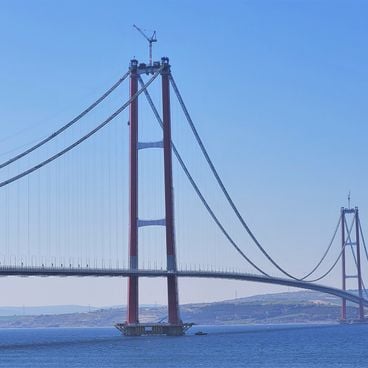
The Mackinac Bridge connects the Lower and Upper Peninsulas of Michigan across the Straits of Mackinac. This suspension bridge extends over five miles (eight kilometers) and stands roughly 200 feet (60 meters) above the water. Construction began in 1954 and finished in 1957. The bridge carries a multi-lane road and offers open views of Lake Huron and Lake Michigan. On windy days, the movement of the structure is noticeable. The towers rise about 550 feet (170 meters) into the air. The bridge shortens the journey between the two peninsulas considerably and allows direct access to the northern forests and shores of Michigan.
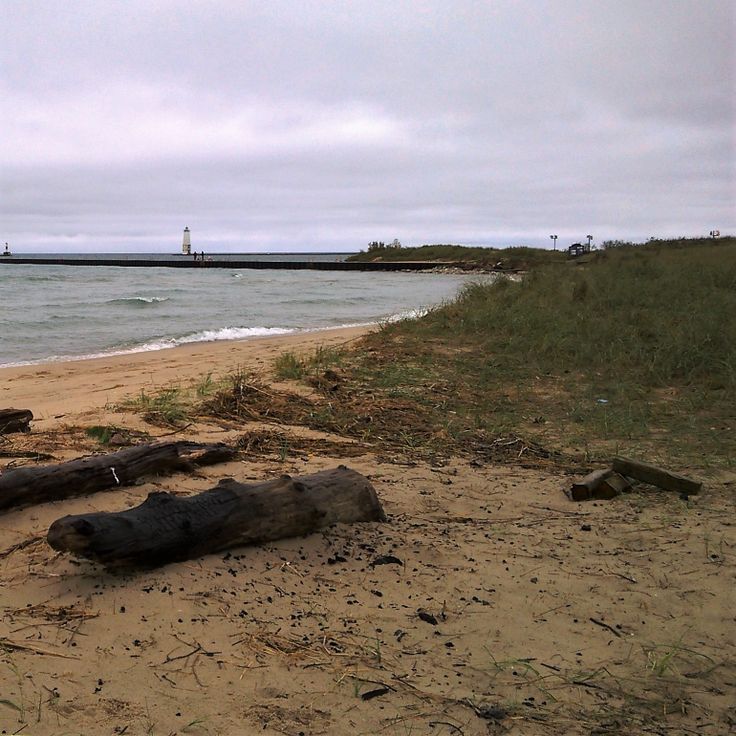
Elberta, USA
This sandy beach sits on the shore of Lake Michigan and offers direct access to the water. Elberta Beach draws visitors who want to spend quiet evenings by the lake. The sand stretches along the coast, and the clear water invites swimming. Many come here to watch the sunset over the lake. The beach is part of Michigan's natural shoreline, where dunes and gentle shores shape the surroundings.
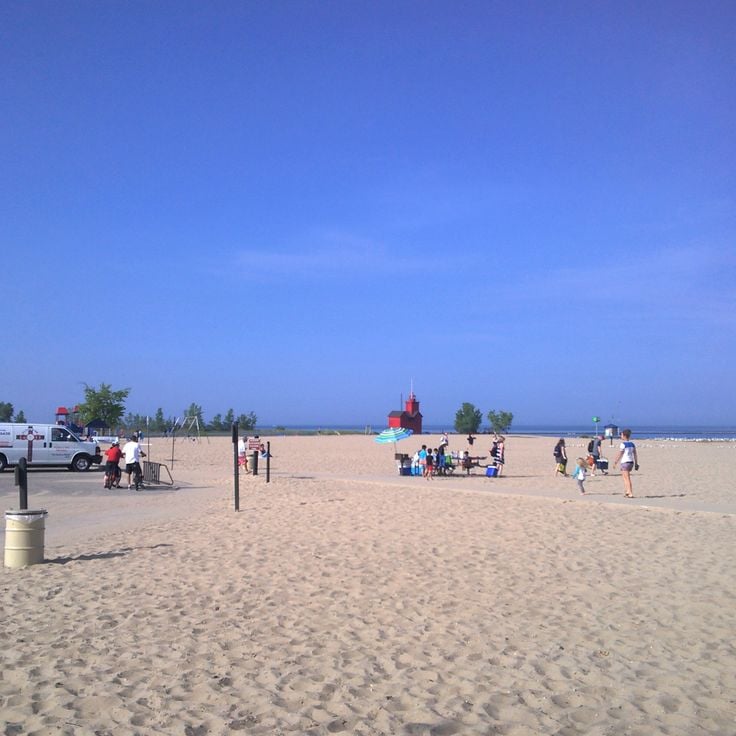
Holland, USA
This beach offers wide stretches of sand along the shore of Lake Michigan, where waves roll gently against the fine grains. The red lighthouse marks the harbor entrance and has guided boats since the 19th century. Visitors come here to swim in the clear water during summer or walk along the dunes. Families spread blankets, children build sandcastles, and at sunset people gather by the water. The park connects Michigan's dune landscape with the historical maritime heritage of the region.
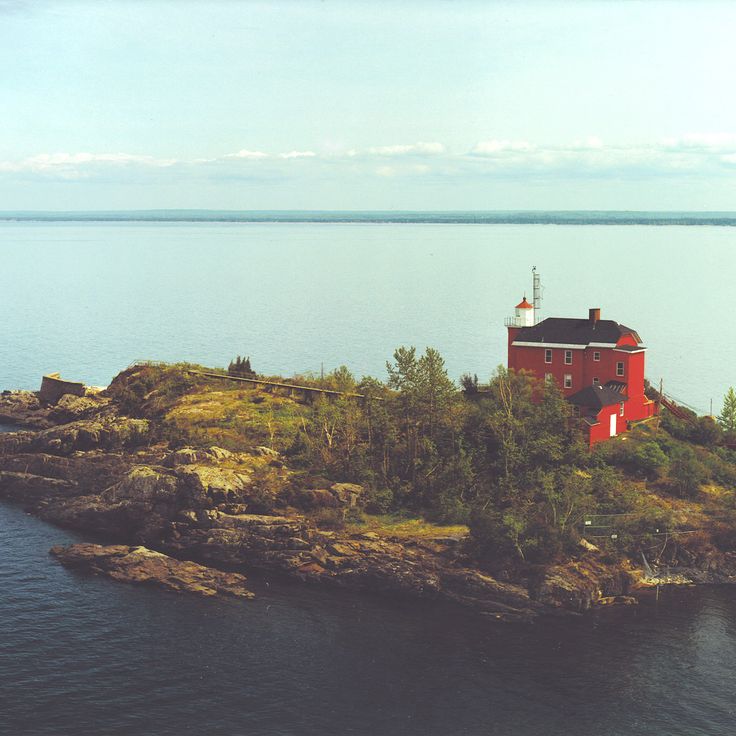
Marquette, USA
This lighthouse stands on the shore of Lake Superior in Marquette and shows the maritime history of the region. The red and white building has served as a guide for ships since the nineteenth century. Visitors can walk along the coast and watch the lake as waves break against the rocks. The tower rises above the water and offers a wide view of the surroundings. Inside, exhibits document the lives of lighthouse keepers and the development of shipping on the lake. The location makes the Marquette Harbor Lighthouse an example of Michigan's natural and historic sites.
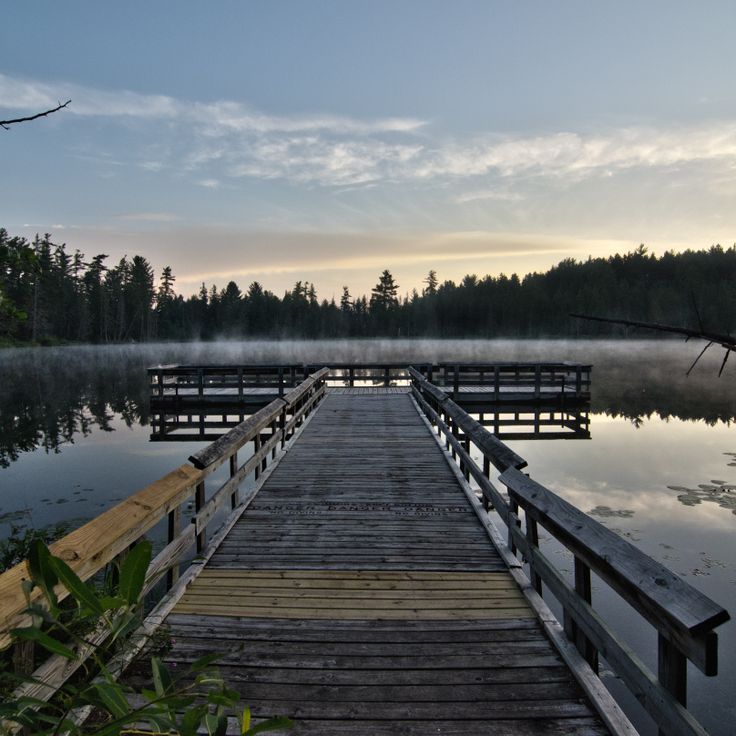
Grayling, Michigan, USA
This state park protects one of the few remaining old growth white pine forests in Michigan. Tall trees form a dense canopy that shades the forest floor. Soft needles cover the paths, and the air smells of resin. A museum inside the park displays tools, photographs, and objects from the time when loggers worked here. Old saws, axes, and wooden carts stand next to panels explaining how trees were cut and transported to mills. Visitors can walk through the forest and see the size of the pines that have been growing for centuries. The park sits in a quiet area with little development, surrounded by younger forests and lakes.
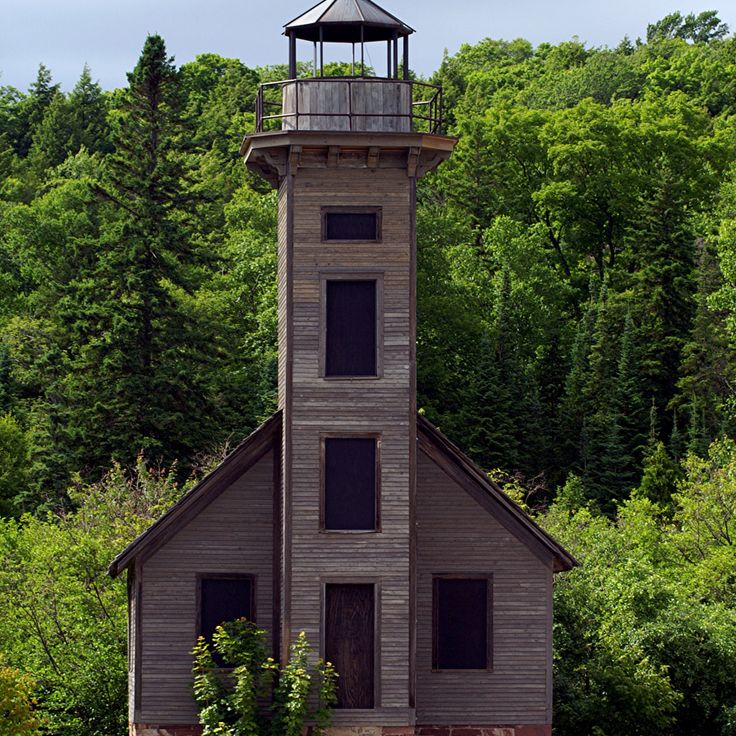
Munising, Michigan, USA
This historic lighthouse from 1868 stands on the shore of Lake Superior and draws photographers throughout the year. The building marks the east channel of Grand Island, a forested island off the coast of Munising. The square sandstone tower rises directly from the water, where waves break against the rocks. The light was originally installed to guide ships through the narrow passage between the island and the mainland. The structure documents Michigan's maritime history, when cargo vessels traveled through these waters. The lighthouse stands alone on the coast, surrounded by forest and rock formations, and offers views across the lake.
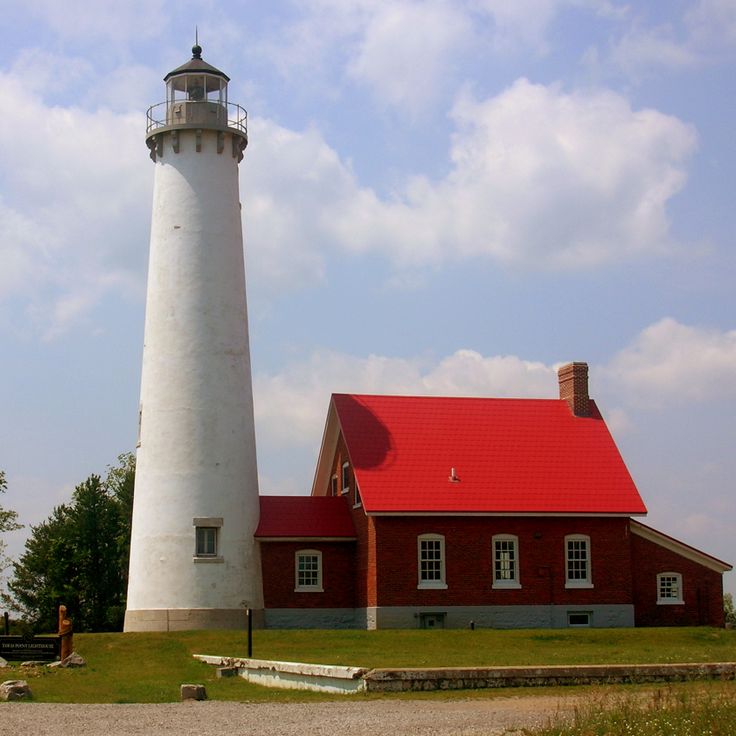
East Tawas, Michigan, USA
This lighthouse from 1876 continues to guide navigation and opens its restored keeper's quarters to visitors. The site displays maritime equipment and preserves practical objects from times of active operation. Visitors can climb the spiral staircase and enjoy views across Tawas Bay while exhibits document the lives of lighthouse keepers and their daily duties.
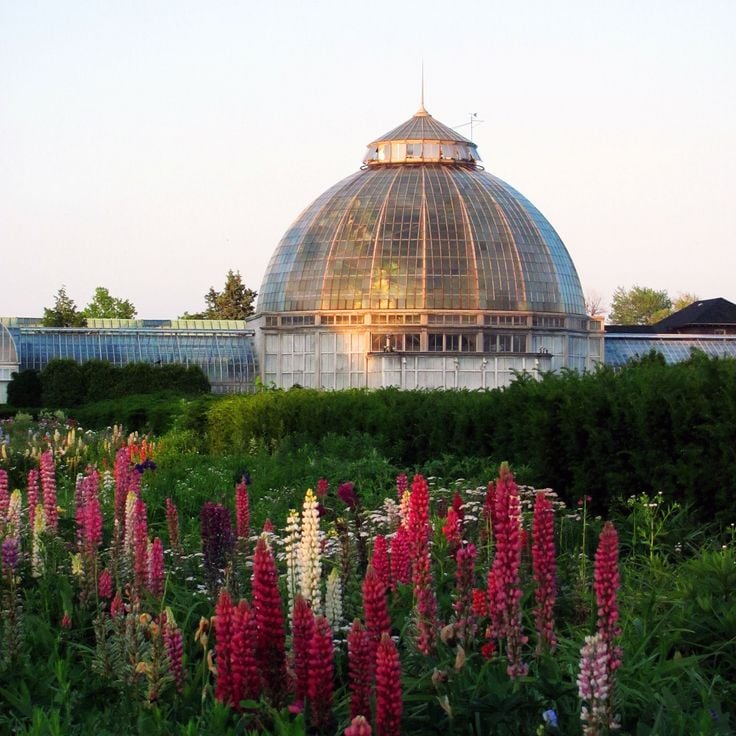
Detroit, Michigan, USA
This glass conservatory opened in 1904 and displays palms, cacti, ferns and tropical plants across about 4,000 square feet (370 square meters). The collection is part of Michigan's historic and natural sites and sits on Belle Isle in Detroit. The structure follows traditional Victorian greenhouse design with metal frames and glass walls. Visitors find an arrangement of different climate zones that house plants from warm regions of the earth, including specimens from deserts and rainforests.
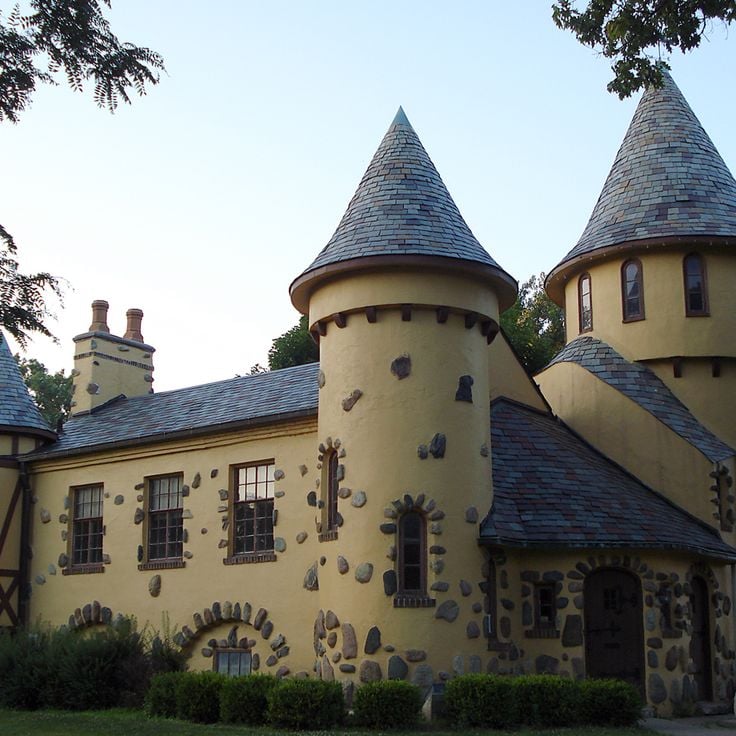
Owosso, USA
Curwood Castle is a stone structure built to resemble a medieval castle along the riverfront in Owosso. Author James Oliver Curwood used this building as his writing studio from 1923 until 1927. The construction features turrets, pointed arch windows, and decorative battlements. Inside, furnishings and memorabilia from the writer's era remain on display. The building now operates as a museum, documenting the life and work of Curwood, who became known for his adventure novels set in the Canadian wilderness.
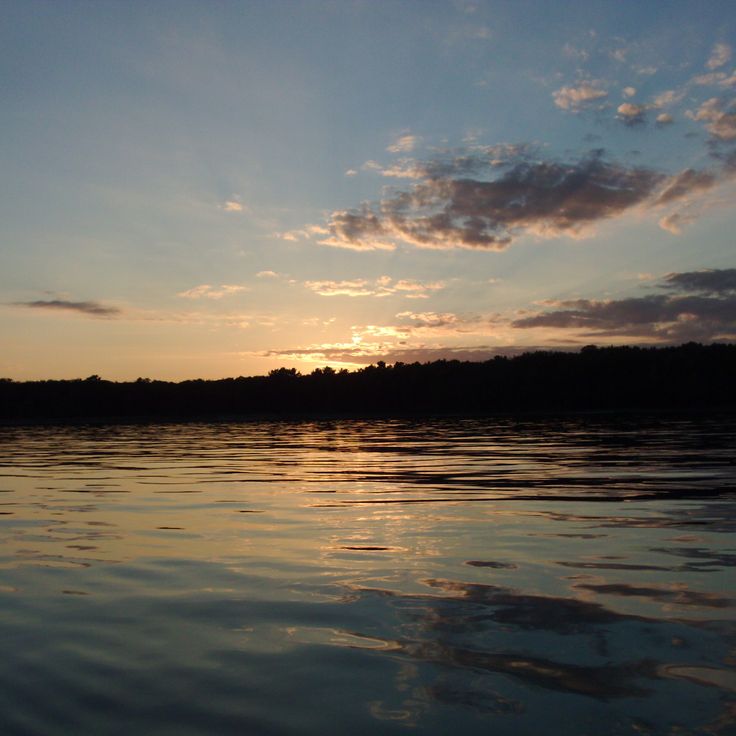
Alpena, USA
This park along the Lake Huron coast preserves dense forest and quiet sand beaches. The trails wind through old stands of trees and open onto views of the water. Birds move through the underbrush while the shore slopes gently into the lake. The place draws hikers looking for solitude in a landscape that sees few visitors.
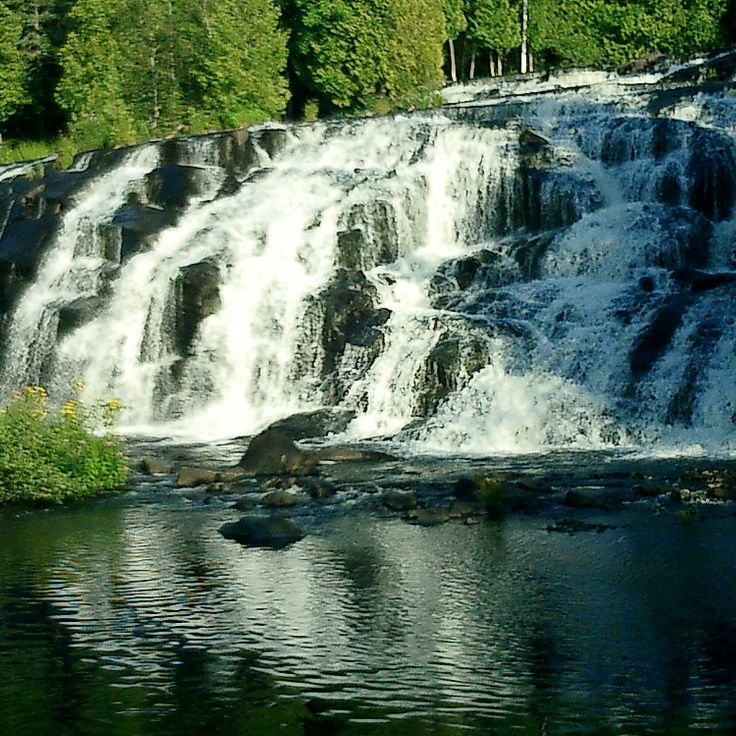
Paulding, USA
This waterfall drops 50 feet through multiple rock ledges and offers a continuous display of moving water. A wooden boardwalk follows the shoreline and allows different views of the rapids. The water divides over the stone layers and creates changing patterns. The surroundings consist of dense forest that shifts color in autumn. Bond Falls is among Michigan's waterfalls that document geological processes and natural erosion. Access is easy and leads through wooded terrain to the riverbank.
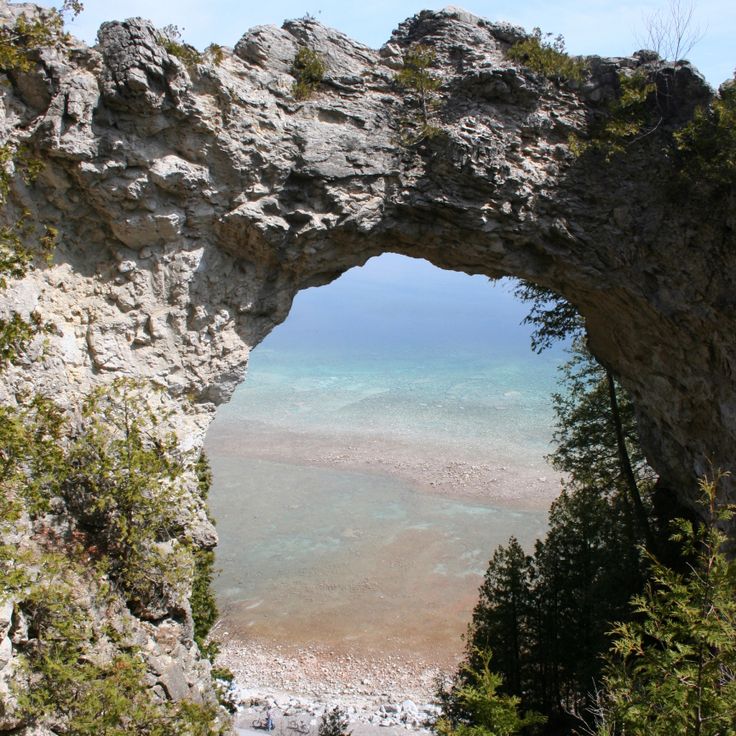
Mackinac Island, USA
This limestone arch rises 150 feet above Lake Huron water level and formed through erosion over thousands of years. The geological formation stands on a cliff and offers views over open water. Visitors reach the site through paths in the woods, where the arch opens at the edge of the rock face. This site shows the natural history of Michigan through its visible rock layers and its location along the island's coast.
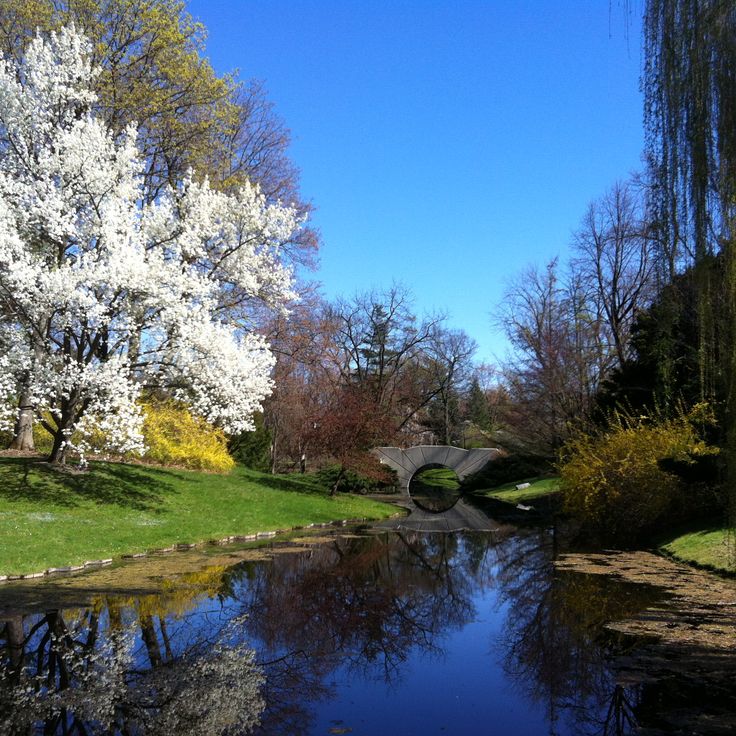
Midland, USA
Dow Gardens is a botanical site in Midland covering about 110 acres. This Michigan collection offers paths through different plant arrangements, including beds with native and introduced species. Greenhouses display tropical and subtropical vegetation. A raised walkway leads through tree canopies and provides views into upper vegetation layers. The gardens were established in the mid-20th century and show different design approaches, from formal sections to natural areas with ponds and streams. In spring, bulbs and shrubs bloom, while summer brings perennials and annuals into flower. Autumn foliage appears on deciduous trees, and the structure of the gardens remains visible in winter. The paths connect different sections and run through open meadows, dense plantings, and along water features, so visitors can experience the botanical variety of this Michigan site.
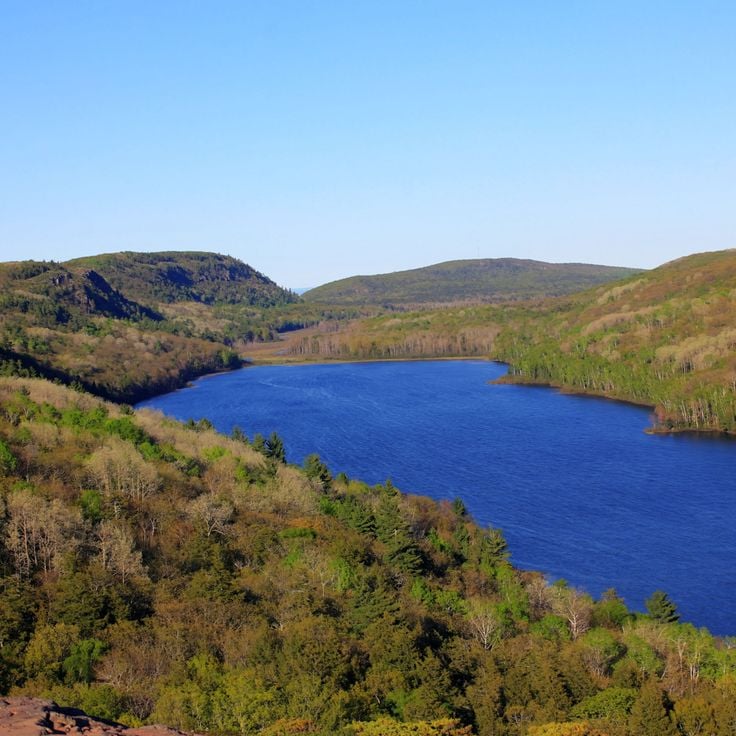
Ontonagon, USA
This park covers roughly 60000 acres of natural reserve where old forests have grown undisturbed for centuries. The place offers a network of hiking trails that lead through dense stands of trees and a stretch of Lake Superior shoreline extending about 35 kilometers. You can walk through quiet woods where maple and hemlock filter the light, or along the shore of the lake where rocks and pebble beaches meet the water. In autumn the leaves turn red and yellow, and in winter snow covers the hills. The landscape is hilly, with small waterfalls and streams running through the terrain. The area is quiet and open, with few settlements nearby.
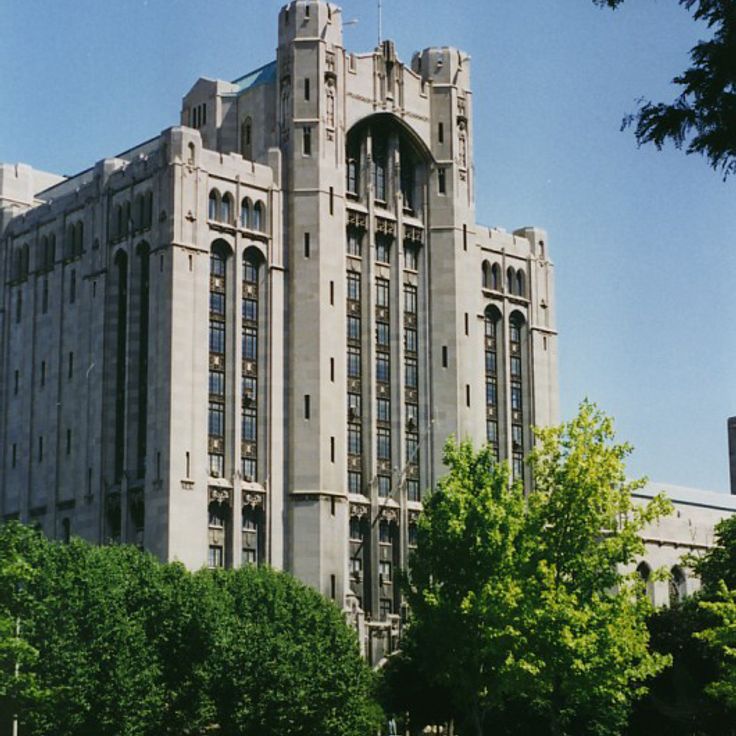
Detroit, USA
This building from 1926 rises over 14 floors and contains theaters, event spaces, and more than a thousand rooms. The Gothic arches, towers, and ornaments shape the skyline of Detroit. Inside, corridors lead through halls with wood paneling, stained glass windows, and handcrafted details. The structure has served as a venue for concerts, ceremonies, and public gatherings for nearly a century. The architecture combines medieval motifs with the needs of a modern city. Visitors enter rooms of different sizes, from small meeting halls to large theaters. Stone facades, wrought iron railings, and ceiling paintings document the building craft of the 1920s. The complex belongs to the historical structures of Michigan and shows the industrial development of the region.
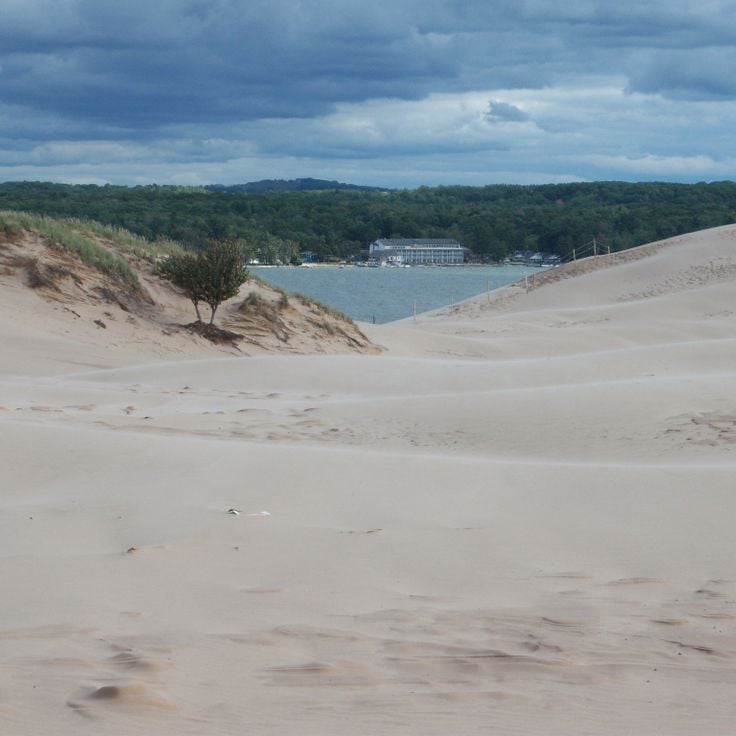
Mears, USA
This dune landscape stretches between Lake Michigan and Silver Lake, offering around 2000 acres of shifting sand hills. The dunes at Silver Lake Sand Dunes rise from the shoreline and form an open desert terrain inland. Some areas allow vehicles, while other sections remain reserved for foot traffic. The sand moves with wind and season, reshaping the surface constantly. Visitors can climb the dunes or walk along the water's edge, where the sand becomes firmer.
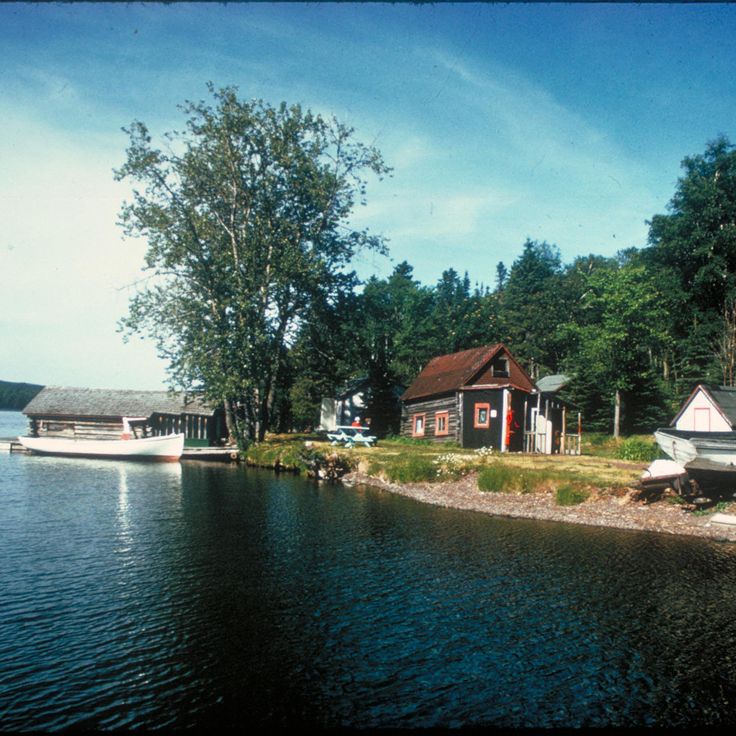
Houghton, USA
This island reserve offers trails through conifer forests, past lakes and ridgelines where wolves and moose roam. The paths lead through remote areas where visitors can spend days without encountering other people. Old trees line the shores while narrow bays cut inland, giving paddlers access to calm waters. The climate shapes a raw landscape that changes sharply with the seasons and often becomes unreachable in winter.
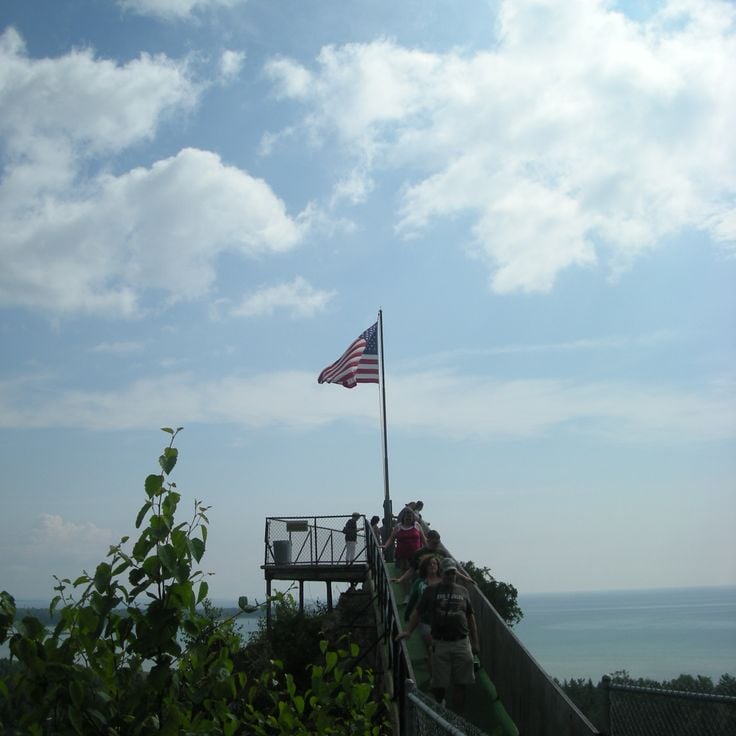
St. Ignace, USA
Castle Rock consists of limestone and rises 60 meters (200 feet) above Lake Huron. From the top, visitors see the Mackinac Bridge, the Straits of Mackinac, and forested hills. A wooden stairway leads to the summit. The rock formed through deposits in a prehistoric sea, and erosion shaped its present form. The area was a sacred place for indigenous communities. From the viewing point, the view extends across water, islands, and the surrounding Michigan landscape.
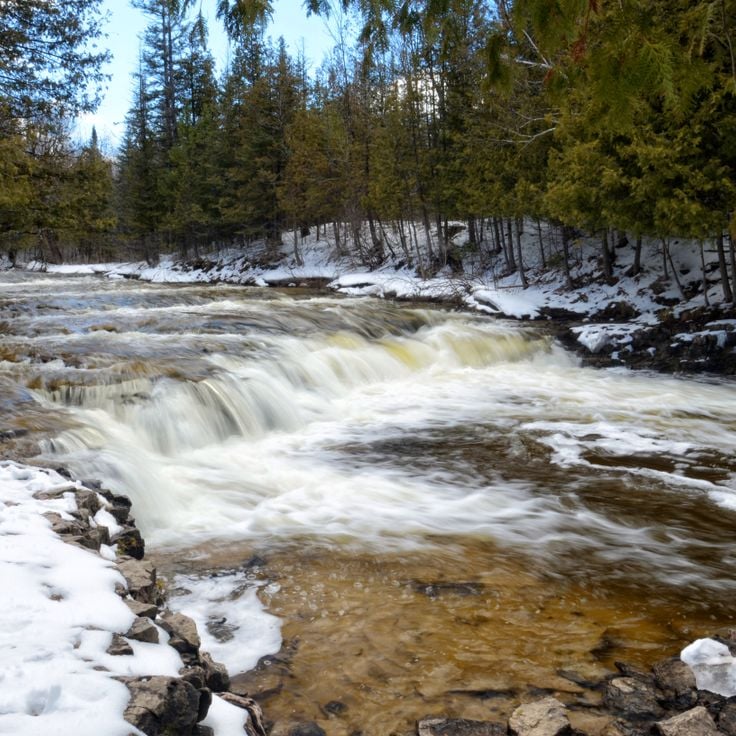
Presque Isle County, USA
This waterfall, located in the wooded areas of northern Michigan, forms a system of four steps that flow over rocks into the valley below. The current shapes natural pools where visitors swim during warm months. Trails wind through forests of maple and pine trees that change color in autumn. The water drops over several levels of sedimentary rock shaped by thousands of years of erosion. In winter, the cascades freeze and create formations of ice. The site shows typical features of northern Michigan landscapes, with rivers that once served as transportation routes during the logging era.
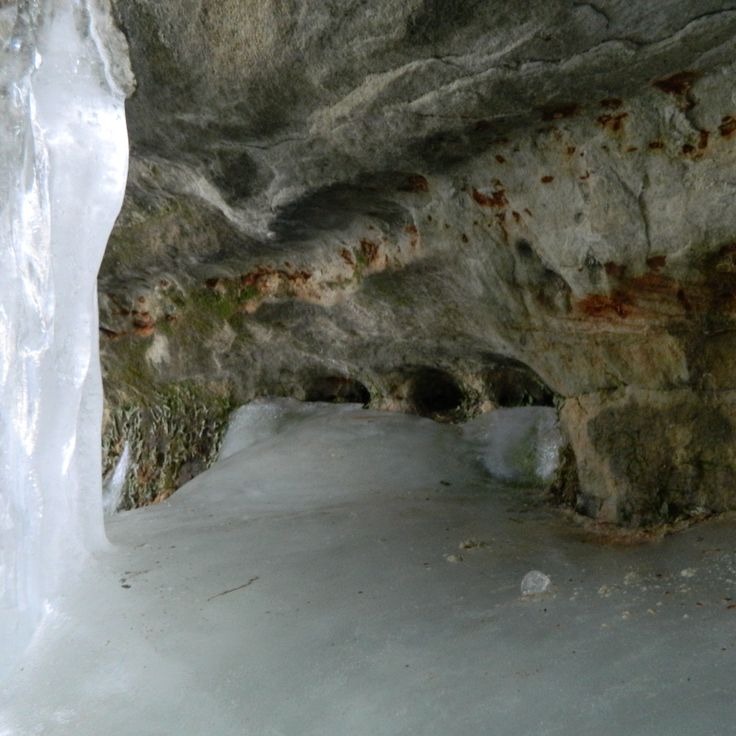
Eben Junction, USA
The ice caves form when water streams flow over sandstone cliffs and freeze into ice columns during winter. This natural formation in Michigan shows how temperature and rock create a temporary display that rebuilds each year and draws visitors during the cold months.
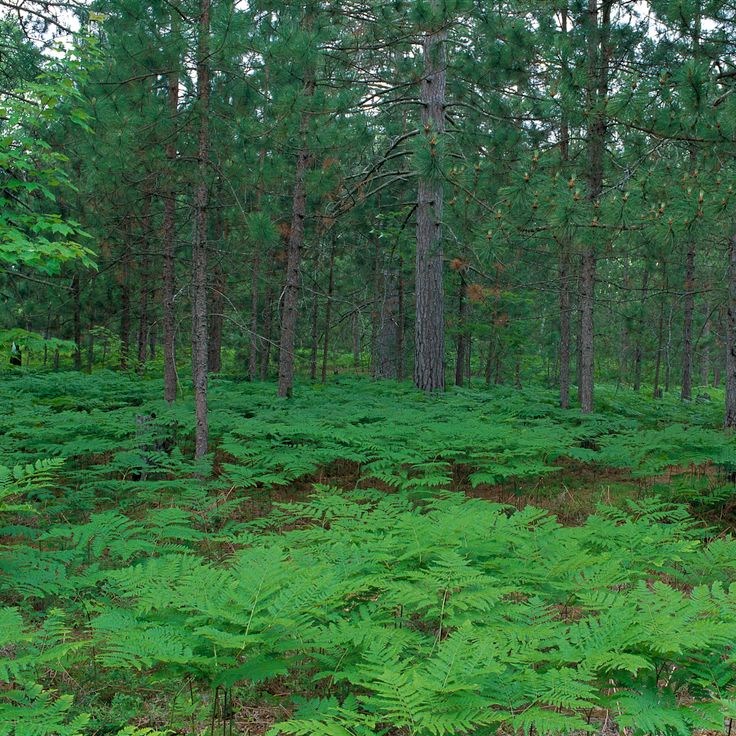
Seney, USA
The Seney National Wildlife Refuge spreads across wetlands that shelter migratory birds, beavers, and occasional moose. Walking paths lead through pine forests and open marshes where cranes gather in spring and fall. Observation points along the route offer views of ponds and channels, while wooden boardwalks cross wet sections. The landscape remains quiet and open, with few visitors even during peak season.
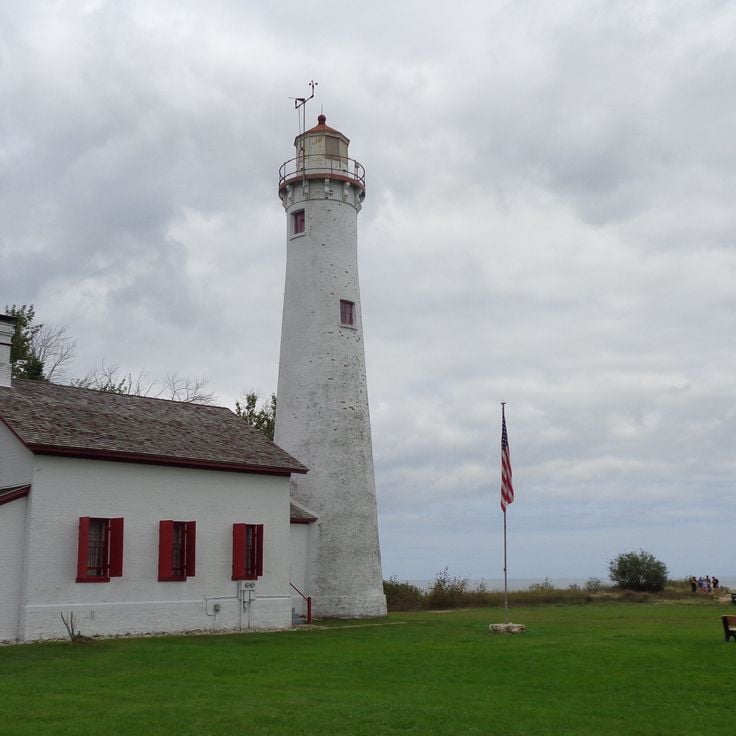
Harrisville, USA
This lighthouse was built in 1869 on the shore of Lake Huron and now serves as a museum with maritime exhibits. The tower stands on a sandy stretch of coast where the water runs shallow and clear. Inside the museum you find navigation instruments, old photographs, and objects from the time when keepers still lived here. The site includes the main brick building, the white tower, and a few outbuildings. From the top there is a wide view over the lake and the forested shoreline. On calm days the light reflects in the water, while during storms the waves crash against the shore. Sturgeon Point Lighthouse is an example of the beacons that once guided ships across the Great Lakes.
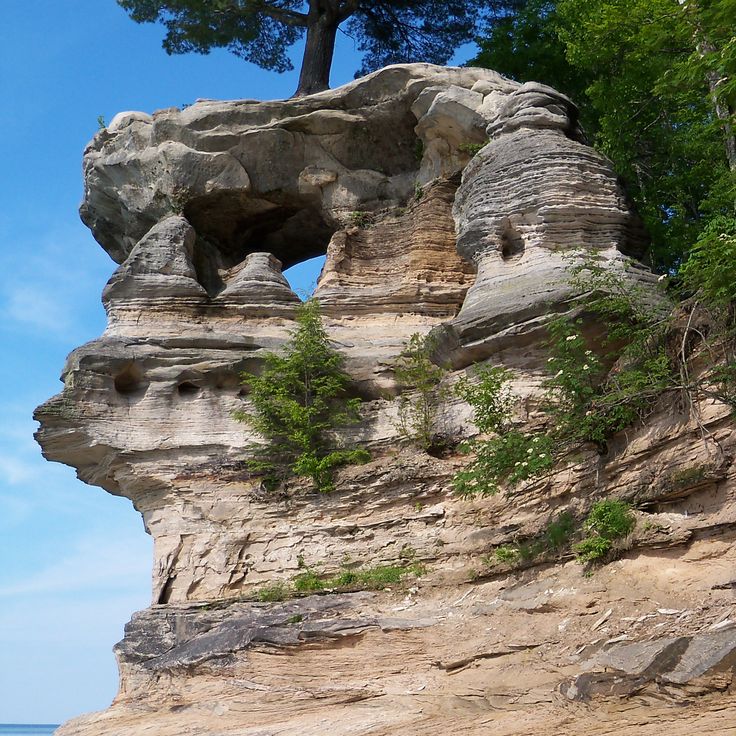
Pictured Rocks National Lakeshore, USA
This freestanding rock carries a single tree on its top and stands near a sand beach on the shore of Lake Superior. The formation belongs to the geological features of Michigan and shows how erosion and weather have shaped rock and coastline over centuries. The tree roots itself in the stone and connects through exposed roots to the nearby mainland. Visitors reach this spot through a forest trail that passes through old growth woods. The clear water of the lake surrounds the rock formation and creates a contrast between the dark stone and the light sand of the beach.
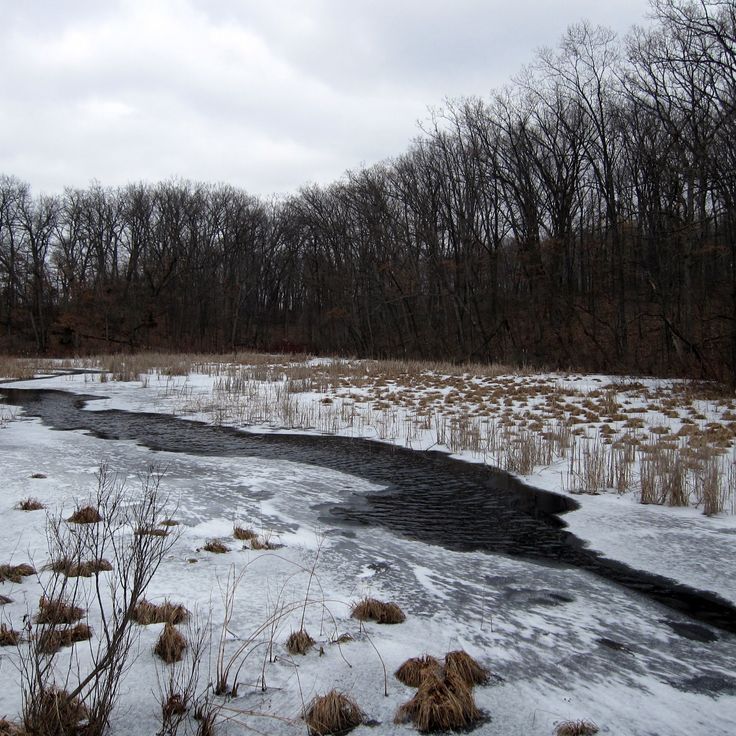
Pinckney, USA
This recreation area spreads northwest of Ann Arbor, covering forested hills and several lakes. The landscape shows gentle slopes formed during the Ice Age. Trails wind through hardwood forests of oak and maple, passing quiet waters where anglers cast their lines. In summer, families use the shorelines for swimming and picnicking. Campsites sit among the trees, and in the evening you hear campfires crackling. During fall, leaves turn red and yellow, and the paths become quieter. Boaters explore the lakes with canoes or kayaks. The area draws people looking to step away from city life and spend a few hours or days outdoors.
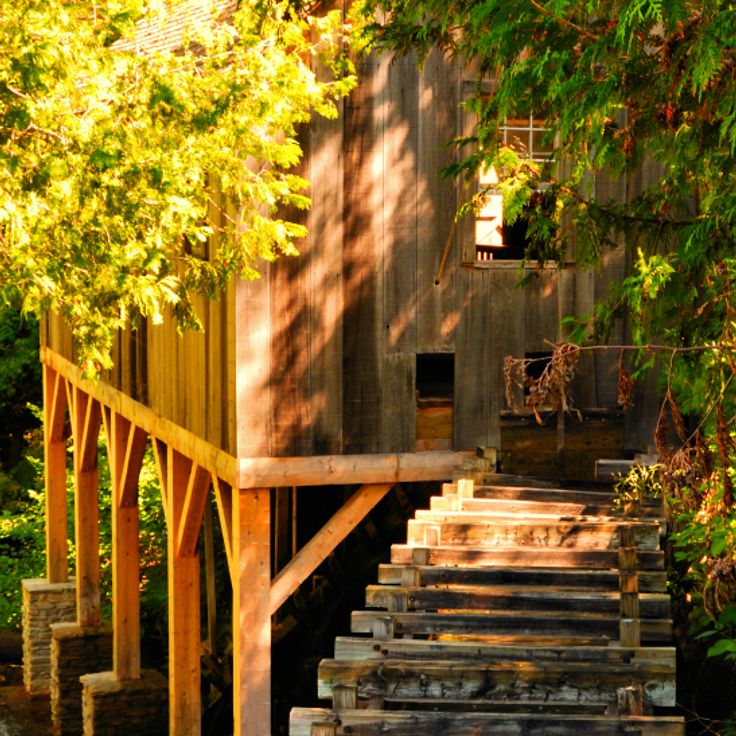
Mackinaw City, USA
This reconstruction of a 1790 sawmill demonstrates an early industrial site with historical wood processing demonstrations. The property sits near the Straits of Mackinac and provides an insight into the beginnings of Michigan's timber economy. Visitors can see how workers cut wood using water-powered machinery and how products moved along waterways. The grounds connect industrial history with forests and walking trails along the creek.
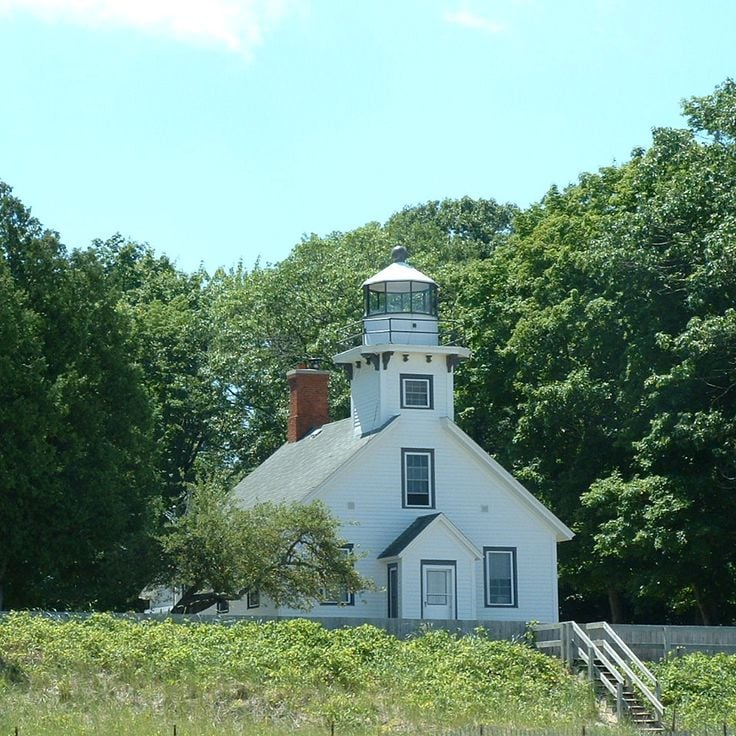
Traverse City, USA
This lighthouse marks the tip of a peninsula on Grand Traverse Bay and sits at the 45th parallel. The station was built in 1870 when shipping traffic increased on the Great Lakes. The white tower and the keeper's house beside it are made of wood and surrounded by water. Visitors come here to look across the bay and learn how historical lighthouses worked. The site sits in a quiet area where water meets rock.
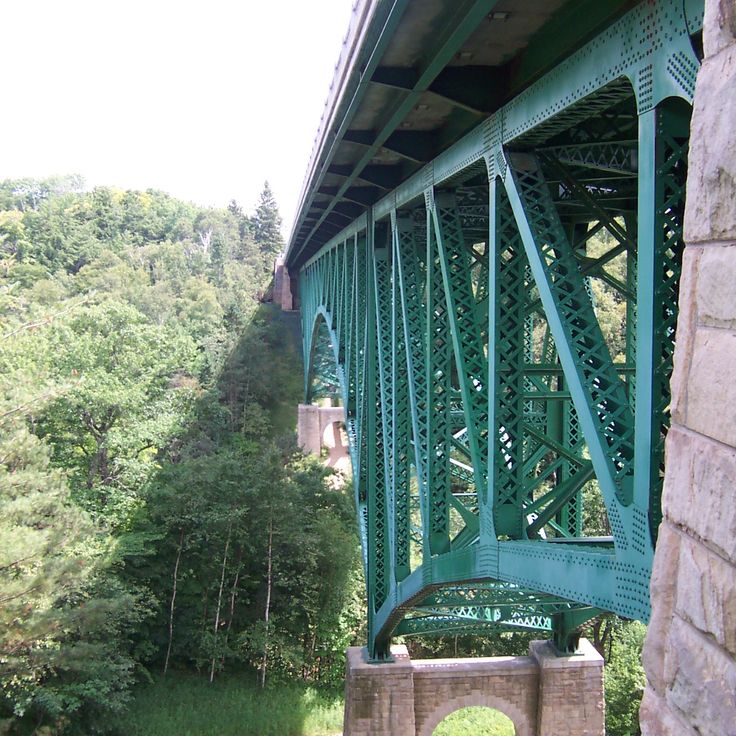
Mackinac County, USA
This steel bridge spans a 147-meter (482-foot) gorge in northern Michigan and connects forested banks above the Cut River. Pedestrian walkways lead to the edges of the bridge, from which you can look down at the river and out toward Lake Michigan. The structure was built in the early 1900s to replace an older timber bridge. A small parking area at the edge of the bridge provides access to short trails that descend into the gorge, where pines and birch grow on steep slopes. In summer, cool winds from the lake reach the area, while autumn brings changing colors to the tree canopy.
Montague, United States
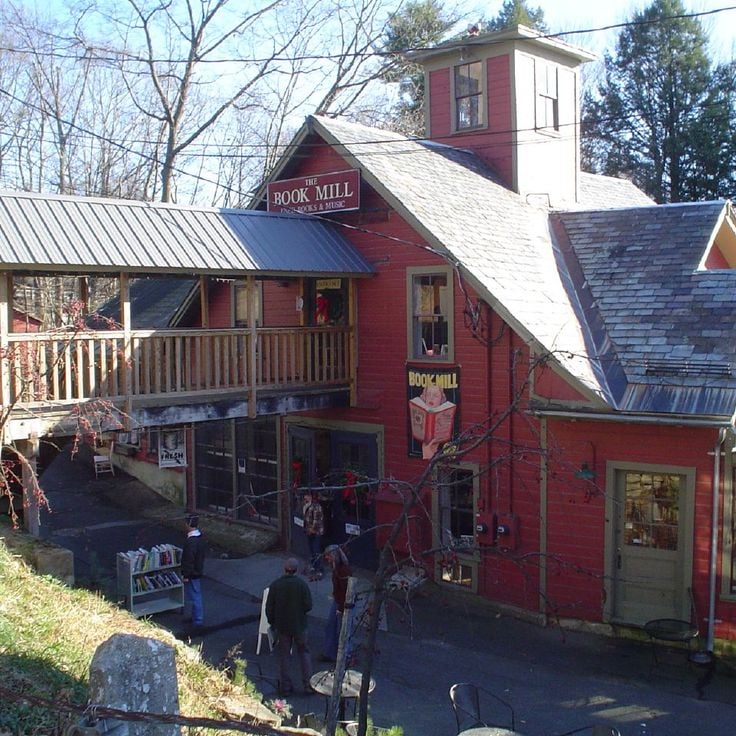
This former grain mill from 1842 sits along Sawmill River and now holds bookstores with used books and reading spaces. The wooden building spans several floors, and large windows let light fall on the shelves. You can browse among the books, sit by the river, or read in the adjoining rooms. The waterfall beside the building can still be heard. The atmosphere is quiet, with creaking wooden floors and the smell of old books. Montague Bookmill connects Michigan's industrial past with a gathering place for readers today.