See the monuments around you in AROpen chests in the app
Around Us is built for your phone — point your camera at the streets and discover the monuments and places around you in augmented reality.Around Us is built for your phone — chests unlock when you walk, explore and capture nearby places.
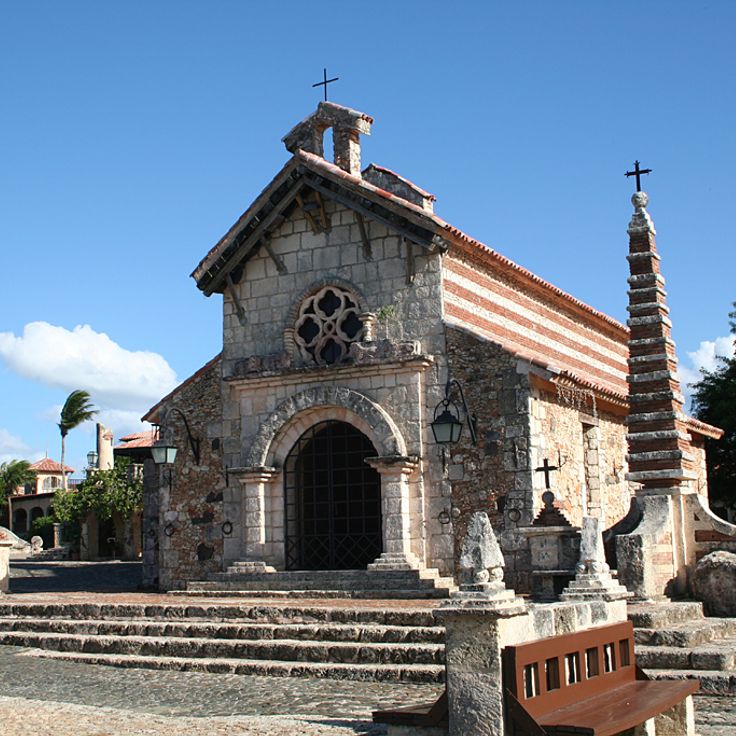
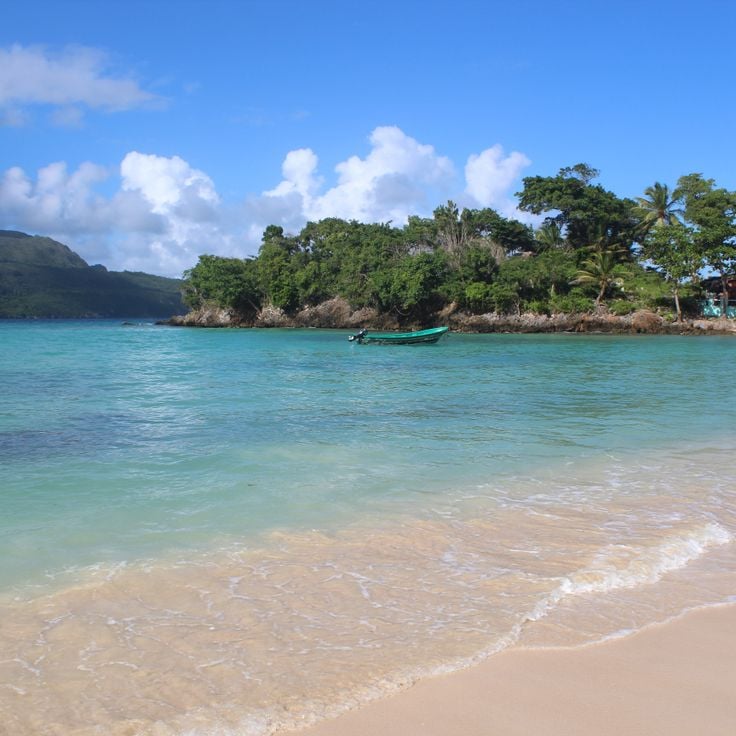
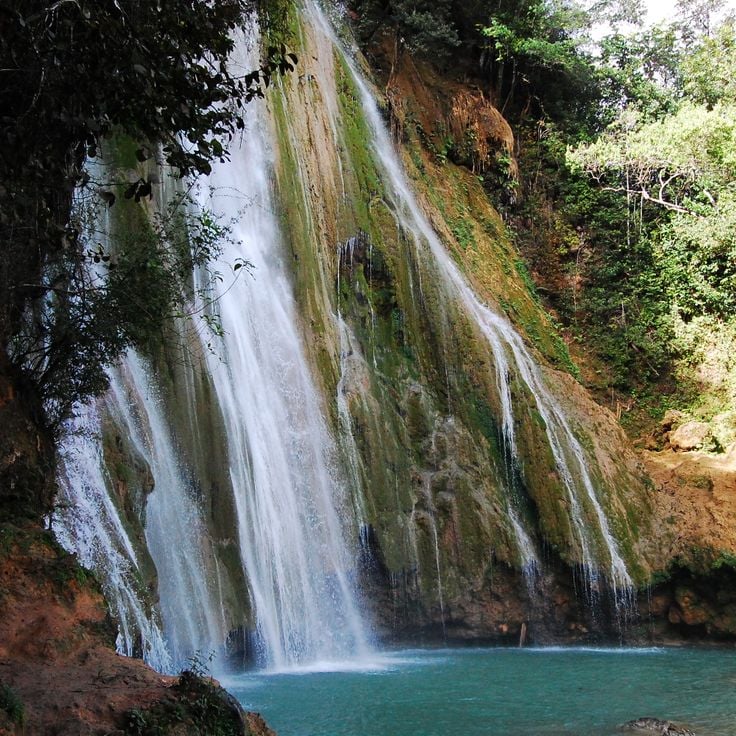
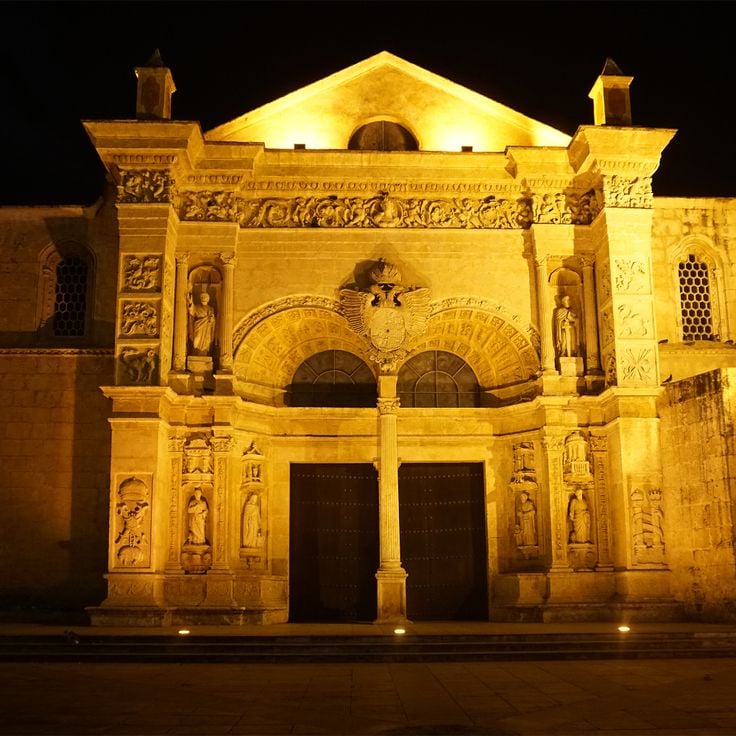
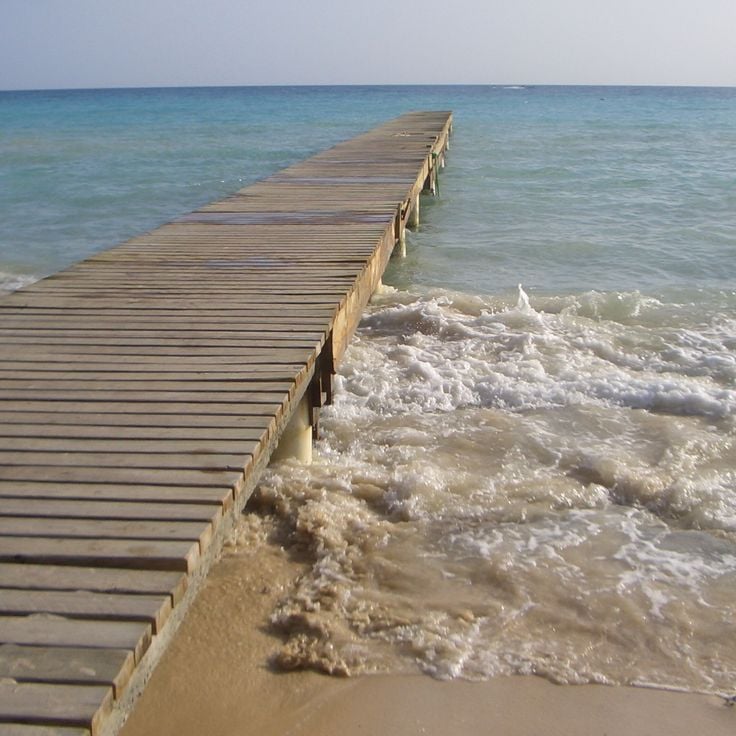
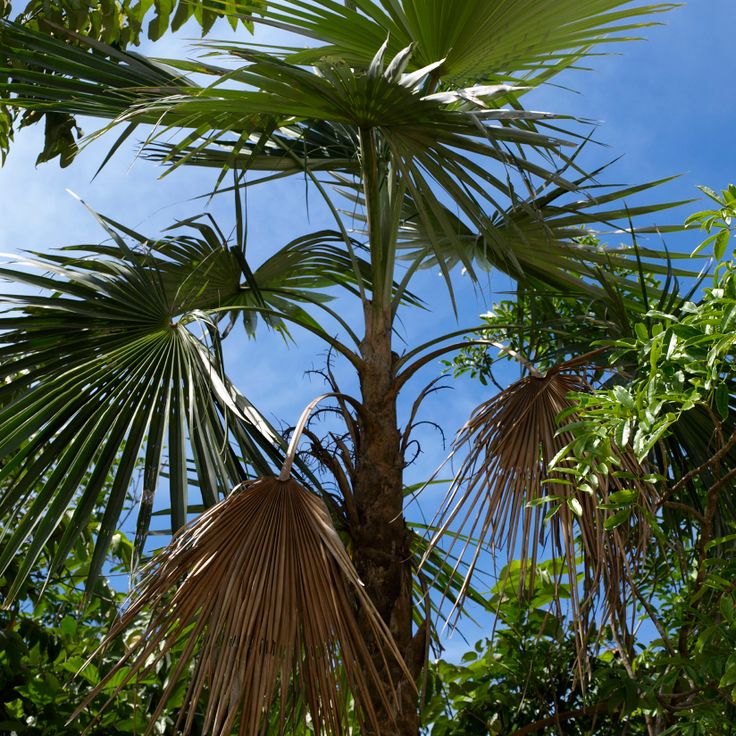
The Dominican Republic draws photographers with its range of landscapes and subjects. Along the coast, long stretches of sand beaches appear, some with calm water, others with waves that attract surfers. Inland, trails lead to waterfalls that drop over rocks into natural pools, while caves and underground lakes offer unexpected finds. Colonial buildings in Santo Domingo display 16th-century architecture, with stone churches, monastery ruins, and fortresses that stand along harbor walls.
Places in the collection include the Basilica of Santa Maria la Menor, the Dominican Convent, and Fortaleza San Felipe. Beaches like Bavaro, Macao, and Playa Rincon provide different coastal views, while Los Haitises National Park shows mangrove forests and limestone formations. Waterfalls such as El Limon and the 27 Charcos de Damajagua sit within forested areas. Saona and Cayo Arena are small islands with shallow water. Lago Enriquillo, a saltwater lake below sea level, lies in a dry setting near the Haitian border. These locations give a sense of the natural and built environments across the island.
The Dominican Republic draws photographers with its range of landscapes and subjects. Along the coast, long stretches of sand beaches appear, some with calm water, others with waves that attract surfers. Inland, trails lead to waterfalls that drop over rocks into natural pools, while caves and underground lakes offer unexpected finds. Colonial buildings in Santo Domingo display 16th-century architecture, with stone churches, monastery ruins, and fortresses that stand along harbor walls.
Places in the collection include the Basilica of Santa Maria la Menor, the Dominican Convent, and Fortaleza San Felipe. Beaches like Bavaro, Macao, and Playa Rincon provide different coastal views, while Los Haitises National Park shows mangrove forests and limestone formations. Waterfalls such as El Limon and the 27 Charcos de Damajagua sit within forested areas. Saona and Cayo Arena are small islands with shallow water. Lago Enriquillo, a saltwater lake below sea level, lies in a dry setting near the Haitian border. These locations give a sense of the natural and built environments across the island.
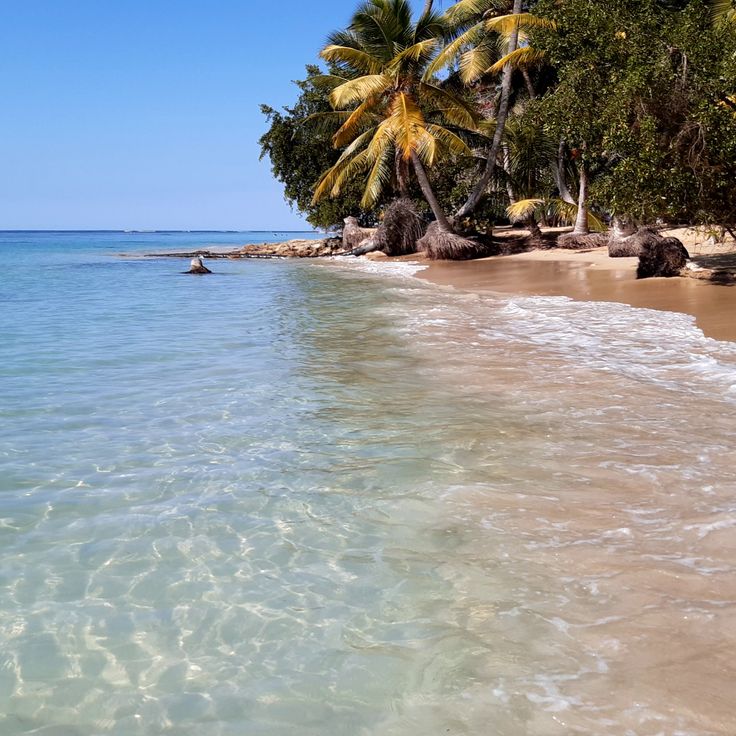
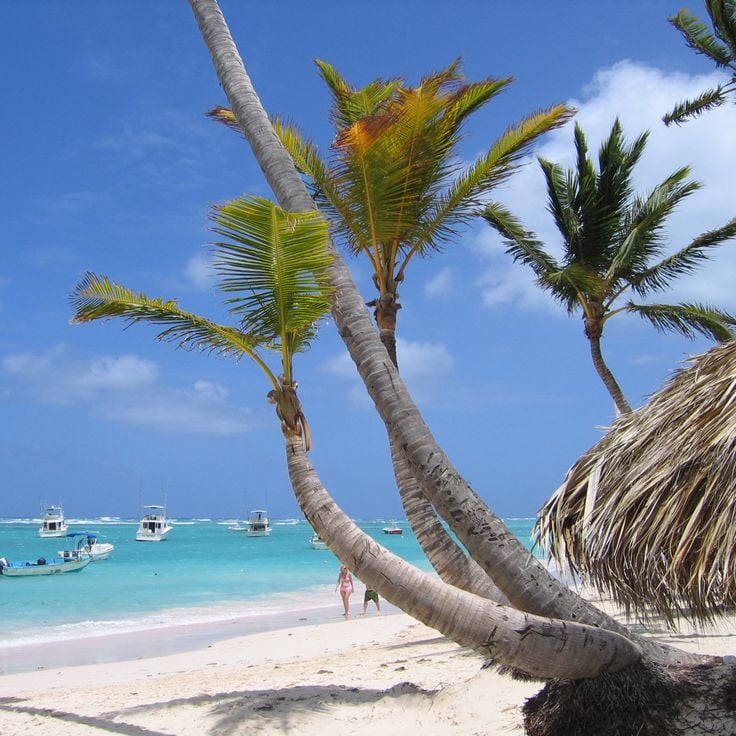
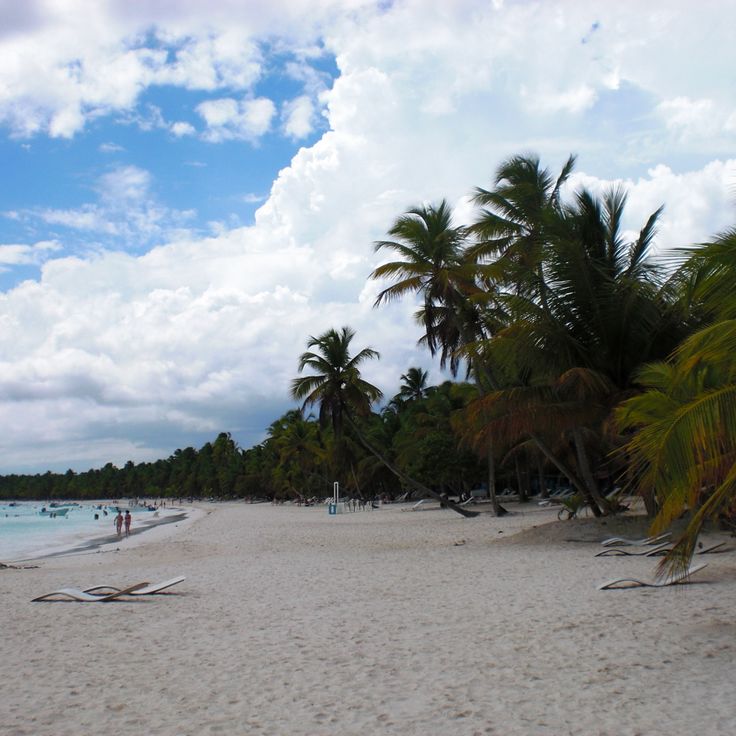
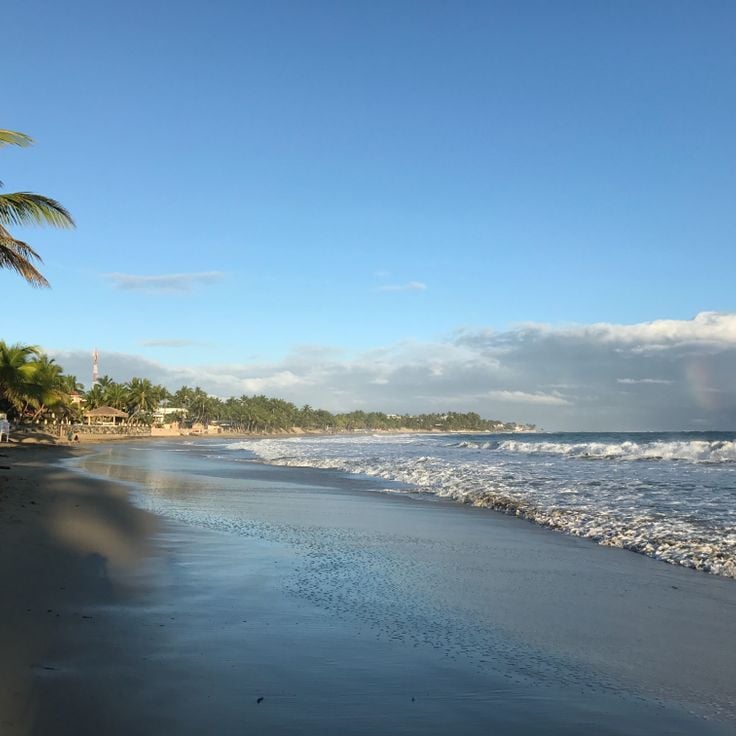
This stretch of coast runs for about a mile and a half (two kilometers) and shows white sand meeting turquoise water. Palm trees line the shore and offer natural shade for visitors who walk, swim, or try water sports here. The beach belongs among the most photographically rewarding subjects in the Dominican Republic and presents the typical Caribbean coastal view with gentle waves and bright light. In the morning the water is often calm, while the afternoon brings more activity. Fishermen and vendors move along the sand, and small boats rest at the water's edge.
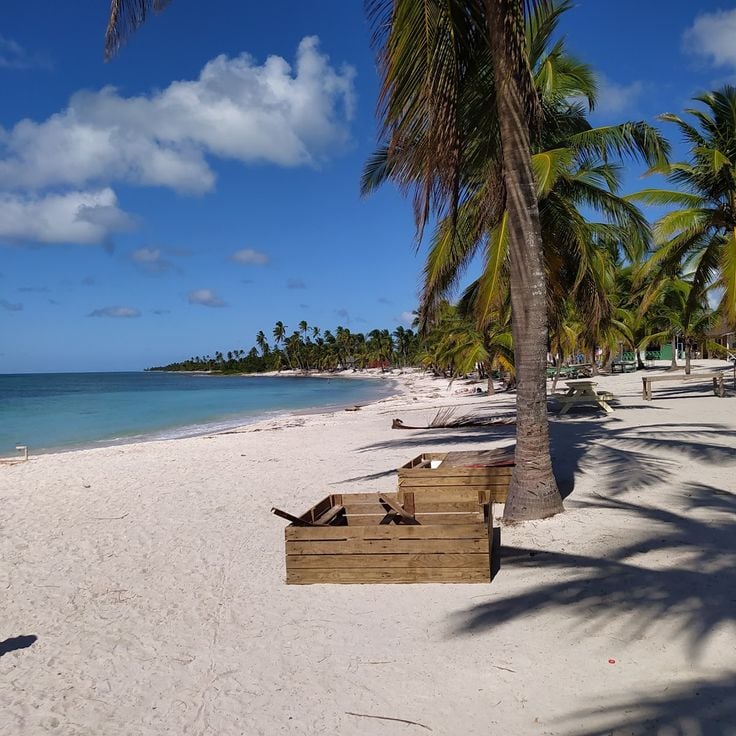
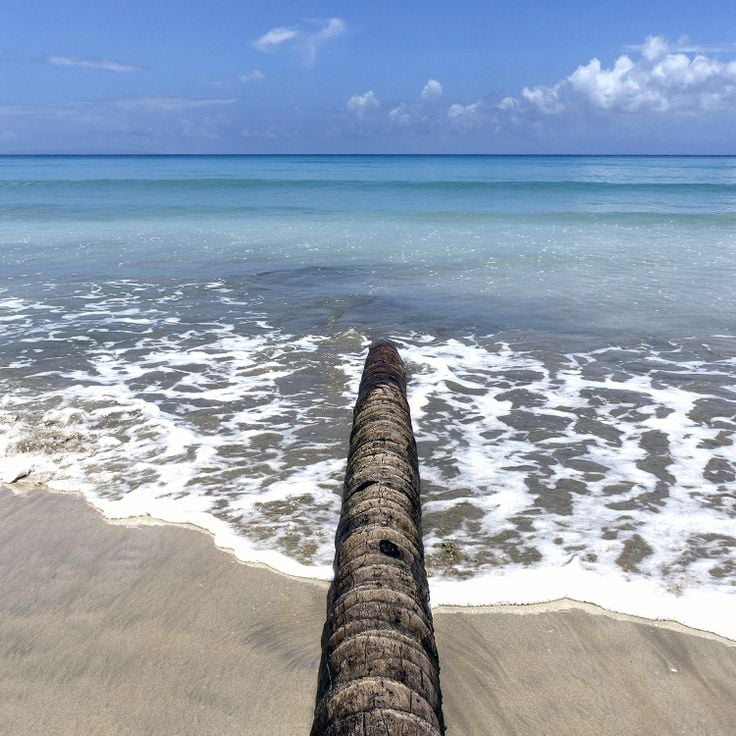
This beach runs for three kilometers along the coast and offers shallow water in shades of blue. Coconut palms line the entire shoreline and provide shade on the pale sand. The calm sea suits photographers working on coastal landscapes, palm groves, and Caribbean beach scenes. Arena Gorda Beach lies in La Altagracia Province and stands among the locations where nature photographers capture the tropical vegetation and clear coastal waters of the Dominican Republic.
This colonial district from the 16th century brings together architecture from the Spanish period, paved streets and the first cathedral in the Americas. Photographers find subjects including building facades, courtyards and centuries-old plazas that document the early European settlement in the New World.
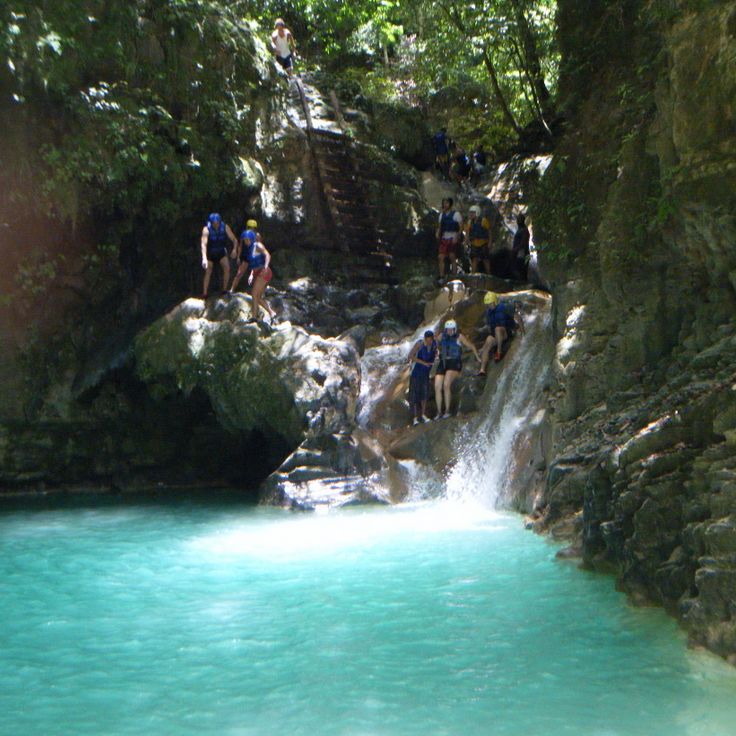
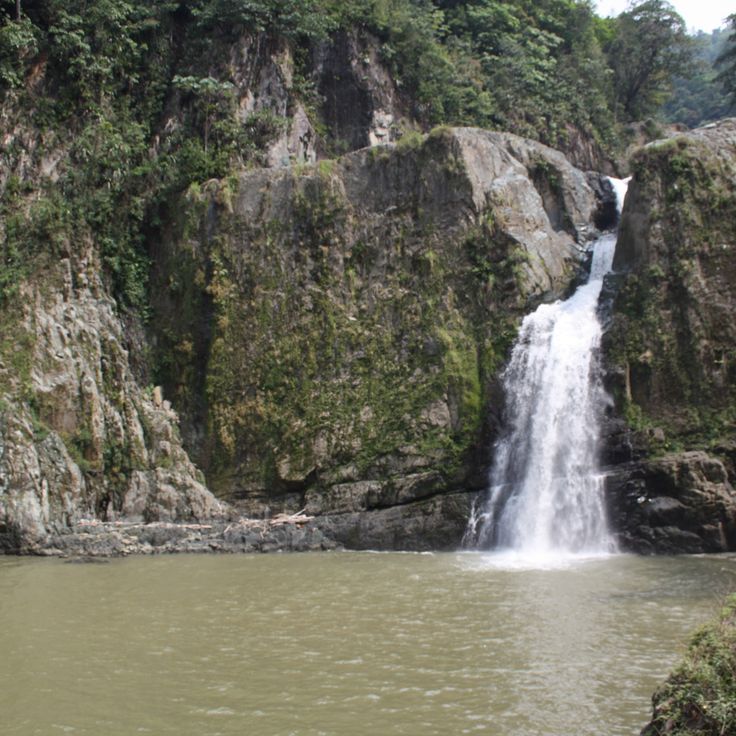
This series of 27 waterfalls in the mountains above Puerto Plata is a known subject for nature photography in the Dominican Republic. The cascades fall over limestone formations and form pools where clear water gathers. The route follows a path through tropical forest, passing rocks and trees that grow along the slope. Water flows from one pool to the next, sometimes calm, sometimes with stronger current. Photographers find subjects here that capture movement and light: the water running over the rocks, the green of the vegetation, the shadows in the forest.
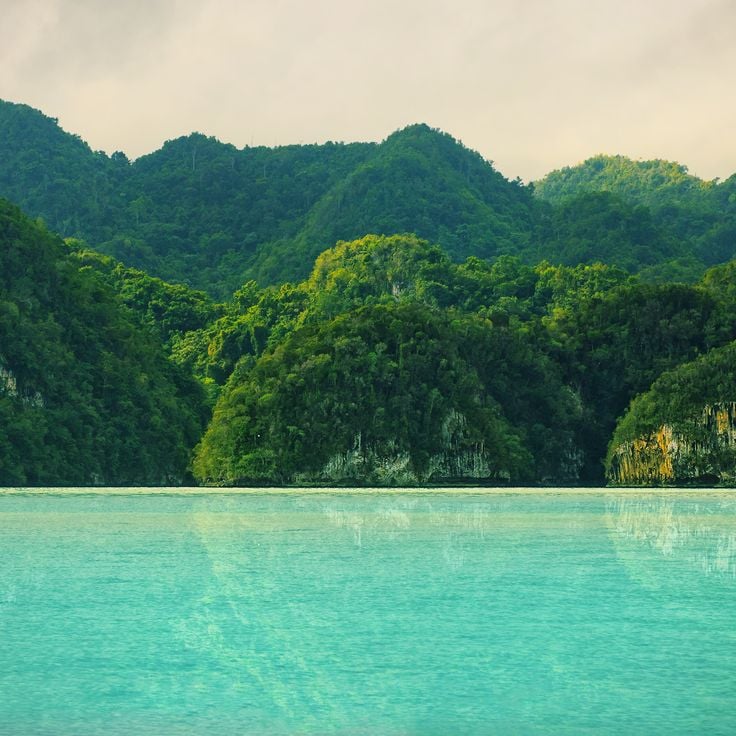
This park spreads across a coastal area of mangroves, limestone caves, and rocky formations rising from the sea. Birds nest in the crevices of the rocks, while boats pass through narrow channels between the roots of the mangroves. Caves hold drawings from the Taíno culture. Vegetation grows thick along the shore, where the water moves quietly between the stones.
This island sits off the southeast coast and forms part of a national park. White sand beaches line the shore while palm trees grow inland. The water around the island remains shallow and clear. Coral reefs lie close to the coastline. Fishermen from nearby villages come here. Boats bring visitors for day trips. The island has few buildings and no paved roads.
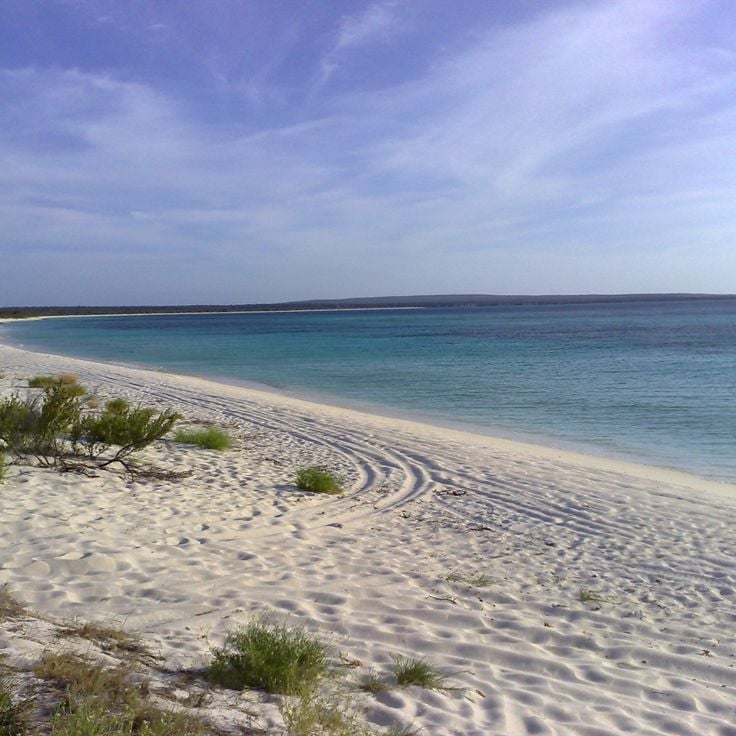
Bahia de Las Aguilas sits within Jaragua National Park and stretches eight kilometers with white sand and turquoise water. This bay ranks among the most remote beaches in the Dominican Republic, accessible only by boat or rough roads. The clear water shows shades from light blue to deep green. Few visitors come here, so the shoreline often remains empty. Photographers find subjects for coastal landscapes with natural light and open horizons.
This national park covers desert land, salt marshes, and mangrove forests in the northwestern region of the country. El Morro rises 242 meters (794 feet) above sea level and forms a distinctive landmark along the coast. Vegetation adapts to the dry conditions, while the mangroves provide habitat for birds and marine life. Photographers find contrasts between barren landscape and lush coastal sections here, with views of the ocean and surrounding plains.
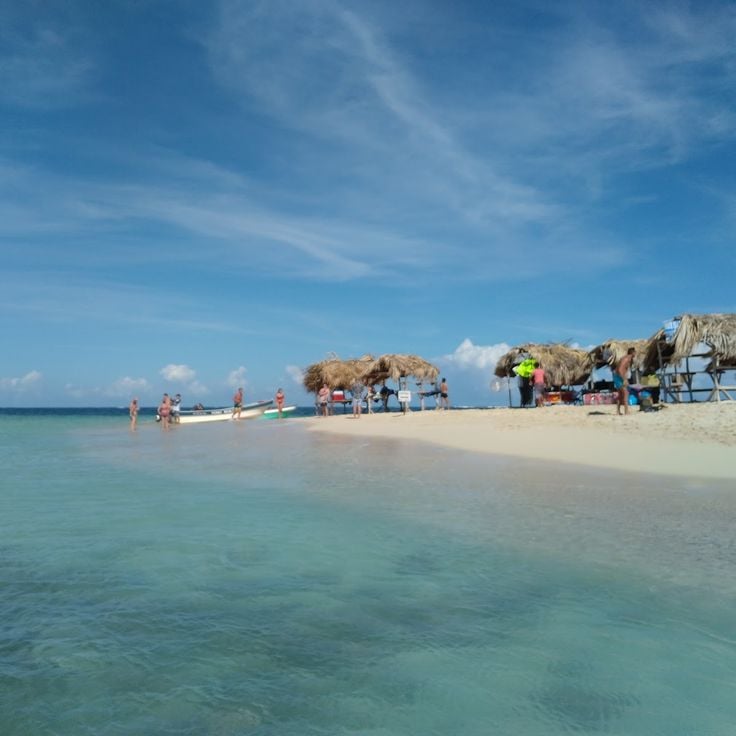
This sandbar sits off the coast and stretches out into the sea. The water is so clear you can see fish and coral formations below the surface. Cayo Arena is surrounded by shallow waters where snorkelers swim and observe the underwater life. The sandbar itself is small and gets partly submerged at high tide. Boats bring visitors from the mainland, and many stay for just a few hours. The surroundings are quiet, with no buildings or permanent structures. You hear only the sound of waves and occasional voices of other guests. The sand is light and fine-grained. In sunlight, the water shimmers in different shades of blue. The coral reefs nearby are home to small tropical fish that swim between the formations. This sandbar gives photographers a chance to capture underwater shots and beach images with a Caribbean backdrop.
This bay welcomes humpback whales every winter, returning between January and March to mate and give birth. Palm trees line the shore while mangroves grow directly in the shallow water. The turquoise sea stretches between forested hills. Fishermen head out in the morning, and small boats bring visitors to whale watching points. The coastline alternates between sandy beaches and rocky sections. Photographers find subjects here from swimming whales to tropical vegetation and Caribbean coastal landscapes.
This beach is known for steady winds that make it one of the most important spots for kitesurfing and windsurfing in the Dominican Republic. The water stays active throughout the day, and colorful sails fill the sky above the waves. The sandy shore stretches along a busy boardwalk where restaurants and shops sit right by the ocean. In the evening, Cabarete Beach becomes a social gathering place where surfers and visitors mingle. The mood blends athletic energy with Caribbean ease. For photographers, this beach offers dynamic subjects with movement, color, and tropical light.
Altos de Chavon is a village built in 1982 to resemble a settlement from the 16th century. The buildings follow colonial architecture, with stone walls, cobbled lanes, and open squares that recall the early construction methods of the region. The site includes an amphitheater that holds several thousand people, used for concerts and events. This village sits on a hillside above the Chavon River, offering views over the surrounding greenery. Photographers find subjects in architecture, craftsmanship, and panoramic scenes that evoke historical settlements. The streets are narrow, the houses built from stone, and small shops and workshops display local crafts. The place feels quiet and is designed to appear as an old settlement, even though it was constructed only a few decades ago.
This remote beach stretches for almost two miles and shows white sand with clear water. Palm trees line the shore and provide natural shade. The bay lies far from larger towns and features gentle waves. Playa Rincón offers subjects for beach photography and coastal landscapes in Samaná province.
This waterfall sits in the tropical forests of the Samaná Peninsula and shows one of the most impressive natural spots in the Dominican Republic. Water drops from a considerable height into a natural basin, surrounded by dense vegetation. Access leads through humid forests where ferns and palm trees grow. Hikers follow a trail that takes about thirty minutes. The pool at the base of the waterfall invites swimmers, while the surroundings stay cool and shaded.
This cathedral stands in the old colonial quarter and combines Gothic arches with Baroque decoration. The walls made of coral limestone appear in warm beige tones, and light falls through tall windows onto bronze statues inside. The vaulted ceilings and carved doors show the craftsmanship of the early 16th century. Visitors enter the cool church interior and walk through the side aisles, where daylight brushes against the old stones. The facade facing the plaza rises with its towers above the surrounding houses and serves as a landmark for photographers capturing colonial architecture and religious buildings in the Dominican Republic.
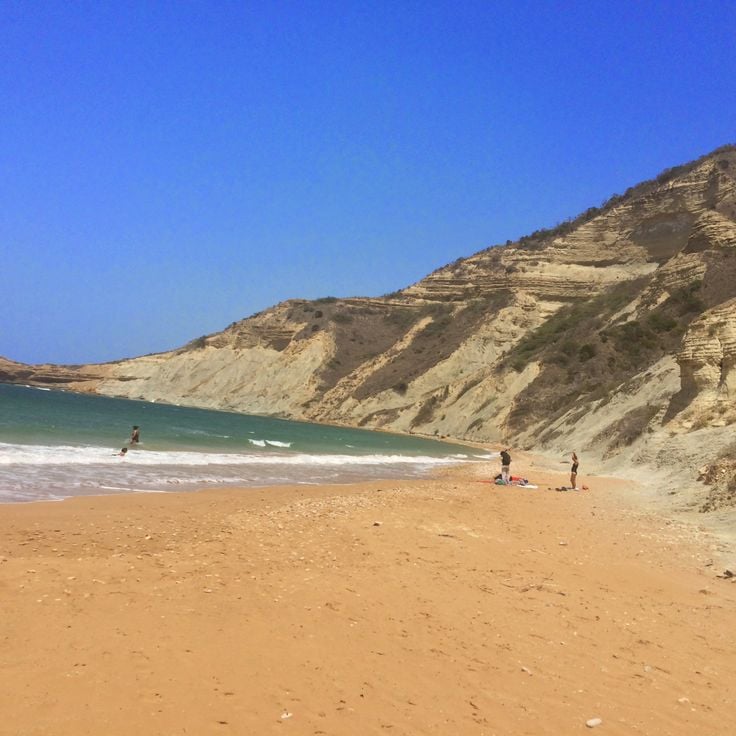
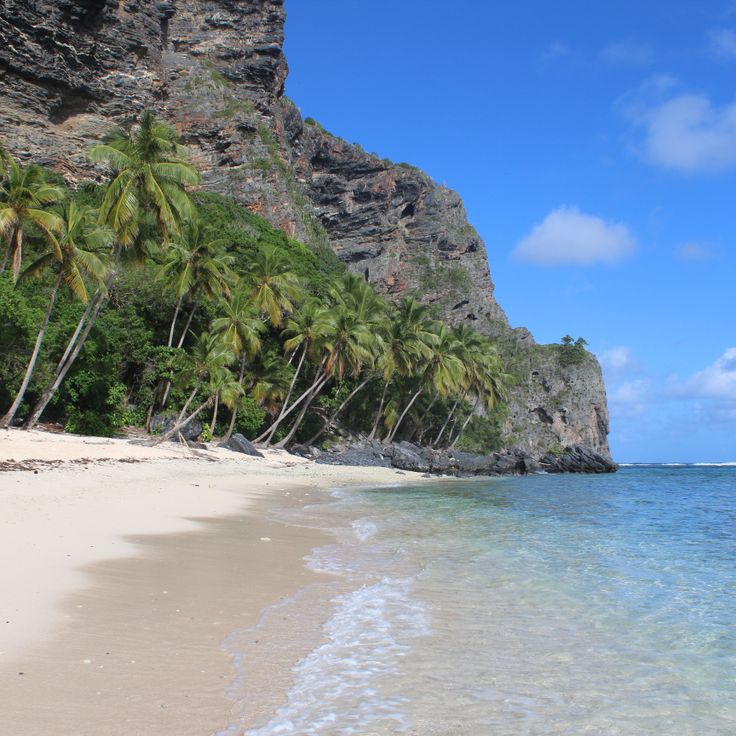
This beach sits in a cove enclosed by limestone cliffs that rise directly from the sand, forming a natural basin with clear water. Playa Frontón is sheltered from the open sea, allowing coral reefs to grow close to shore where schools of colorful fish swim near the surface. The only access is by boat or a steep trail through the vegetation. The reef runs parallel to the coastline, starting a few yards from the sand. The water is usually calm, and swimmers can see coral formations and rock crevices that house marine life. The cliffs block the wind and cast shade over sections of the coarse sand during hot afternoons.
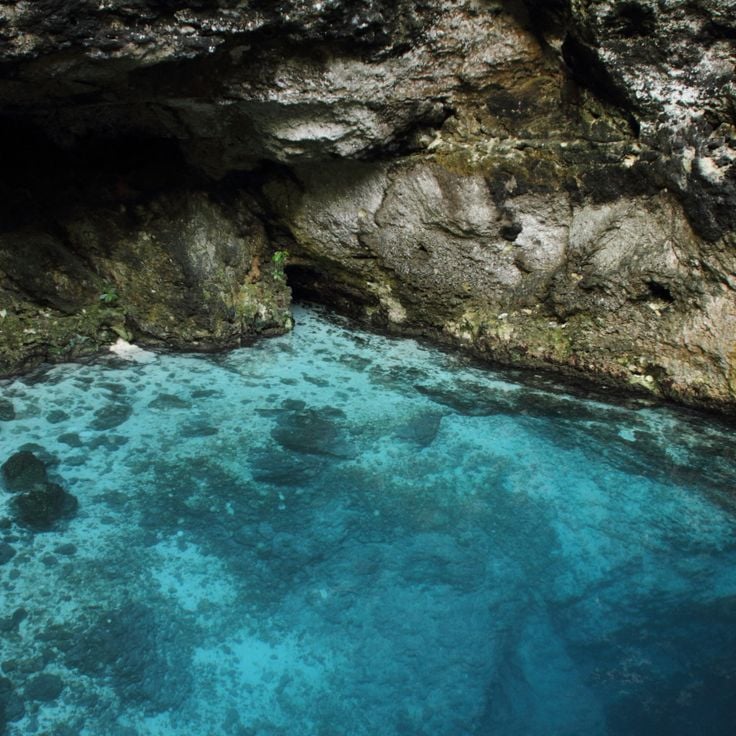
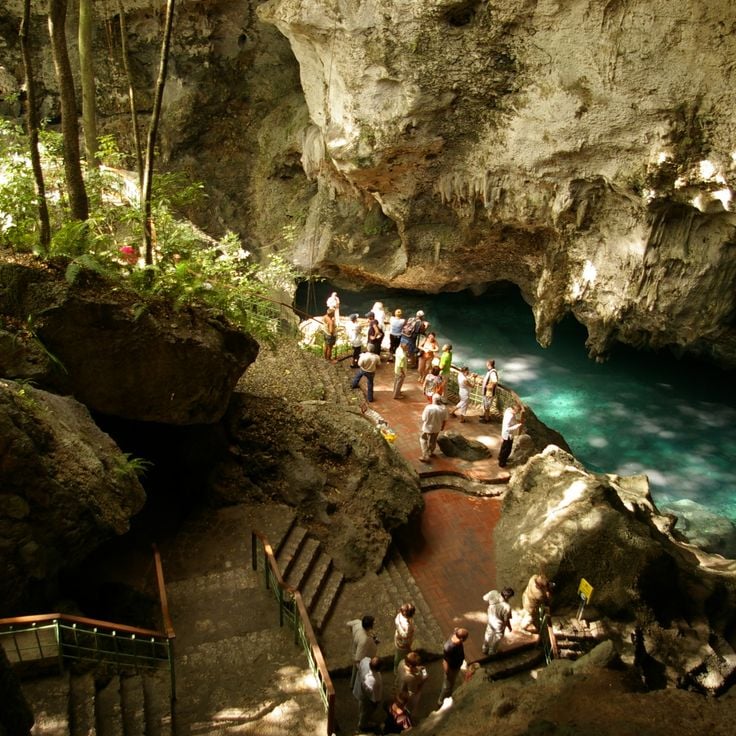
This natural pool sits inside a limestone cave and glows turquoise. The water fills the bottom of the cave, surrounded by gray limestone walls that rise about 200 feet (60 meters). Visitors descend using stairs. The site is part of a nature park with tropical vegetation and other walking trails. The color comes from minerals in the water and the light entering from above. The pool measures roughly 80 feet (25 meters) across.
This island off the coast of La Romana is a nature reserve for sea turtles and tropical fish. Sandy beaches stretch along the shore, while coral reefs surround the shallow water. The clear sea allows good visibility below the surface. Palm trees grow on the sandy ground. Fishermen and boat operators bring visitors from the mainland. The island remains uninhabited and is mainly used for day trips.
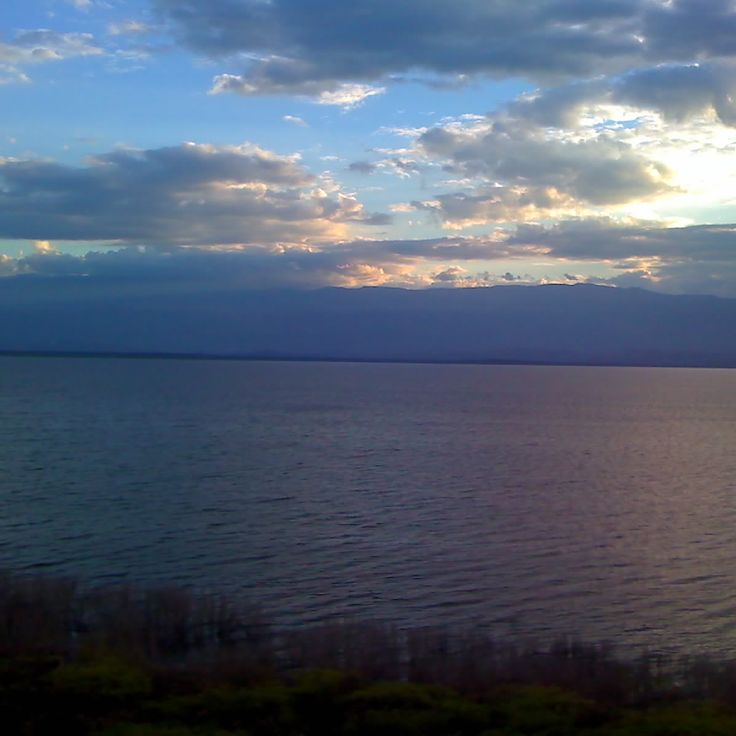
This lake sits 40 meters (130 feet) below sea level and is the largest in the Caribbean region. The salty water is home to crocodiles that bask along the shores, while flamingos wade through shallow areas. The landscape feels barren and open, with sparse vegetation around the basin. In some spots, small islands rise from the water where birds gather. The heat is intense, especially at midday. Fishermen work from the shoreline, and occasional visitors come to observe the unusual ecosystem. Water levels shift with the seasons, changing the shoreline and exposing new sandbars.
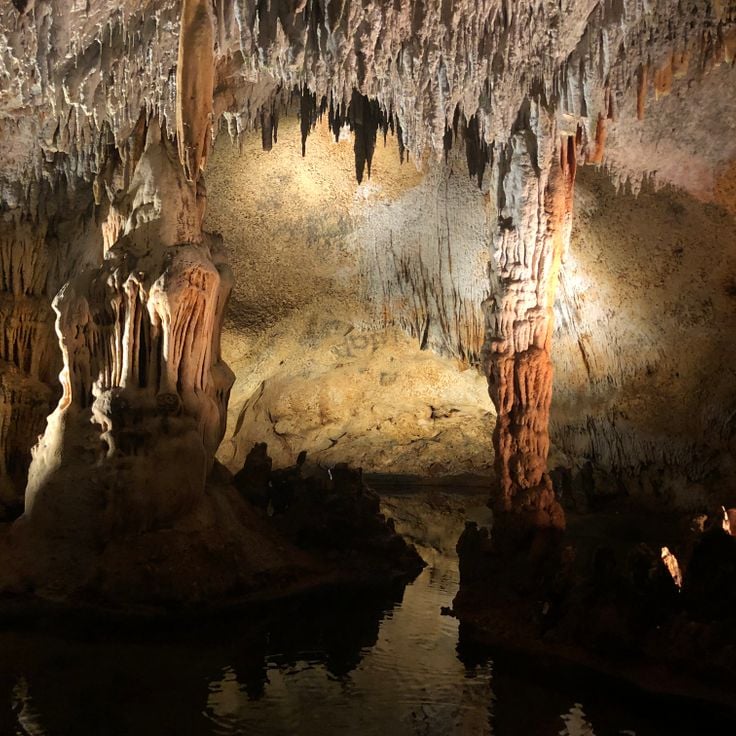
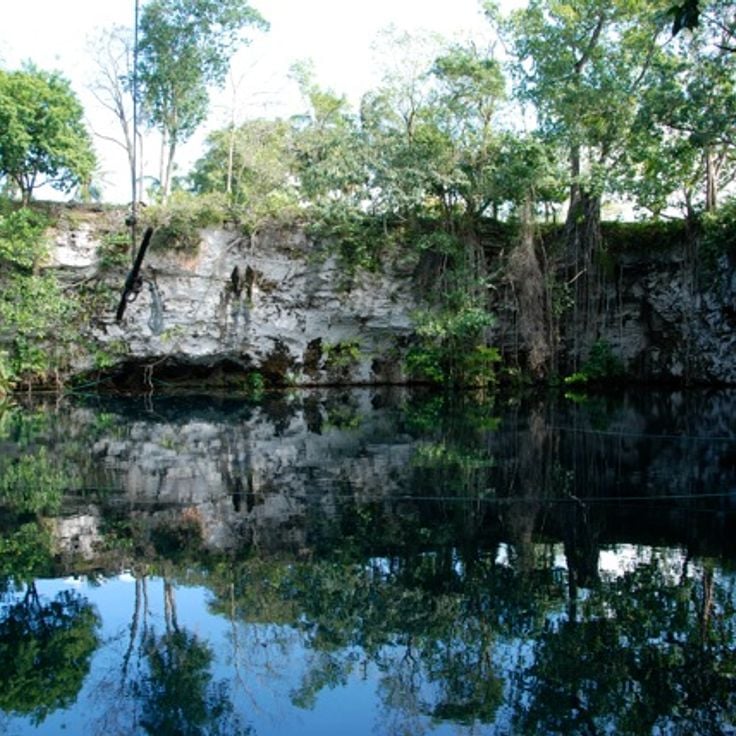
This national park protects a cave system with three freshwater lakes. The underground waters sit in limestone chambers connected by stone walkways. Stairs lead down into the caves, where light filters through natural openings in the ceiling and illuminates the lakes. The temperature below ground stays cool, even on hot days. Stalactites hang from the walls, and ferns grow where moisture and light meet. The park sits near the capital and draws visitors looking for a break from city life. The caves formed thousands of years ago, as rainwater dissolved the limestone. Photographers find subjects here that combine water, rock, and natural light.
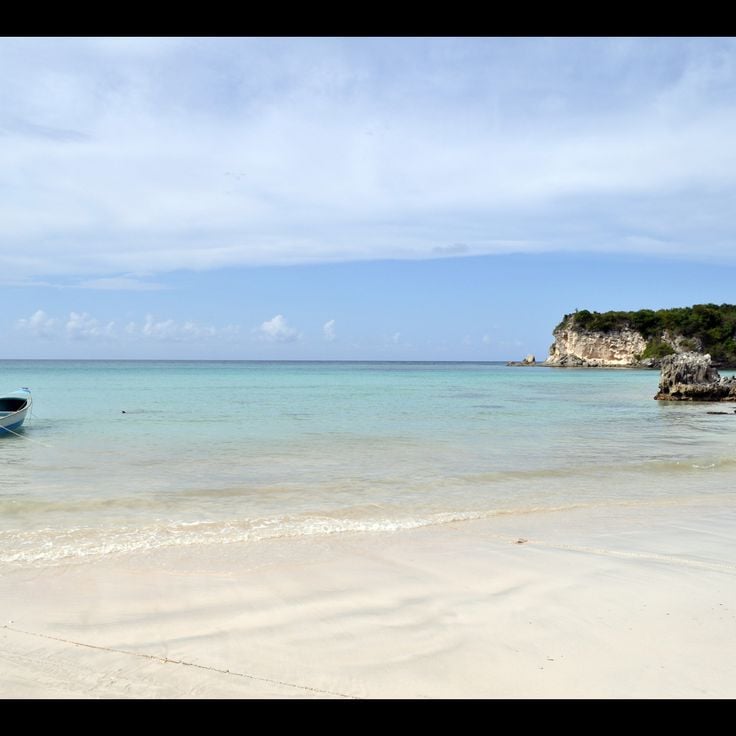
The white sand shore of Macao Beach draws surfers who enjoy high waves. The water is clear, and the surf rolls in strong. Fishermen sell fresh catch in the morning, vendors offer coconuts. The public stretch remains mostly free of hotels, so you find space to swim and sunbathe. Families and travelers come here to enjoy the sea or learn to stand on a board.
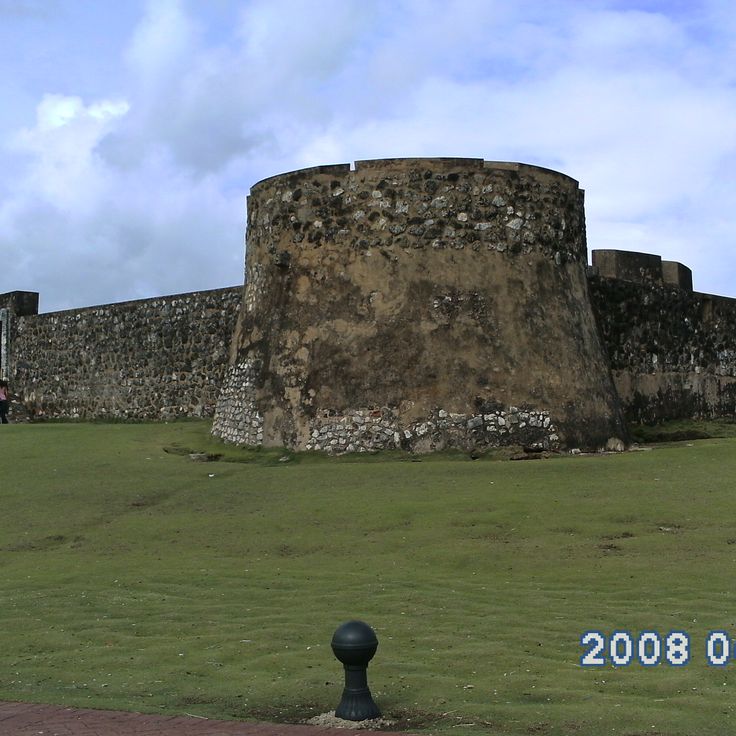
This 16th century fortress stands by the shore and shows how the city once defended the harbor from pirates. Thick stone walls frame views of the Atlantic and the bay. From the upper levels, you see Puerto Plata and the ocean reaching to the horizon. Inside, narrow passages and small rooms lead through the structure. Fortaleza San Felipe serves as an example of colonial military architecture in the Dominican Republic and allows photographs of historic structures against coastal scenery.
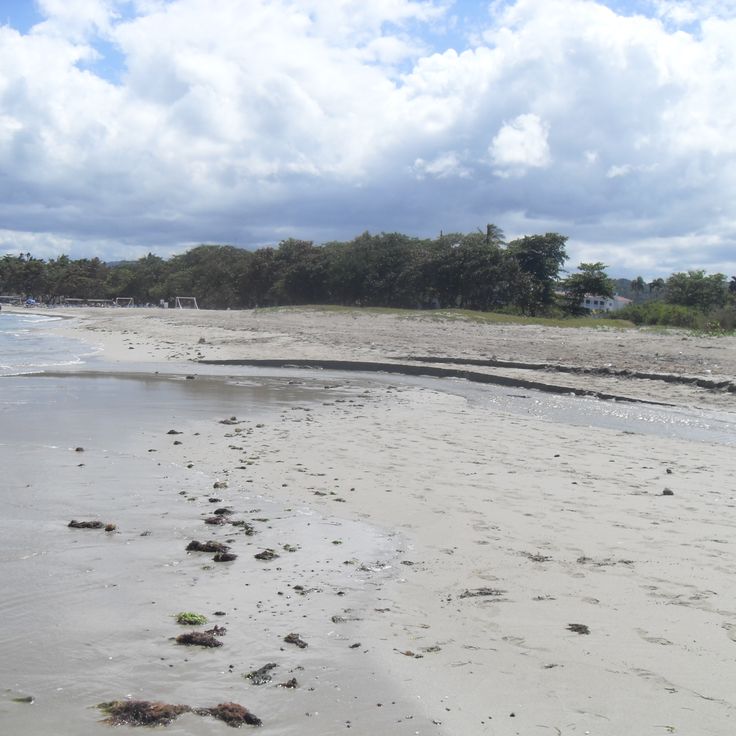
This beach on the northern coast spreads across fine sand where palms cast shade and water laps gently to the shore. During the day small waves roll in, inviting children to play and swim while couples wade in the shallow sea. Sport boats move along the coast, and on the nearby golf course players walk across green fairways. In the evening the sky turns orange and pink, and walkers gather shells at the water's edge. Local vendors offer fresh coconuts, and warm wind carries the scent of salt water. The spot draws families seeking calm days by the water, while photographers capture the palm rows and clear sea.
This waterfall drops about 60 meters (200 feet) into a stone basin. The water comes from the mountains around Jarabacoa. The path leads through forests with tall trees and ferns. You hear the sound of falling water from a distance. Mist rises from the basin below. The light is softer in the morning. At the base, the water gathers in a small pool. The surroundings stay green and wet throughout the year.
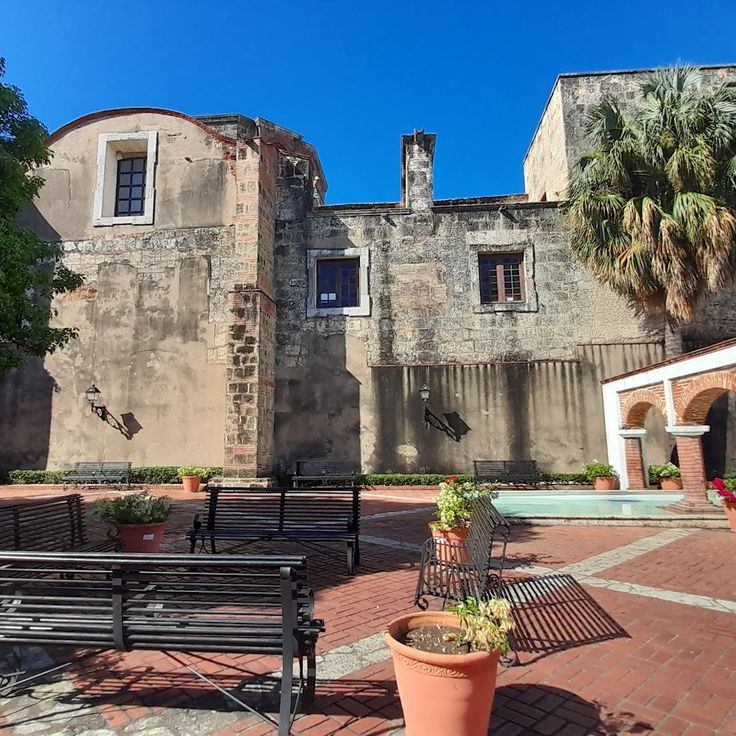
This 16th-century monastery houses an art gallery with contemporary exhibitions in historical vaulted halls. The building combines colonial architecture with a modern art program and shows the cultural development of Santo Domingo. Old stone walls and arches form the backdrop for rotating exhibitions that present artists from the region and beyond. Photographers find subjects in the contrast between heavy columns and current creative work. The space preserves its monastic structure while functioning as a venue for visual arts.
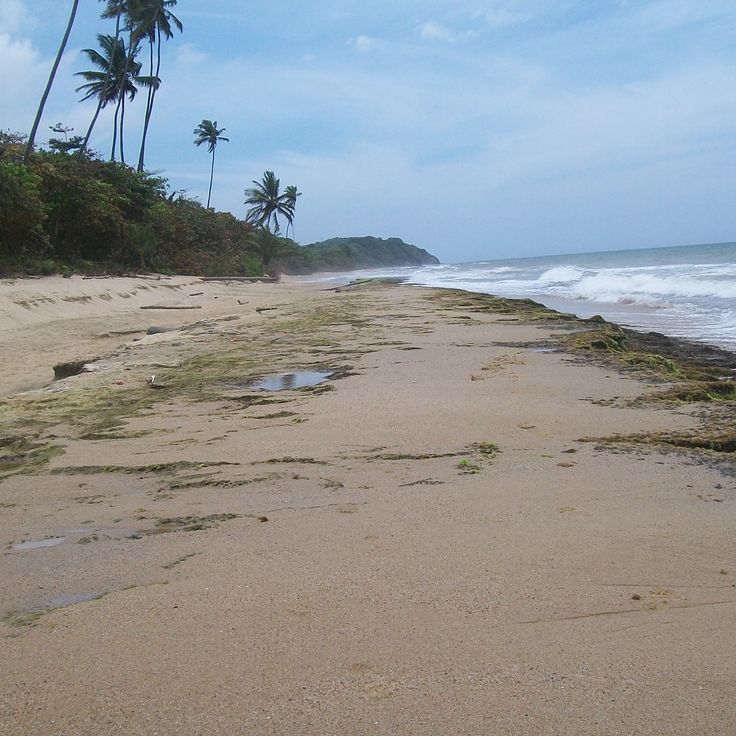
This beach extends for three kilometers along the Atlantic coast. Coconut palms provide shade over the white sand. Waves roll directly onto the shore. Few buildings stand nearby. Fishermen sometimes leave their boats on the beach. The water shifts between calm and rough periods depending on the wind. Photographers find coastal landscape and nature subjects here for the collection of photographic locations in the Dominican Republic.
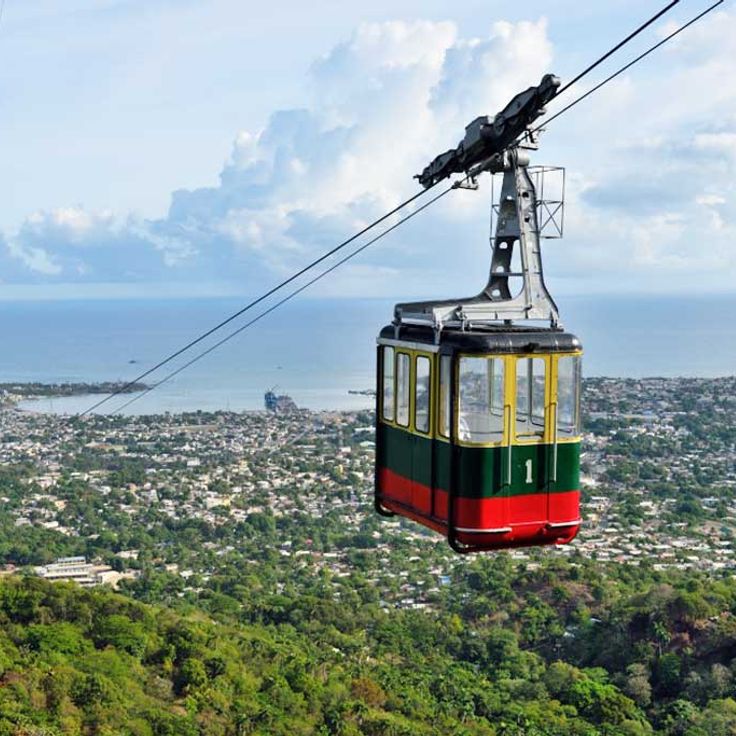
This cable car carries visitors to 793 meters (2,602 feet) above sea level and offers views over Puerto Plata and the coastline. The gondolas rise slowly from the city center to the summit of Isabel de Torres, where a botanical garden and a Christ statue stand. During the ascent, the view opens onto the colonial street grid, the harbor, and beaches that run along the northern shore. For photographers, this location provides opportunities to capture city views, coastal landscapes, and the vegetation of the surrounding hills, especially in the morning or late afternoon when the light softens.
This beach sits along the coast of a fishing village where wooden boats share the water and sand meets the sea. Several restaurants line the shore, serving regional dishes while fishermen mend nets and visitors walk along the waterfront. The area keeps its connection to local life, with a mix of work and leisure shaping the rhythm of each day.
This botanical garden in Santo Domingo covers a wide area that hosts more than 300 plant species. Paths wind through tropical vegetation, themed gardens and shaded avenues. The center for tropical botany attracts researchers and students, while visitors explore the diversity of Caribbean flora. A Japanese garden and greenhouses with orchids and succulents add to the collection. Birds and insects animate the grounds, which serve as a quiet place for walking and photography.
This limestone cave holds about 500 pre-Columbian wall paintings created by the Taíno people. Inside, underground pools have formed over thousands of years, and stalactites hang from the ceiling while stalagmites rise from the floor. The path leads through lit galleries where you can see red and black drawings on the rock walls. The air feels damp and cool, and the ground can be uneven in places. This cave sits in a dry region and offers photographers a chance to capture geological formations and historical artwork in a natural setting.
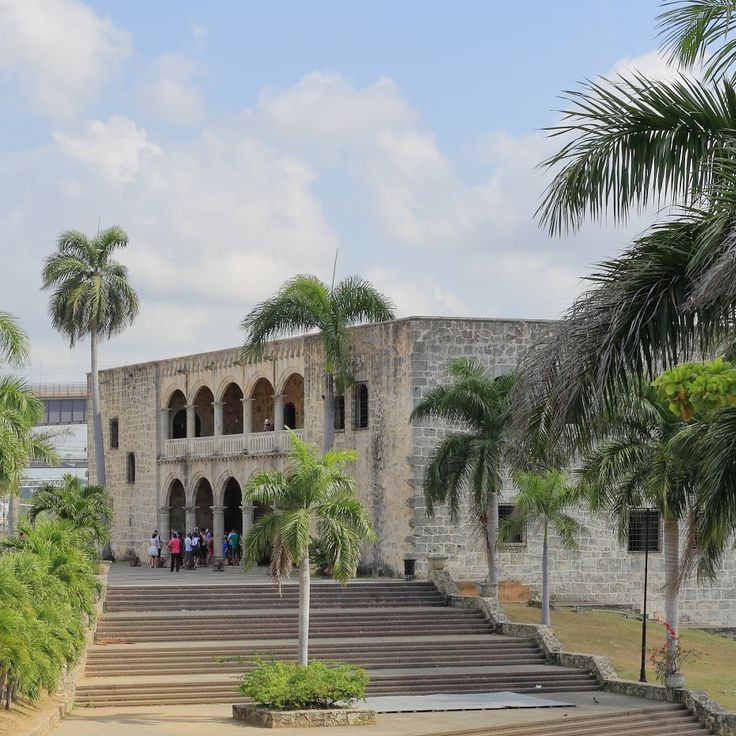
This palace in the colonial quarter of Santo Domingo served as the residence of Diego Columbus, son of explorer Christopher Columbus. The Alcázar de Colón was built in the early 16th century from coral limestone and displays Gothic and Mudéjar architectural elements. The palace sits along the Ozama River, surrounded by cobbled streets and old houses. Inside, period furniture and art pieces evoke the lifestyle of the Spanish noble family who lived there. The central courtyard is framed by arches, with light streaming through tall windows.
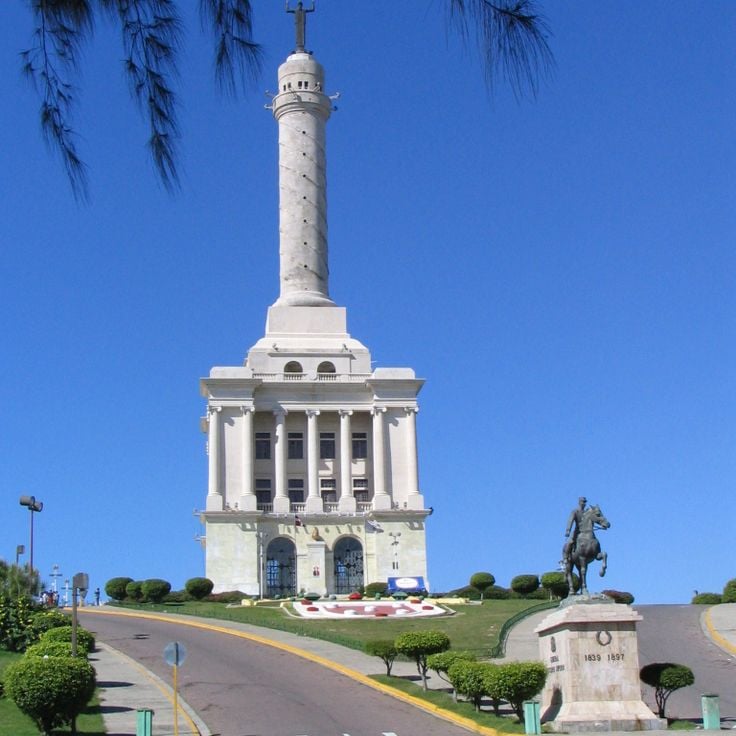
This monument honors the heroes of the War of Restoration, the conflict in the 1860s when Dominicans reclaimed their independence. The white tower rises above Santiago and can be seen across the city. At night it lights up, changing colors like during a national celebration. The stairs climb to an observation platform where you can see the mountains and neighborhoods below. Inside, murals show scenes from the country's history. Locals come here to walk or sit on the steps in the early evening.
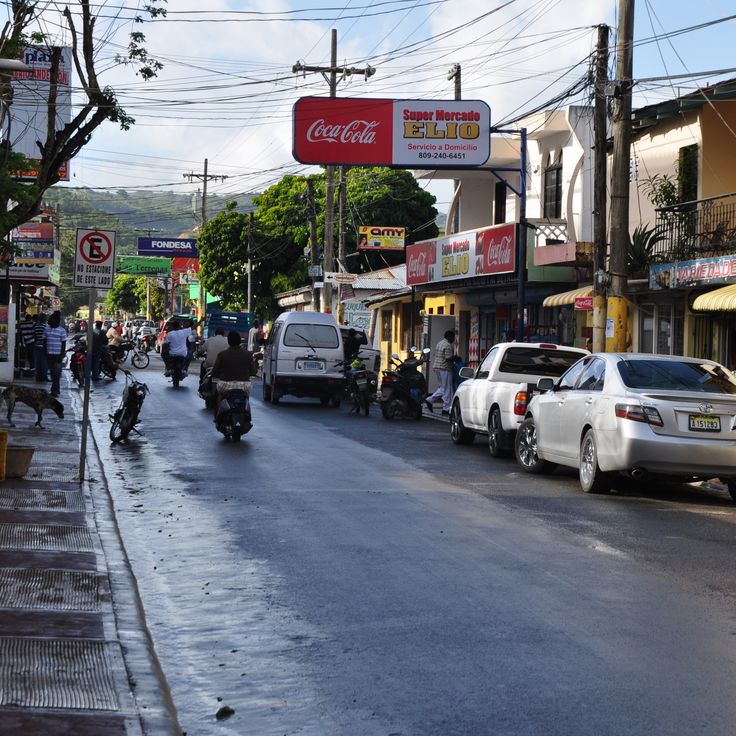
This coastal village combines Caribbean surroundings with European influences that appear in restaurants, bars and small shops. The beaches are lined with palms, and the place has become a meeting point for travelers from different countries. You hear several languages in the streets, and the buildings mix local construction with styles from elsewhere. Fishermen bring their catch ashore in the morning, while people gather in the cafés in the evening. Las Terrenas keeps the character of a fishing village, even though life here has changed over the years. The water is warm and the sand is light. Those who come here find a mix of quiet and small nightlife, without the rush of larger resorts.
This lagoon sits in the northern part of the Dominican Republic, surrounded by dense greenery. The freshwater comes from underground sources and fills a natural basin connected to two caves. A platform rises about 5 meters (16 feet) above the water surface and serves as a jumping spot. The water temperature remains steady at around 25°C (77°F) throughout the year. Photographers find subjects here in nature and cave landscapes, and this lagoon is part of the photographic locations in the Dominican Republic.
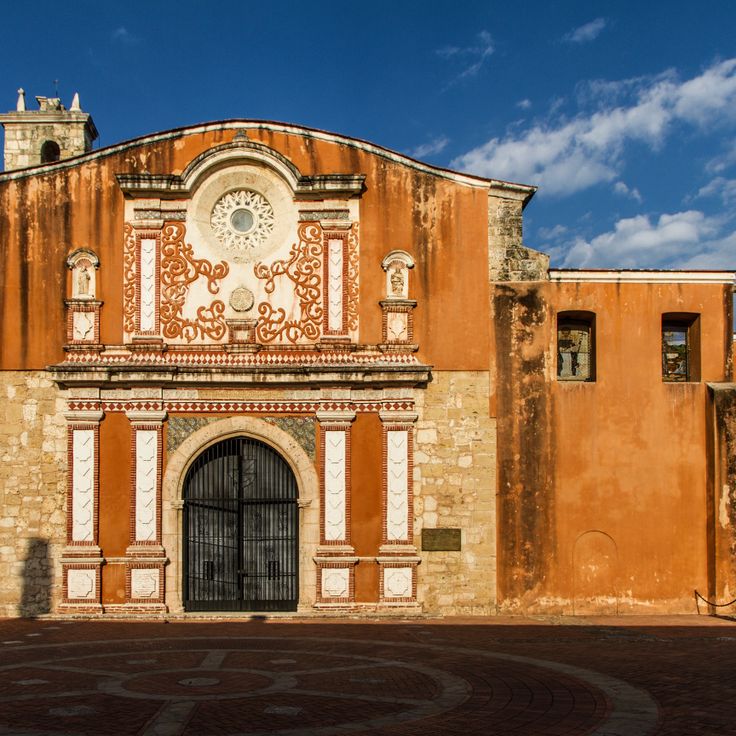
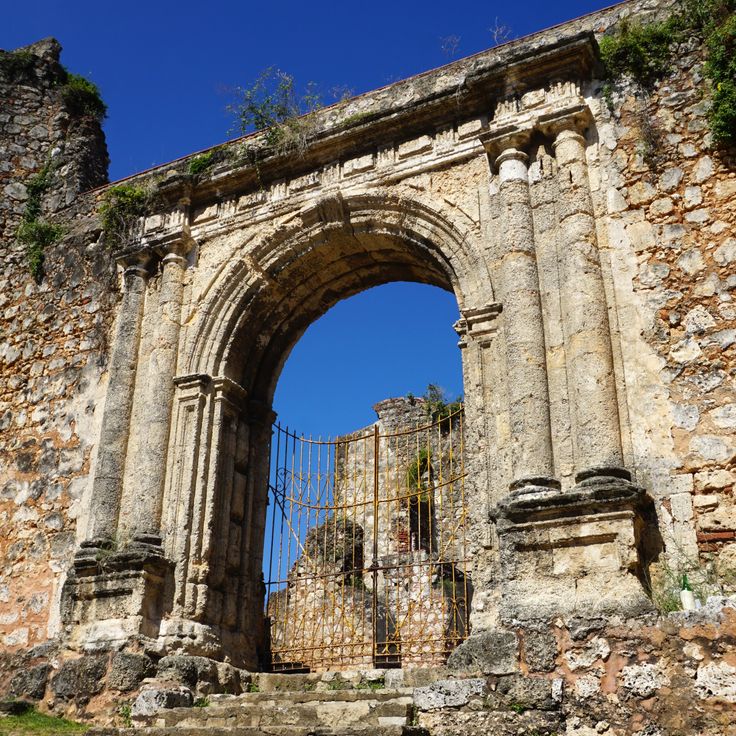
This 16th-century monastery stands in Santo Domingo and shows the colonial architecture of Spanish rule. The Ruins of San Francisco preserve the remains of a Franciscan complex, where walls and arches speak to the religious construction of that era. Photographers find subjects here for historical architecture images in the Dominican Republic, where stone structures and open spaces shape the character of this site.
This beach lies along the coast of Samaná and stretches for about 2 kilometers (1.2 miles). The sand is white, and coconut palms grow along the shoreline, offering natural shade. The sea meets the shore quietly here, and the water is clear. Photographers find subjects for landscape and nature images: palm fronds moving in the breeze, light filtering through the leaves, and the line where the ocean meets the land.
This stretch of coast runs for about a mile and a half (two kilometers) and shows white sand meeting turquoise water. Palm trees line the shore and offer natural shade for visitors who walk, swim, or try water sports here. The beach belongs among the most photographically rewarding subjects in the Dominican Republic and presents the typical Caribbean coastal view with gentle waves and bright light. In the morning the water is often calm, while the afternoon brings more activity. Fishermen and vendors move along the sand, and small boats rest at the water's edge.
This beach runs for three kilometers along the coast and offers shallow water in shades of blue. Coconut palms line the entire shoreline and provide shade on the pale sand. The calm sea suits photographers working on coastal landscapes, palm groves, and Caribbean beach scenes. Arena Gorda Beach lies in La Altagracia Province and stands among the locations where nature photographers capture the tropical vegetation and clear coastal waters of the Dominican Republic.
This colonial district from the 16th century brings together architecture from the Spanish period, paved streets and the first cathedral in the Americas. Photographers find subjects including building facades, courtyards and centuries-old plazas that document the early European settlement in the New World.
This series of 27 waterfalls in the mountains above Puerto Plata is a known subject for nature photography in the Dominican Republic. The cascades fall over limestone formations and form pools where clear water gathers. The route follows a path through tropical forest, passing rocks and trees that grow along the slope. Water flows from one pool to the next, sometimes calm, sometimes with stronger current. Photographers find subjects here that capture movement and light: the water running over the rocks, the green of the vegetation, the shadows in the forest.
This park spreads across a coastal area of mangroves, limestone caves, and rocky formations rising from the sea. Birds nest in the crevices of the rocks, while boats pass through narrow channels between the roots of the mangroves. Caves hold drawings from the Taíno culture. Vegetation grows thick along the shore, where the water moves quietly between the stones.
This island sits off the southeast coast and forms part of a national park. White sand beaches line the shore while palm trees grow inland. The water around the island remains shallow and clear. Coral reefs lie close to the coastline. Fishermen from nearby villages come here. Boats bring visitors for day trips. The island has few buildings and no paved roads.
Bahia de Las Aguilas sits within Jaragua National Park and stretches eight kilometers with white sand and turquoise water. This bay ranks among the most remote beaches in the Dominican Republic, accessible only by boat or rough roads. The clear water shows shades from light blue to deep green. Few visitors come here, so the shoreline often remains empty. Photographers find subjects for coastal landscapes with natural light and open horizons.
This national park covers desert land, salt marshes, and mangrove forests in the northwestern region of the country. El Morro rises 242 meters (794 feet) above sea level and forms a distinctive landmark along the coast. Vegetation adapts to the dry conditions, while the mangroves provide habitat for birds and marine life. Photographers find contrasts between barren landscape and lush coastal sections here, with views of the ocean and surrounding plains.
This sandbar sits off the coast and stretches out into the sea. The water is so clear you can see fish and coral formations below the surface. Cayo Arena is surrounded by shallow waters where snorkelers swim and observe the underwater life. The sandbar itself is small and gets partly submerged at high tide. Boats bring visitors from the mainland, and many stay for just a few hours. The surroundings are quiet, with no buildings or permanent structures. You hear only the sound of waves and occasional voices of other guests. The sand is light and fine-grained. In sunlight, the water shimmers in different shades of blue. The coral reefs nearby are home to small tropical fish that swim between the formations. This sandbar gives photographers a chance to capture underwater shots and beach images with a Caribbean backdrop.
This bay welcomes humpback whales every winter, returning between January and March to mate and give birth. Palm trees line the shore while mangroves grow directly in the shallow water. The turquoise sea stretches between forested hills. Fishermen head out in the morning, and small boats bring visitors to whale watching points. The coastline alternates between sandy beaches and rocky sections. Photographers find subjects here from swimming whales to tropical vegetation and Caribbean coastal landscapes.
This beach is known for steady winds that make it one of the most important spots for kitesurfing and windsurfing in the Dominican Republic. The water stays active throughout the day, and colorful sails fill the sky above the waves. The sandy shore stretches along a busy boardwalk where restaurants and shops sit right by the ocean. In the evening, Cabarete Beach becomes a social gathering place where surfers and visitors mingle. The mood blends athletic energy with Caribbean ease. For photographers, this beach offers dynamic subjects with movement, color, and tropical light.
Altos de Chavon is a village built in 1982 to resemble a settlement from the 16th century. The buildings follow colonial architecture, with stone walls, cobbled lanes, and open squares that recall the early construction methods of the region. The site includes an amphitheater that holds several thousand people, used for concerts and events. This village sits on a hillside above the Chavon River, offering views over the surrounding greenery. Photographers find subjects in architecture, craftsmanship, and panoramic scenes that evoke historical settlements. The streets are narrow, the houses built from stone, and small shops and workshops display local crafts. The place feels quiet and is designed to appear as an old settlement, even though it was constructed only a few decades ago.
This remote beach stretches for almost two miles and shows white sand with clear water. Palm trees line the shore and provide natural shade. The bay lies far from larger towns and features gentle waves. Playa Rincón offers subjects for beach photography and coastal landscapes in Samaná province.
This waterfall sits in the tropical forests of the Samaná Peninsula and shows one of the most impressive natural spots in the Dominican Republic. Water drops from a considerable height into a natural basin, surrounded by dense vegetation. Access leads through humid forests where ferns and palm trees grow. Hikers follow a trail that takes about thirty minutes. The pool at the base of the waterfall invites swimmers, while the surroundings stay cool and shaded.
This cathedral stands in the old colonial quarter and combines Gothic arches with Baroque decoration. The walls made of coral limestone appear in warm beige tones, and light falls through tall windows onto bronze statues inside. The vaulted ceilings and carved doors show the craftsmanship of the early 16th century. Visitors enter the cool church interior and walk through the side aisles, where daylight brushes against the old stones. The facade facing the plaza rises with its towers above the surrounding houses and serves as a landmark for photographers capturing colonial architecture and religious buildings in the Dominican Republic.
This beach sits in a cove enclosed by limestone cliffs that rise directly from the sand, forming a natural basin with clear water. Playa Frontón is sheltered from the open sea, allowing coral reefs to grow close to shore where schools of colorful fish swim near the surface. The only access is by boat or a steep trail through the vegetation. The reef runs parallel to the coastline, starting a few yards from the sand. The water is usually calm, and swimmers can see coral formations and rock crevices that house marine life. The cliffs block the wind and cast shade over sections of the coarse sand during hot afternoons.
This natural pool sits inside a limestone cave and glows turquoise. The water fills the bottom of the cave, surrounded by gray limestone walls that rise about 200 feet (60 meters). Visitors descend using stairs. The site is part of a nature park with tropical vegetation and other walking trails. The color comes from minerals in the water and the light entering from above. The pool measures roughly 80 feet (25 meters) across.
This island off the coast of La Romana is a nature reserve for sea turtles and tropical fish. Sandy beaches stretch along the shore, while coral reefs surround the shallow water. The clear sea allows good visibility below the surface. Palm trees grow on the sandy ground. Fishermen and boat operators bring visitors from the mainland. The island remains uninhabited and is mainly used for day trips.
This lake sits 40 meters (130 feet) below sea level and is the largest in the Caribbean region. The salty water is home to crocodiles that bask along the shores, while flamingos wade through shallow areas. The landscape feels barren and open, with sparse vegetation around the basin. In some spots, small islands rise from the water where birds gather. The heat is intense, especially at midday. Fishermen work from the shoreline, and occasional visitors come to observe the unusual ecosystem. Water levels shift with the seasons, changing the shoreline and exposing new sandbars.
This national park protects a cave system with three freshwater lakes. The underground waters sit in limestone chambers connected by stone walkways. Stairs lead down into the caves, where light filters through natural openings in the ceiling and illuminates the lakes. The temperature below ground stays cool, even on hot days. Stalactites hang from the walls, and ferns grow where moisture and light meet. The park sits near the capital and draws visitors looking for a break from city life. The caves formed thousands of years ago, as rainwater dissolved the limestone. Photographers find subjects here that combine water, rock, and natural light.
The white sand shore of Macao Beach draws surfers who enjoy high waves. The water is clear, and the surf rolls in strong. Fishermen sell fresh catch in the morning, vendors offer coconuts. The public stretch remains mostly free of hotels, so you find space to swim and sunbathe. Families and travelers come here to enjoy the sea or learn to stand on a board.
This 16th century fortress stands by the shore and shows how the city once defended the harbor from pirates. Thick stone walls frame views of the Atlantic and the bay. From the upper levels, you see Puerto Plata and the ocean reaching to the horizon. Inside, narrow passages and small rooms lead through the structure. Fortaleza San Felipe serves as an example of colonial military architecture in the Dominican Republic and allows photographs of historic structures against coastal scenery.
This beach on the northern coast spreads across fine sand where palms cast shade and water laps gently to the shore. During the day small waves roll in, inviting children to play and swim while couples wade in the shallow sea. Sport boats move along the coast, and on the nearby golf course players walk across green fairways. In the evening the sky turns orange and pink, and walkers gather shells at the water's edge. Local vendors offer fresh coconuts, and warm wind carries the scent of salt water. The spot draws families seeking calm days by the water, while photographers capture the palm rows and clear sea.
This waterfall drops about 60 meters (200 feet) into a stone basin. The water comes from the mountains around Jarabacoa. The path leads through forests with tall trees and ferns. You hear the sound of falling water from a distance. Mist rises from the basin below. The light is softer in the morning. At the base, the water gathers in a small pool. The surroundings stay green and wet throughout the year.
This 16th-century monastery houses an art gallery with contemporary exhibitions in historical vaulted halls. The building combines colonial architecture with a modern art program and shows the cultural development of Santo Domingo. Old stone walls and arches form the backdrop for rotating exhibitions that present artists from the region and beyond. Photographers find subjects in the contrast between heavy columns and current creative work. The space preserves its monastic structure while functioning as a venue for visual arts.
This beach extends for three kilometers along the Atlantic coast. Coconut palms provide shade over the white sand. Waves roll directly onto the shore. Few buildings stand nearby. Fishermen sometimes leave their boats on the beach. The water shifts between calm and rough periods depending on the wind. Photographers find coastal landscape and nature subjects here for the collection of photographic locations in the Dominican Republic.
This cable car carries visitors to 793 meters (2,602 feet) above sea level and offers views over Puerto Plata and the coastline. The gondolas rise slowly from the city center to the summit of Isabel de Torres, where a botanical garden and a Christ statue stand. During the ascent, the view opens onto the colonial street grid, the harbor, and beaches that run along the northern shore. For photographers, this location provides opportunities to capture city views, coastal landscapes, and the vegetation of the surrounding hills, especially in the morning or late afternoon when the light softens.
This beach sits along the coast of a fishing village where wooden boats share the water and sand meets the sea. Several restaurants line the shore, serving regional dishes while fishermen mend nets and visitors walk along the waterfront. The area keeps its connection to local life, with a mix of work and leisure shaping the rhythm of each day.
This botanical garden in Santo Domingo covers a wide area that hosts more than 300 plant species. Paths wind through tropical vegetation, themed gardens and shaded avenues. The center for tropical botany attracts researchers and students, while visitors explore the diversity of Caribbean flora. A Japanese garden and greenhouses with orchids and succulents add to the collection. Birds and insects animate the grounds, which serve as a quiet place for walking and photography.
This limestone cave holds about 500 pre-Columbian wall paintings created by the Taíno people. Inside, underground pools have formed over thousands of years, and stalactites hang from the ceiling while stalagmites rise from the floor. The path leads through lit galleries where you can see red and black drawings on the rock walls. The air feels damp and cool, and the ground can be uneven in places. This cave sits in a dry region and offers photographers a chance to capture geological formations and historical artwork in a natural setting.
This palace in the colonial quarter of Santo Domingo served as the residence of Diego Columbus, son of explorer Christopher Columbus. The Alcázar de Colón was built in the early 16th century from coral limestone and displays Gothic and Mudéjar architectural elements. The palace sits along the Ozama River, surrounded by cobbled streets and old houses. Inside, period furniture and art pieces evoke the lifestyle of the Spanish noble family who lived there. The central courtyard is framed by arches, with light streaming through tall windows.
This monument honors the heroes of the War of Restoration, the conflict in the 1860s when Dominicans reclaimed their independence. The white tower rises above Santiago and can be seen across the city. At night it lights up, changing colors like during a national celebration. The stairs climb to an observation platform where you can see the mountains and neighborhoods below. Inside, murals show scenes from the country's history. Locals come here to walk or sit on the steps in the early evening.
This coastal village combines Caribbean surroundings with European influences that appear in restaurants, bars and small shops. The beaches are lined with palms, and the place has become a meeting point for travelers from different countries. You hear several languages in the streets, and the buildings mix local construction with styles from elsewhere. Fishermen bring their catch ashore in the morning, while people gather in the cafés in the evening. Las Terrenas keeps the character of a fishing village, even though life here has changed over the years. The water is warm and the sand is light. Those who come here find a mix of quiet and small nightlife, without the rush of larger resorts.
This lagoon sits in the northern part of the Dominican Republic, surrounded by dense greenery. The freshwater comes from underground sources and fills a natural basin connected to two caves. A platform rises about 5 meters (16 feet) above the water surface and serves as a jumping spot. The water temperature remains steady at around 25°C (77°F) throughout the year. Photographers find subjects here in nature and cave landscapes, and this lagoon is part of the photographic locations in the Dominican Republic.
This 16th-century monastery stands in Santo Domingo and shows the colonial architecture of Spanish rule. The Ruins of San Francisco preserve the remains of a Franciscan complex, where walls and arches speak to the religious construction of that era. Photographers find subjects here for historical architecture images in the Dominican Republic, where stone structures and open spaces shape the character of this site.
This beach lies along the coast of Samaná and stretches for about 2 kilometers (1.2 miles). The sand is white, and coconut palms grow along the shoreline, offering natural shade. The sea meets the shore quietly here, and the water is clear. Photographers find subjects for landscape and nature images: palm fronds moving in the breeze, light filtering through the leaves, and the line where the ocean meets the land.
This stretch of coast runs for about a mile and a half (two kilometers) and shows white sand meeting turquoise water. Palm trees line the shore and offer natural shade for visitors who walk, swim, or try water sports here. The beach belongs among the most photographically rewarding subjects in the Dominican Republic and presents the typical Caribbean coastal view with gentle waves and bright light. In the morning the water is often calm, while the afternoon brings more activity. Fishermen and vendors move along the sand, and small boats rest at the water's edge.
This beach runs for three kilometers along the coast and offers shallow water in shades of blue. Coconut palms line the entire shoreline and provide shade on the pale sand. The calm sea suits photographers working on coastal landscapes, palm groves, and Caribbean beach scenes. Arena Gorda Beach lies in La Altagracia Province and stands among the locations where nature photographers capture the tropical vegetation and clear coastal waters of the Dominican Republic.
This colonial district from the 16th century brings together architecture from the Spanish period, paved streets and the first cathedral in the Americas. Photographers find subjects including building facades, courtyards and centuries-old plazas that document the early European settlement in the New World.
This series of 27 waterfalls in the mountains above Puerto Plata is a known subject for nature photography in the Dominican Republic. The cascades fall over limestone formations and form pools where clear water gathers. The route follows a path through tropical forest, passing rocks and trees that grow along the slope. Water flows from one pool to the next, sometimes calm, sometimes with stronger current. Photographers find subjects here that capture movement and light: the water running over the rocks, the green of the vegetation, the shadows in the forest.
This park spreads across a coastal area of mangroves, limestone caves, and rocky formations rising from the sea. Birds nest in the crevices of the rocks, while boats pass through narrow channels between the roots of the mangroves. Caves hold drawings from the Taíno culture. Vegetation grows thick along the shore, where the water moves quietly between the stones.
This island sits off the southeast coast and forms part of a national park. White sand beaches line the shore while palm trees grow inland. The water around the island remains shallow and clear. Coral reefs lie close to the coastline. Fishermen from nearby villages come here. Boats bring visitors for day trips. The island has few buildings and no paved roads.
Bahia de Las Aguilas sits within Jaragua National Park and stretches eight kilometers with white sand and turquoise water. This bay ranks among the most remote beaches in the Dominican Republic, accessible only by boat or rough roads. The clear water shows shades from light blue to deep green. Few visitors come here, so the shoreline often remains empty. Photographers find subjects for coastal landscapes with natural light and open horizons.
This national park covers desert land, salt marshes, and mangrove forests in the northwestern region of the country. El Morro rises 242 meters (794 feet) above sea level and forms a distinctive landmark along the coast. Vegetation adapts to the dry conditions, while the mangroves provide habitat for birds and marine life. Photographers find contrasts between barren landscape and lush coastal sections here, with views of the ocean and surrounding plains.
This sandbar sits off the coast and stretches out into the sea. The water is so clear you can see fish and coral formations below the surface. Cayo Arena is surrounded by shallow waters where snorkelers swim and observe the underwater life. The sandbar itself is small and gets partly submerged at high tide. Boats bring visitors from the mainland, and many stay for just a few hours. The surroundings are quiet, with no buildings or permanent structures. You hear only the sound of waves and occasional voices of other guests. The sand is light and fine-grained. In sunlight, the water shimmers in different shades of blue. The coral reefs nearby are home to small tropical fish that swim between the formations. This sandbar gives photographers a chance to capture underwater shots and beach images with a Caribbean backdrop.
This bay welcomes humpback whales every winter, returning between January and March to mate and give birth. Palm trees line the shore while mangroves grow directly in the shallow water. The turquoise sea stretches between forested hills. Fishermen head out in the morning, and small boats bring visitors to whale watching points. The coastline alternates between sandy beaches and rocky sections. Photographers find subjects here from swimming whales to tropical vegetation and Caribbean coastal landscapes.
This beach is known for steady winds that make it one of the most important spots for kitesurfing and windsurfing in the Dominican Republic. The water stays active throughout the day, and colorful sails fill the sky above the waves. The sandy shore stretches along a busy boardwalk where restaurants and shops sit right by the ocean. In the evening, Cabarete Beach becomes a social gathering place where surfers and visitors mingle. The mood blends athletic energy with Caribbean ease. For photographers, this beach offers dynamic subjects with movement, color, and tropical light.
Altos de Chavon is a village built in 1982 to resemble a settlement from the 16th century. The buildings follow colonial architecture, with stone walls, cobbled lanes, and open squares that recall the early construction methods of the region. The site includes an amphitheater that holds several thousand people, used for concerts and events. This village sits on a hillside above the Chavon River, offering views over the surrounding greenery. Photographers find subjects in architecture, craftsmanship, and panoramic scenes that evoke historical settlements. The streets are narrow, the houses built from stone, and small shops and workshops display local crafts. The place feels quiet and is designed to appear as an old settlement, even though it was constructed only a few decades ago.
This remote beach stretches for almost two miles and shows white sand with clear water. Palm trees line the shore and provide natural shade. The bay lies far from larger towns and features gentle waves. Playa Rincón offers subjects for beach photography and coastal landscapes in Samaná province.
This waterfall sits in the tropical forests of the Samaná Peninsula and shows one of the most impressive natural spots in the Dominican Republic. Water drops from a considerable height into a natural basin, surrounded by dense vegetation. Access leads through humid forests where ferns and palm trees grow. Hikers follow a trail that takes about thirty minutes. The pool at the base of the waterfall invites swimmers, while the surroundings stay cool and shaded.
This cathedral stands in the old colonial quarter and combines Gothic arches with Baroque decoration. The walls made of coral limestone appear in warm beige tones, and light falls through tall windows onto bronze statues inside. The vaulted ceilings and carved doors show the craftsmanship of the early 16th century. Visitors enter the cool church interior and walk through the side aisles, where daylight brushes against the old stones. The facade facing the plaza rises with its towers above the surrounding houses and serves as a landmark for photographers capturing colonial architecture and religious buildings in the Dominican Republic.
This beach sits in a cove enclosed by limestone cliffs that rise directly from the sand, forming a natural basin with clear water. Playa Frontón is sheltered from the open sea, allowing coral reefs to grow close to shore where schools of colorful fish swim near the surface. The only access is by boat or a steep trail through the vegetation. The reef runs parallel to the coastline, starting a few yards from the sand. The water is usually calm, and swimmers can see coral formations and rock crevices that house marine life. The cliffs block the wind and cast shade over sections of the coarse sand during hot afternoons.
This natural pool sits inside a limestone cave and glows turquoise. The water fills the bottom of the cave, surrounded by gray limestone walls that rise about 200 feet (60 meters). Visitors descend using stairs. The site is part of a nature park with tropical vegetation and other walking trails. The color comes from minerals in the water and the light entering from above. The pool measures roughly 80 feet (25 meters) across.
This island off the coast of La Romana is a nature reserve for sea turtles and tropical fish. Sandy beaches stretch along the shore, while coral reefs surround the shallow water. The clear sea allows good visibility below the surface. Palm trees grow on the sandy ground. Fishermen and boat operators bring visitors from the mainland. The island remains uninhabited and is mainly used for day trips.
This lake sits 40 meters (130 feet) below sea level and is the largest in the Caribbean region. The salty water is home to crocodiles that bask along the shores, while flamingos wade through shallow areas. The landscape feels barren and open, with sparse vegetation around the basin. In some spots, small islands rise from the water where birds gather. The heat is intense, especially at midday. Fishermen work from the shoreline, and occasional visitors come to observe the unusual ecosystem. Water levels shift with the seasons, changing the shoreline and exposing new sandbars.
This national park protects a cave system with three freshwater lakes. The underground waters sit in limestone chambers connected by stone walkways. Stairs lead down into the caves, where light filters through natural openings in the ceiling and illuminates the lakes. The temperature below ground stays cool, even on hot days. Stalactites hang from the walls, and ferns grow where moisture and light meet. The park sits near the capital and draws visitors looking for a break from city life. The caves formed thousands of years ago, as rainwater dissolved the limestone. Photographers find subjects here that combine water, rock, and natural light.
The white sand shore of Macao Beach draws surfers who enjoy high waves. The water is clear, and the surf rolls in strong. Fishermen sell fresh catch in the morning, vendors offer coconuts. The public stretch remains mostly free of hotels, so you find space to swim and sunbathe. Families and travelers come here to enjoy the sea or learn to stand on a board.
This 16th century fortress stands by the shore and shows how the city once defended the harbor from pirates. Thick stone walls frame views of the Atlantic and the bay. From the upper levels, you see Puerto Plata and the ocean reaching to the horizon. Inside, narrow passages and small rooms lead through the structure. Fortaleza San Felipe serves as an example of colonial military architecture in the Dominican Republic and allows photographs of historic structures against coastal scenery.
This beach on the northern coast spreads across fine sand where palms cast shade and water laps gently to the shore. During the day small waves roll in, inviting children to play and swim while couples wade in the shallow sea. Sport boats move along the coast, and on the nearby golf course players walk across green fairways. In the evening the sky turns orange and pink, and walkers gather shells at the water's edge. Local vendors offer fresh coconuts, and warm wind carries the scent of salt water. The spot draws families seeking calm days by the water, while photographers capture the palm rows and clear sea.
This waterfall drops about 60 meters (200 feet) into a stone basin. The water comes from the mountains around Jarabacoa. The path leads through forests with tall trees and ferns. You hear the sound of falling water from a distance. Mist rises from the basin below. The light is softer in the morning. At the base, the water gathers in a small pool. The surroundings stay green and wet throughout the year.
This 16th-century monastery houses an art gallery with contemporary exhibitions in historical vaulted halls. The building combines colonial architecture with a modern art program and shows the cultural development of Santo Domingo. Old stone walls and arches form the backdrop for rotating exhibitions that present artists from the region and beyond. Photographers find subjects in the contrast between heavy columns and current creative work. The space preserves its monastic structure while functioning as a venue for visual arts.
This beach extends for three kilometers along the Atlantic coast. Coconut palms provide shade over the white sand. Waves roll directly onto the shore. Few buildings stand nearby. Fishermen sometimes leave their boats on the beach. The water shifts between calm and rough periods depending on the wind. Photographers find coastal landscape and nature subjects here for the collection of photographic locations in the Dominican Republic.
This cable car carries visitors to 793 meters (2,602 feet) above sea level and offers views over Puerto Plata and the coastline. The gondolas rise slowly from the city center to the summit of Isabel de Torres, where a botanical garden and a Christ statue stand. During the ascent, the view opens onto the colonial street grid, the harbor, and beaches that run along the northern shore. For photographers, this location provides opportunities to capture city views, coastal landscapes, and the vegetation of the surrounding hills, especially in the morning or late afternoon when the light softens.
This beach sits along the coast of a fishing village where wooden boats share the water and sand meets the sea. Several restaurants line the shore, serving regional dishes while fishermen mend nets and visitors walk along the waterfront. The area keeps its connection to local life, with a mix of work and leisure shaping the rhythm of each day.
This botanical garden in Santo Domingo covers a wide area that hosts more than 300 plant species. Paths wind through tropical vegetation, themed gardens and shaded avenues. The center for tropical botany attracts researchers and students, while visitors explore the diversity of Caribbean flora. A Japanese garden and greenhouses with orchids and succulents add to the collection. Birds and insects animate the grounds, which serve as a quiet place for walking and photography.
This limestone cave holds about 500 pre-Columbian wall paintings created by the Taíno people. Inside, underground pools have formed over thousands of years, and stalactites hang from the ceiling while stalagmites rise from the floor. The path leads through lit galleries where you can see red and black drawings on the rock walls. The air feels damp and cool, and the ground can be uneven in places. This cave sits in a dry region and offers photographers a chance to capture geological formations and historical artwork in a natural setting.
This palace in the colonial quarter of Santo Domingo served as the residence of Diego Columbus, son of explorer Christopher Columbus. The Alcázar de Colón was built in the early 16th century from coral limestone and displays Gothic and Mudéjar architectural elements. The palace sits along the Ozama River, surrounded by cobbled streets and old houses. Inside, period furniture and art pieces evoke the lifestyle of the Spanish noble family who lived there. The central courtyard is framed by arches, with light streaming through tall windows.
This monument honors the heroes of the War of Restoration, the conflict in the 1860s when Dominicans reclaimed their independence. The white tower rises above Santiago and can be seen across the city. At night it lights up, changing colors like during a national celebration. The stairs climb to an observation platform where you can see the mountains and neighborhoods below. Inside, murals show scenes from the country's history. Locals come here to walk or sit on the steps in the early evening.
This coastal village combines Caribbean surroundings with European influences that appear in restaurants, bars and small shops. The beaches are lined with palms, and the place has become a meeting point for travelers from different countries. You hear several languages in the streets, and the buildings mix local construction with styles from elsewhere. Fishermen bring their catch ashore in the morning, while people gather in the cafés in the evening. Las Terrenas keeps the character of a fishing village, even though life here has changed over the years. The water is warm and the sand is light. Those who come here find a mix of quiet and small nightlife, without the rush of larger resorts.
This lagoon sits in the northern part of the Dominican Republic, surrounded by dense greenery. The freshwater comes from underground sources and fills a natural basin connected to two caves. A platform rises about 5 meters (16 feet) above the water surface and serves as a jumping spot. The water temperature remains steady at around 25°C (77°F) throughout the year. Photographers find subjects here in nature and cave landscapes, and this lagoon is part of the photographic locations in the Dominican Republic.
This 16th-century monastery stands in Santo Domingo and shows the colonial architecture of Spanish rule. The Ruins of San Francisco preserve the remains of a Franciscan complex, where walls and arches speak to the religious construction of that era. Photographers find subjects here for historical architecture images in the Dominican Republic, where stone structures and open spaces shape the character of this site.
This beach lies along the coast of Samaná and stretches for about 2 kilometers (1.2 miles). The sand is white, and coconut palms grow along the shoreline, offering natural shade. The sea meets the shore quietly here, and the water is clear. Photographers find subjects for landscape and nature images: palm fronds moving in the breeze, light filtering through the leaves, and the line where the ocean meets the land.