See the monuments around you in AROpen chests in the app
Around Us is built for your phone — point your camera at the streets and discover the monuments and places around you in augmented reality.Around Us is built for your phone — chests unlock when you walk, explore and capture nearby places.
From Salzburg to the high peaks of Pinzgau, the region combines baroque buildings, mountain views, and villages near lakes.
The Salzburg region includes mountain landscapes, villages by turquoise lakes, and a city listed as a UNESCO World Heritage Site. The area stretches from the shores of Salzkammergut, where mountains are reflected in the lakes, to the snowy peaks of Pinzgau and high-altitude parks. Between these, the Pongau and Tennengau valleys hold caves, medieval castles, and spa towns.
This collection features about thirty sites across the area. You can visit the old town of Salzburg with its baroque churches and paved squares. There are also trips from the city: the water shows at Hellbrunn Castle, the Hallein salt mine, and the village of Hallstatt clinging to a mountain slope. To the south, the Krimml waterfalls, the ice caves of Werfen, and the peaks of Hohe Tauern National Park let visitors experience the mountain nature up close. Each place offers a different view of this land where history and landscape intersect.
From Salzburg to the high peaks of Pinzgau, the region combines baroque buildings, mountain views, and villages near lakes.
The Salzburg region includes mountain landscapes, villages by turquoise lakes, and a city listed as a UNESCO World Heritage Site. The area stretches from the shores of Salzkammergut, where mountains are reflected in the lakes, to the snowy peaks of Pinzgau and high-altitude parks. Between these, the Pongau and Tennengau valleys hold caves, medieval castles, and spa towns.
This collection features about thirty sites across the area. You can visit the old town of Salzburg with its baroque churches and paved squares. There are also trips from the city: the water shows at Hellbrunn Castle, the Hallein salt mine, and the village of Hallstatt clinging to a mountain slope. To the south, the Krimml waterfalls, the ice caves of Werfen, and the peaks of Hohe Tauern National Park let visitors experience the mountain nature up close. Each place offers a different view of this land where history and landscape intersect.
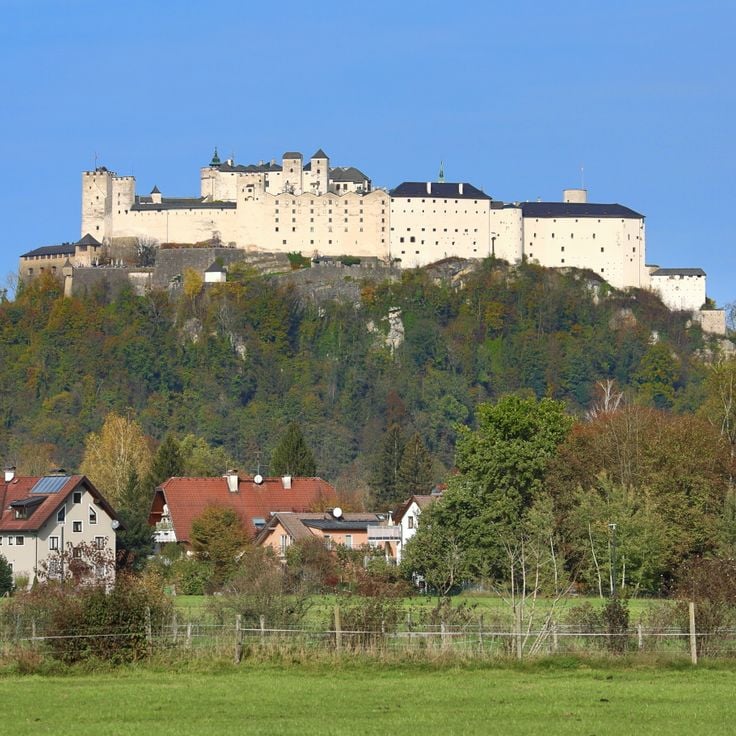
Hohensalzburg Fortress stands on a hilltop high above Salzburg, dominating the entire city from above. From its walls, you can look out over the rooftops and streets of Salzburg, with the Alps rising in the distance. Built in the Middle Ages, this fortress remains one of the most recognizable structures in the region. Visitors can walk through the interior rooms, view medieval artwork, and stand on the ramparts to take in views that stretch across the city and toward the surrounding mountains.
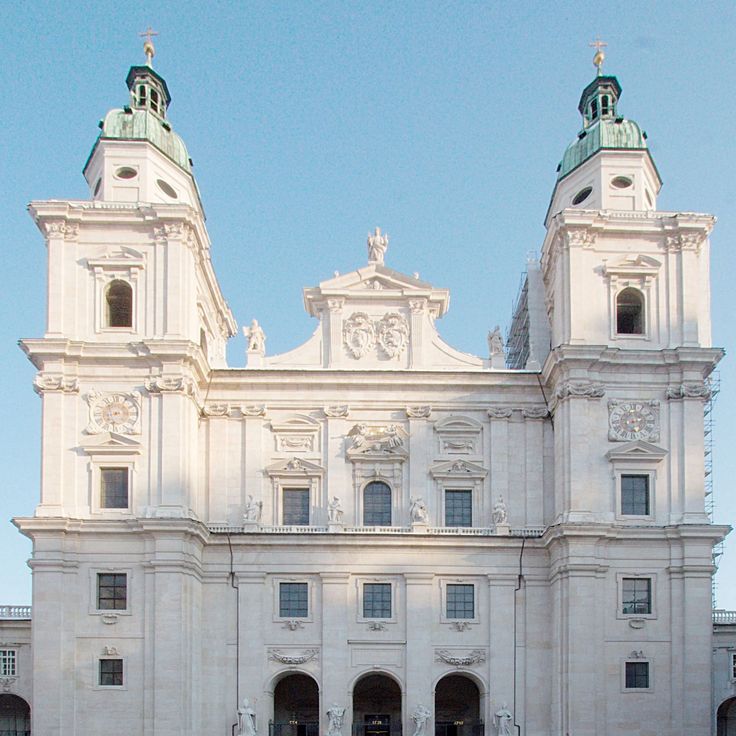
Salzburg Cathedral stands at the heart of the old town as a baroque church of great historical importance. Its light-colored stone facade shapes the city skyline and displays the characteristic architecture of the 17th century. Inside are artworks and religious objects spanning centuries. The cathedral continues to serve as a major place of worship for the city's faithful and draws visitors who wish to discover the history and art of this region.
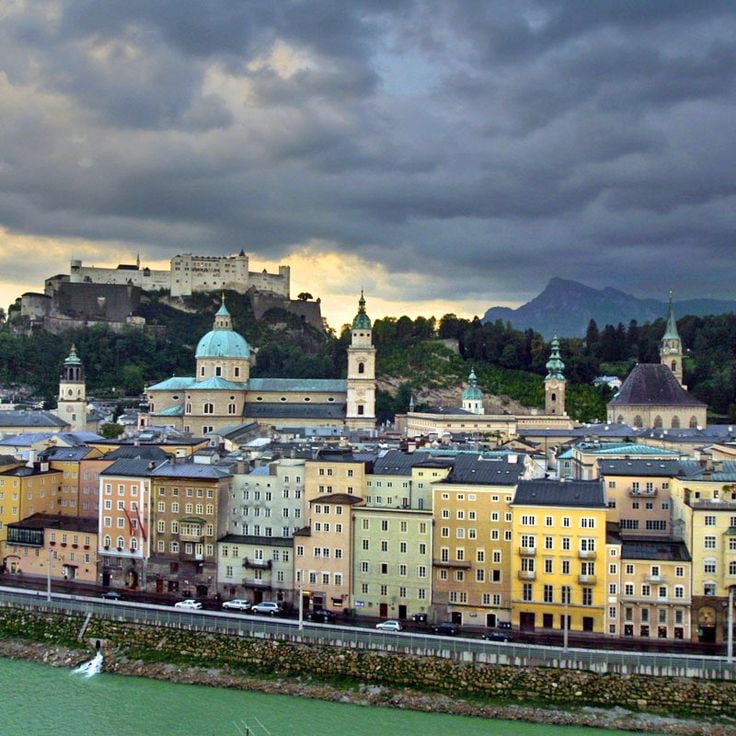
The Old Town of Salzburg is the heart of the city and a UNESCO World Heritage site. Walking through it, you find narrow streets with cobblestones, baroque churches, and buildings with colored facades pressed closely together. The layout feels like a maze that invites you to wander and discover. Shops, cafes, and small squares fill the streets. The cathedral stands out prominently, and from many corners you can see the fortress perched on the hill above. This is where Salzburg shows its past: buildings from different centuries that shape how the city lives today.
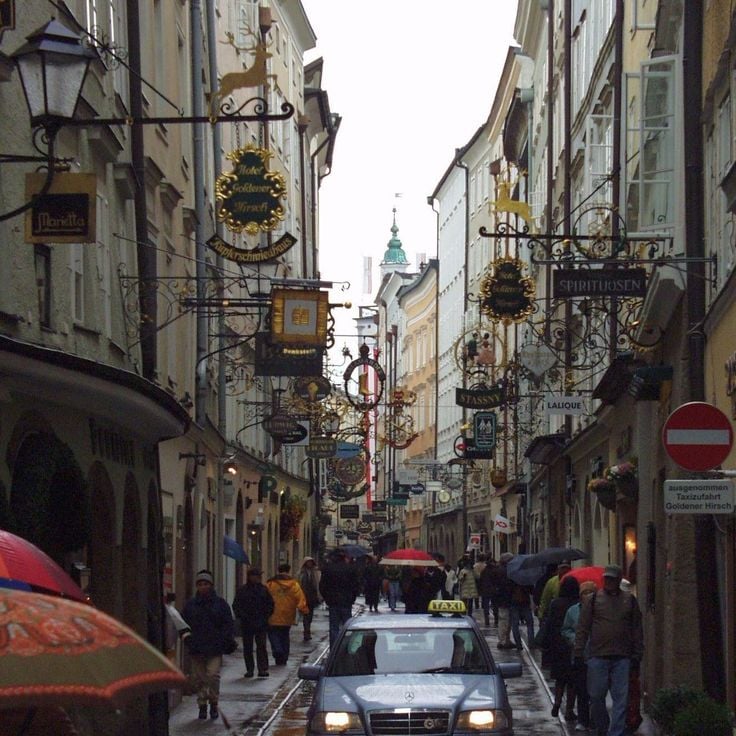
Getreidegasse is the main shopping street running through Salzburg's old town. This historic lane cuts through the heart of the city with narrow passages where shops and cafes line colorful facades typical of the region. The street maintains the character that has defined Salzburg for centuries. Visitors can find local crafts, traditional sweets, and Austrian specialties while walking through the cobblestone passages and exploring the small shops tucked along the way.
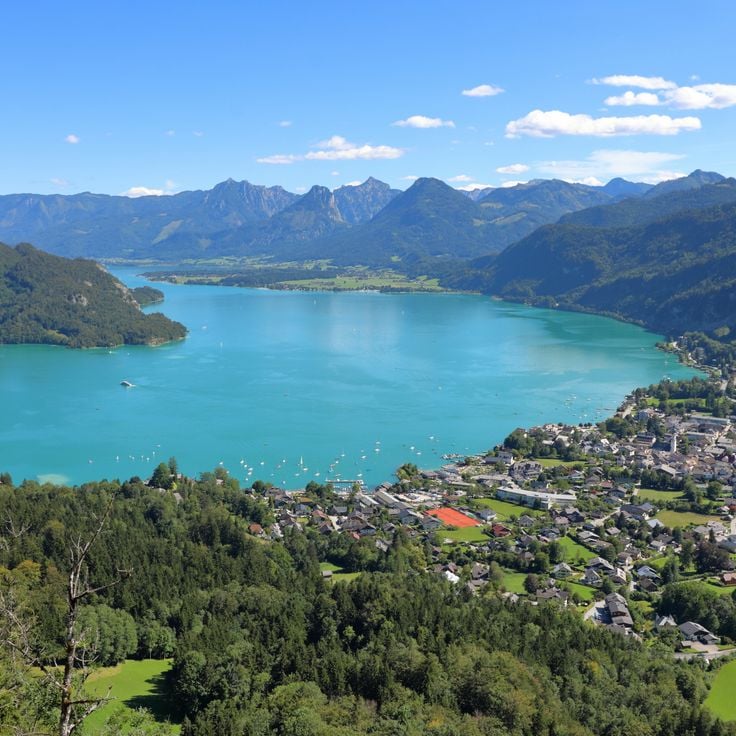
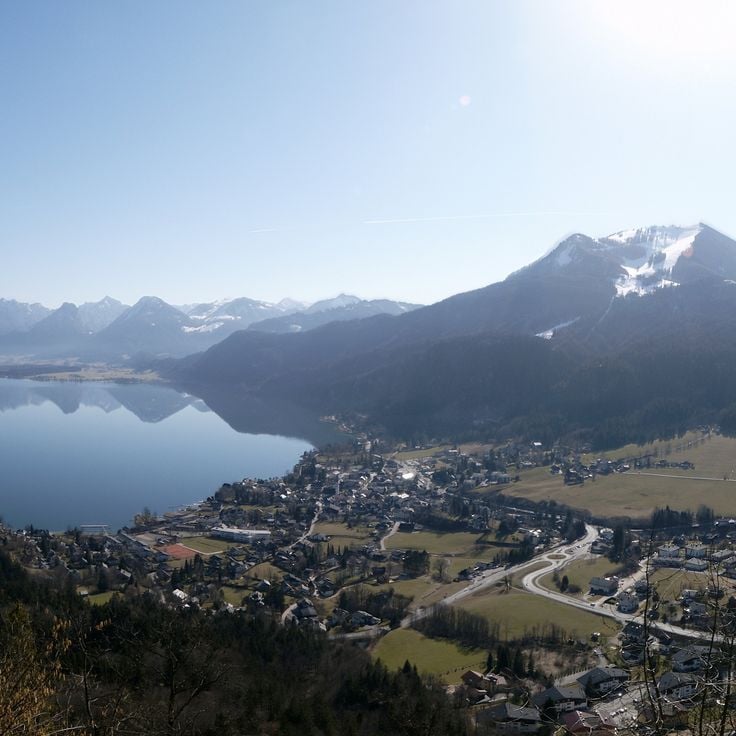
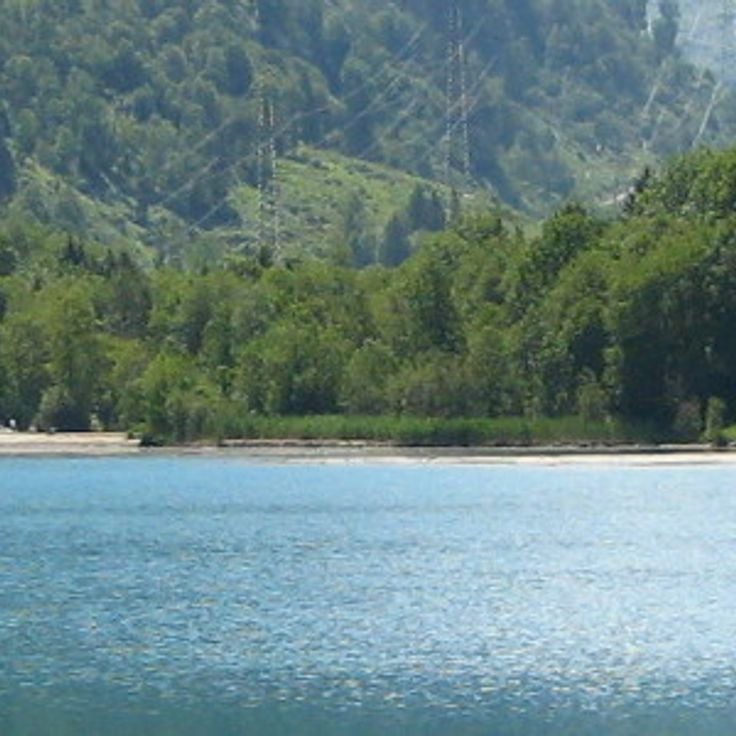
Lake Wolfgangsee is one of the most beautiful lakes in the Salzburg region. This large alpine lake is surrounded by mountains and has clear, cool water. Small villages sit along the shores and blend naturally into the landscape. You can take a boat across the lake and watch the surrounding mountains as you travel. The shores are green and the villages have traditional houses. The lake is easily reached from Salzburg and offers opportunities for walks, boat trips, and swimming.
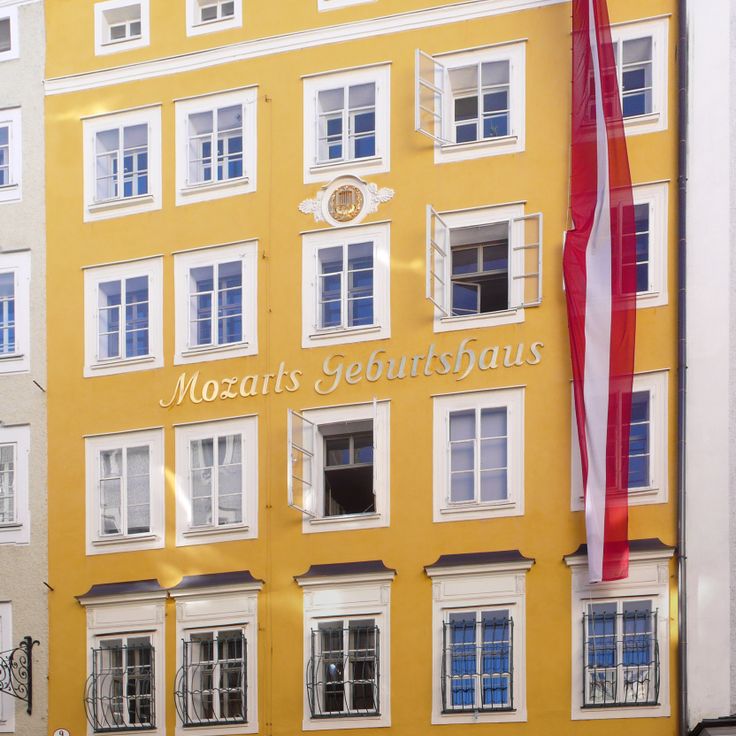
Mozart's birthhouse in Salzburg's old town shows the life of the famous composer from his birth through his early years. The rooms are arranged to help you understand how Mozart grew up, which instruments he played, and how his family lived. Original manuscripts, personal objects, and furniture from that time tell the story of a boy who wrote and played music as a child. The house stands in the center of Salzburg and offers insight into Mozart's history and family life.
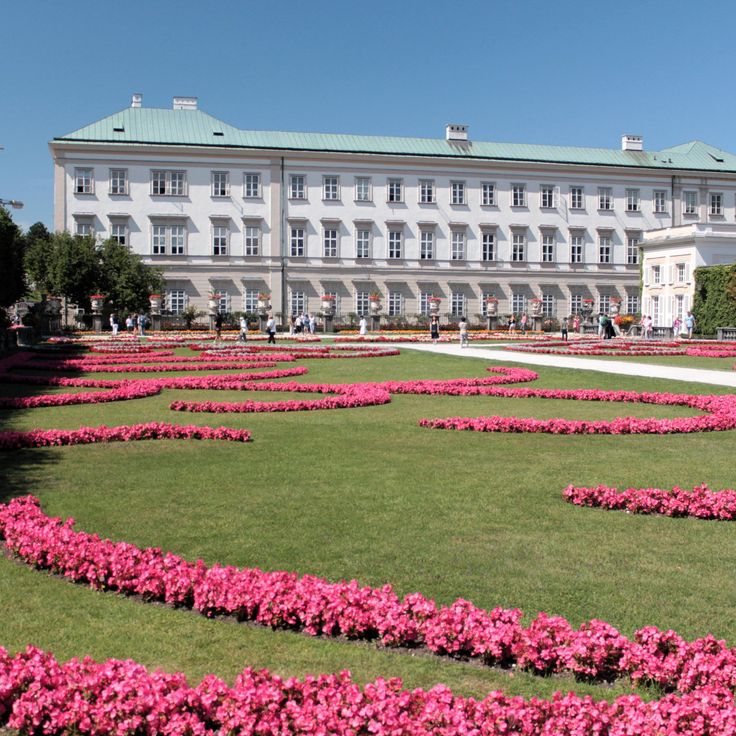
The Mirabell Palace and gardens are a baroque landmark in Salzburg where you can walk through organized gardens filled with fountains and flower beds. The palace was built in the 1600s and remains a place where visitors stroll along pathways, see sculptures, and enjoy views of the city and surrounding mountains.
Gut Aiderbichl is an animal sanctuary in Henndorf where rescued animals live freely in open spaces. Visitors can watch the animals as they move through their habitat and learn about their individual journeys. The sanctuary demonstrates how animals that suffered neglect or harm can recover and thrive. It offers a direct connection between people and the animals they help protect.
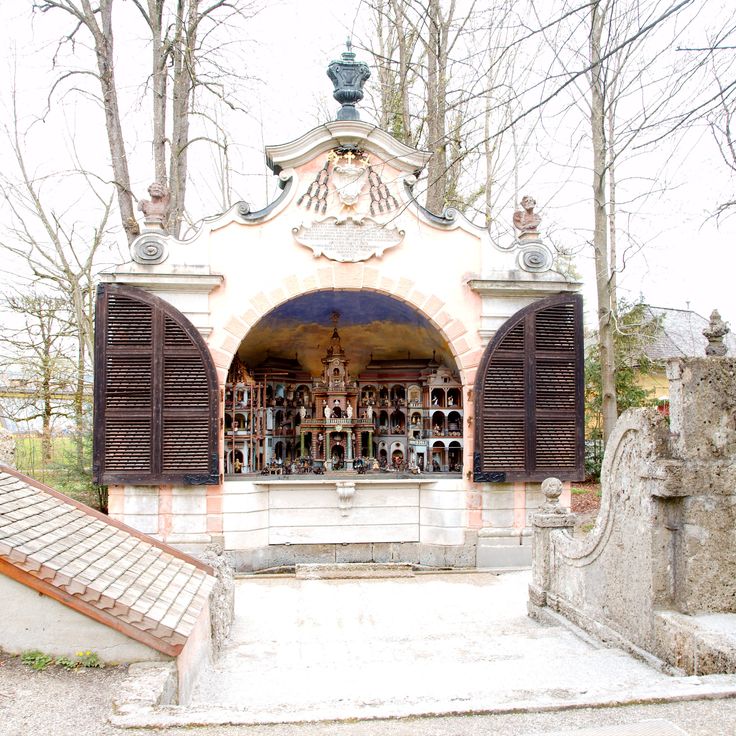
Schloss Hellbrunn is a baroque palace in Salzburg featuring elaborate fountains and water tricks hidden throughout its gardens. Once built as a pleasure palace for the prince-bishops of Salzburg, it served as a place for entertainment and recreation. Visitors can walk through the rooms and grounds, discovering the hidden water effects that activate unexpectedly to surprise those passing by.
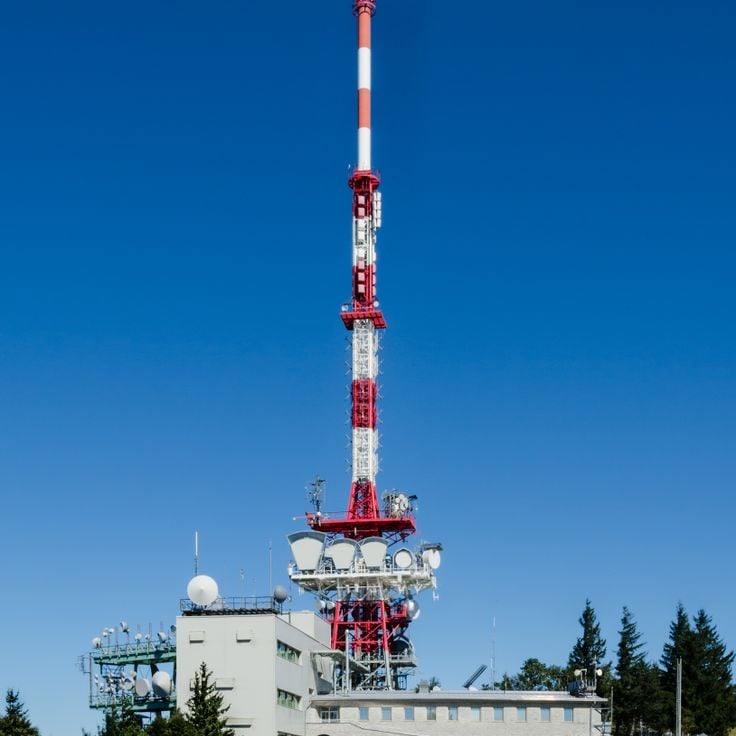
Gaisberg is a mountain that rises above Salzburg and can be reached by a scenic road. From the top, you look down at the old city with its churches and rooftops, while the Alpine peaks spread out beyond. On clear days, you can see far into the surrounding valleys and lakes. It is a place where visitors go to see the city from a distance and understand how it sits within the landscape.
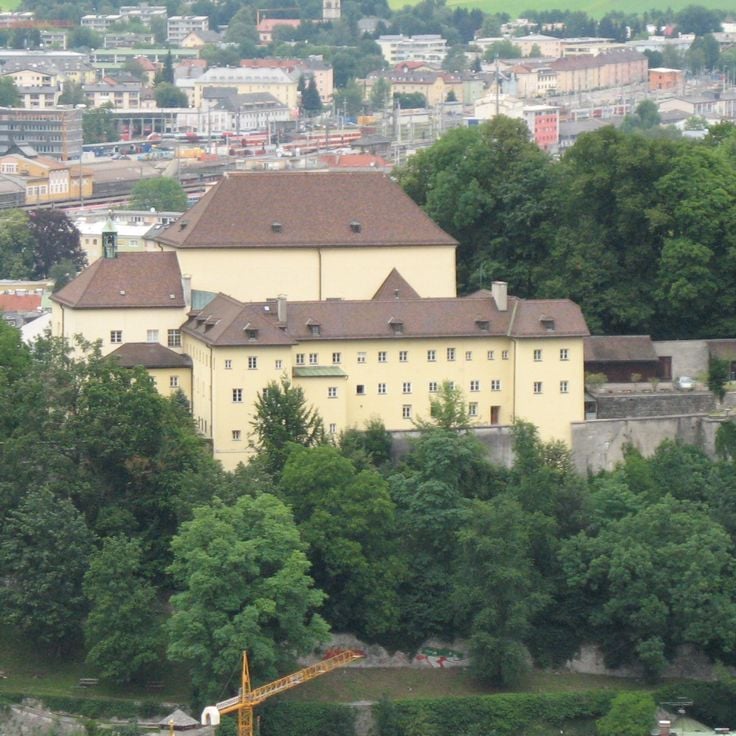
Kapuzinerberg is a hill in Salzburg with a walking path that leads to the summit. From the top, you can see the city and its rooftops. The hill sits east of the old town and was home to Capuchin monks who built a monastery there. Locals and visitors use the climb as a walk to see Salzburg from above.
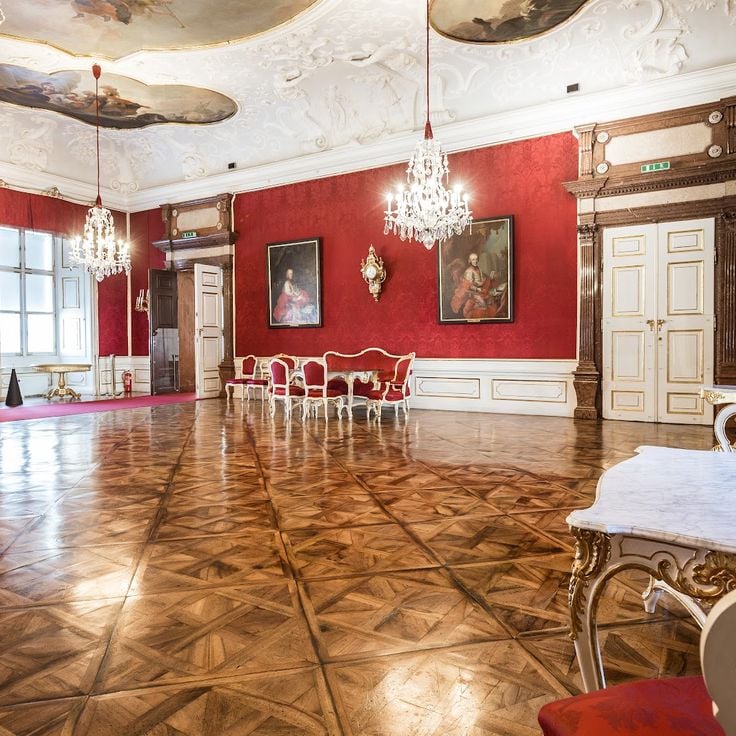
The Salzburg Residence was the seat of the prince-archbishops and is now a museum displaying art and aristocratic life. This building in the heart of Salzburg's old town connects the region's history with the collections that fill its rooms. Visitors can walk through the chambers and see how the rulers lived and governed here, while discovering artworks and furnishings from different periods.
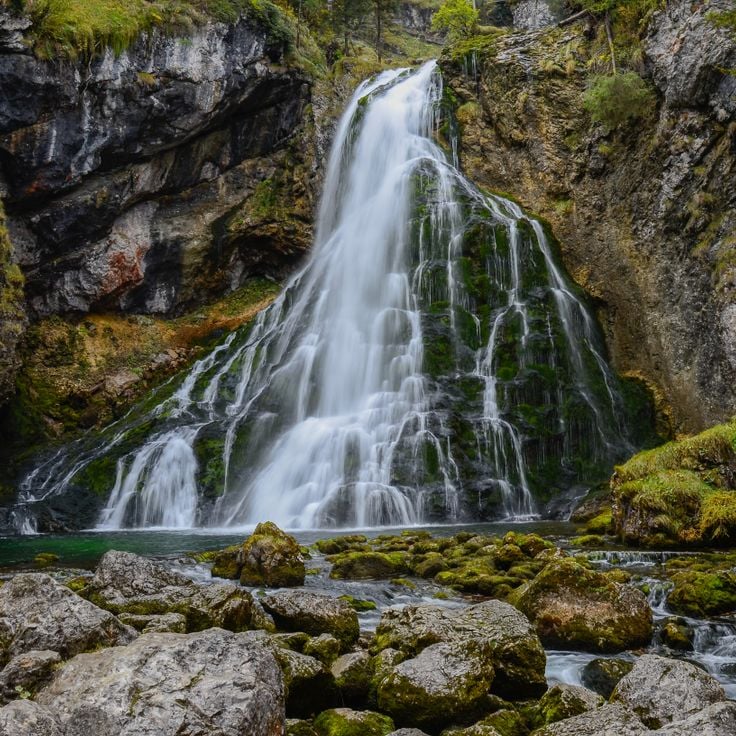
This waterfall in the Salzburg region drops from a great height over steep rock faces. The cascade sits in a valley surrounded by towering cliffs. You can walk close to the falls and hear the roar of the water as it plunges down. The location is easy to reach from Salzburg city and serves as one of the natural attractions visitors seek out. More water flows in summer, especially after rainfall or when snow melts in the mountains.
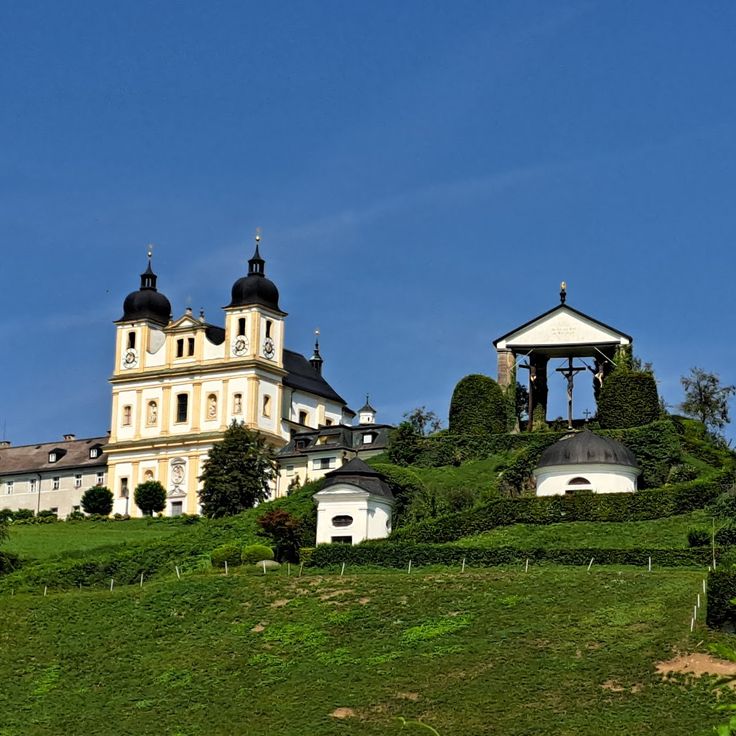
The Basilica of Maria Plain rises above Bergheim and serves as a significant religious site in the Salzburg region. From this elevated location, visitors can look out over the city of Salzburg and the surrounding countryside. The basilica draws pilgrims and offers a vantage point where you can see the mountain landscapes and distant peaks.
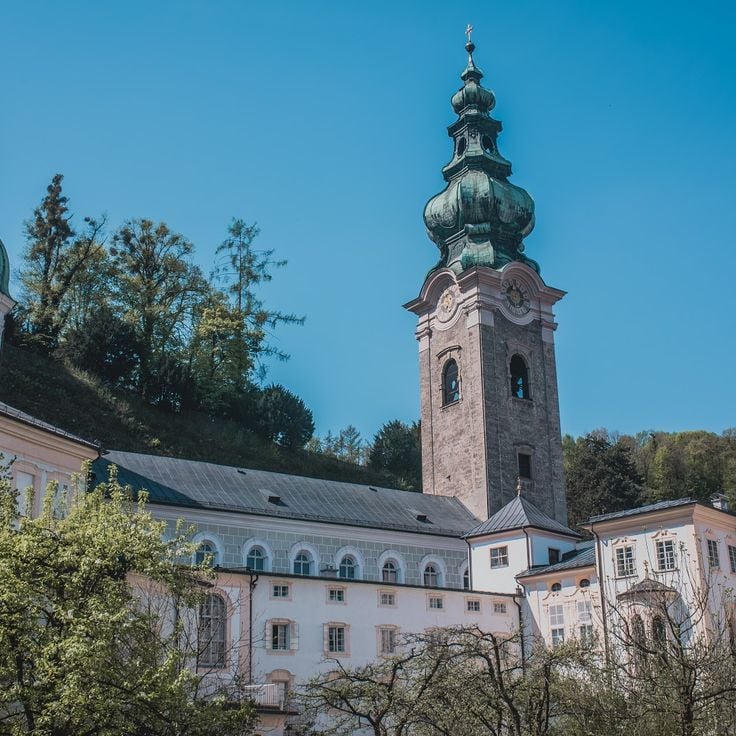
Saint Peter's Abbey is a Benedictine monastery in Salzburg's old town. It contains a historic cemetery and underground catacombs you can explore. The site shows the city's religious history over many centuries. Visitors can walk through passages beneath the ground and see ancient burial places. The church itself displays the baroque architecture that characterizes Salzburg. The monastery sits in the city center and is easy to reach.
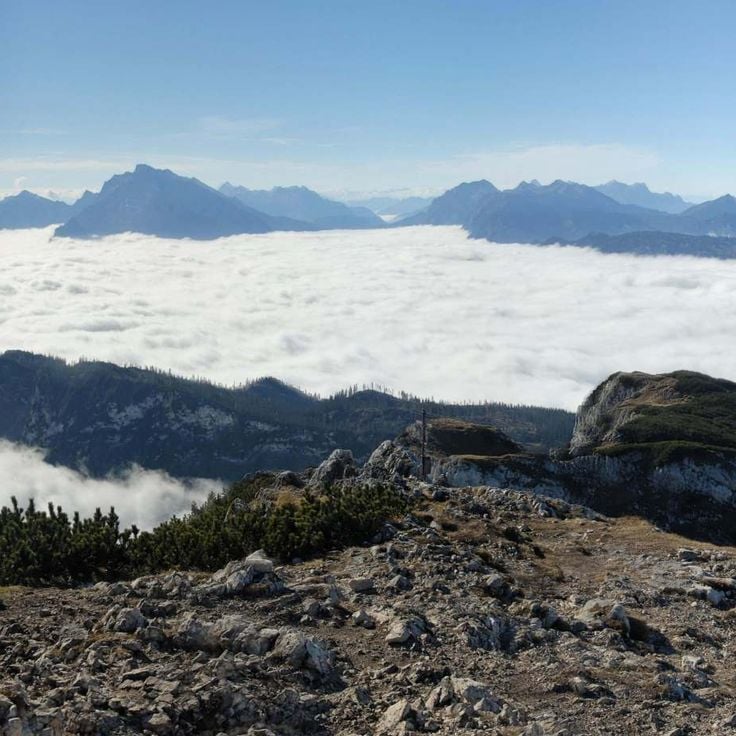
The Untersberg, near Grödig, is a large mountain massif that rises just south of Salzburg. A cable car runs from the valley up to just below the summit, where you get a wide view over the city of Salzburg, the Salzach valley, and the peaks of the Pinzgau. On a clear day, the lakes of the Salzkammergut are visible in the distance. At the top, hiking trails fan out across the ridges, ranging from short walks to longer routes. Because the Untersberg sits so close to the city, it works well as a day trip from Salzburg.
The Mönchsberg Museum is built directly into the mountainside and displays modern and contemporary art. The building creates a special relationship between architecture and the natural landscape. The museum shows rotating exhibitions of different artistic movements and styles. Located in the heart of Salzburg, it is easy to visit. From this spot, you can see the city from above.
Sankt Gilgen sits on the shore of Lake Wolfgangsee in the Flachgau region and is a village with colorful houses, restaurants, and a swimming beach. This place is part of the collection because it shows the lake landscapes of the Salzkammergut, where mountains reflect in turquoise waters. From here, visitors can explore the mountains or travel to the nearby city of Salzburg.
Hangar-7 in Salzburg is an exhibition hangar operated by Red Bull that houses aircraft and spacecraft. The space serves as a hub for entertainment and culture. Visitors can see a collection of aircraft and technical objects that tell the story of aviation history and human flight achievement. The building itself is modern and spacious, with large windows that let in plenty of light. It is a place where innovation and history come together.
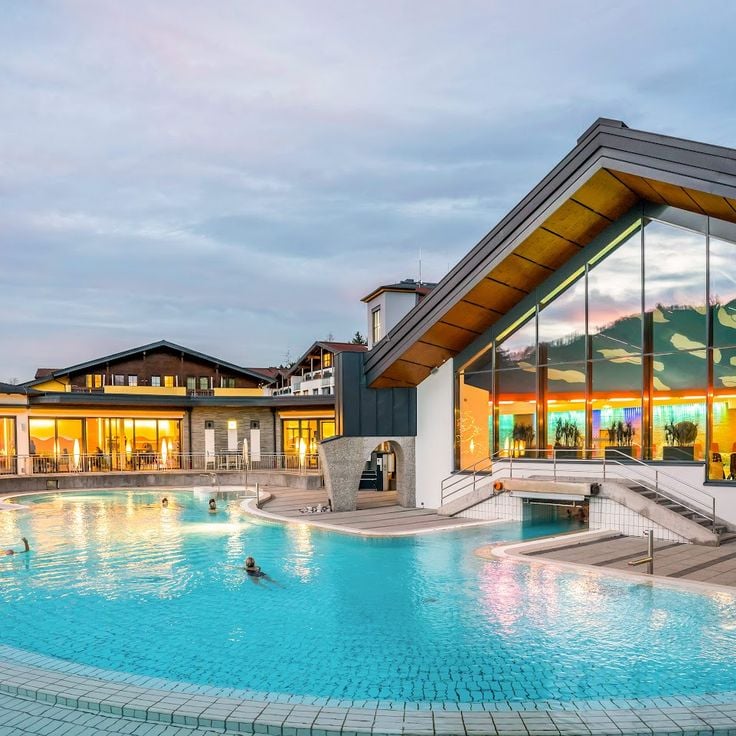
Bad Vigaun is a thermal spa town in the Salzburg region where hot springs attract visitors seeking relaxation and health benefits. The town has bathing facilities and wellness centers set within mountainous surroundings. Visitors can enjoy a blend of therapeutic waters and natural landscapes while exploring the broader area.
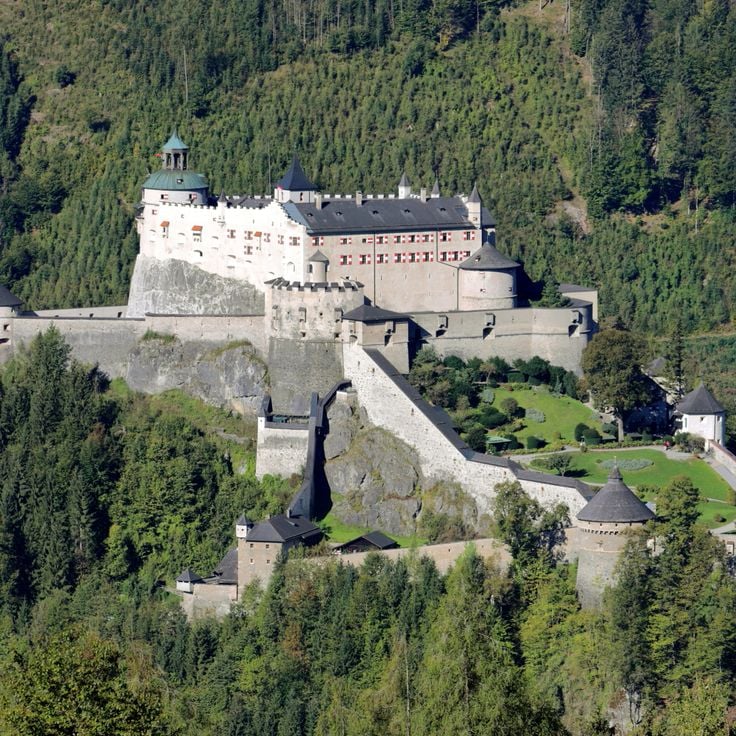
Hohenwerfen Castle rises on a steep rocky cliff above the Salzach Valley. This medieval fortress was founded in the 9th century and has dominated the landscape for centuries. From its walls, you can see across green hills and forests toward the Salzkammergut region. The climb to the castle is steep, but the summit offers wide views of the surrounding area. Inside, you can explore old rooms, towers, and a chapel. Falconry demonstrations sometimes take place here, connecting visitors to ancient traditions.
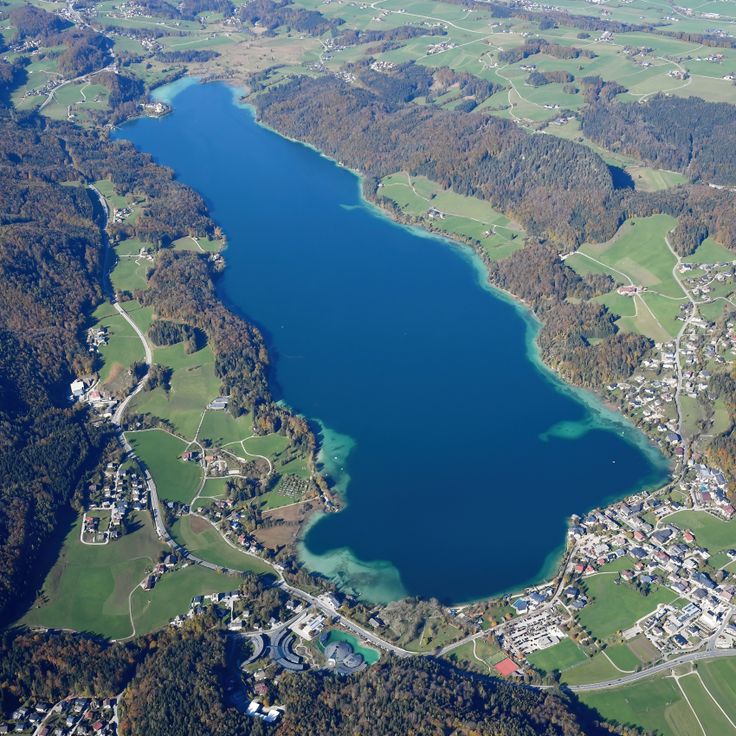
Fuschlsee is a lake in the Salzburg region surrounded by wooded shores. The water invites you to swim and enjoy water sports. Around the lake there are areas for bathing and relaxing. The lake sits in an area that calls for walks and outings and is easy to reach from the city of Salzburg.
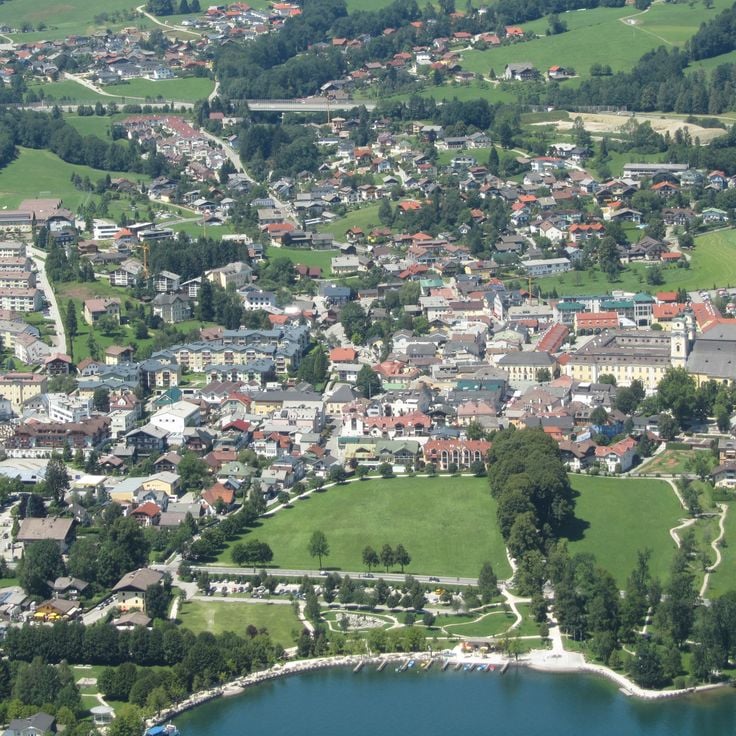
Mondsee is a village on the shores of the lake in the eastern part of the region, known for its basilica and as a popular swimming spot. The village sits on the water's edge, surrounded by mountains. The basilica defines the character of the place. Many people come here to swim and relax.
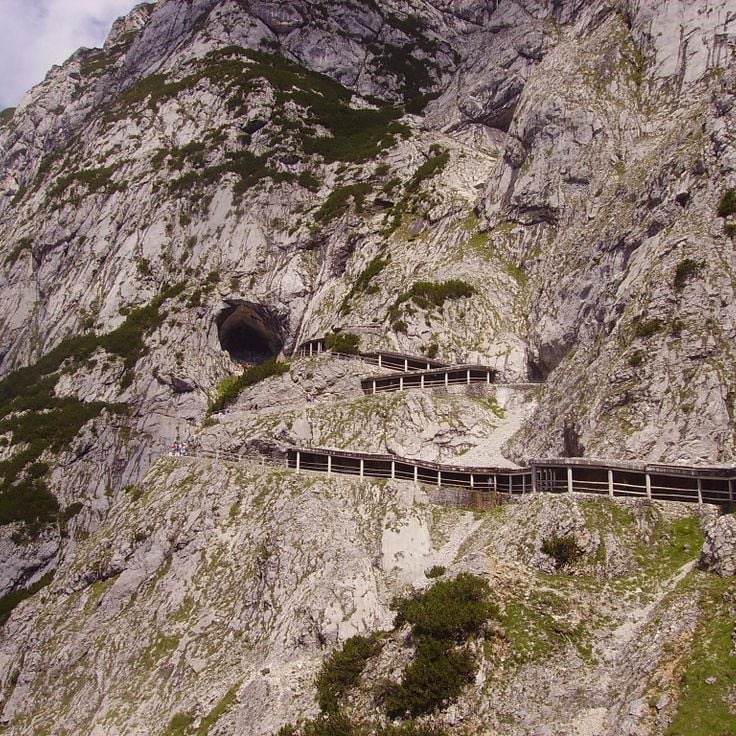
Eisriesenwelt in Werfen is a natural ice cave where ice persists throughout the year. It offers an underground natural spectacle distinct from other regional attractions. Visitors walk through frozen passages and chambers covered in ice. The cave reveals the harsher side of the Alps and shows how nature operates at high altitude.
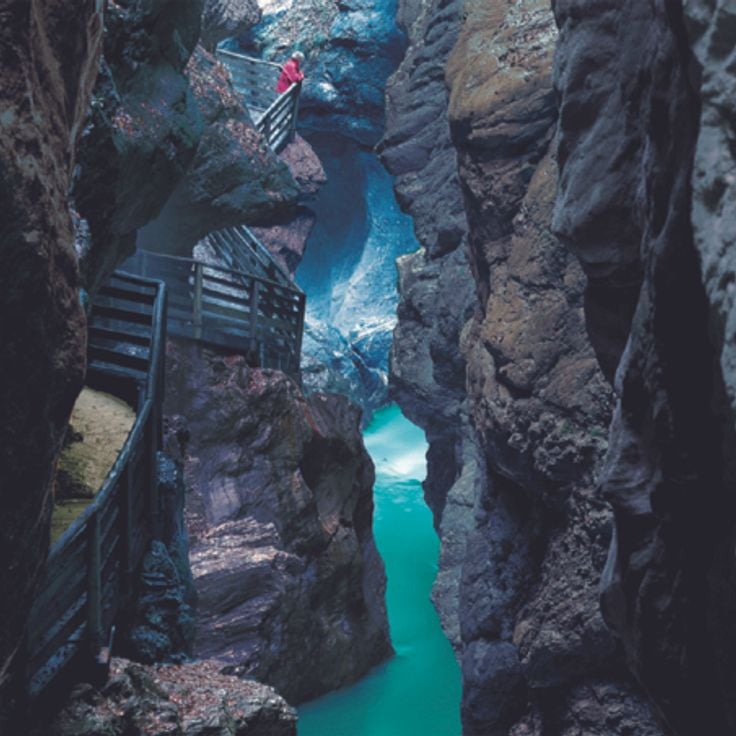
The Liechtensteinklamm is a dramatic gorge near St. Johann im Pongau where visitors walk along wooden walkways following a mountain river between towering rock walls. The narrow passage shows the raw geology of the Pongau region, with water rushing through the rocky terrain below. As you move along the secured pathways and wooden bridges, you experience the power of the river and the steep granite walls that form this natural canyon. The gorge reveals how water has carved through the landscape over thousands of years.
Kaprun is an alpine village in Pinzgau that sits at the entrance to high mountain terrain. The village is defined by its hydroelectric dams and infrastructure that harness the power of the surrounding peaks. These facilities shape the local landscape and reflect how the region has developed over time. From Kaprun, visitors can access the higher elevations and explore the natural environment that surrounds this mountain community.
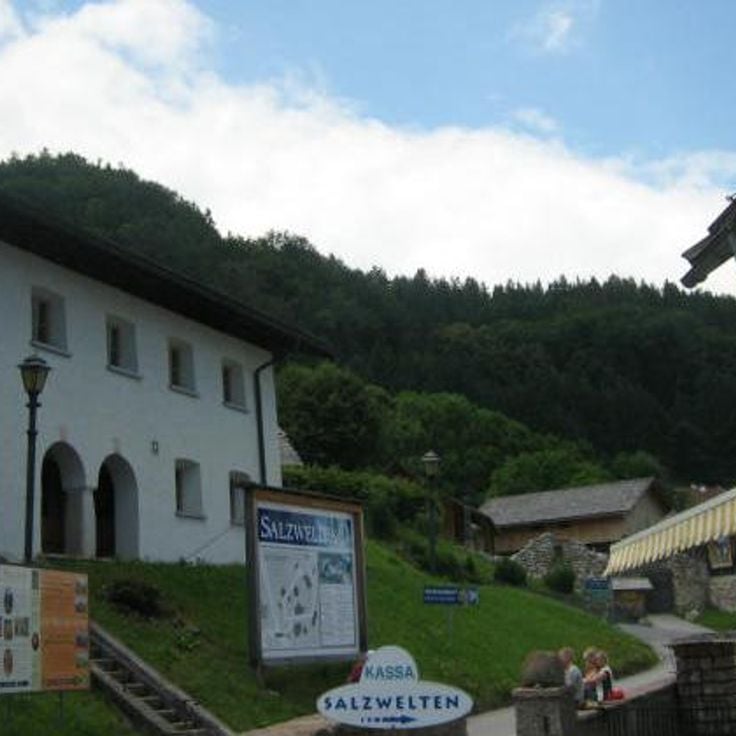
The salt mine of Hallein is a former salt quarry that now operates as a museum. Visitors can explore the history of salt extraction and learn how this resource shaped the region. The mine displays different mining techniques from various periods and gives insight into underground work. You can walk through old tunnels and still see traces left by miners. This mine was once a major source of income for the city of Hallein and the entire Salzburg region.
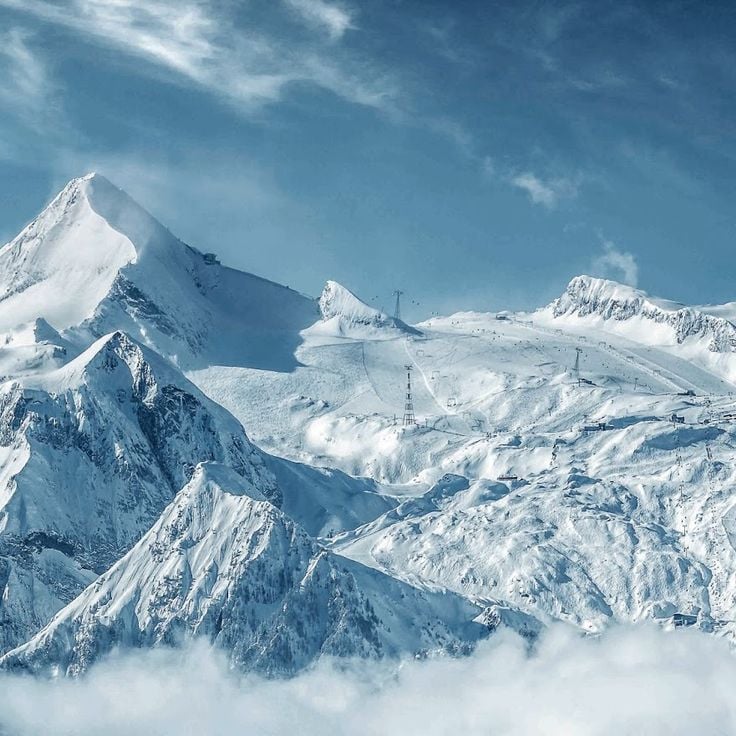
Kitzsteinhorn is a mountain south of Salzburg with glaciers and modern cable car systems. From the upper station, visitors can access ski runs or enjoy views across the surrounding Alps from the high peaks. In summer, hikers and climbers visit the mountain. In winter, skiers come here. The cable cars connect the valley to the upper elevations, making these heights accessible without physical strain.
Hohe Tauern National Park is one of the largest protected areas in the Alps and forms the southern edge of Salzburg Land. This park combines mountain peaks, glaciers, and alpine wildlife in a landscape you can explore on foot. The scenery shifts between snow-covered summits, green valleys, and clear mountain lakes. Here you will find marmots, golden eagles, and other animals that live only at these heights. The park is accessible from Pinzgau and shows how the nature of Salzburg Land takes its wildest form in the south.
Zell am See is a mountain town on the shore of a lake in the Pinzgau region. The town offers walking paths and water sports throughout the year. In winter, nearby ski areas attract winter sports enthusiasts, while in summer swimmers and hikers come to enjoy the area. The clear water of the lake reflects the surrounding mountains. The old town with its buildings sits directly on the lake shore.
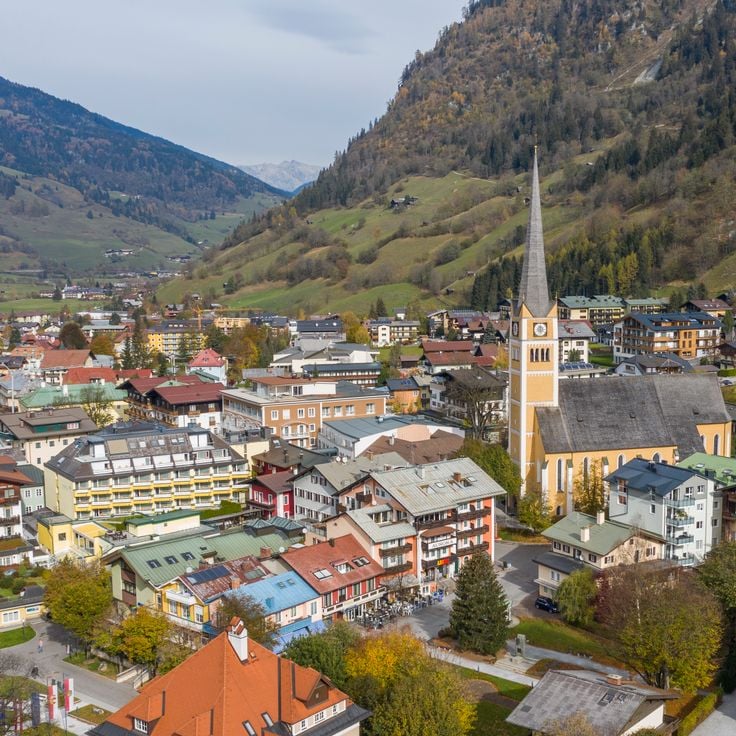
Bad Gastein is a mountain village from the Belle Époque era, built around a dramatic waterfall and thermal baths. Located in the Gasteinertal valley, it combines 19th-century architecture with natural hot springs. Visitors find spa facilities, mountain hiking trails, and the character of a historic resort town where tradition and nature coexist.
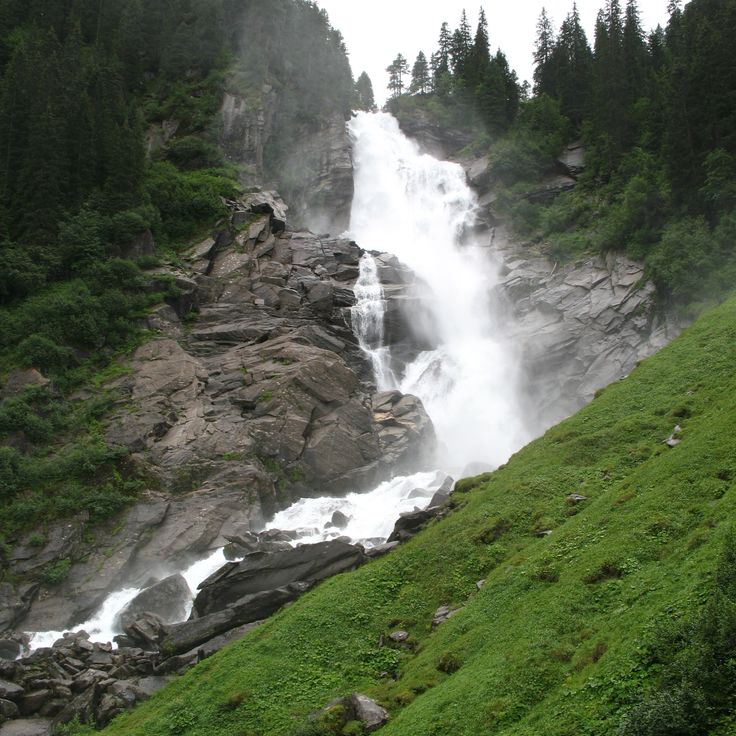
The Krimml Falls are the highest waterfalls in Austria, dropping 380 meters into the gorge below. Located in southern Salzburg region, they attract hikers and visitors who want to experience the power of Alpine nature. Well-marked trails lead through forests and meadows to various viewpoints where you can see the falls from different angles. The water plunges in several stages, creating an impressive sight. On clear days, rainbows form in the mist of the falling water. Walking to these falls shows you the raw landscape that defines Salzburg province.
The Grossglockner Alpine Road is a mountain route that traverses the Austrian Alps, connecting the Pinzgau region through scenic passes and high-altitude landscapes. Accessed from the north via Bruck and Fusch, this road takes travelers through some of the most dramatic alpine terrain in the area. Along the way, visitors encounter glaciers, mountain meadows, and vast views across peaks and valleys, offering a direct way to experience the alpine environment of the region.
Obertauern sits on a mountain pass between the Lungau and Pongau regions, at around 5,700 ft (1,740 m) above sea level. The village is small and easy to walk around, surrounded by high peaks. In winter, many skiers come for the reliable snow cover. In summer, hikers and cyclists take to the mountain trails. The pass was once a key route for trade and travel. Today, Obertauern serves as a base for exploring the alpine areas of the Salzburg region.
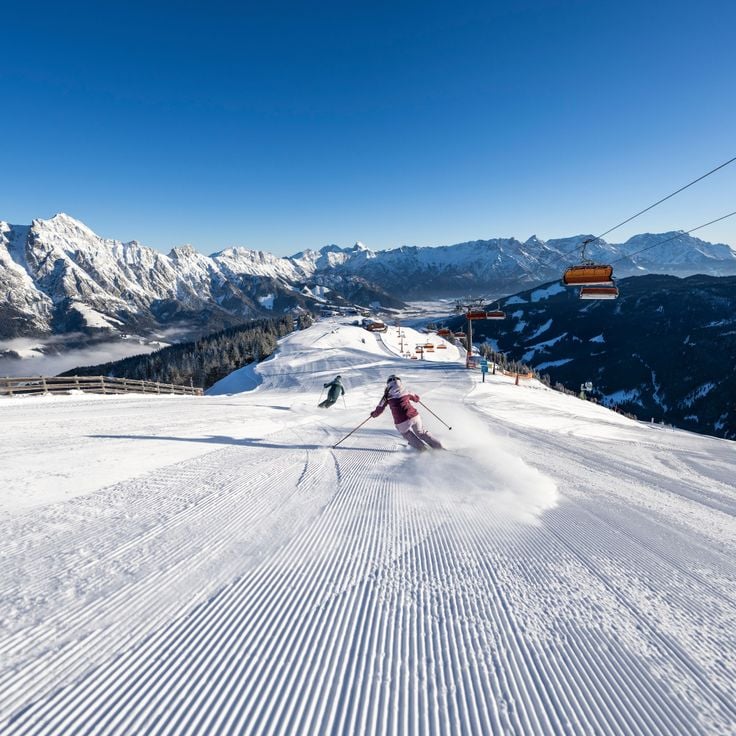
Saalbach Hinterglemm is a mountain resort in Pinzgau that stays active year-round. In winter, ski slopes and lifts draw visitors looking for snow sports. Summer brings hikers and mountain bikers exploring the trails. The village keeps a practical character, blending sport with local life. From this location, you can reach the surrounding valleys and higher peaks.
Mittersill serves as the gateway to Hohe Tauern National Park and offers access to alpine hiking routes and nature experiences. The village functions as a starting point for visitors wanting to explore the high mountain landscape. The local museum documents the ecosystems of the region and explains how plants and animals survive at this altitude. From here, hikers can reach glaciers, mountain lakes, and peaks. Mittersill combines the practical role of a base camp with that of an information center for nature lovers.
Sportgastein in Gasteinertal is a high alpine valley with striking mountain views and outdoor activities for all visitors. As part of the Salzburg region, this place shows the natural beauty of the Alps. The valley has hiking paths through mountain meadows, climbing routes, and views of peaks and glaciers. In summer, green slopes dominate the landscape, while winter brings snow to the heights. This location fits well into a trip through the area to experience the mountain world of Salzburg up close.
Bad Hofgastein is a spa town in the Gasteinertal valley where visitors can soak in heated thermal baths surrounded by mountains. The area transforms with the seasons: winter brings skiing opportunities, and summer opens walking trails through alpine landscape. Over time, the town developed around its natural hot springs, attracting people seeking therapeutic waters. The buildings reflect different eras of architecture, and local restaurants serve regional food. Nature dominates the surroundings, with green slopes and rocky peaks framing the valley.
Hohensalzburg Fortress stands on a hilltop high above Salzburg, dominating the entire city from above. From its walls, you can look out over the rooftops and streets of Salzburg, with the Alps rising in the distance. Built in the Middle Ages, this fortress remains one of the most recognizable structures in the region. Visitors can walk through the interior rooms, view medieval artwork, and stand on the ramparts to take in views that stretch across the city and toward the surrounding mountains.
Salzburg Cathedral stands at the heart of the old town as a baroque church of great historical importance. Its light-colored stone facade shapes the city skyline and displays the characteristic architecture of the 17th century. Inside are artworks and religious objects spanning centuries. The cathedral continues to serve as a major place of worship for the city's faithful and draws visitors who wish to discover the history and art of this region.
The Old Town of Salzburg is the heart of the city and a UNESCO World Heritage site. Walking through it, you find narrow streets with cobblestones, baroque churches, and buildings with colored facades pressed closely together. The layout feels like a maze that invites you to wander and discover. Shops, cafes, and small squares fill the streets. The cathedral stands out prominently, and from many corners you can see the fortress perched on the hill above. This is where Salzburg shows its past: buildings from different centuries that shape how the city lives today.
Getreidegasse is the main shopping street running through Salzburg's old town. This historic lane cuts through the heart of the city with narrow passages where shops and cafes line colorful facades typical of the region. The street maintains the character that has defined Salzburg for centuries. Visitors can find local crafts, traditional sweets, and Austrian specialties while walking through the cobblestone passages and exploring the small shops tucked along the way.
Lake Wolfgangsee is one of the most beautiful lakes in the Salzburg region. This large alpine lake is surrounded by mountains and has clear, cool water. Small villages sit along the shores and blend naturally into the landscape. You can take a boat across the lake and watch the surrounding mountains as you travel. The shores are green and the villages have traditional houses. The lake is easily reached from Salzburg and offers opportunities for walks, boat trips, and swimming.
Mozart's birthhouse in Salzburg's old town shows the life of the famous composer from his birth through his early years. The rooms are arranged to help you understand how Mozart grew up, which instruments he played, and how his family lived. Original manuscripts, personal objects, and furniture from that time tell the story of a boy who wrote and played music as a child. The house stands in the center of Salzburg and offers insight into Mozart's history and family life.
The Mirabell Palace and gardens are a baroque landmark in Salzburg where you can walk through organized gardens filled with fountains and flower beds. The palace was built in the 1600s and remains a place where visitors stroll along pathways, see sculptures, and enjoy views of the city and surrounding mountains.
Gut Aiderbichl is an animal sanctuary in Henndorf where rescued animals live freely in open spaces. Visitors can watch the animals as they move through their habitat and learn about their individual journeys. The sanctuary demonstrates how animals that suffered neglect or harm can recover and thrive. It offers a direct connection between people and the animals they help protect.
Schloss Hellbrunn is a baroque palace in Salzburg featuring elaborate fountains and water tricks hidden throughout its gardens. Once built as a pleasure palace for the prince-bishops of Salzburg, it served as a place for entertainment and recreation. Visitors can walk through the rooms and grounds, discovering the hidden water effects that activate unexpectedly to surprise those passing by.
Gaisberg is a mountain that rises above Salzburg and can be reached by a scenic road. From the top, you look down at the old city with its churches and rooftops, while the Alpine peaks spread out beyond. On clear days, you can see far into the surrounding valleys and lakes. It is a place where visitors go to see the city from a distance and understand how it sits within the landscape.
Kapuzinerberg is a hill in Salzburg with a walking path that leads to the summit. From the top, you can see the city and its rooftops. The hill sits east of the old town and was home to Capuchin monks who built a monastery there. Locals and visitors use the climb as a walk to see Salzburg from above.
The Salzburg Residence was the seat of the prince-archbishops and is now a museum displaying art and aristocratic life. This building in the heart of Salzburg's old town connects the region's history with the collections that fill its rooms. Visitors can walk through the chambers and see how the rulers lived and governed here, while discovering artworks and furnishings from different periods.
This waterfall in the Salzburg region drops from a great height over steep rock faces. The cascade sits in a valley surrounded by towering cliffs. You can walk close to the falls and hear the roar of the water as it plunges down. The location is easy to reach from Salzburg city and serves as one of the natural attractions visitors seek out. More water flows in summer, especially after rainfall or when snow melts in the mountains.
The Basilica of Maria Plain rises above Bergheim and serves as a significant religious site in the Salzburg region. From this elevated location, visitors can look out over the city of Salzburg and the surrounding countryside. The basilica draws pilgrims and offers a vantage point where you can see the mountain landscapes and distant peaks.
Saint Peter's Abbey is a Benedictine monastery in Salzburg's old town. It contains a historic cemetery and underground catacombs you can explore. The site shows the city's religious history over many centuries. Visitors can walk through passages beneath the ground and see ancient burial places. The church itself displays the baroque architecture that characterizes Salzburg. The monastery sits in the city center and is easy to reach.
The Untersberg, near Grödig, is a large mountain massif that rises just south of Salzburg. A cable car runs from the valley up to just below the summit, where you get a wide view over the city of Salzburg, the Salzach valley, and the peaks of the Pinzgau. On a clear day, the lakes of the Salzkammergut are visible in the distance. At the top, hiking trails fan out across the ridges, ranging from short walks to longer routes. Because the Untersberg sits so close to the city, it works well as a day trip from Salzburg.
The Mönchsberg Museum is built directly into the mountainside and displays modern and contemporary art. The building creates a special relationship between architecture and the natural landscape. The museum shows rotating exhibitions of different artistic movements and styles. Located in the heart of Salzburg, it is easy to visit. From this spot, you can see the city from above.
Sankt Gilgen sits on the shore of Lake Wolfgangsee in the Flachgau region and is a village with colorful houses, restaurants, and a swimming beach. This place is part of the collection because it shows the lake landscapes of the Salzkammergut, where mountains reflect in turquoise waters. From here, visitors can explore the mountains or travel to the nearby city of Salzburg.
Hangar-7 in Salzburg is an exhibition hangar operated by Red Bull that houses aircraft and spacecraft. The space serves as a hub for entertainment and culture. Visitors can see a collection of aircraft and technical objects that tell the story of aviation history and human flight achievement. The building itself is modern and spacious, with large windows that let in plenty of light. It is a place where innovation and history come together.
Bad Vigaun is a thermal spa town in the Salzburg region where hot springs attract visitors seeking relaxation and health benefits. The town has bathing facilities and wellness centers set within mountainous surroundings. Visitors can enjoy a blend of therapeutic waters and natural landscapes while exploring the broader area.
Hohenwerfen Castle rises on a steep rocky cliff above the Salzach Valley. This medieval fortress was founded in the 9th century and has dominated the landscape for centuries. From its walls, you can see across green hills and forests toward the Salzkammergut region. The climb to the castle is steep, but the summit offers wide views of the surrounding area. Inside, you can explore old rooms, towers, and a chapel. Falconry demonstrations sometimes take place here, connecting visitors to ancient traditions.
Fuschlsee is a lake in the Salzburg region surrounded by wooded shores. The water invites you to swim and enjoy water sports. Around the lake there are areas for bathing and relaxing. The lake sits in an area that calls for walks and outings and is easy to reach from the city of Salzburg.
Mondsee is a village on the shores of the lake in the eastern part of the region, known for its basilica and as a popular swimming spot. The village sits on the water's edge, surrounded by mountains. The basilica defines the character of the place. Many people come here to swim and relax.
Eisriesenwelt in Werfen is a natural ice cave where ice persists throughout the year. It offers an underground natural spectacle distinct from other regional attractions. Visitors walk through frozen passages and chambers covered in ice. The cave reveals the harsher side of the Alps and shows how nature operates at high altitude.
The Liechtensteinklamm is a dramatic gorge near St. Johann im Pongau where visitors walk along wooden walkways following a mountain river between towering rock walls. The narrow passage shows the raw geology of the Pongau region, with water rushing through the rocky terrain below. As you move along the secured pathways and wooden bridges, you experience the power of the river and the steep granite walls that form this natural canyon. The gorge reveals how water has carved through the landscape over thousands of years.
Kaprun is an alpine village in Pinzgau that sits at the entrance to high mountain terrain. The village is defined by its hydroelectric dams and infrastructure that harness the power of the surrounding peaks. These facilities shape the local landscape and reflect how the region has developed over time. From Kaprun, visitors can access the higher elevations and explore the natural environment that surrounds this mountain community.
The salt mine of Hallein is a former salt quarry that now operates as a museum. Visitors can explore the history of salt extraction and learn how this resource shaped the region. The mine displays different mining techniques from various periods and gives insight into underground work. You can walk through old tunnels and still see traces left by miners. This mine was once a major source of income for the city of Hallein and the entire Salzburg region.
Kitzsteinhorn is a mountain south of Salzburg with glaciers and modern cable car systems. From the upper station, visitors can access ski runs or enjoy views across the surrounding Alps from the high peaks. In summer, hikers and climbers visit the mountain. In winter, skiers come here. The cable cars connect the valley to the upper elevations, making these heights accessible without physical strain.
Hohe Tauern National Park is one of the largest protected areas in the Alps and forms the southern edge of Salzburg Land. This park combines mountain peaks, glaciers, and alpine wildlife in a landscape you can explore on foot. The scenery shifts between snow-covered summits, green valleys, and clear mountain lakes. Here you will find marmots, golden eagles, and other animals that live only at these heights. The park is accessible from Pinzgau and shows how the nature of Salzburg Land takes its wildest form in the south.
Zell am See is a mountain town on the shore of a lake in the Pinzgau region. The town offers walking paths and water sports throughout the year. In winter, nearby ski areas attract winter sports enthusiasts, while in summer swimmers and hikers come to enjoy the area. The clear water of the lake reflects the surrounding mountains. The old town with its buildings sits directly on the lake shore.
Bad Gastein is a mountain village from the Belle Époque era, built around a dramatic waterfall and thermal baths. Located in the Gasteinertal valley, it combines 19th-century architecture with natural hot springs. Visitors find spa facilities, mountain hiking trails, and the character of a historic resort town where tradition and nature coexist.
The Krimml Falls are the highest waterfalls in Austria, dropping 380 meters into the gorge below. Located in southern Salzburg region, they attract hikers and visitors who want to experience the power of Alpine nature. Well-marked trails lead through forests and meadows to various viewpoints where you can see the falls from different angles. The water plunges in several stages, creating an impressive sight. On clear days, rainbows form in the mist of the falling water. Walking to these falls shows you the raw landscape that defines Salzburg province.
The Grossglockner Alpine Road is a mountain route that traverses the Austrian Alps, connecting the Pinzgau region through scenic passes and high-altitude landscapes. Accessed from the north via Bruck and Fusch, this road takes travelers through some of the most dramatic alpine terrain in the area. Along the way, visitors encounter glaciers, mountain meadows, and vast views across peaks and valleys, offering a direct way to experience the alpine environment of the region.
Obertauern sits on a mountain pass between the Lungau and Pongau regions, at around 5,700 ft (1,740 m) above sea level. The village is small and easy to walk around, surrounded by high peaks. In winter, many skiers come for the reliable snow cover. In summer, hikers and cyclists take to the mountain trails. The pass was once a key route for trade and travel. Today, Obertauern serves as a base for exploring the alpine areas of the Salzburg region.
Saalbach Hinterglemm is a mountain resort in Pinzgau that stays active year-round. In winter, ski slopes and lifts draw visitors looking for snow sports. Summer brings hikers and mountain bikers exploring the trails. The village keeps a practical character, blending sport with local life. From this location, you can reach the surrounding valleys and higher peaks.
Mittersill serves as the gateway to Hohe Tauern National Park and offers access to alpine hiking routes and nature experiences. The village functions as a starting point for visitors wanting to explore the high mountain landscape. The local museum documents the ecosystems of the region and explains how plants and animals survive at this altitude. From here, hikers can reach glaciers, mountain lakes, and peaks. Mittersill combines the practical role of a base camp with that of an information center for nature lovers.
Sportgastein in Gasteinertal is a high alpine valley with striking mountain views and outdoor activities for all visitors. As part of the Salzburg region, this place shows the natural beauty of the Alps. The valley has hiking paths through mountain meadows, climbing routes, and views of peaks and glaciers. In summer, green slopes dominate the landscape, while winter brings snow to the heights. This location fits well into a trip through the area to experience the mountain world of Salzburg up close.
Bad Hofgastein is a spa town in the Gasteinertal valley where visitors can soak in heated thermal baths surrounded by mountains. The area transforms with the seasons: winter brings skiing opportunities, and summer opens walking trails through alpine landscape. Over time, the town developed around its natural hot springs, attracting people seeking therapeutic waters. The buildings reflect different eras of architecture, and local restaurants serve regional food. Nature dominates the surroundings, with green slopes and rocky peaks framing the valley.
Hohensalzburg Fortress stands on a hilltop high above Salzburg, dominating the entire city from above. From its walls, you can look out over the rooftops and streets of Salzburg, with the Alps rising in the distance. Built in the Middle Ages, this fortress remains one of the most recognizable structures in the region. Visitors can walk through the interior rooms, view medieval artwork, and stand on the ramparts to take in views that stretch across the city and toward the surrounding mountains.
Salzburg Cathedral stands at the heart of the old town as a baroque church of great historical importance. Its light-colored stone facade shapes the city skyline and displays the characteristic architecture of the 17th century. Inside are artworks and religious objects spanning centuries. The cathedral continues to serve as a major place of worship for the city's faithful and draws visitors who wish to discover the history and art of this region.
The Old Town of Salzburg is the heart of the city and a UNESCO World Heritage site. Walking through it, you find narrow streets with cobblestones, baroque churches, and buildings with colored facades pressed closely together. The layout feels like a maze that invites you to wander and discover. Shops, cafes, and small squares fill the streets. The cathedral stands out prominently, and from many corners you can see the fortress perched on the hill above. This is where Salzburg shows its past: buildings from different centuries that shape how the city lives today.
Getreidegasse is the main shopping street running through Salzburg's old town. This historic lane cuts through the heart of the city with narrow passages where shops and cafes line colorful facades typical of the region. The street maintains the character that has defined Salzburg for centuries. Visitors can find local crafts, traditional sweets, and Austrian specialties while walking through the cobblestone passages and exploring the small shops tucked along the way.
Lake Wolfgangsee is one of the most beautiful lakes in the Salzburg region. This large alpine lake is surrounded by mountains and has clear, cool water. Small villages sit along the shores and blend naturally into the landscape. You can take a boat across the lake and watch the surrounding mountains as you travel. The shores are green and the villages have traditional houses. The lake is easily reached from Salzburg and offers opportunities for walks, boat trips, and swimming.
Mozart's birthhouse in Salzburg's old town shows the life of the famous composer from his birth through his early years. The rooms are arranged to help you understand how Mozart grew up, which instruments he played, and how his family lived. Original manuscripts, personal objects, and furniture from that time tell the story of a boy who wrote and played music as a child. The house stands in the center of Salzburg and offers insight into Mozart's history and family life.
The Mirabell Palace and gardens are a baroque landmark in Salzburg where you can walk through organized gardens filled with fountains and flower beds. The palace was built in the 1600s and remains a place where visitors stroll along pathways, see sculptures, and enjoy views of the city and surrounding mountains.
Gut Aiderbichl is an animal sanctuary in Henndorf where rescued animals live freely in open spaces. Visitors can watch the animals as they move through their habitat and learn about their individual journeys. The sanctuary demonstrates how animals that suffered neglect or harm can recover and thrive. It offers a direct connection between people and the animals they help protect.
Schloss Hellbrunn is a baroque palace in Salzburg featuring elaborate fountains and water tricks hidden throughout its gardens. Once built as a pleasure palace for the prince-bishops of Salzburg, it served as a place for entertainment and recreation. Visitors can walk through the rooms and grounds, discovering the hidden water effects that activate unexpectedly to surprise those passing by.
Gaisberg is a mountain that rises above Salzburg and can be reached by a scenic road. From the top, you look down at the old city with its churches and rooftops, while the Alpine peaks spread out beyond. On clear days, you can see far into the surrounding valleys and lakes. It is a place where visitors go to see the city from a distance and understand how it sits within the landscape.
Kapuzinerberg is a hill in Salzburg with a walking path that leads to the summit. From the top, you can see the city and its rooftops. The hill sits east of the old town and was home to Capuchin monks who built a monastery there. Locals and visitors use the climb as a walk to see Salzburg from above.
The Salzburg Residence was the seat of the prince-archbishops and is now a museum displaying art and aristocratic life. This building in the heart of Salzburg's old town connects the region's history with the collections that fill its rooms. Visitors can walk through the chambers and see how the rulers lived and governed here, while discovering artworks and furnishings from different periods.
This waterfall in the Salzburg region drops from a great height over steep rock faces. The cascade sits in a valley surrounded by towering cliffs. You can walk close to the falls and hear the roar of the water as it plunges down. The location is easy to reach from Salzburg city and serves as one of the natural attractions visitors seek out. More water flows in summer, especially after rainfall or when snow melts in the mountains.
The Basilica of Maria Plain rises above Bergheim and serves as a significant religious site in the Salzburg region. From this elevated location, visitors can look out over the city of Salzburg and the surrounding countryside. The basilica draws pilgrims and offers a vantage point where you can see the mountain landscapes and distant peaks.
Saint Peter's Abbey is a Benedictine monastery in Salzburg's old town. It contains a historic cemetery and underground catacombs you can explore. The site shows the city's religious history over many centuries. Visitors can walk through passages beneath the ground and see ancient burial places. The church itself displays the baroque architecture that characterizes Salzburg. The monastery sits in the city center and is easy to reach.
The Untersberg, near Grödig, is a large mountain massif that rises just south of Salzburg. A cable car runs from the valley up to just below the summit, where you get a wide view over the city of Salzburg, the Salzach valley, and the peaks of the Pinzgau. On a clear day, the lakes of the Salzkammergut are visible in the distance. At the top, hiking trails fan out across the ridges, ranging from short walks to longer routes. Because the Untersberg sits so close to the city, it works well as a day trip from Salzburg.
The Mönchsberg Museum is built directly into the mountainside and displays modern and contemporary art. The building creates a special relationship between architecture and the natural landscape. The museum shows rotating exhibitions of different artistic movements and styles. Located in the heart of Salzburg, it is easy to visit. From this spot, you can see the city from above.
Sankt Gilgen sits on the shore of Lake Wolfgangsee in the Flachgau region and is a village with colorful houses, restaurants, and a swimming beach. This place is part of the collection because it shows the lake landscapes of the Salzkammergut, where mountains reflect in turquoise waters. From here, visitors can explore the mountains or travel to the nearby city of Salzburg.
Hangar-7 in Salzburg is an exhibition hangar operated by Red Bull that houses aircraft and spacecraft. The space serves as a hub for entertainment and culture. Visitors can see a collection of aircraft and technical objects that tell the story of aviation history and human flight achievement. The building itself is modern and spacious, with large windows that let in plenty of light. It is a place where innovation and history come together.
Bad Vigaun is a thermal spa town in the Salzburg region where hot springs attract visitors seeking relaxation and health benefits. The town has bathing facilities and wellness centers set within mountainous surroundings. Visitors can enjoy a blend of therapeutic waters and natural landscapes while exploring the broader area.
Hohenwerfen Castle rises on a steep rocky cliff above the Salzach Valley. This medieval fortress was founded in the 9th century and has dominated the landscape for centuries. From its walls, you can see across green hills and forests toward the Salzkammergut region. The climb to the castle is steep, but the summit offers wide views of the surrounding area. Inside, you can explore old rooms, towers, and a chapel. Falconry demonstrations sometimes take place here, connecting visitors to ancient traditions.
Fuschlsee is a lake in the Salzburg region surrounded by wooded shores. The water invites you to swim and enjoy water sports. Around the lake there are areas for bathing and relaxing. The lake sits in an area that calls for walks and outings and is easy to reach from the city of Salzburg.
Mondsee is a village on the shores of the lake in the eastern part of the region, known for its basilica and as a popular swimming spot. The village sits on the water's edge, surrounded by mountains. The basilica defines the character of the place. Many people come here to swim and relax.
Eisriesenwelt in Werfen is a natural ice cave where ice persists throughout the year. It offers an underground natural spectacle distinct from other regional attractions. Visitors walk through frozen passages and chambers covered in ice. The cave reveals the harsher side of the Alps and shows how nature operates at high altitude.
The Liechtensteinklamm is a dramatic gorge near St. Johann im Pongau where visitors walk along wooden walkways following a mountain river between towering rock walls. The narrow passage shows the raw geology of the Pongau region, with water rushing through the rocky terrain below. As you move along the secured pathways and wooden bridges, you experience the power of the river and the steep granite walls that form this natural canyon. The gorge reveals how water has carved through the landscape over thousands of years.
Kaprun is an alpine village in Pinzgau that sits at the entrance to high mountain terrain. The village is defined by its hydroelectric dams and infrastructure that harness the power of the surrounding peaks. These facilities shape the local landscape and reflect how the region has developed over time. From Kaprun, visitors can access the higher elevations and explore the natural environment that surrounds this mountain community.
The salt mine of Hallein is a former salt quarry that now operates as a museum. Visitors can explore the history of salt extraction and learn how this resource shaped the region. The mine displays different mining techniques from various periods and gives insight into underground work. You can walk through old tunnels and still see traces left by miners. This mine was once a major source of income for the city of Hallein and the entire Salzburg region.
Kitzsteinhorn is a mountain south of Salzburg with glaciers and modern cable car systems. From the upper station, visitors can access ski runs or enjoy views across the surrounding Alps from the high peaks. In summer, hikers and climbers visit the mountain. In winter, skiers come here. The cable cars connect the valley to the upper elevations, making these heights accessible without physical strain.
Hohe Tauern National Park is one of the largest protected areas in the Alps and forms the southern edge of Salzburg Land. This park combines mountain peaks, glaciers, and alpine wildlife in a landscape you can explore on foot. The scenery shifts between snow-covered summits, green valleys, and clear mountain lakes. Here you will find marmots, golden eagles, and other animals that live only at these heights. The park is accessible from Pinzgau and shows how the nature of Salzburg Land takes its wildest form in the south.
Zell am See is a mountain town on the shore of a lake in the Pinzgau region. The town offers walking paths and water sports throughout the year. In winter, nearby ski areas attract winter sports enthusiasts, while in summer swimmers and hikers come to enjoy the area. The clear water of the lake reflects the surrounding mountains. The old town with its buildings sits directly on the lake shore.
Bad Gastein is a mountain village from the Belle Époque era, built around a dramatic waterfall and thermal baths. Located in the Gasteinertal valley, it combines 19th-century architecture with natural hot springs. Visitors find spa facilities, mountain hiking trails, and the character of a historic resort town where tradition and nature coexist.
The Krimml Falls are the highest waterfalls in Austria, dropping 380 meters into the gorge below. Located in southern Salzburg region, they attract hikers and visitors who want to experience the power of Alpine nature. Well-marked trails lead through forests and meadows to various viewpoints where you can see the falls from different angles. The water plunges in several stages, creating an impressive sight. On clear days, rainbows form in the mist of the falling water. Walking to these falls shows you the raw landscape that defines Salzburg province.
The Grossglockner Alpine Road is a mountain route that traverses the Austrian Alps, connecting the Pinzgau region through scenic passes and high-altitude landscapes. Accessed from the north via Bruck and Fusch, this road takes travelers through some of the most dramatic alpine terrain in the area. Along the way, visitors encounter glaciers, mountain meadows, and vast views across peaks and valleys, offering a direct way to experience the alpine environment of the region.
Obertauern sits on a mountain pass between the Lungau and Pongau regions, at around 5,700 ft (1,740 m) above sea level. The village is small and easy to walk around, surrounded by high peaks. In winter, many skiers come for the reliable snow cover. In summer, hikers and cyclists take to the mountain trails. The pass was once a key route for trade and travel. Today, Obertauern serves as a base for exploring the alpine areas of the Salzburg region.
Saalbach Hinterglemm is a mountain resort in Pinzgau that stays active year-round. In winter, ski slopes and lifts draw visitors looking for snow sports. Summer brings hikers and mountain bikers exploring the trails. The village keeps a practical character, blending sport with local life. From this location, you can reach the surrounding valleys and higher peaks.
Mittersill serves as the gateway to Hohe Tauern National Park and offers access to alpine hiking routes and nature experiences. The village functions as a starting point for visitors wanting to explore the high mountain landscape. The local museum documents the ecosystems of the region and explains how plants and animals survive at this altitude. From here, hikers can reach glaciers, mountain lakes, and peaks. Mittersill combines the practical role of a base camp with that of an information center for nature lovers.
Sportgastein in Gasteinertal is a high alpine valley with striking mountain views and outdoor activities for all visitors. As part of the Salzburg region, this place shows the natural beauty of the Alps. The valley has hiking paths through mountain meadows, climbing routes, and views of peaks and glaciers. In summer, green slopes dominate the landscape, while winter brings snow to the heights. This location fits well into a trip through the area to experience the mountain world of Salzburg up close.
Bad Hofgastein is a spa town in the Gasteinertal valley where visitors can soak in heated thermal baths surrounded by mountains. The area transforms with the seasons: winter brings skiing opportunities, and summer opens walking trails through alpine landscape. Over time, the town developed around its natural hot springs, attracting people seeking therapeutic waters. The buildings reflect different eras of architecture, and local restaurants serve regional food. Nature dominates the surroundings, with green slopes and rocky peaks framing the valley.
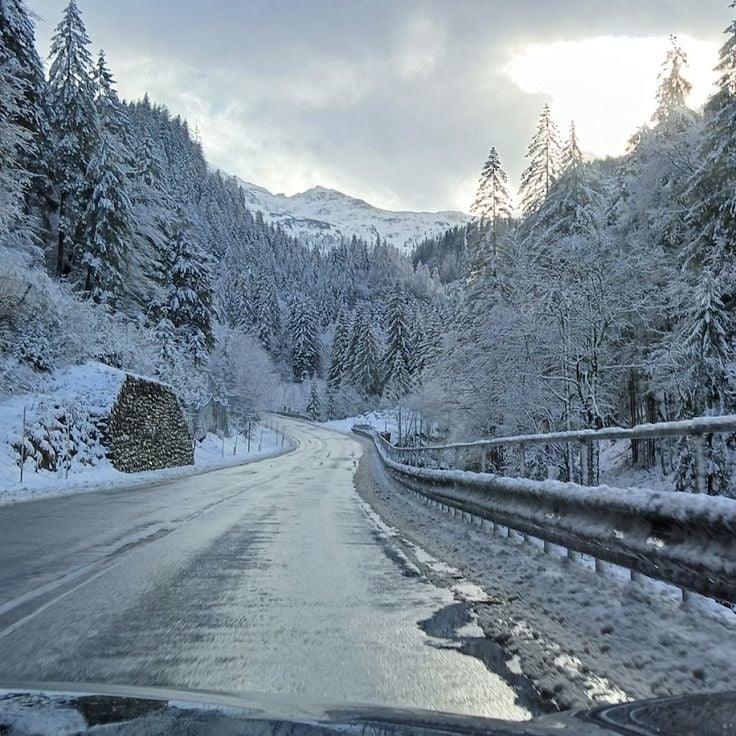
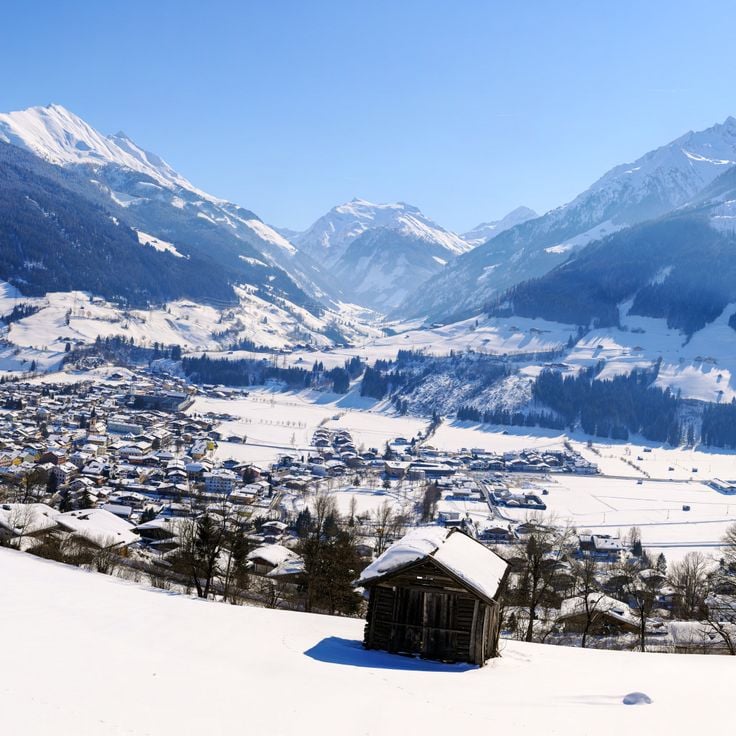
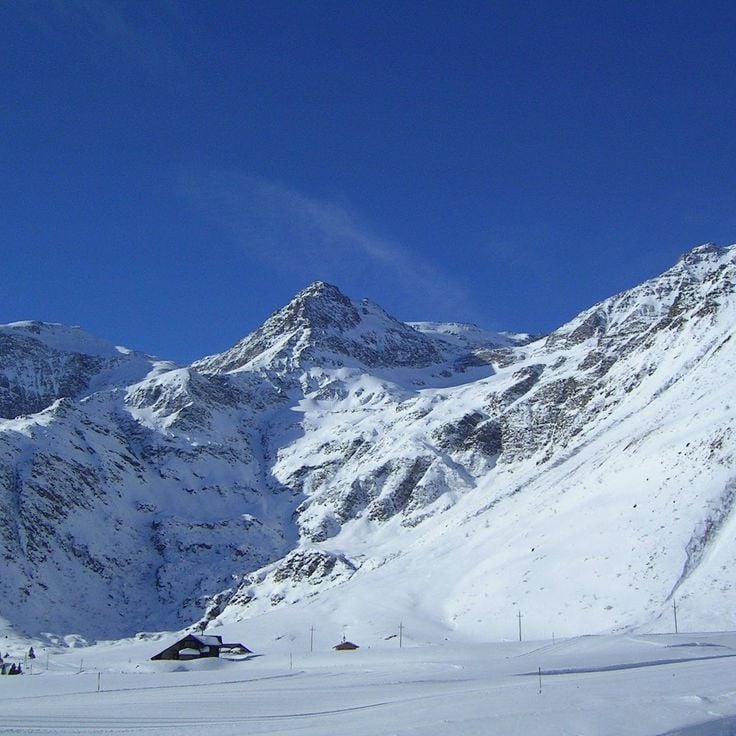
Visit any time of the year: the Salzburg region shows different sides depending on the season. In winter, snow changes villages into scenes like postcards and mountain resorts have good ski conditions. In summer, lakes invite swimming and paths lead to highland scenery. Spring and fall are quieter, good times to explore cities and forest roads.