Ebro, River system in northern Spain
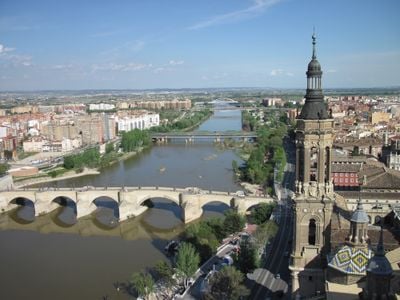
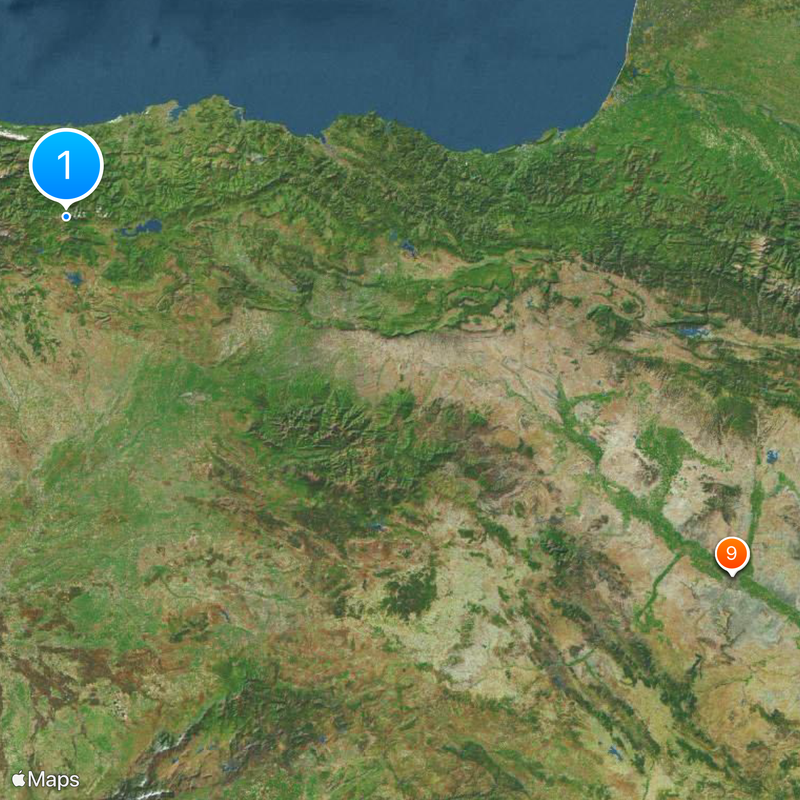
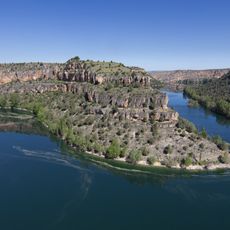
The Ebro stretches 910 kilometers from the Cantabrian Mountains to the Mediterranean Sea, crossing Cantabria, the Basque Country, Navarre, Aragon and Catalonia. Its course runs through valleys and plains, passing cities like Logroño, Zaragoza and Tortosa before reaching a broad delta.
After the First Punic War, the waterway formed the boundary between Roman and Carthaginian influence on the Iberian Peninsula. This line remained in place until the outbreak of the Second Punic War and shaped the early history of the region.
The waterway gave its name to the Rioja wine region and shapes the agricultural character along its banks. Many towns beside it rely on delta rice farming and irrigation of traditional plots.
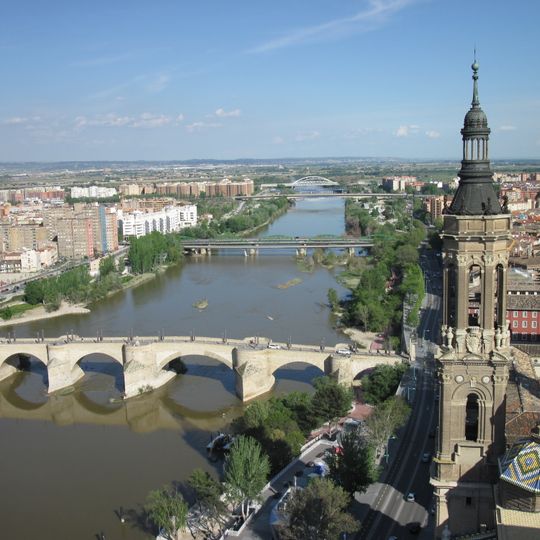
Regional roads and cycling paths run along the course through valleys and connect smaller towns. Several bridges make crossing easier, while riverside paths in many places invite walking.
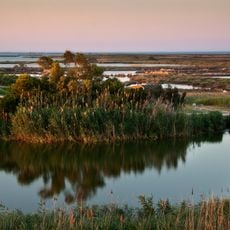
The delta covers 340 square kilometers of wetland at the Mediterranean and offers conditions for rice farming and bird migration. This mouth zone ranks among the largest wetlands in Catalonia and serves as a stopover for traveling species.
The community of curious travelers
AroundUs brings together thousands of curated places, local tips, and hidden gems, enriched daily by 92,257 contributors worldwide.