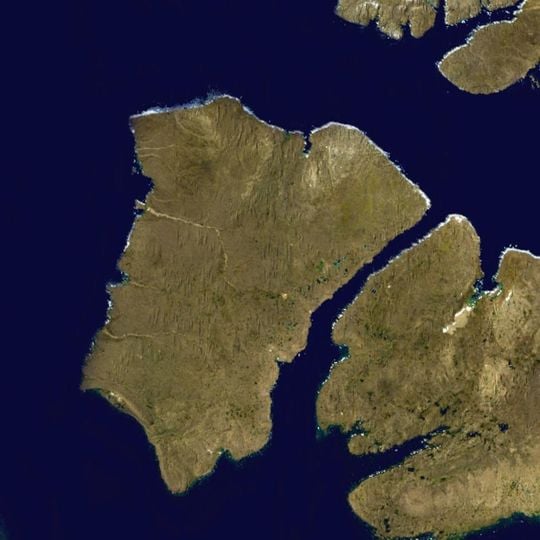
Banks Island, Arctic island in Northwest Territories, Canada
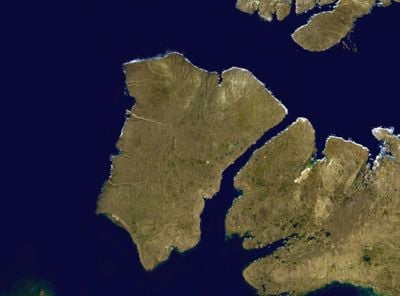
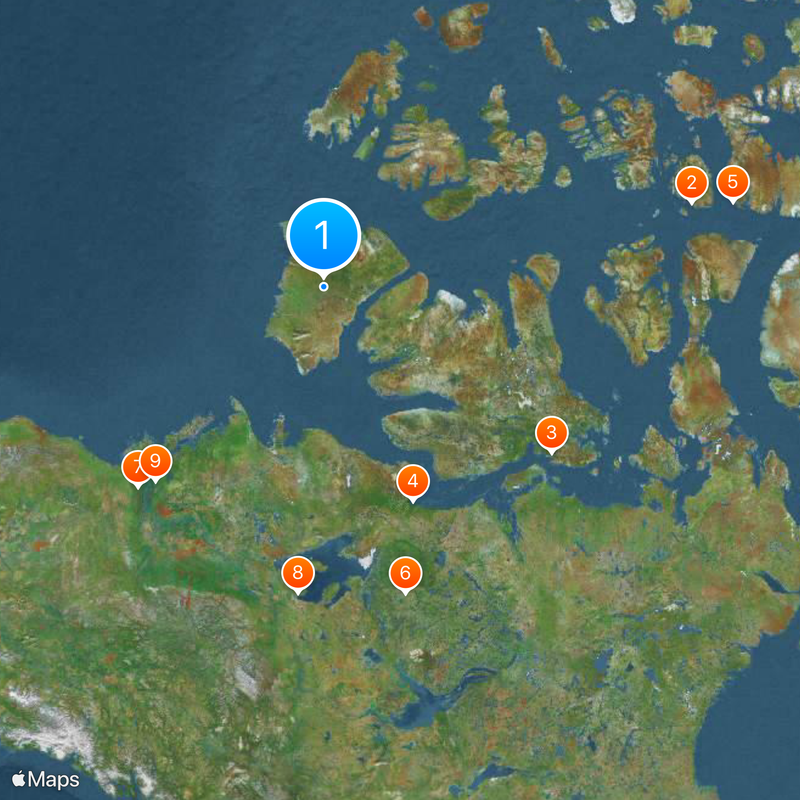
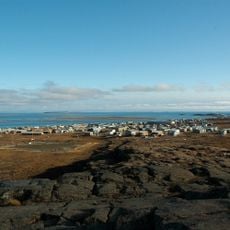
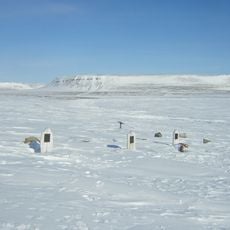
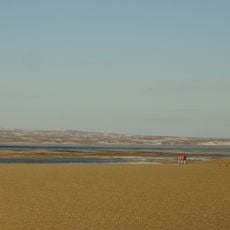
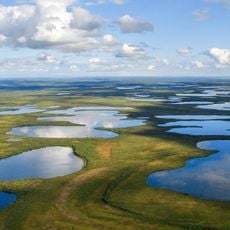
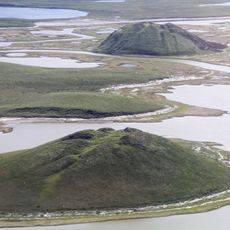
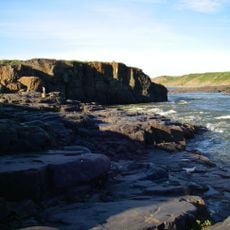
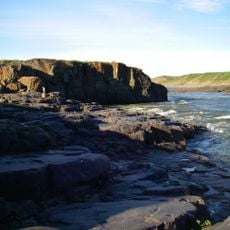
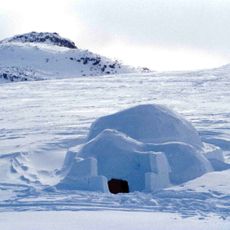
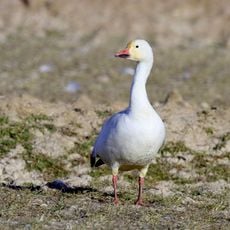
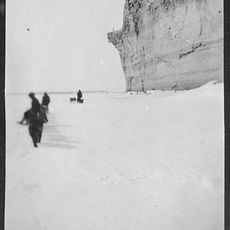
Banks Island is a large Arctic landmass in the Northwest Territories, recognized for its colorful cliff formations along the southeastern shore where yellow, white, and red quartzite rocks rise dramatically, while the north features limestone plateaus. Two protected bird sanctuaries shelter hundreds of thousands of migratory species including snow geese, black brants, and peregrine falcons.
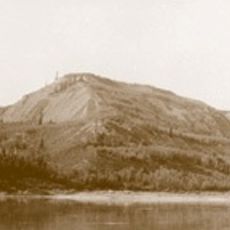
The island was discovered in 1820 by Lieutenant Frederick Beechey during an expedition led by Sir William Parry, receiving its name in honor of Royal Society president Sir Joseph Banks. This early exploration marked an important moment in mapping the Canadian Arctic.
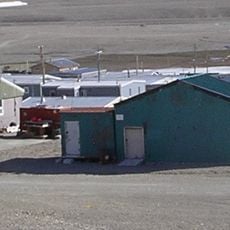
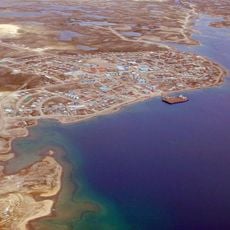
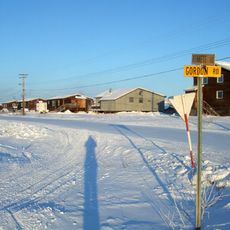
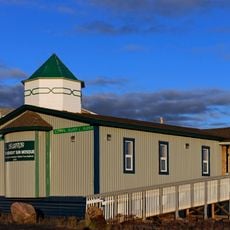
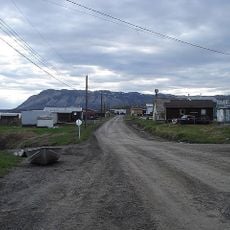
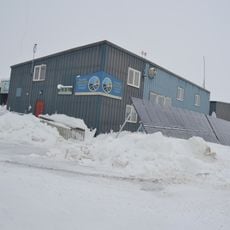
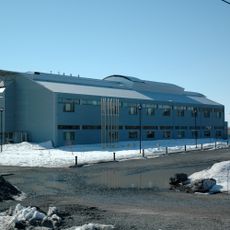
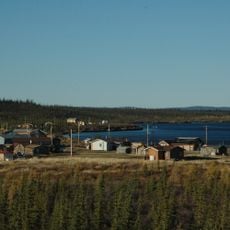
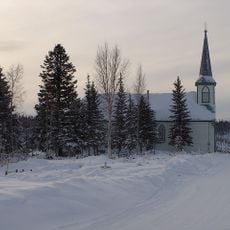
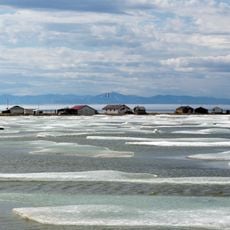
The Inuvialuit community in Sachs Harbour continues hunting and fishing as central parts of daily life on the island. These practices shape how residents connect with and use the land today.
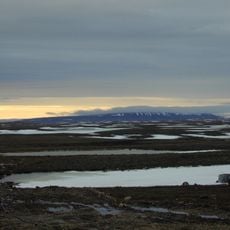
Plan for harsh Arctic conditions with brief summer months and long winter darkness, when ice and extreme temperatures limit accessibility throughout the year. Summer is the best time to visit when weather becomes more predictable and basic supplies are available from the small settlement.
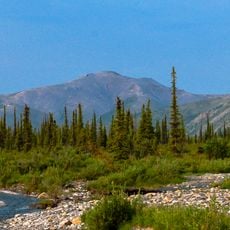
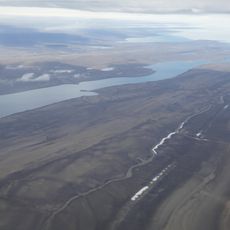
The Thomsen River flowing through Aulavik National Park is North America's most northerly navigable waterway, offering rare chances to paddle in one of the continent's most remote places. This geographic quirk draws adventurers seeking paddling routes in extreme polar regions.
The community of curious travelers
AroundUs brings together thousands of curated places, local tips, and hidden gems, enriched daily by 90,836 contributors worldwide.